Ejiofor Toochukwu, Mgbeahuruike Anthony Christian, Ojiako Chiamaka, Ushie Ashang Micheal, Nwoko Emmanuela Ifeoma, Onoja Ibe Remigius, Dada Toluwase, Mwanza Mulunda, Karlsson Magnus
Department of Agric Education, Faculty of Vocational Technical Education, University of Nigeria, 410002 Nsukka, Nigeria.
Department of Veterinary Pathology and Microbiology, Faculty of Veterinary Medicine, University of Nigeria, 410002, Nsukka, Nigeria.
Vet World. 2021 Jan;14(1):23-32. doi: 10.14202/vetworld.2021.23-32. Epub 2021 Jan 5.
, bentonite and kaolin were used to reduce the adverse effects of mold-contaminated diet on broilers. The aim of the study was to evaluate the impact of , bentonite, and kaolin in reducing the adverse effects of mold (fungal) contaminated diet on broilers. Specifically, we investigated the histopathological, hematological, and serum biochemical changes associated with broilers fed mold-contaminated diets supplemented with these three adsorbents. We also isolated and identified the common fungal contaminants in the poultry feeds as well as the mycotoxins they produced.
Hundred broilers (3-weeks-old) were randomly grouped into five dietary treatments, basal feed (negative control), feed contaminated with mold, mold-contaminated feed+, mold-contaminated feed+bentonite, and mold-contaminated feed+kaolin. The fungal contaminants in the feeds were isolated and molecularly identified while the mycotoxins in the feed where analyzed using high-performance liquid chromatography. Blood samples of birds from each group were analyzed for hematology and serum biochemistry. The liver, spleen, kidney, and bursa of Fabricius of the birds were excised and analyzed for histopathological changes.
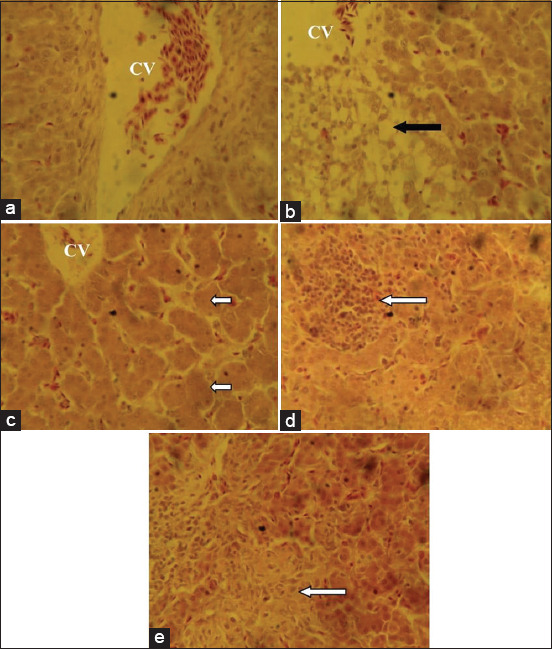
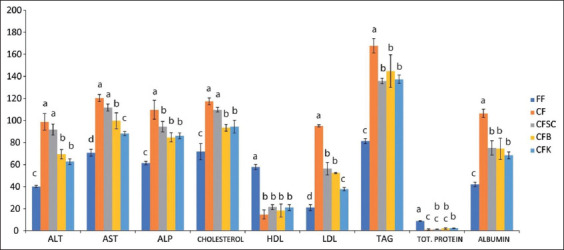
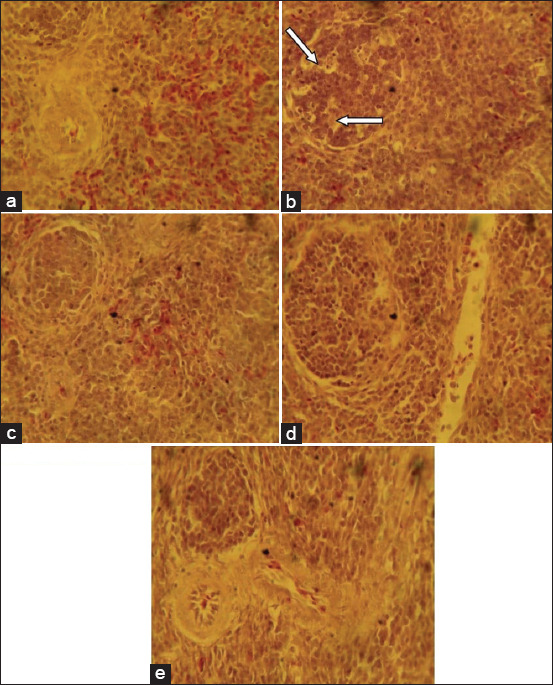
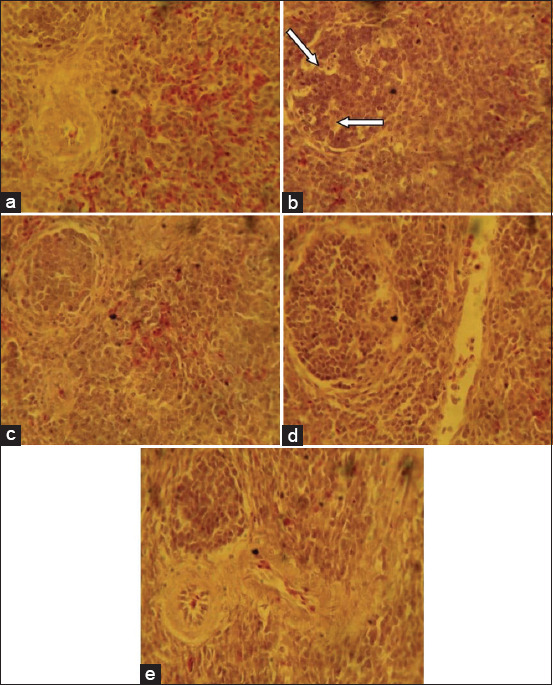
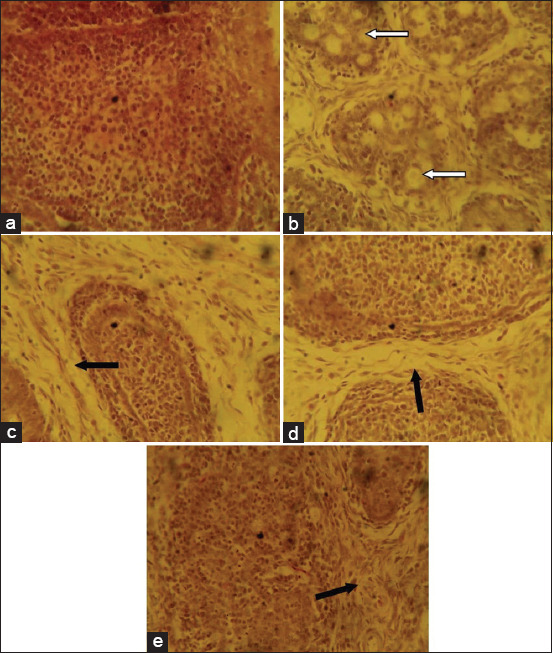
The most common fungal contaminants in the feeds were (33.3%) species, followed by species (22.2%). The mold-contaminated feed had the highest number of fungal contaminants, 55.6%, while the negative control (basal feed group) had none. Total aflatoxin and deoxynivalenol were high in the mold-contaminated feed (53.272 μg/kg and 634.5 μg kg, respectively), but these were reduced by the addition of adsorbents to the feed. The birds fed mold-contaminated feed had significantly (p<0.05) reduced red blood cell count counts, packed cell volume, and hemoglobin but increased white blood cell count compared to the negative control. Liver enzyme activity (alanine transaminase, aspartate aminotransferase, and alkaline phosphatase) and cholesterol concentration increased significantly (p<0.05) in the group fed mold-contaminated feed while the serum albumin and total protein decreased significantly (p0.05) in comparison with the negative control. Adverse histopathological changes were observed in the liver, kidney, spleen, and bursa of Fabricius in the group fed mold-contaminated feed. Addition of , bentonite or kaolin in the mold-contaminated feed ameliorated these toxic effects.
The observed histopathological lesions were consistent with mycotoxicosis in birds and were mild in the adsorbent treated groups. Kaolin had a higher protective effect against mycotoxicosis than the two other adsorbents.
使用蒙脱石和高岭土来减轻霉菌污染日粮对肉鸡的不良影响。本研究的目的是评估蒙脱石和高岭土在减轻霉菌(真菌)污染日粮对肉鸡不良影响方面的作用。具体而言,我们调查了喂食添加这三种吸附剂的霉菌污染日粮的肉鸡所伴随的组织病理学、血液学和血清生化变化。我们还分离并鉴定了家禽饲料中常见的真菌污染物及其产生的霉菌毒素。
将100只3周龄的肉鸡随机分为五种日粮处理组,即基础饲料(阴性对照)、霉菌污染饲料、霉菌污染饲料+蒙脱石、霉菌污染饲料+高岭土。分离并通过分子生物学方法鉴定饲料中的真菌污染物,同时使用高效液相色谱法分析饲料中的霉菌毒素。对每组鸡的血液样本进行血液学和血清生化分析。切除鸡的肝脏、脾脏、肾脏和法氏囊并分析其组织病理学变化。
饲料中最常见的真菌污染物是曲霉菌属(33.3%),其次是青霉菌属(22.2%)。霉菌污染的饲料中真菌污染物数量最多,为55.6%,而阴性对照(基础饲料组)中没有真菌污染物。霉菌污染的饲料中总黄曲霉毒素和脱氧雪腐镰刀菌烯醇含量较高(分别为53.272μg/kg和634.5μg/kg),但在饲料中添加吸附剂后这些含量有所降低。与阴性对照相比,喂食霉菌污染饲料的鸡的红细胞计数、血细胞比容和血红蛋白显著降低(p<0.05),但白细胞计数增加。喂食霉菌污染饲料的组中肝酶活性(丙氨酸转氨酶、天冬氨酸转氨酶和碱性磷酸酶)和胆固醇浓度显著增加(p<0.05),而血清白蛋白和总蛋白与阴性对照相比显著降低(p<0.05)。在喂食霉菌污染饲料的组中观察到肝脏、肾脏、脾脏和法氏囊出现不良组织病理学变化。在霉菌污染的饲料中添加蒙脱石或高岭土可减轻这些毒性作用。
观察到的组织病理学病变与禽类霉菌毒素中毒一致,在吸附剂处理组中病变较轻。高岭土对霉菌毒素中毒的保护作用高于其他两种吸附剂。