Hsu Hui-Chieh, Brône Geert, Feyaerts Kurt
Department of Linguistics, Faculty of Arts, University of Leuven, Leuven, Belgium.
Front Psychol. 2021 Feb 11;11:552533. doi: 10.3389/fpsyg.2020.552533. eCollection 2020.
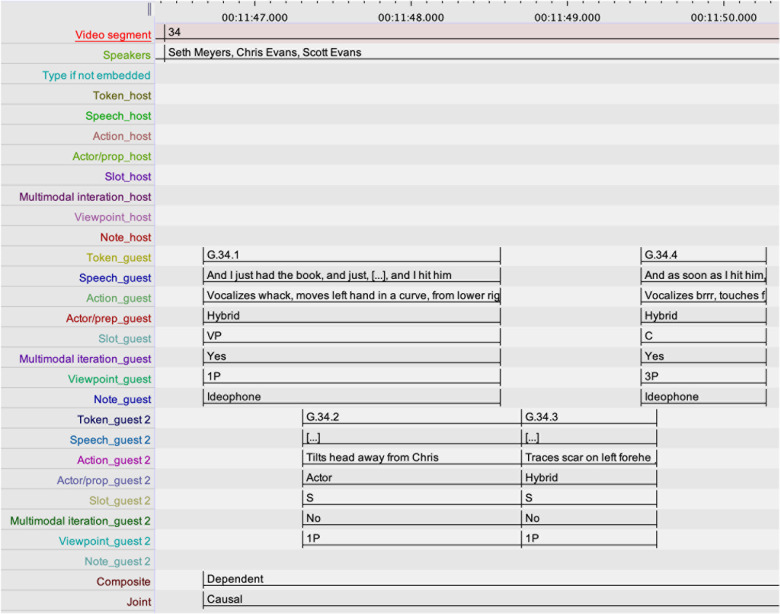
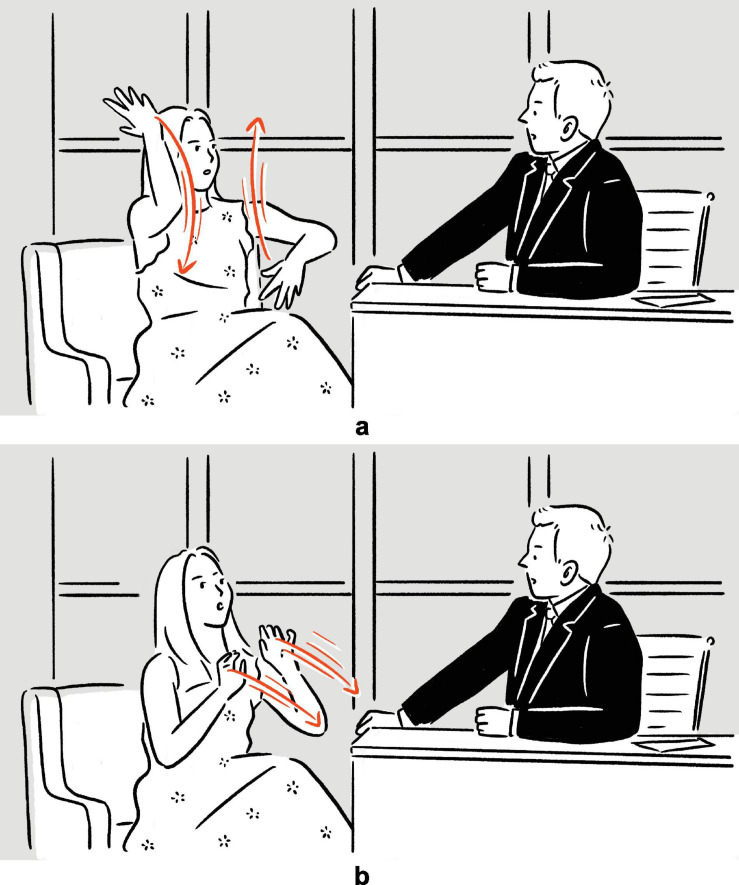
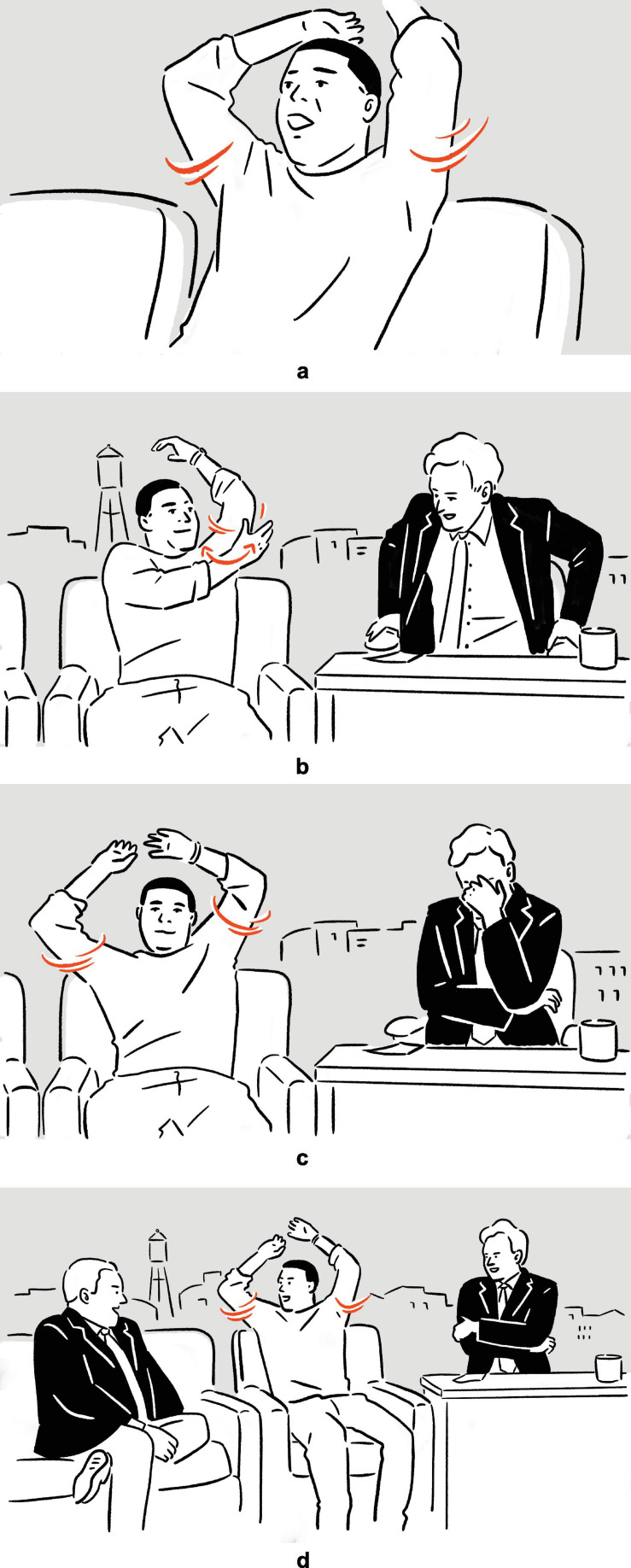
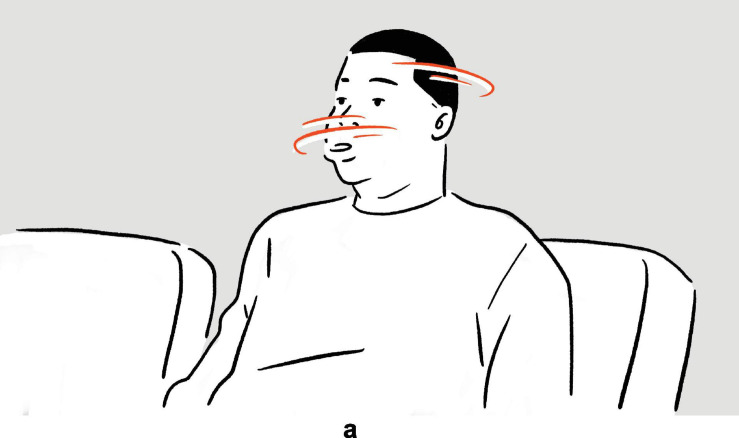
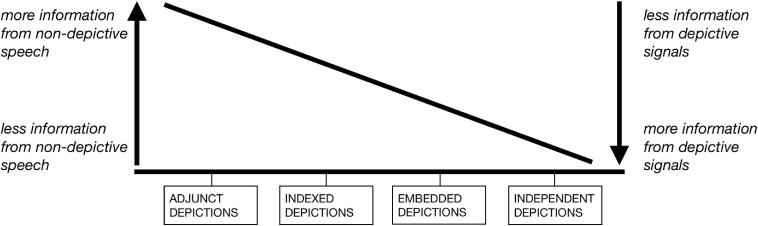
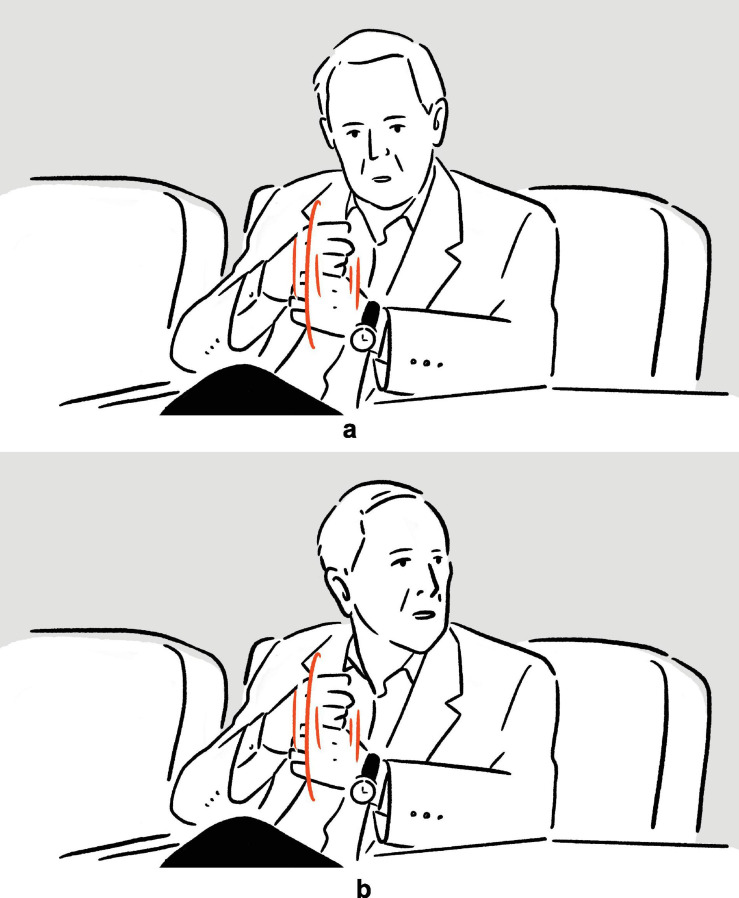
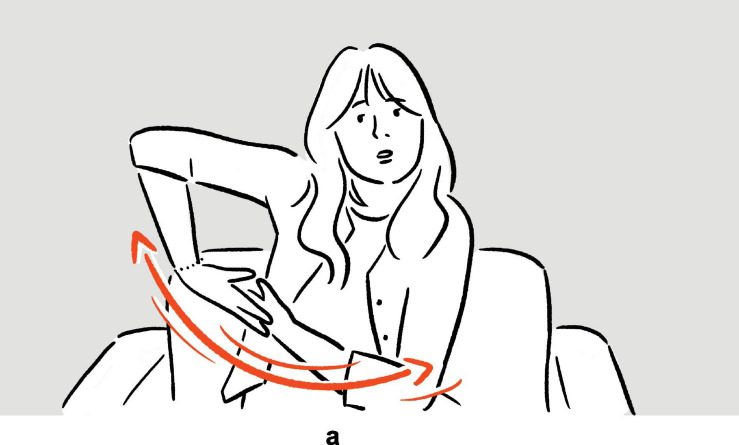
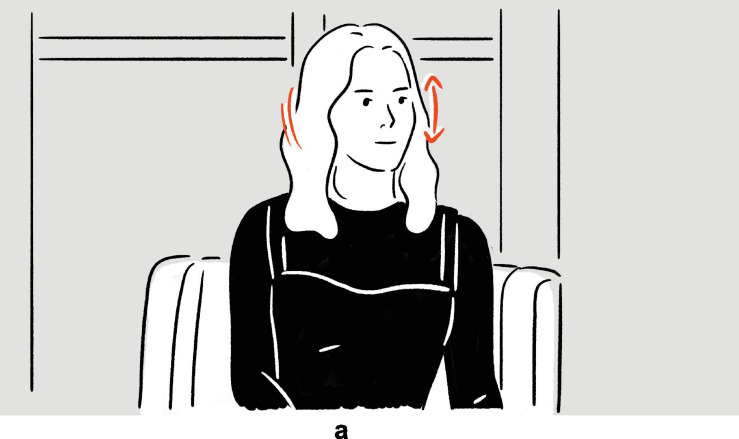
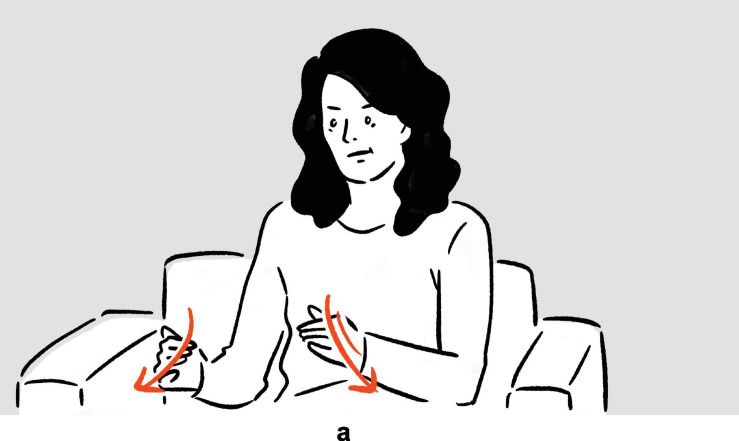
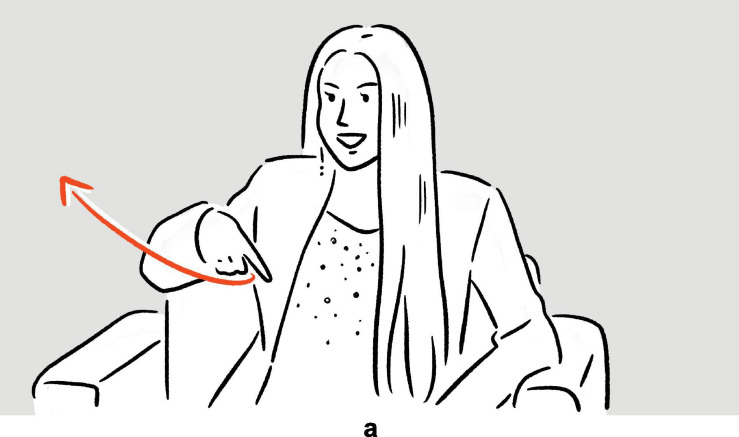
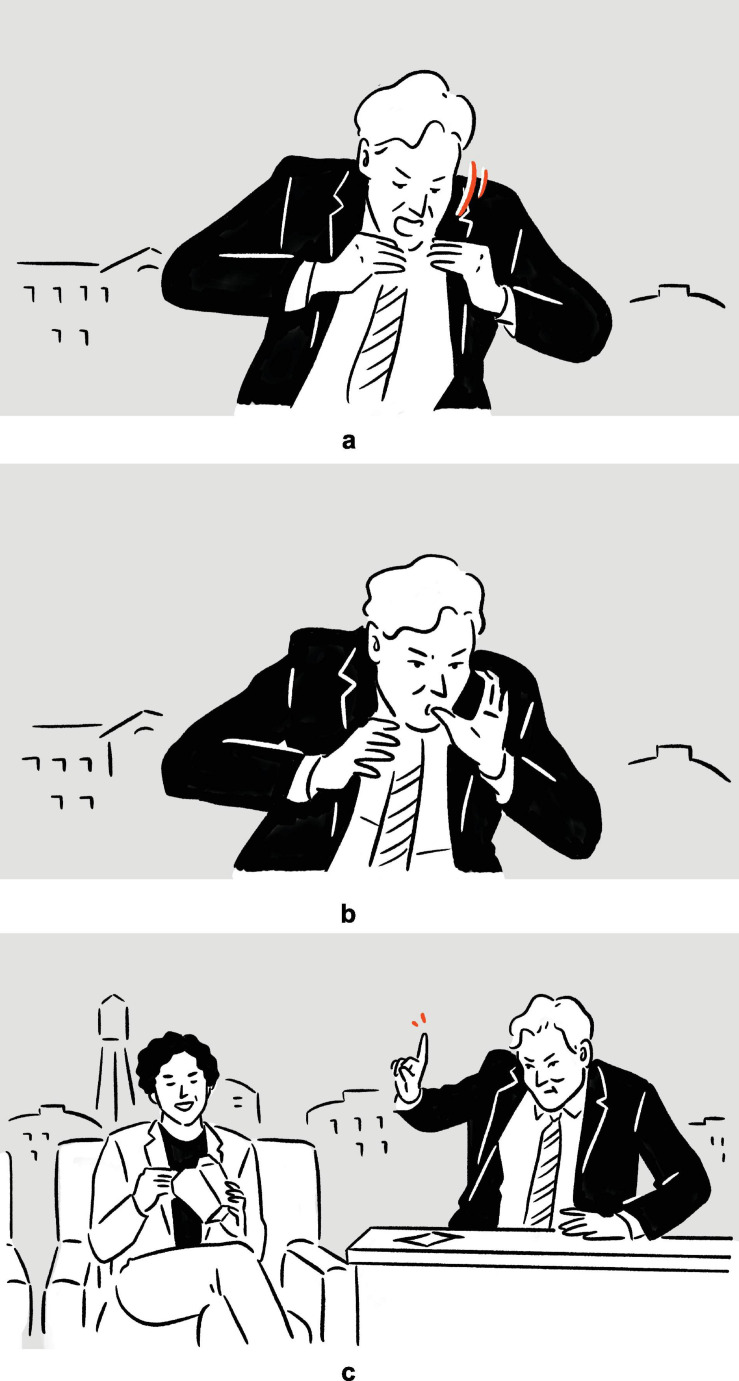
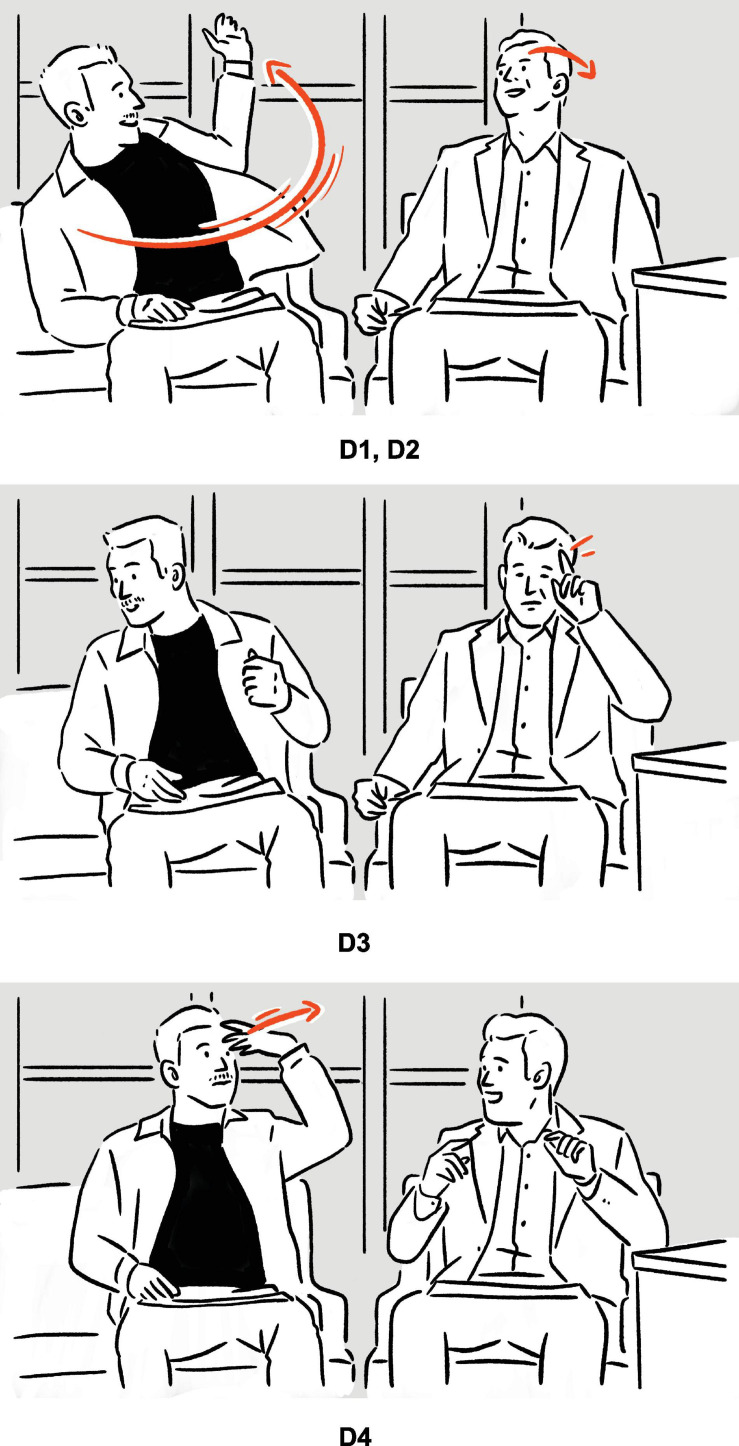
The framework of depicting put forward by Clark (2016) offers a schematic vantage point from which to examine iconic language use. Confronting the framework with empirical data, we consider some of its key theoretical notions. Crucially, by reconceptualizing the typology of depictions, we identify an overlooked domain in the literature: "speech-embedded nonverbal depictions," namely cases where meaning is communicated iconically, nonverbally, and without simultaneously co-occurring speech. In addition to contextualizing the phenomenon in relation to existing research, we demonstrate, with examples from American TV talk shows, how such depictions function in real-life language use, offering a brief sketch of their complexities and arguing also for their theoretical significance.
克拉克(2016年)提出的描绘框架提供了一个示意图式的有利视角,可据此审视象似性语言的使用。通过将该框架与实证数据相对照,我们考量了其中一些关键的理论概念。至关重要的是,通过重新概念化描绘的类型学,我们识别出了文献中一个被忽视的领域:“嵌入言语的非言语描绘”,即意义通过象似性、非言语方式传达且不同时伴有言语的情况。除了将这一现象与现有研究相结合进行情境化阐释外,我们还以美国电视脱口秀节目为例,展示了此类描绘在现实语言使用中的功能,简要勾勒了其复杂性,并论证了它们的理论意义。