Parekh Mohit, Romano Vito, Hassanin Kareem, Testa Valeria, Wongvisavavit Rintra, Ferrari Stefano, Haneef Atikah, Willoughby Colin, Ponzin Diego, Jhanji Vishal, Sharma Namrata, Daniels Julie, Kaye Stephen B, Ahmad Sajjad, Levis Hannah J
Faculty of Brain Sciences, Institute of Ophthalmology, University College London, London, UK.
International Center for Ocular Physiopathology, Fondazione Banca degli Occhi del Veneto Onlus, Venice, Italy.
J Tissue Eng. 2021 Feb 16;12:2041731421990536. doi: 10.1177/2041731421990536. eCollection 2021 Jan-Dec.
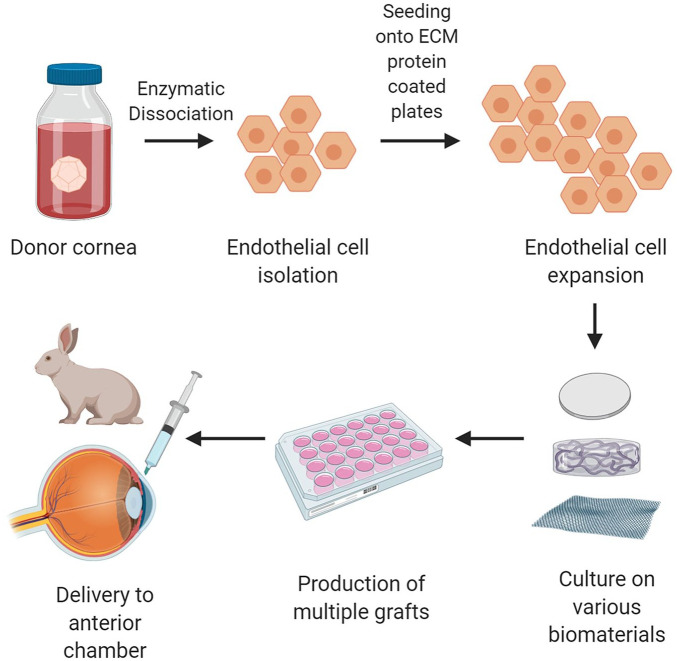
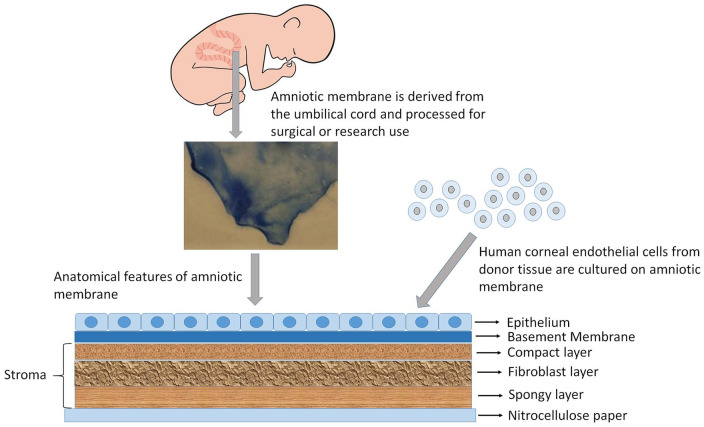
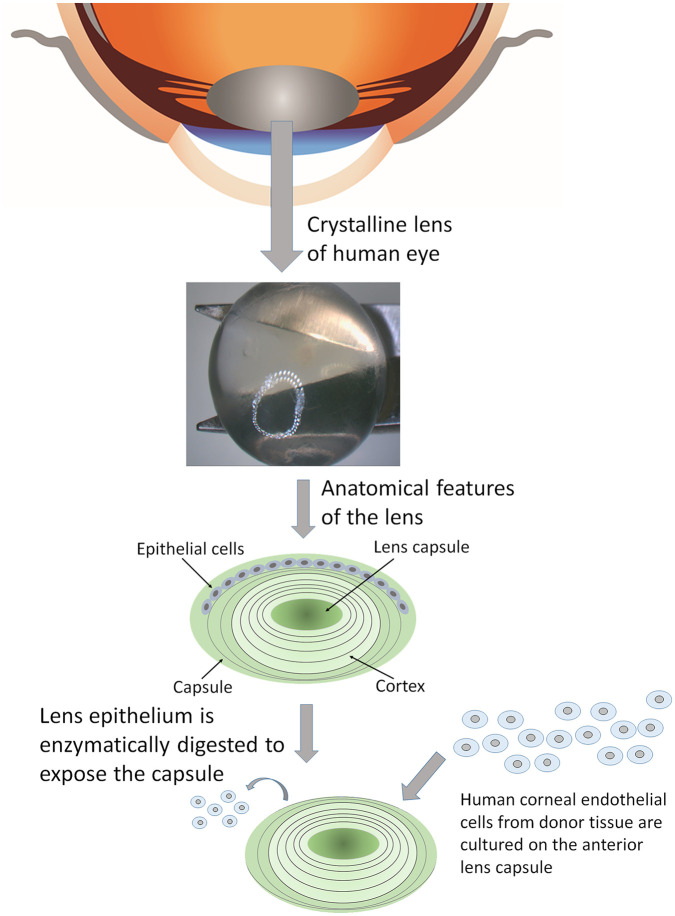
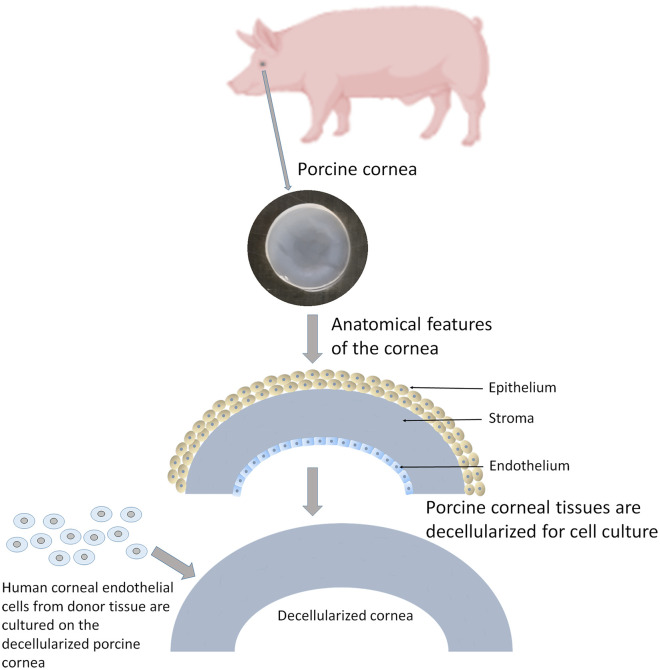
The corneal endothelium is the posterior monolayer of cells that are responsible for maintaining overall transparency of the avascular corneal tissue via pump function. These cells are non-regenerative in vivo and therefore, approximately 40% of corneal transplants undertaken worldwide are a result of damage or dysfunction of endothelial cells. The number of available corneal donor tissues is limited worldwide, hence, cultivation of human corneal endothelial cells (hCECs) in vitro has been attempted in order to produce tissue engineered corneal endothelial grafts. Researchers have attempted to recreate the current gold standard treatment of replacing the endothelial layer with accompanying Descemet's membrane or a small portion of stroma as support with tissue engineering strategies using various substrates of both biologically derived and synthetic origin. Here we review the potential biomaterials that are currently in development to support the transplantation of a cultured monolayer of hCECs.
角膜内皮是细胞的后单层,其通过泵功能负责维持无血管角膜组织的整体透明度。这些细胞在体内不可再生,因此,全球约40%的角膜移植是内皮细胞损伤或功能障碍的结果。全球可用角膜供体组织数量有限,因此,人们尝试在体外培养人角膜内皮细胞(hCEC),以生产组织工程角膜内皮移植物。研究人员试图用生物衍生和合成来源的各种基质,通过组织工程策略,重现目前用伴随的Descemet膜或一小部分基质作为支撑来替换内皮层的金标准治疗方法。在此,我们综述了目前正在开发的、用于支持培养的单层hCEC移植的潜在生物材料。