Ray Suprakas Sinha, Iroegbu Austine Ofondu Chinomso
Centre for Nanostructures and Advanced Materials, DSI-CSIR Nanotechnology Innovation Centre, Council for Scientific and Industrial Research, CSIR, Pretoria 0001, South Africa.
Department of Chemical Sciences, University of Johannesburg, Doornfontein, Johannesburg 2028, South Africa.
ACS Omega. 2021 Feb 8;6(7):4511-4526. doi: 10.1021/acsomega.0c06070. eCollection 2021 Feb 23.
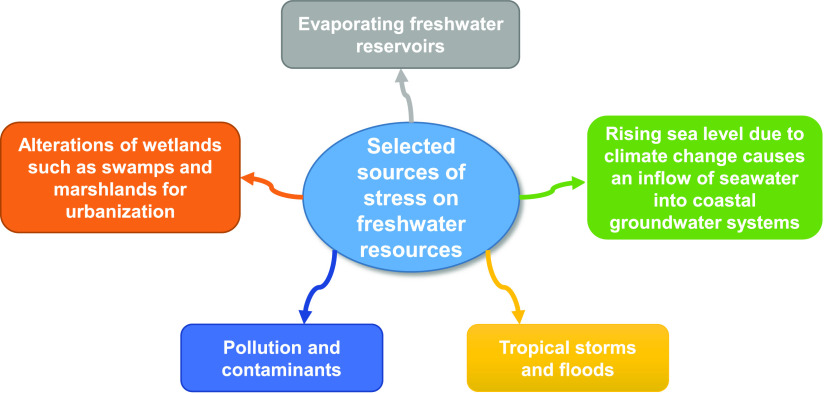
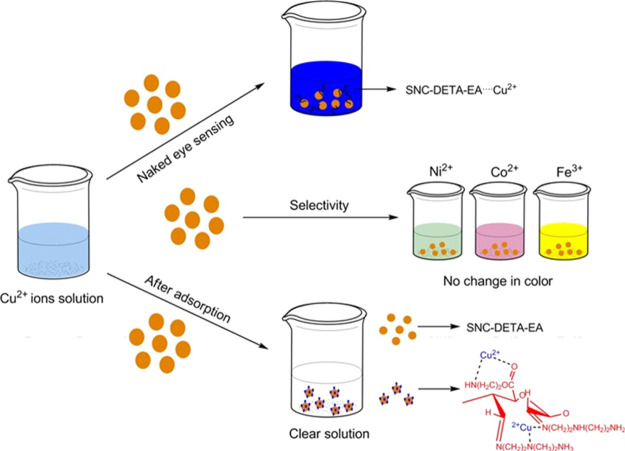
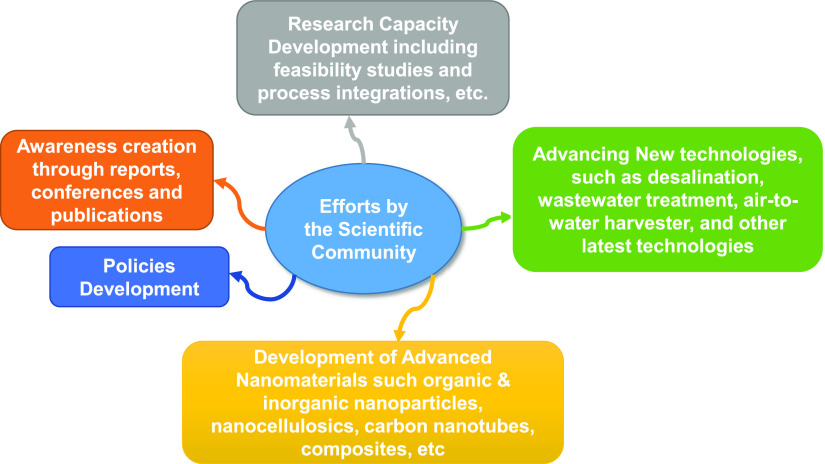
Water is critical for all lives to thrive. Access to potable and safe water has been argued to rank top among the prerequisites for defining the standard of living of a nation. However, there is a global decline in water quality due to human activities and other factors that severely impact freshwater resources such as saltwater intrusion and natural disasters. It has been pointed out that the millions of liters of industrial and domestic wastewater generated globally have the potential to help mitigate water scarcity if it is appropriately captured and remediated. Among the many initiatives to increase access to clean water, the scientific community has focused on wastewater remediation through the utilization of bioderived materials, such as nanocellulosics. Nanocellulosics, derived from cellulose, have the advantages of being ubiquitous, nontoxic, and excellent adsorbents. Furthermore, the surface properties of nanocellulosic materials can easily be modified. These advantages make them promising materials for water remediation applications. This perspective highlights the most important new developments in the application of nanocellulosics in water treatment technologies, such as membrane, adsorption, sensors, and flocculants/coagulants. We also identify where further work is urgently required for the widespread industrial application of nanocellulosics in wastewater treatment.
水对于所有生命的蓬勃发展至关重要。人们认为,获得可饮用的安全水在界定一个国家生活水平的先决条件中名列前茅。然而,由于人类活动和其他因素,如海水入侵和自然灾害等严重影响淡水资源的因素,全球水质正在下降。有人指出,如果全球产生的数百万升工业和生活废水能够得到妥善收集和治理,就有可能有助于缓解水资源短缺问题。在众多增加清洁水供应的举措中,科学界专注于利用生物衍生材料(如纳米纤维素)进行废水治理。源自纤维素的纳米纤维素具有普遍存在、无毒且是优良吸附剂的优点。此外,纳米纤维素材料的表面性质易于改性。这些优点使其成为水治理应用中很有前景的材料。这篇综述强调了纳米纤维素在水处理技术(如膜、吸附、传感器以及絮凝剂/凝聚剂)应用中最重要的新进展。我们还确定了纳米纤维素在废水处理广泛工业应用方面迫切需要进一步开展工作的领域。