Zhengzhou University, The Fifth Affiliated Hospital of Zhengzhou University, Zhengzhou, Henan, China.
Central South University, Xiangya Second Hospital, Changsha, Hunan, China.
Biosci Rep. 2021 Apr 30;41(4). doi: 10.1042/BSR20203496.
Colorectal cancer (CRC) is the most common type of gastrointestinal malignant tumour. Colorectal adenocarcinoma (COAD) - the most common type of CRC - is particularly dangerous. The role of the immune system in the development of tumour-associated inflammation and cancer has received increasing attention recently.
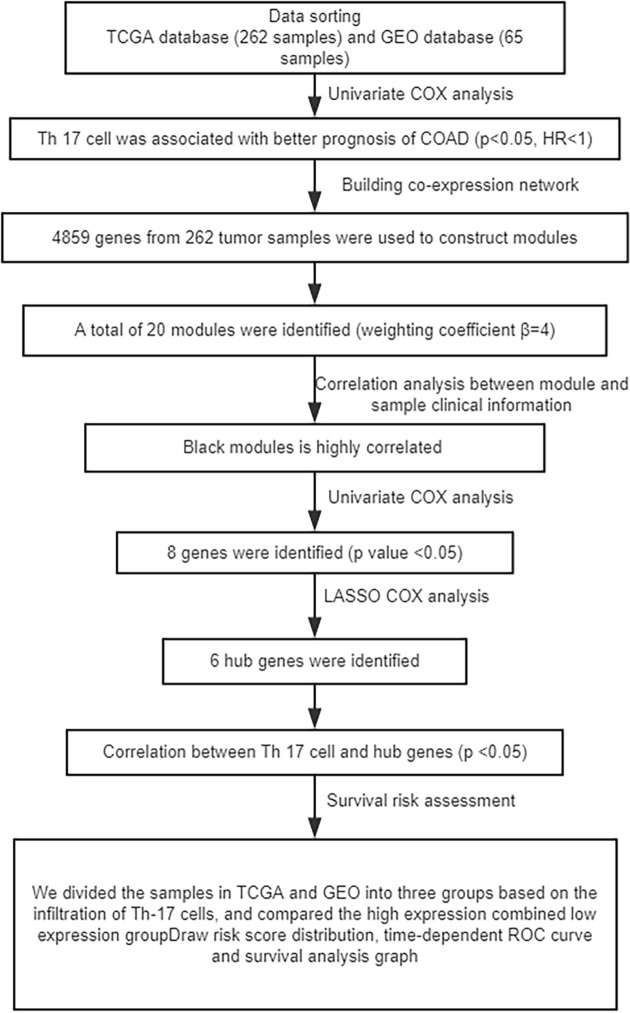
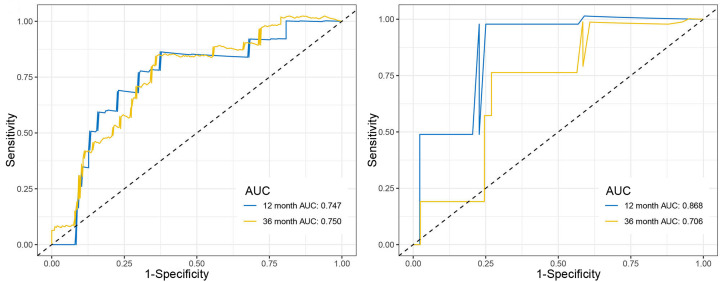
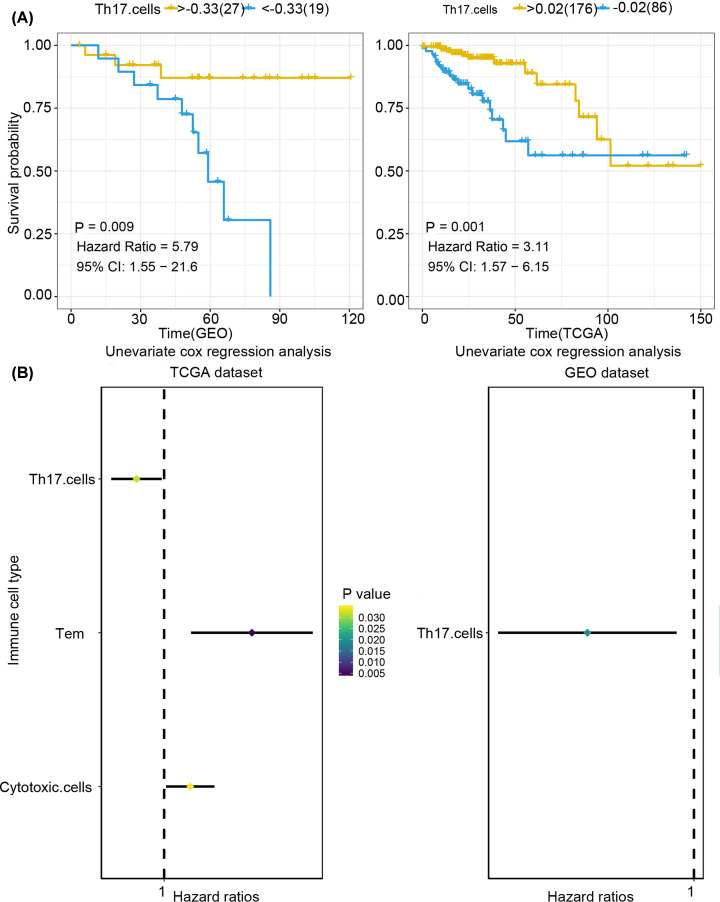
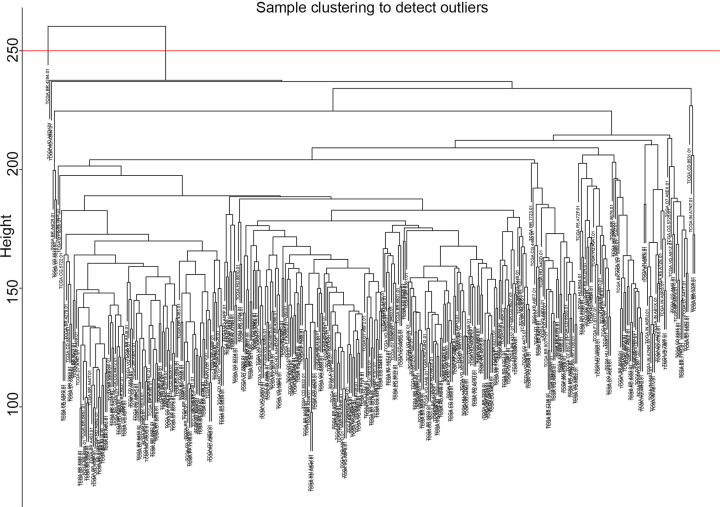
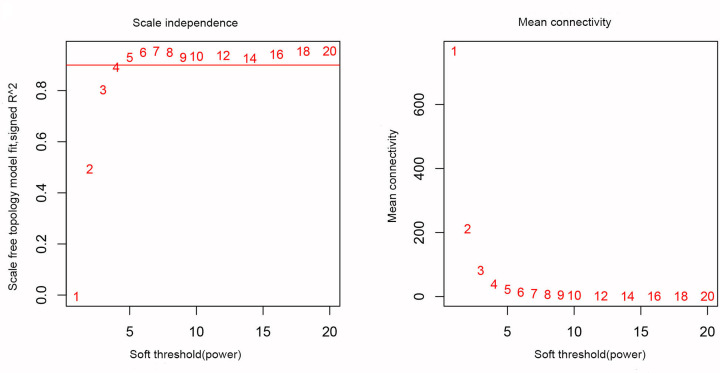
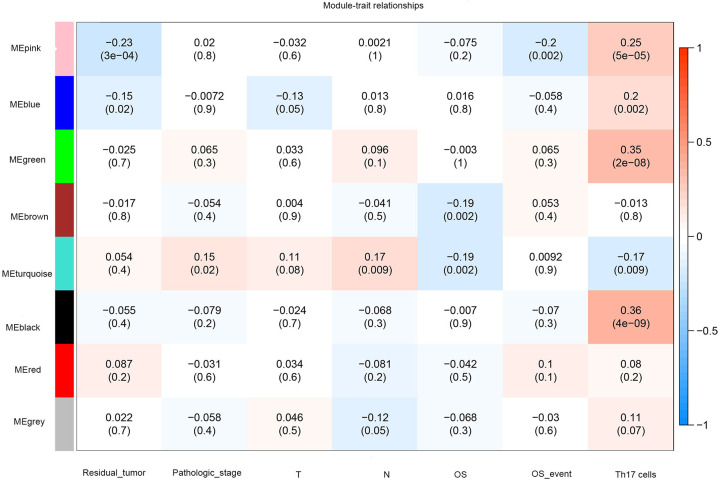
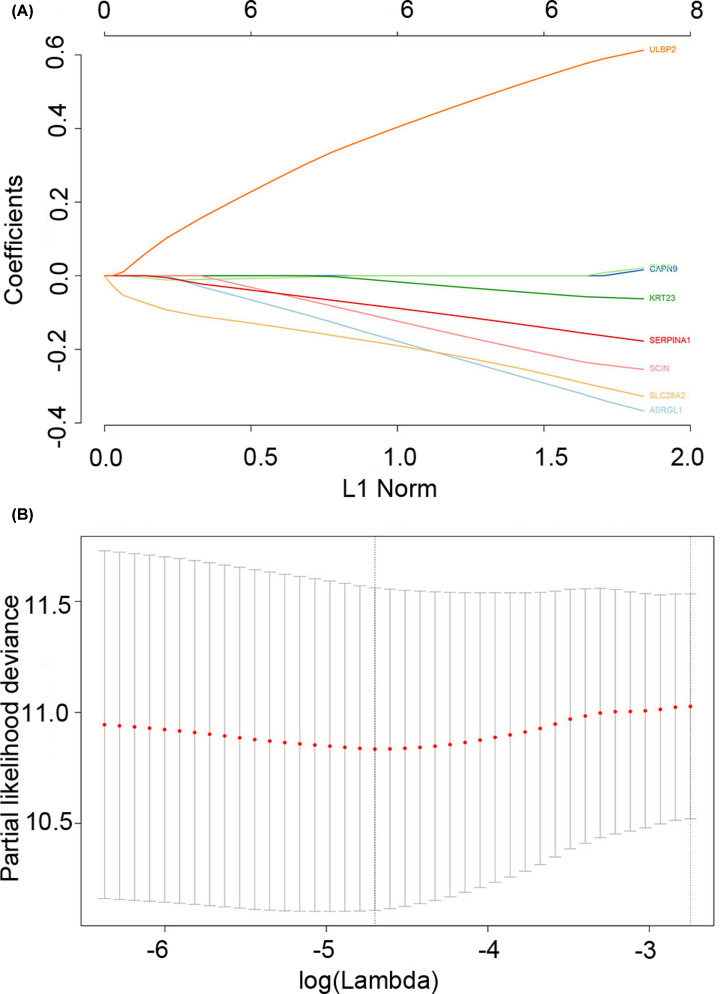
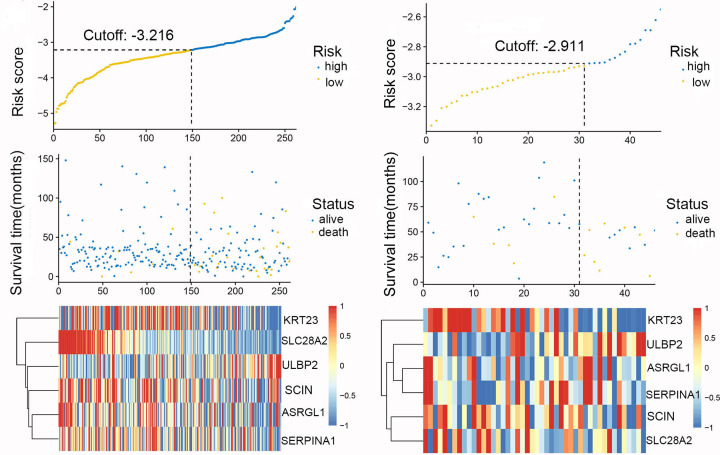
In the present study, we compiled the expression profiles of 262 patients with complete follow-up data from The Cancer Genome Atlas (TCGA) database as an experimental group and selected 65 samples from the Gene Expression Omnibus (GEO) dataset (of which 46 samples were with M0) as a verification group. First, we screened the immune T helper 17 (Th17) cells related to the prognosis of COAD. Subsequently, we identified Th17 cells-related hub genes by utilising Weighted Gene Co-expression Network Analysis (WGCNA) and Least Absolute Shrinkage and Selector Operation (LASSO) regression analysis. Six genes associated with the prognosis in patients with COAD were identified, including: KRT23, ULBP2, ASRGL1, SERPINA1, SCIN, and SLC28A2. We constructed a clinical prediction model and analysed its predictive power.
The identified hub genes are involved in developing many diseases and closely linked to digestive disorders. Our results suggested that the hub genes could influence the prognosis of COAD by regulating Th17 cells' infiltration.
These newly discovered hub genes contribute to clarifying the mechanisms of COAD development and metastasis. Given that they promote COAD development, they may become new therapeutic targets and biomarkers of COAD.
结直肠癌(CRC)是最常见的胃肠道恶性肿瘤。结直肠腺癌(COAD)是最常见的 CRC 类型,尤其危险。免疫系统在肿瘤相关炎症和癌症发展中的作用最近受到了越来越多的关注。
本研究从癌症基因组图谱(TCGA)数据库中整理了 262 例具有完整随访数据的患者的表达谱作为实验组,并从基因表达综合数据库(GEO)中选择了 65 例样本(其中 46 例为 M0)作为验证组。首先,我们筛选了与 COAD 预后相关的免疫 T 辅助 17(Th17)细胞。随后,我们利用加权基因共表达网络分析(WGCNA)和最小绝对收缩和选择操作(LASSO)回归分析鉴定 Th17 细胞相关的枢纽基因。确定了与 COAD 患者预后相关的 6 个基因,包括:KRT23、ULBP2、ASRGL1、SERPINA1、SCIN 和 SLC28A2。我们构建了一个临床预测模型并分析了其预测能力。
鉴定的枢纽基因参与多种疾病的发生,与消化系统疾病密切相关。我们的结果表明,枢纽基因可以通过调节 Th17 细胞浸润来影响 COAD 的预后。
这些新发现的枢纽基因有助于阐明 COAD 发生和转移的机制。鉴于它们促进 COAD 的发展,它们可能成为 COAD 的新治疗靶点和生物标志物。