State Key Laboratory of Tree Genetics and Breeding, Northeast Forestry University, 51 Hexing Road, Harbin, 150040, China.
Co-Innovation Center for Sustainable Forestry in Southern China/Bamboo Research Institute, Nanjing Forestry University, 159 Longpan Road, Nanjing, 210037, China.
BMC Plant Biol. 2021 Mar 1;21(1):122. doi: 10.1186/s12870-021-02879-w.
The bZIP gene family, which is widely present in plants, participates in varied biological processes including growth and development and stress responses. How do the genes regulate such biological processes? Systems biology is powerful for mechanistic understanding of gene functions. However, such studies have not yet been reported in poplar.
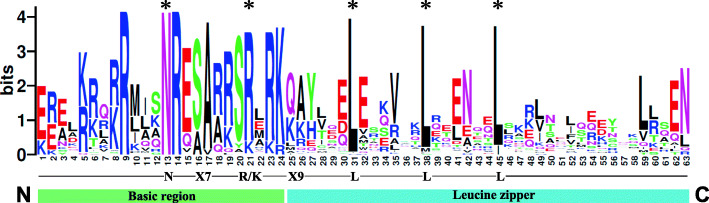
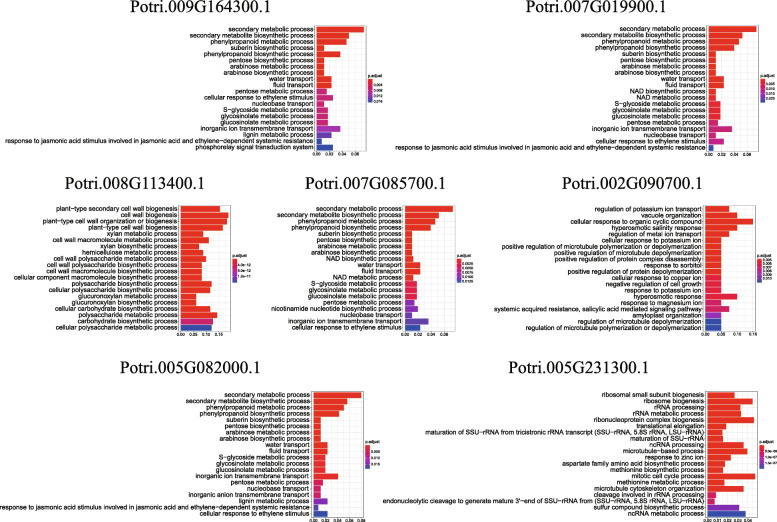
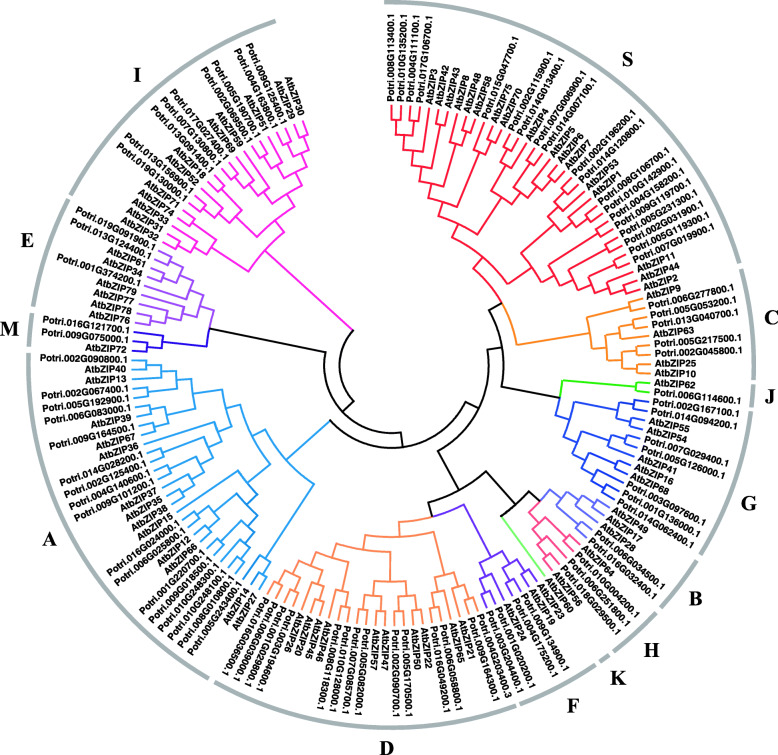
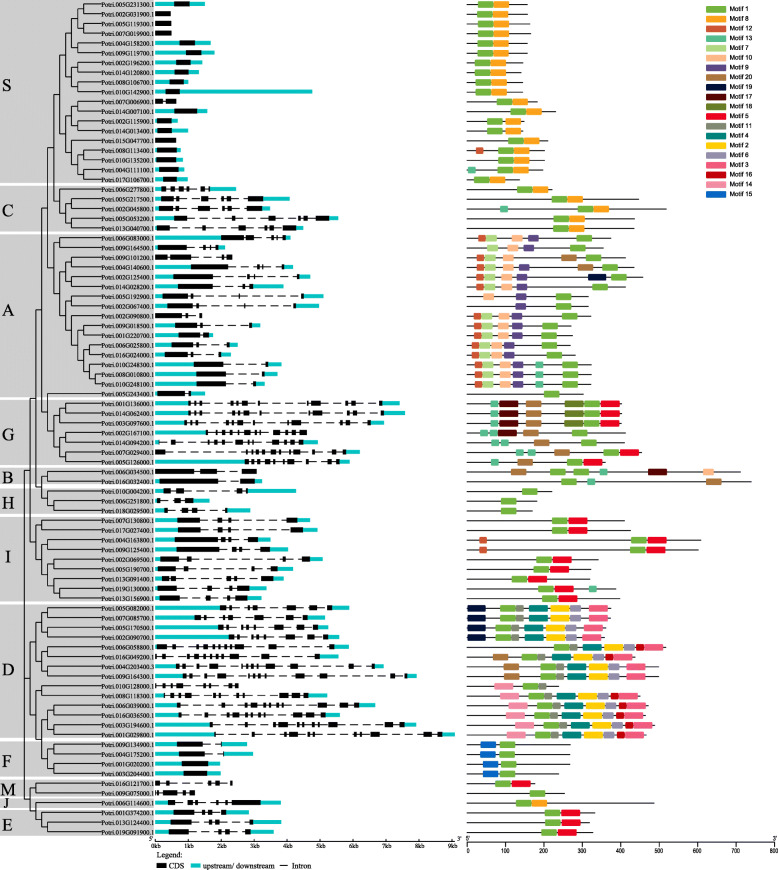
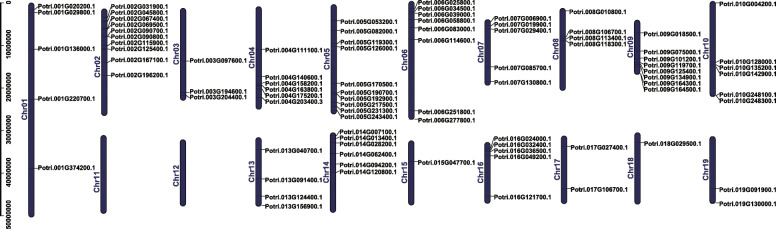
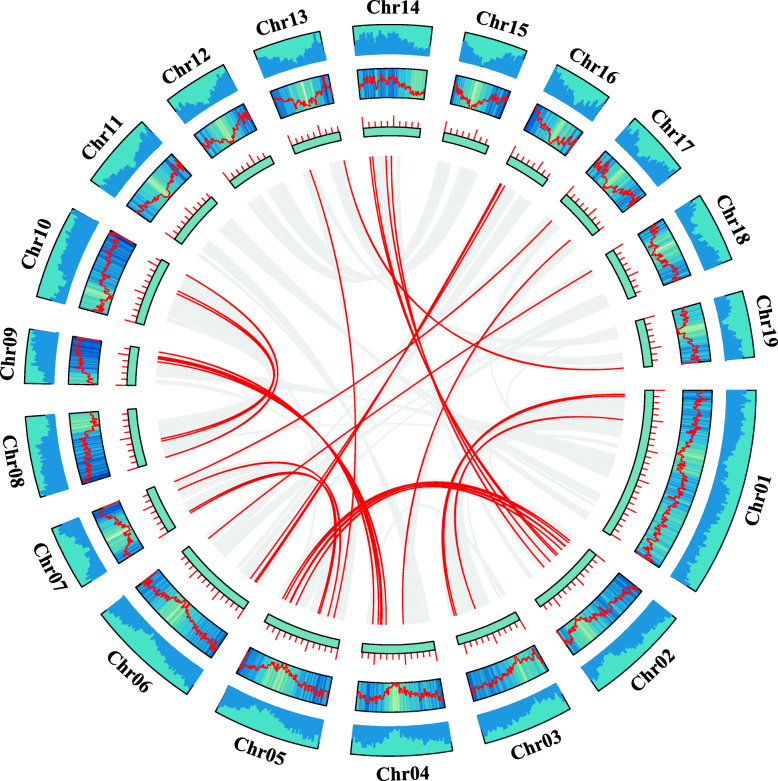
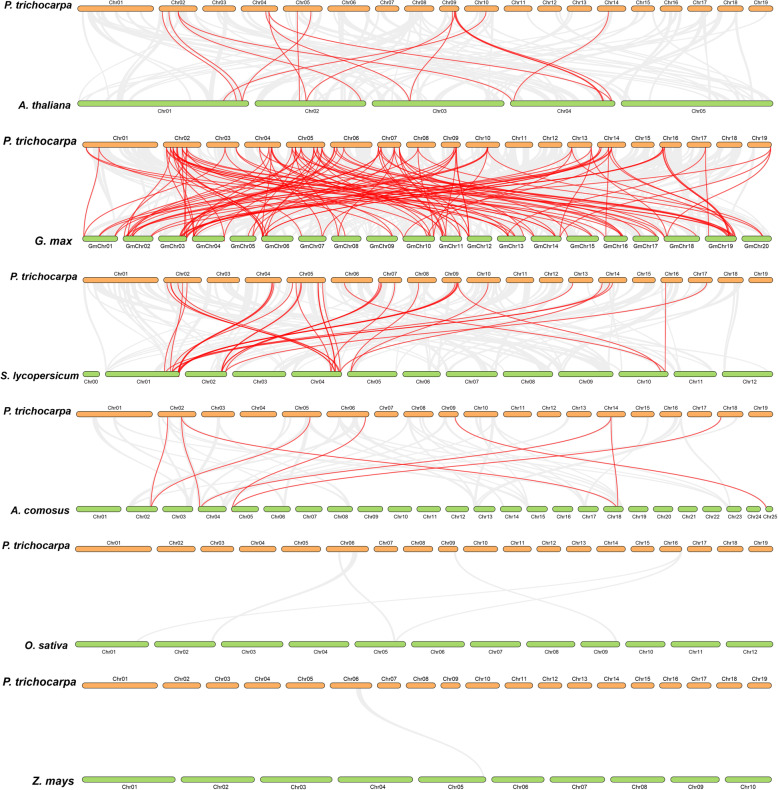
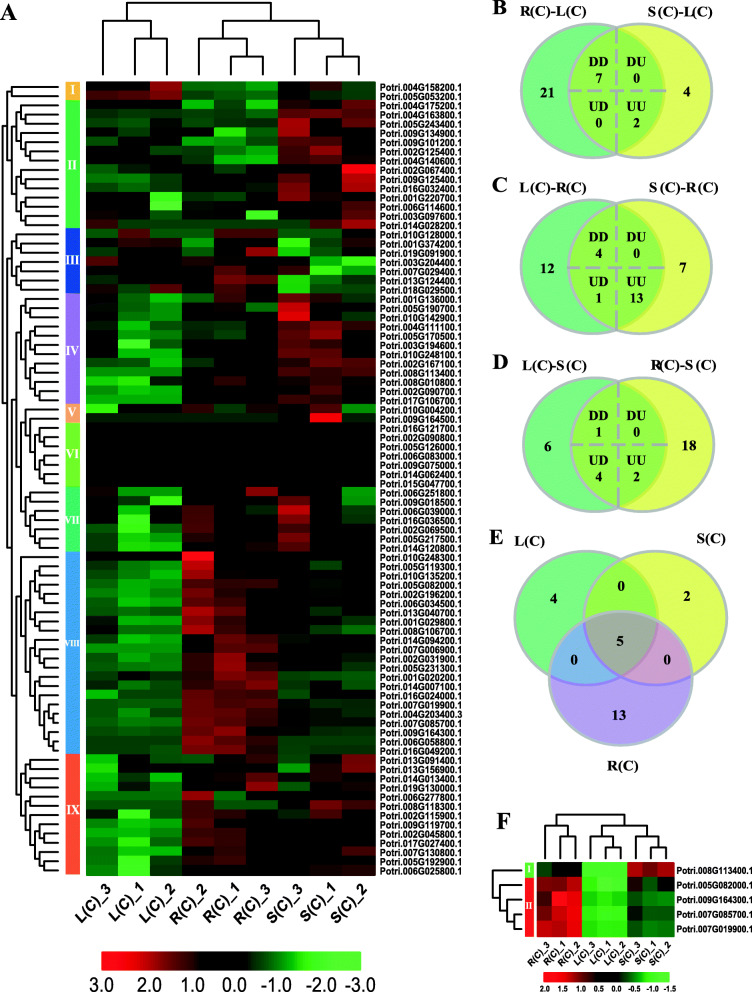
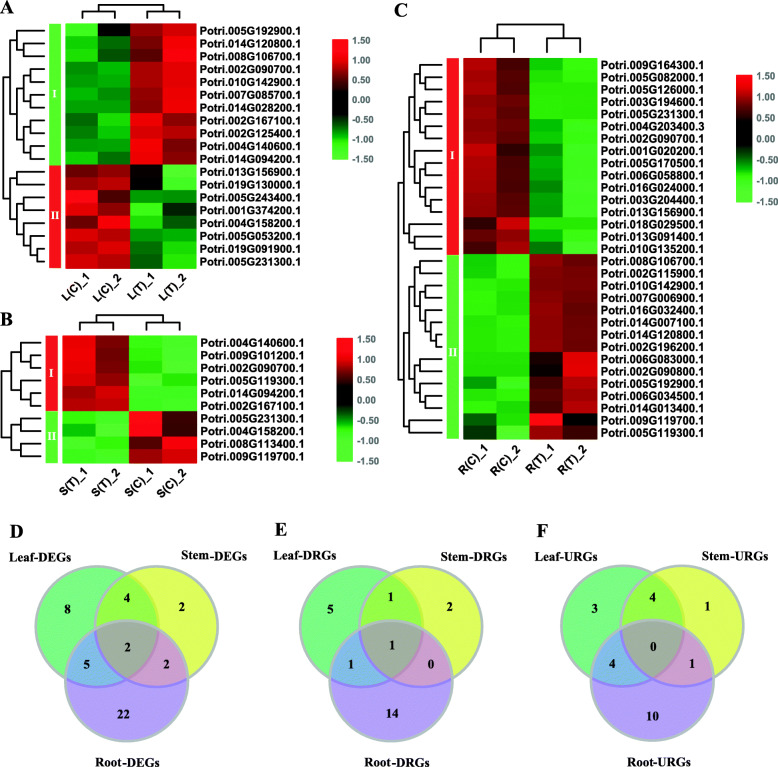
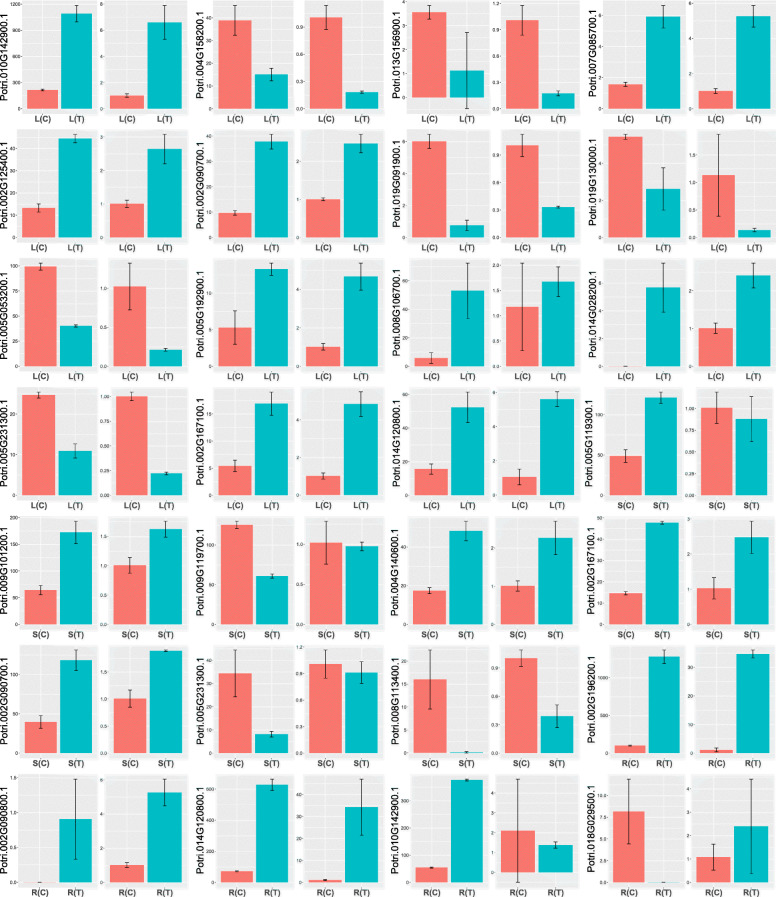
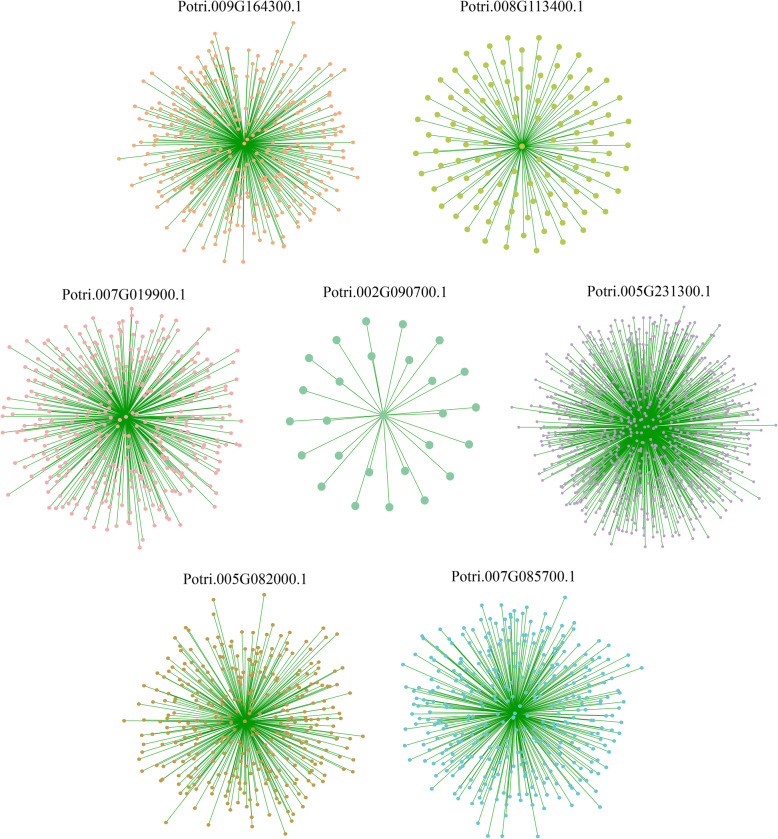
In this study, we identified 86 poplar bZIP transcription factors and described their conserved domains. According to the results of phylogenetic tree, we divided these members into 12 groups with specific gene structures and motif compositions. The corresponding genes that harbor a large number of segmental duplication events are unevenly distributed on the 17 poplar chromosomes. In addition, we further examined collinearity between these genes and the related genes from six other species. Evidence from transcriptomic data indicated that the bZIP genes in poplar displayed different expression patterns in roots, stems, and leaves. Furthermore, we identified 45 bZIP genes that respond to salt stress in the three tissues. We performed co-expression analysis on the representative genes, followed by gene set enrichment analysis. The results demonstrated that tissue differentially expressed genes, especially the co-expressing genes, are mainly involved in secondary metabolic and secondary metabolite biosynthetic processes. However, salt stress responsive genes and their co-expressing genes mainly participate in the regulation of metal ion transport, and methionine biosynthetic.
Using comparative genomics and systems biology approaches, we, for the first time, systematically explore the structures and functions of the bZIP gene family in poplar. It appears that the bZIP gene family plays significant roles in regulation of poplar development and growth and salt stress responses through differential gene networks or biological processes. These findings provide the foundation for genetic breeding by engineering target regulators and corresponding gene networks into poplar lines.
bZIP 基因家族广泛存在于植物中,参与多种生物学过程,包括生长发育和应激反应。基因如何调节这些生物学过程?系统生物学对于理解基因功能的机制非常有效。然而,在杨树中尚未有关于此类研究的报道。
在本研究中,我们鉴定了 86 个杨树 bZIP 转录因子,并描述了它们保守的结构域。根据系统发育树的结果,我们将这些成员分为 12 组,具有特定的基因结构和基序组成。含有大量片段复制事件的相应基因在 17 条杨树染色体上不均匀分布。此外,我们进一步检查了这些基因与来自其他六个物种的相关基因之间的共线性。转录组数据的证据表明,杨树中的 bZIP 基因在根、茎和叶中表现出不同的表达模式。此外,我们鉴定了 45 个响应三种组织中盐胁迫的 bZIP 基因。我们对代表性基因进行了共表达分析,并进行了基因集富集分析。结果表明,组织差异表达基因,特别是共表达基因,主要参与次生代谢和次生代谢物生物合成过程。然而,盐胁迫响应基因及其共表达基因主要参与金属离子转运和蛋氨酸生物合成的调节。
使用比较基因组学和系统生物学方法,我们首次系统地研究了杨树 bZIP 基因家族的结构和功能。bZIP 基因家族似乎通过差异基因网络或生物学过程在调节杨树发育、生长和盐胁迫反应方面发挥重要作用。这些发现为通过工程目标调节剂和相应的基因网络将杨树系遗传改良提供了基础。