Department of Biochemistry and Microbiology, University of Victoria, Victoria, Canada.
Department of Chemistry and Biochemistry, University of California San Diego, San Diego, United States.
Elife. 2021 Mar 4;10:e64691. doi: 10.7554/eLife.64691.
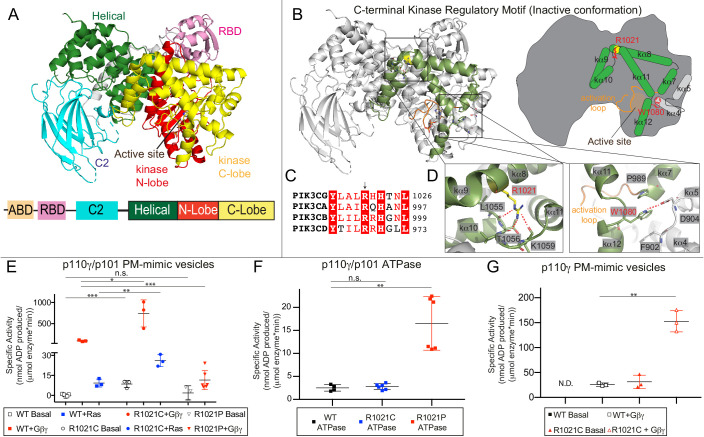
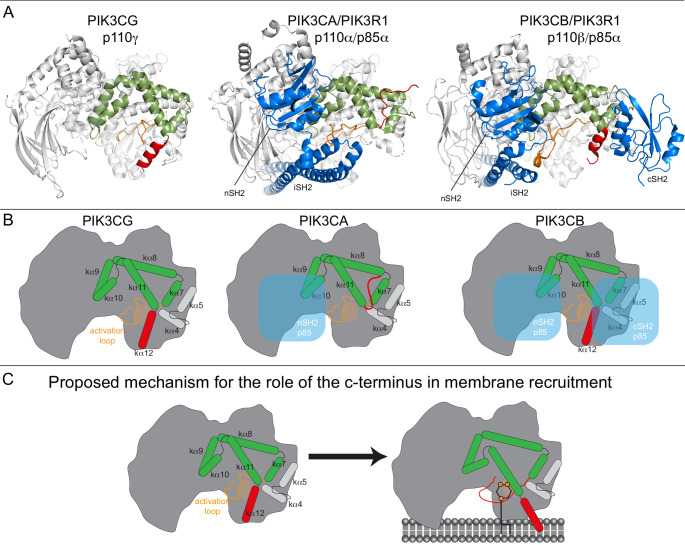
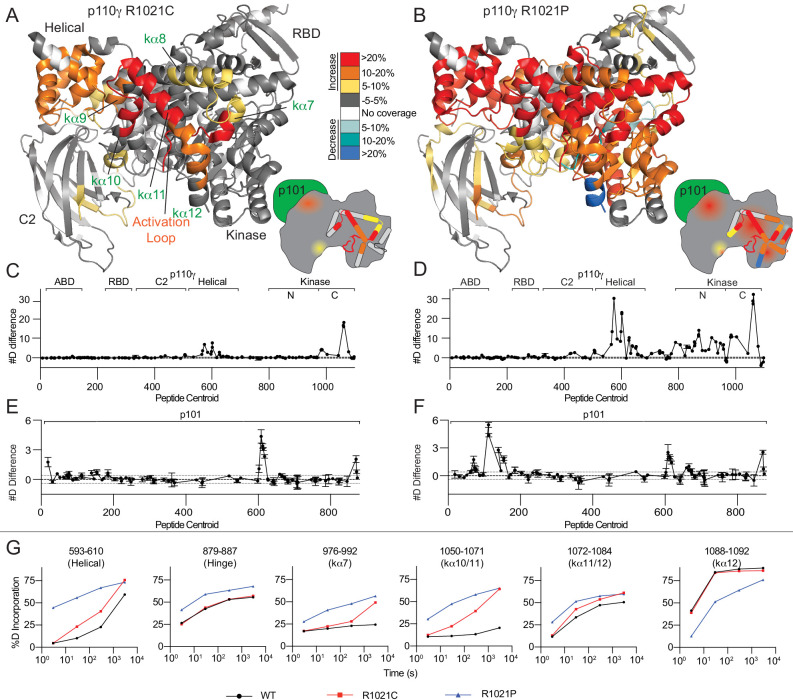
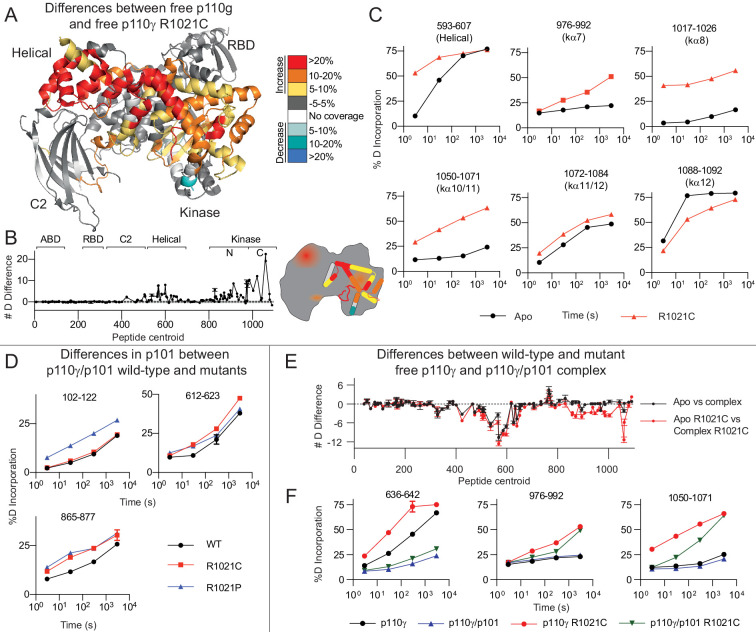
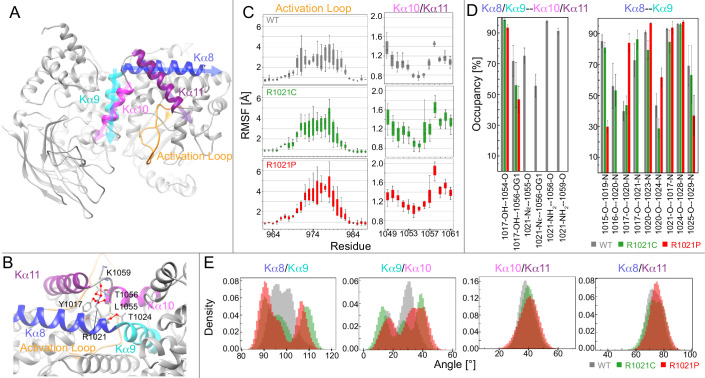
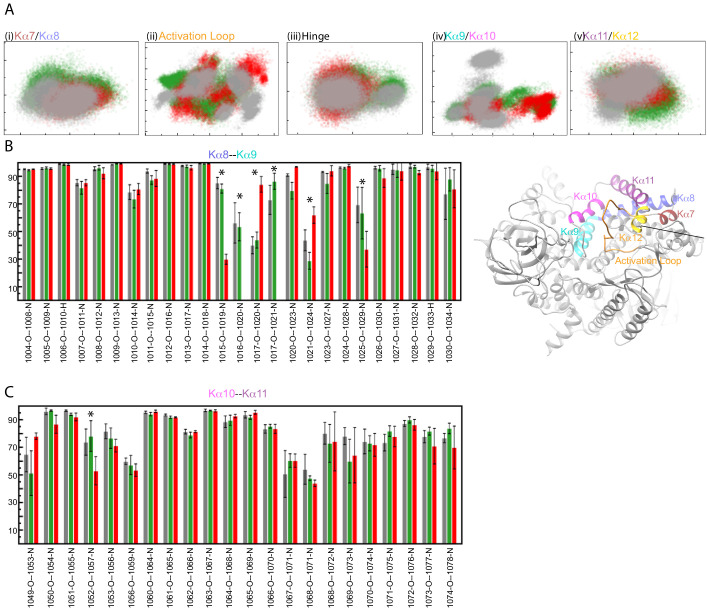
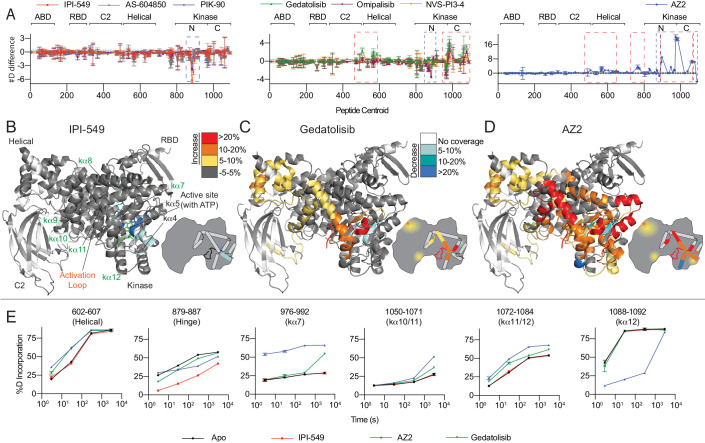
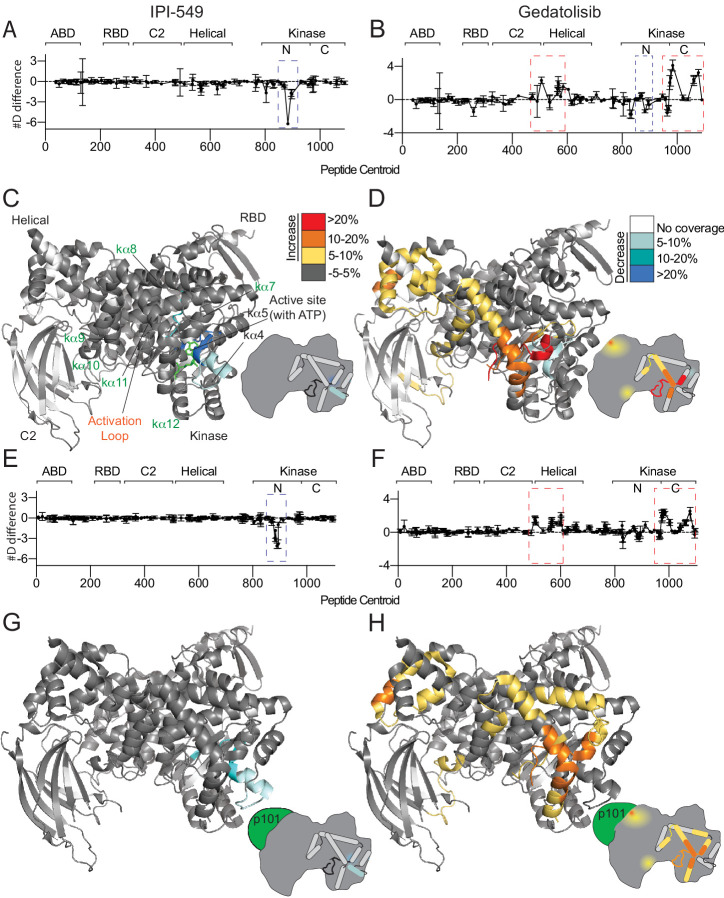
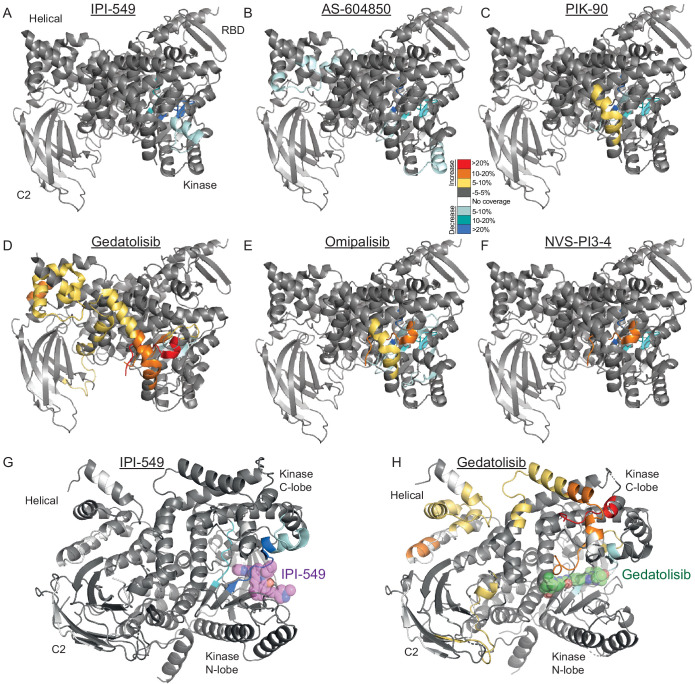
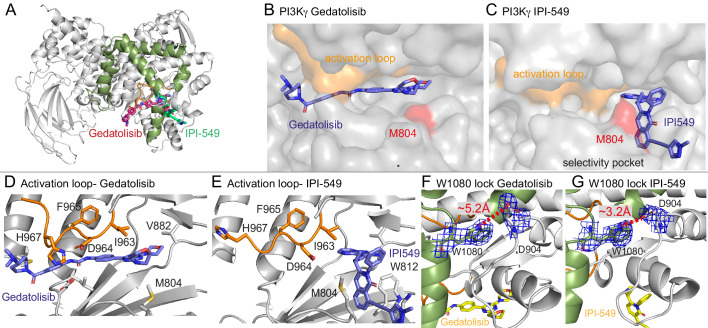
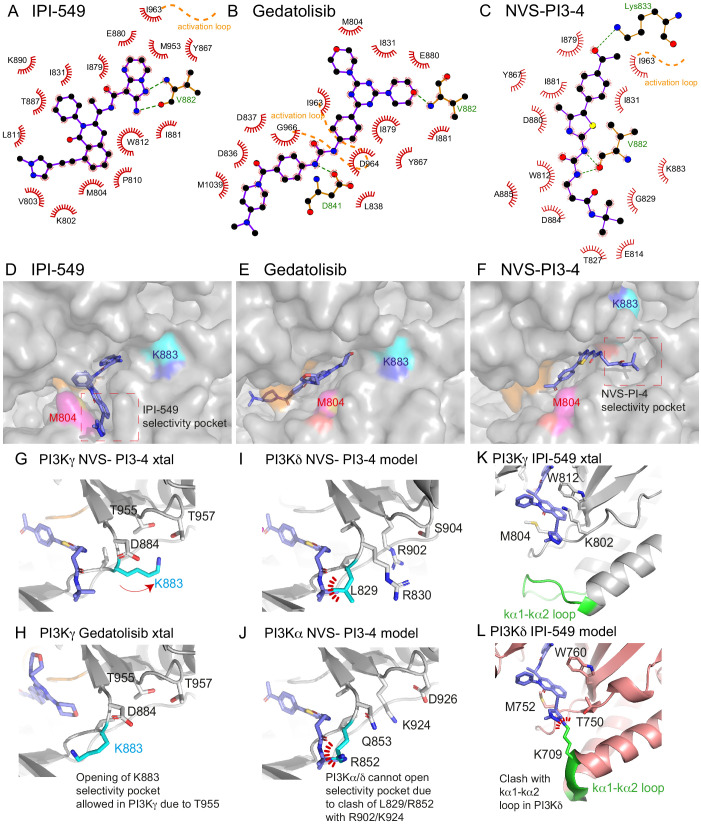
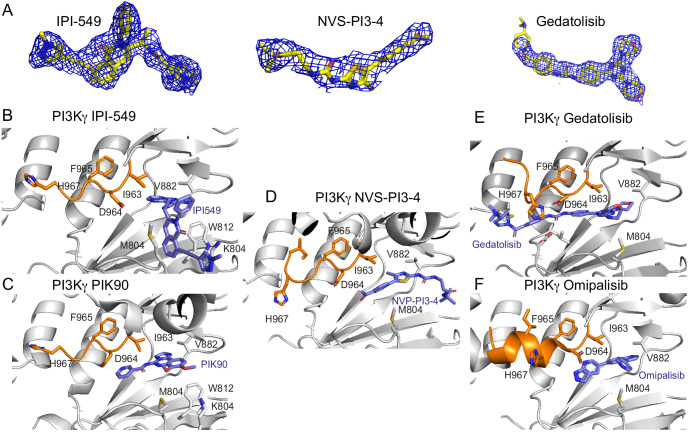
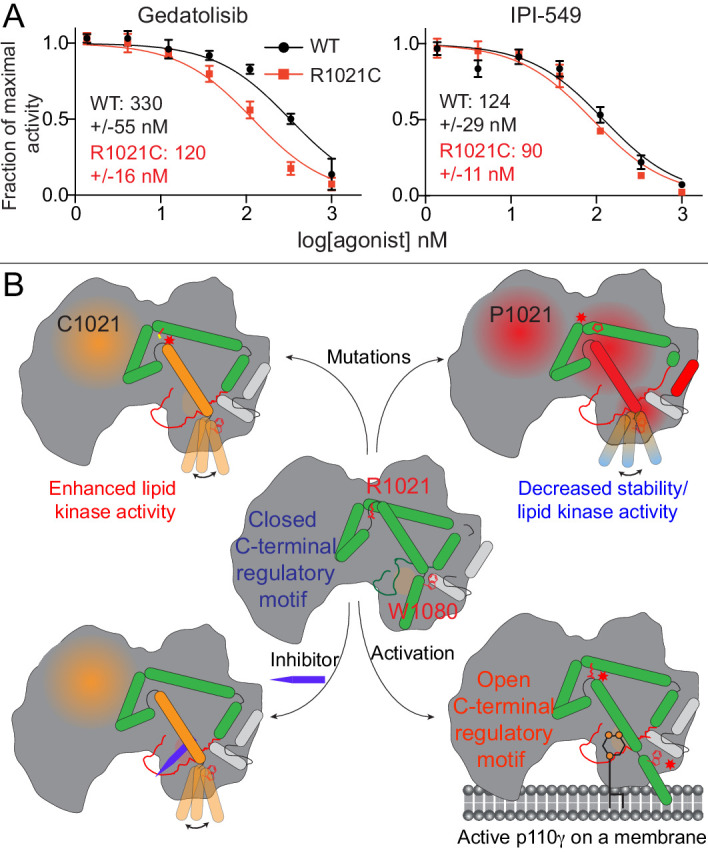
Class I Phosphoinositide 3-kinases (PI3Ks) are master regulators of cellular functions, with the class IB PI3K catalytic subunit (p110γ) playing key roles in immune signalling. p110γ is a key factor in inflammatory diseases and has been identified as a therapeutic target for cancers due to its immunomodulatory role. Using a combined biochemical/biophysical approach, we have revealed insight into regulation of kinase activity, specifically defining how immunodeficiency and oncogenic mutations of R1021 in the C-terminus can inactivate or activate enzyme activity. Screening of inhibitors using HDX-MS revealed that activation loop-binding inhibitors induce allosteric conformational changes that mimic those in the R1021C mutant. Structural analysis of advanced PI3K inhibitors in clinical development revealed novel binding pockets that can be exploited for further therapeutic development. Overall, this work provides unique insights into regulatory mechanisms that control PI3Kγ kinase activity and shows a framework for the design of PI3K isoform and mutant selective inhibitors.
I 类磷酸肌醇 3-激酶(PI3Ks)是细胞功能的主要调节剂,其中 I 类 IB PI3K 催化亚基(p110γ)在免疫信号中发挥关键作用。p110γ 是炎症性疾病的关键因素,由于其免疫调节作用,已被确定为癌症的治疗靶点。我们采用了一种组合的生化/生物物理方法,深入了解了激酶活性的调节,特别是如何定义 C 末端 R1021 处的免疫缺陷和致癌突变如何使酶活性失活或激活。使用 HDX-MS 对抑制剂进行筛选表明,激活环结合抑制剂诱导变构构象变化,模拟 R1021C 突变体中的构象变化。对处于临床开发阶段的先进 PI3K 抑制剂的结构分析揭示了新的结合口袋,可用于进一步的治疗开发。总的来说,这项工作提供了对控制 PI3Kγ 激酶活性的调节机制的独特见解,并为设计 PI3K 同工型和突变体选择性抑制剂提供了框架。