Michael G DeGroote Centre for Medicinal Cannabis Research and Peter Boris Centre for Addictions Research, McMaster University, Hamilton, ON, Canada; Department of Psychiatry and Behavioural Neurosciences, McMaster University, Canada; MacAnxiety Research Centre, McMaster University MacAnxiety Research Centre, McMaster University, Hamilton, ON, Canada.
MacAnxiety Research Centre, McMaster University MacAnxiety Research Centre, McMaster University, Hamilton, ON, Canada.
J Psychiatr Res. 2021 May;137:96-103. doi: 10.1016/j.jpsychires.2021.02.059. Epub 2021 Feb 28.
Multiple survey studies have demonstrated a mental health (MH) burden of COVID-19 globally. However, few studies have examined relevant risk factors for pandemic-related MH issues.
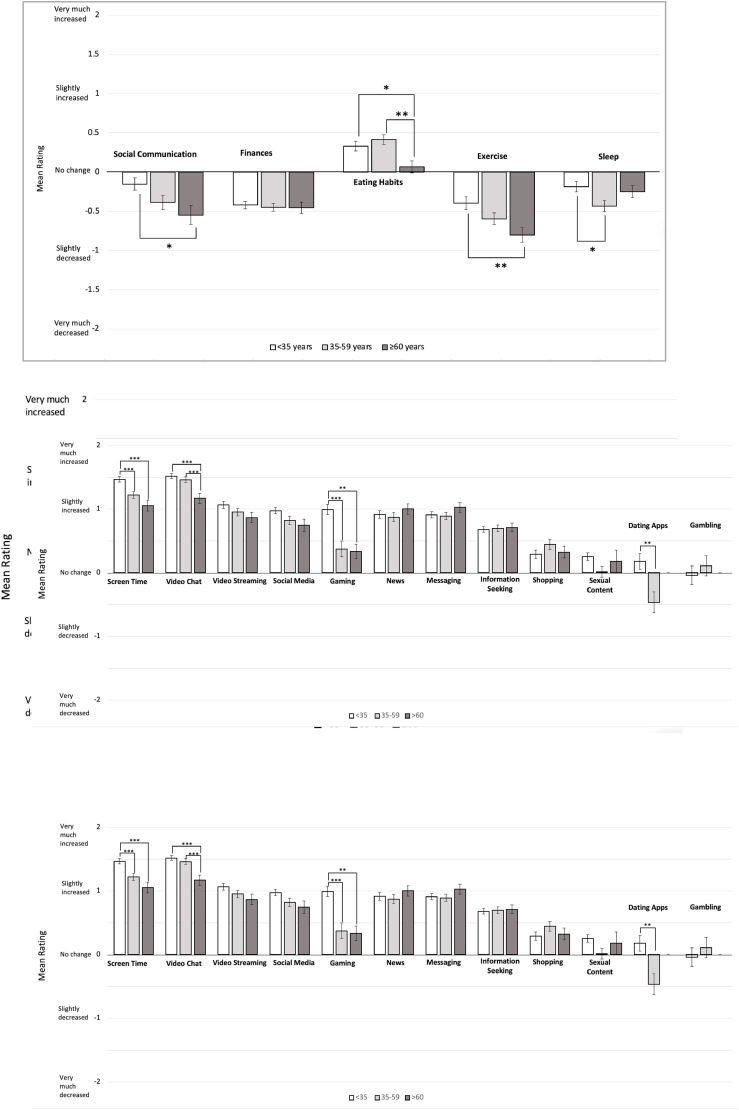
A link to an online survey was posted from April 8th - June 11th, 2020 which included questions regarding COVID-19 experience, perceived impact of the pandemic on life domains (e.g., social communication, finances), behavioural alterations (e.g., online activities, substance use), and MH treatment history. Current psychiatric symptom severity and impairment were evaluated using the Generalized Anxiety Disorder-7, Patient Health Questionnaire-9, and the Perceived Stress Scale.
Overall, 632 individuals (82% female, mean age:42.04 ± 16.56) in Canada and the United States completed the survey. While few reported contracting COVID-19 (0.5%), the impact of the pandemic was evident, with a vast majority reporting anxiety around COVID-19 infecting loved ones (88%). Almost half (43%) reported previous MH treatment and 31% met criteria for GAD, 29% for MDD and 63% reported significantly high levels of stress. Female sex, younger age and past MH treatment emerged as significant predictors of these issues(p < .01). Age-related differences in the impact of COVID-19 on life domains, substance use, and online activity were also noted.
The findings from the current sample add to the growing literature suggesting negative effects of COVID-19 on MH, while highlighting specific risk factors. Age may be an important factor in predicting MH during this pandemic.
多项调查研究表明,全球范围内 COVID-19 给人们带来了心理健康负担。然而,很少有研究关注与大流行相关的心理健康问题的相关风险因素。
2020 年 4 月 8 日至 6 月 11 日,我们发布了一个在线调查的链接,其中包括有关 COVID-19 经历、大流行对生活领域(如社交沟通、财务)的感知影响、行为改变(如在线活动、物质使用)和心理健康治疗史的问题。使用广泛性焦虑障碍 7 项量表、患者健康问卷 9 项量表和感知压力量表评估当前的精神症状严重程度和损害程度。
总体而言,加拿大和美国的 632 人(82%为女性,平均年龄:42.04±16.56)完成了调查。尽管很少有人报告感染 COVID-19(0.5%),但大流行的影响显而易见,绝大多数人担心 COVID-19 会感染亲人(88%)。近一半(43%)的人报告有以前的心理健康治疗史,31%的人符合广泛性焦虑症的标准,29%的人符合重度抑郁症的标准,63%的人报告压力明显较高。女性、年轻和以前的心理健康治疗是这些问题的显著预测因素(p<.01)。还注意到 COVID-19 对生活领域、物质使用和在线活动的影响在年龄上存在差异。
本研究样本的结果增加了越来越多的关于 COVID-19 对心理健康产生负面影响的文献,同时强调了特定的风险因素。年龄可能是预测大流行期间心理健康的一个重要因素。