Singh Dhireshan, Singh Moganavelli
Nano-Gene and Drug Delivery Group, Discipline of Biochemistry, University of KwaZulu-Natal, Private Bag X54001, Durban, South Africa.
Pharmaceutics. 2021 Feb 24;13(3):298. doi: 10.3390/pharmaceutics13030298.
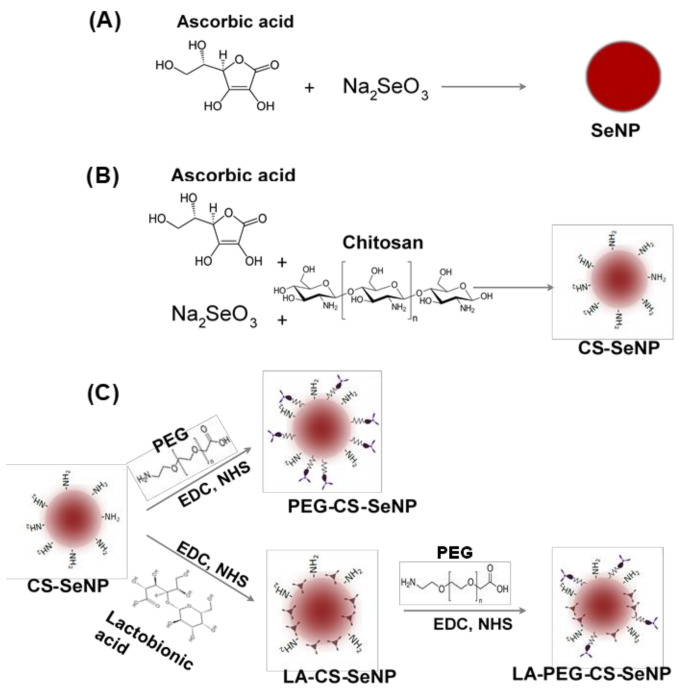
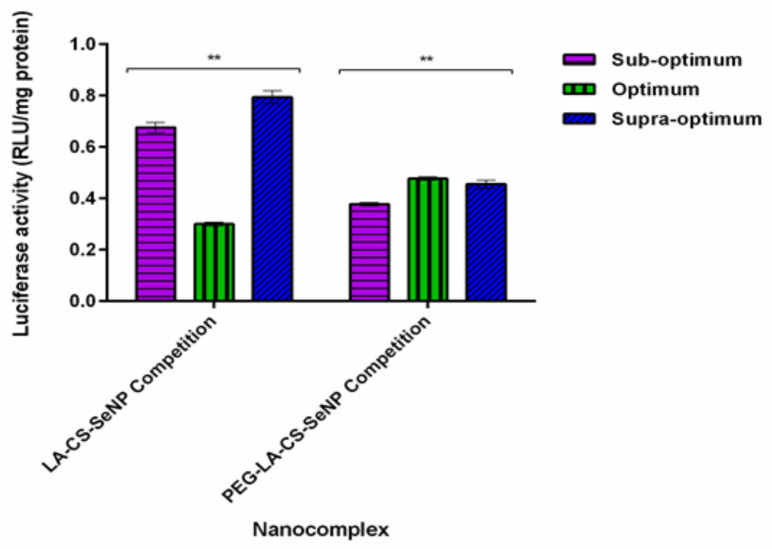
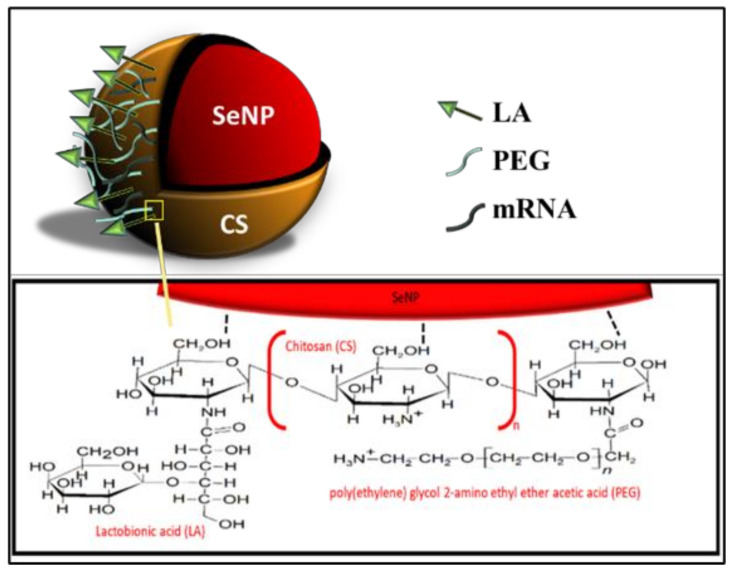
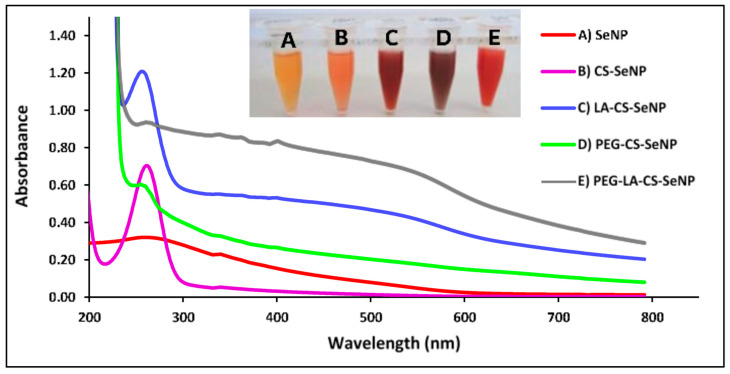
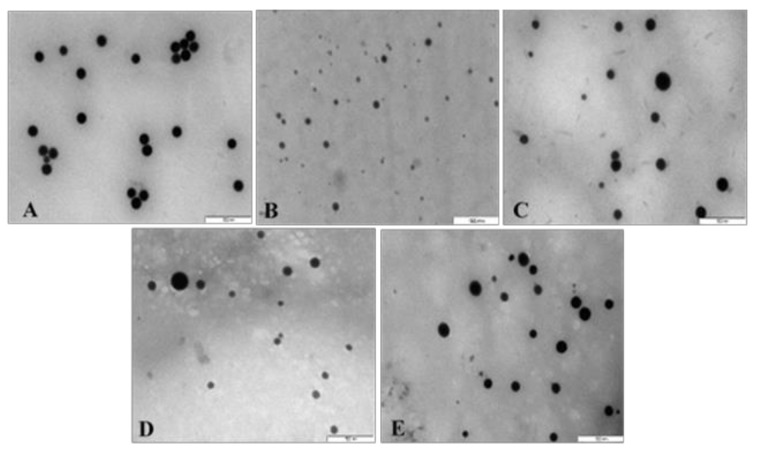
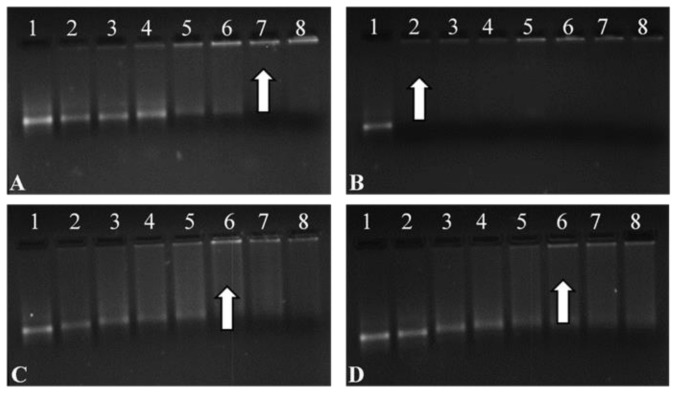
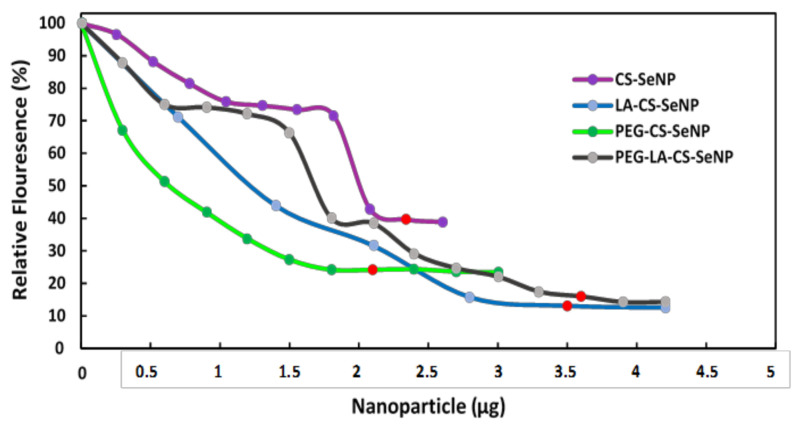
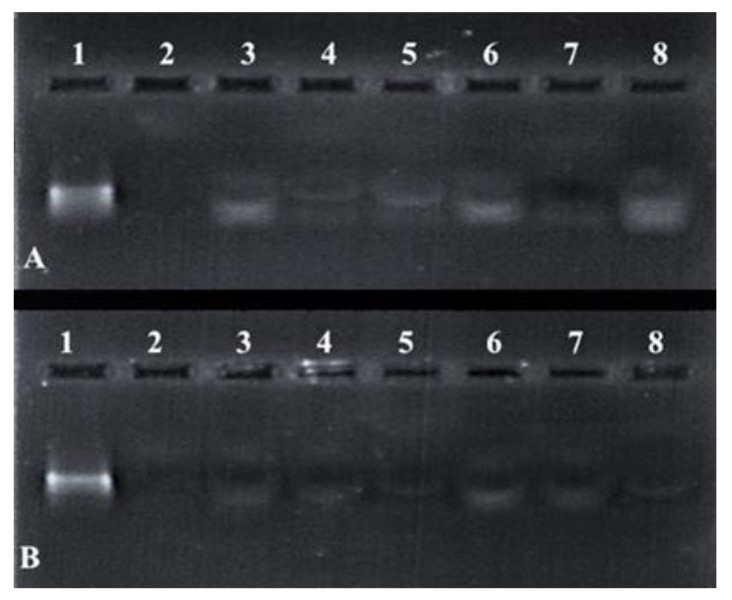
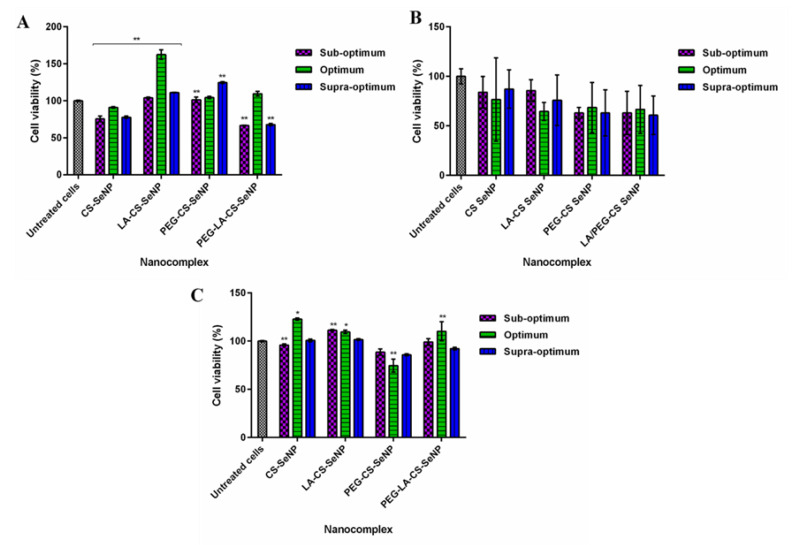
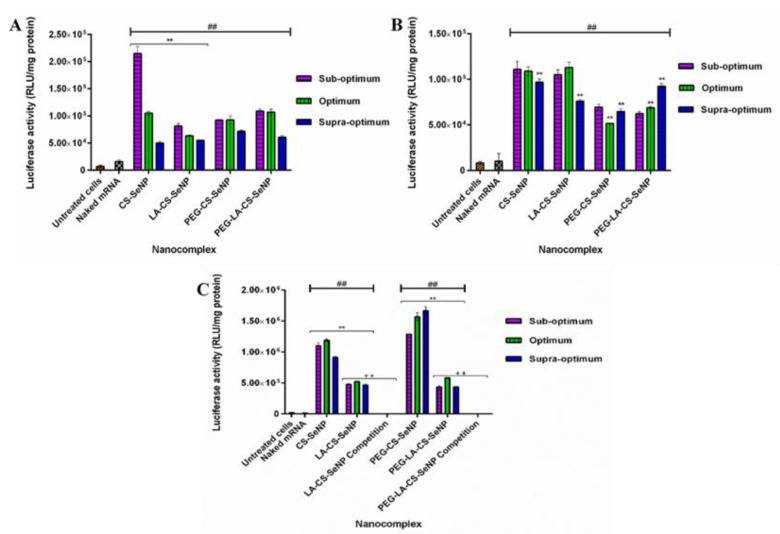
Selenium's (Se) chemopreventative and therapeutic properties have attracted attention in nanomedicine. Se nanoparticles (SeNPs) retain these properties of Se while possessing lower toxicity and higher bioavailability, potentiating their use in gene delivery. This study aimed to formulate SeNPs for efficient binding and targeted delivery of F-mRNA to hepatocellular carcinoma cells (HepG2) in vitro. The colorectal adenocarcinoma (Caco-2) and normal human embryonic kidney (HEK293) cells that do not have the asialoorosomucoid receptor (ASGPR) were utilized for comparison. SeNPs were functionalized with chitosan (CS), polyethylene glycol (PEG), and lactobionic acid (LA) for ASGPR targeting on HepG2 cells. Nanoparticles (NPs) and their mRNA-nanocomplexes were characterized by Fourier transform infra-red (FTIR) and UV-vis spectroscopy, transmission electron microscopy (TEM), and nanoparticle tracking analysis (NTA). Gel and fluorescence-based assays assessed the NP's ability to bind and protect FmRNA. Cytotoxicity was determined using the -(4,5-dimethythiazol-2-yl)-2,5-diphenyl tetrazolium bromide (MTT) assay, while transgene expression was evaluated using the luciferase reporter gene assay. All NPs appeared spherical with sizes ranging 57.2-130.0 nm and zeta potentials 14.9-31.4 mV. NPs bound, compacted, and protected the mRNA from nuclease digestion and showed negligible cytotoxicity in vitro. Targeted gene expression was highest in the HepG2 cells using the LA targeted NPs. These NPs portend to be efficient nanocarriers of nucleic acids and warrant further investigation.
硒(Se)的化学预防和治疗特性在纳米医学领域引起了关注。硒纳米颗粒(SeNPs)保留了硒的这些特性,同时毒性更低、生物利用度更高,这增强了它们在基因递送中的应用。本研究旨在制备SeNPs,以便在体外将F - mRNA有效结合并靶向递送至肝癌细胞(HepG2)。将不具有去唾液酸糖蛋白受体(ASGPR)的结肠腺癌(Caco - 2)细胞和正常人类胚胎肾(HEK293)细胞用于比较。用壳聚糖(CS)、聚乙二醇(PEG)和乳糖酸(LA)对SeNPs进行功能化,以靶向HepG2细胞上的ASGPR。通过傅里叶变换红外(FTIR)光谱、紫外 - 可见光谱、透射电子显微镜(TEM)和纳米颗粒跟踪分析(NTA)对纳米颗粒(NPs)及其mRNA - 纳米复合物进行表征。基于凝胶和荧光的分析评估了NP结合和保护FmRNA的能力。使用噻唑蓝(MTT)法测定细胞毒性,同时使用荧光素酶报告基因测定法评估转基因表达。所有NP均呈球形,尺寸范围为57.2 - 130.0 nm,zeta电位为14.9 - 31.4 mV。NP结合、压实并保护mRNA免受核酸酶消化,且在体外显示出可忽略不计的细胞毒性。使用LA靶向的NP时,HepG2细胞中的靶向基因表达最高。这些NP有望成为有效的核酸纳米载体,值得进一步研究。