Nanobioengineering Group, Institute for Bioengineering of Catalonia (IBEC), Barcelona Institute of Science and Technology (BIST), 12 Baldiri Reixac 15-21, 08028 Barcelona, Spain.
Centro de Investigación Biomédica en Red en Bioingeniería, Biomateriales y Nanomedicina (CIBER-BBN), Monforte de Lemos 3-5, Pabellón 11, 28029 Madrid, Spain.
Sensors (Basel). 2021 Feb 16;21(4):1382. doi: 10.3390/s21041382.
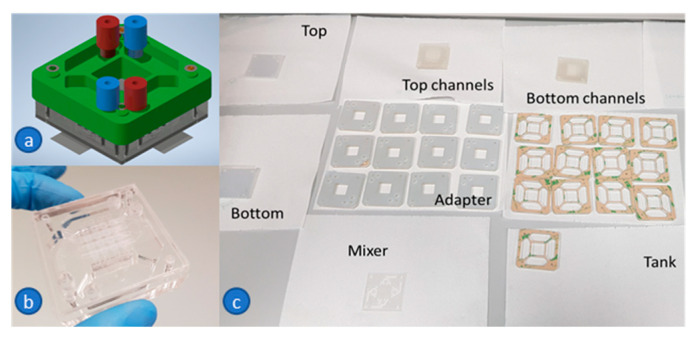
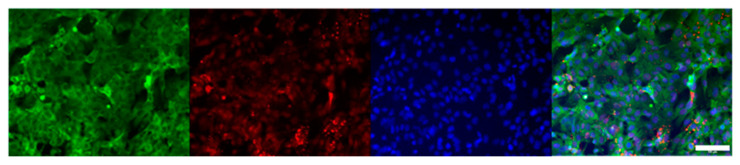
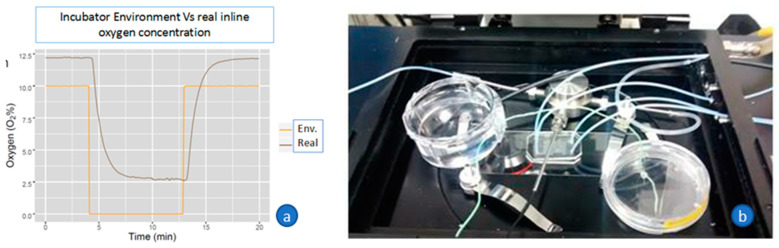
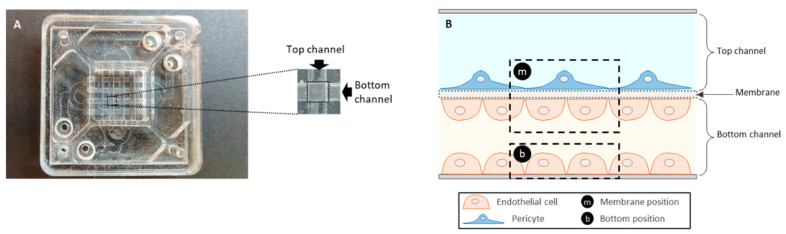
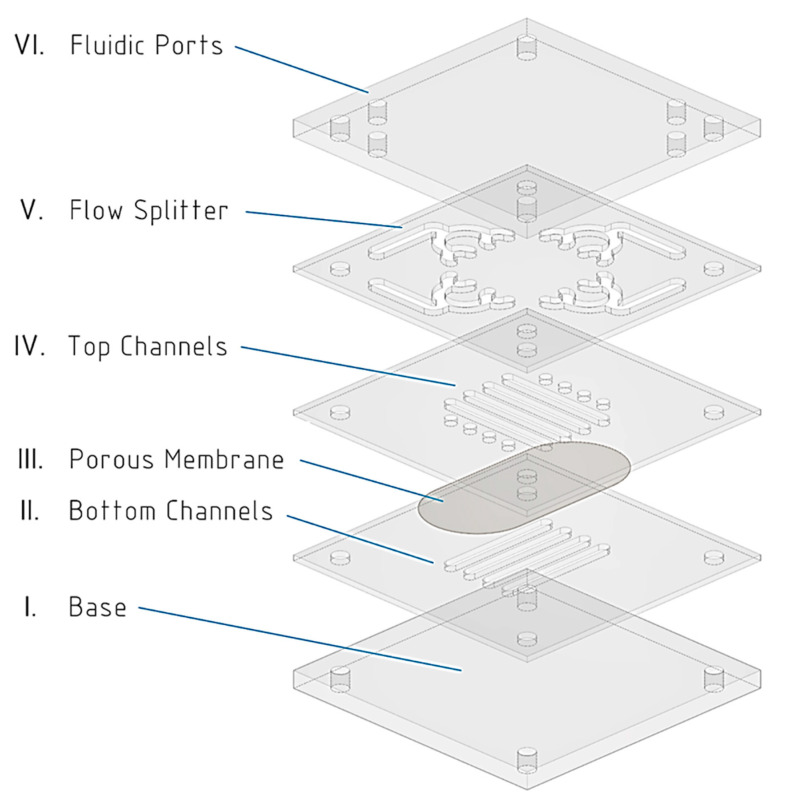
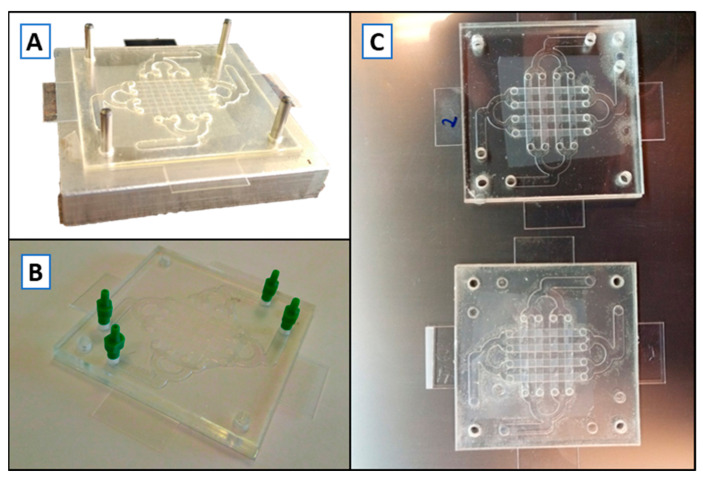
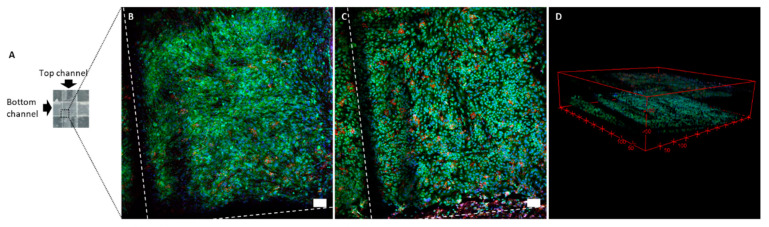
Microfabrication and Polydimethylsiloxane (PDMS) soft-lithography techniques became popular for microfluidic prototyping at the lab, but even after protocol optimization, fabrication is yet a long, laborious process and partly user-dependent. Furthermore, the time and money required for the master fabrication process, necessary at any design upgrade, is still elevated. Digital Manufacturing (DM) and Rapid-Prototyping (RP) for microfluidics applications arise as a solution to this and other limitations of photo and soft-lithography fabrication techniques. Particularly for this paper, we will focus on the use of subtractive DM techniques for Organ-on-a-Chip (OoC) applications. Main available thermoplastics for microfluidics are suggested as material choices for device fabrication. The aim of this review is to explore DM and RP technologies for fabrication of an OoC with an embedded membrane after the evaluation of the main limitations of PDMS soft-lithography strategy. Different material options are also reviewed, as well as various bonding strategies. Finally, a new functional OoC device is showed, defining protocols for its fabrication in Cyclic Olefin Polymer (COP) using two different RP technologies. Different cells are seeded in both sides of the membrane as a proof of concept to test the optical and fluidic properties of the device.
微制造和聚二甲基硅氧烷 (PDMS) 软光刻技术在实验室中成为微流控原型制作的热门选择,但即使经过协议优化,制造仍然是一个漫长而繁琐的过程,部分取决于用户。此外,任何设计升级都需要的主制造工艺所需的时间和资金仍然很高。数字制造 (DM) 和微流控应用的快速原型制作 (RP) 为解决这一问题和其他光刻和软光刻制造技术的限制提供了一种解决方案。特别是对于本文,我们将重点关注使用减法 DM 技术进行类器官芯片 (OoC) 应用。建议将主要用于微流控的热塑性塑料作为器件制造的材料选择。本综述的目的是探讨 DM 和 RP 技术在评估 PDMS 软光刻策略的主要限制后用于制造嵌入膜的 OoC。还回顾了不同的材料选择以及各种键合策略。最后,展示了一种新的功能性 OoC 设备,定义了使用两种不同的 RP 技术在环烯烃聚合物 (COP) 中制造该设备的方案。在膜的两侧接种不同的细胞,作为测试设备光学和流体特性的概念验证。