Hrdlickova Lucie, Polakova Kristyna, Loucka Martin
Department of Pediatric Hematology and Oncology, University Hospital Motol, 156 00 Prague, Czech Republic.
Pediatric Supportive and Palliative Care Team, University Hospital Motol, 156 00 Prague, Czech Republic.
Children (Basel). 2021 Feb 22;8(2):166. doi: 10.3390/children8020166.
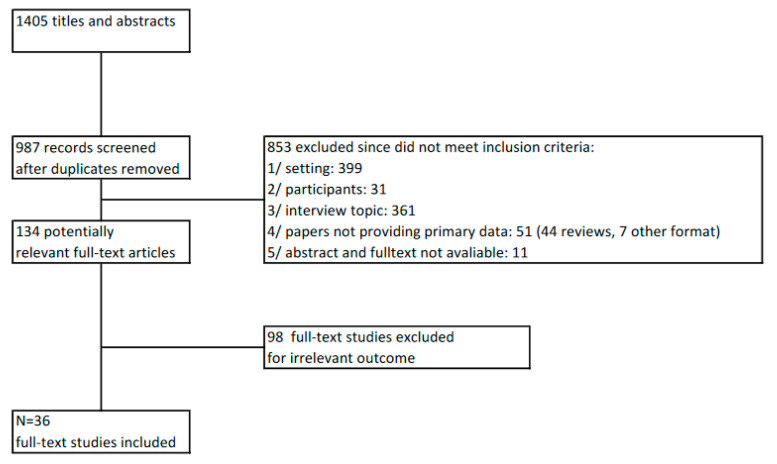
Delivering serious news presents a major challenge for clinical practice in pediatric oncology due to the complexity of the communication process and a number of aspects that influence how the serious news is delivered and received. This study aims to review and explore the aspects influencing the delivery of serious news in pediatric oncology from the perspective of physicians, parents, siblings and patients themselves. The MEDLINE, Embase, Scopus, Cochrane Library, PsycInfo and Medvik databases were systematically searched for relevant articles published from 1990 to 2017. Following the Preferred Reporting Items for Systematic Review and Meta-analysis extension for scoping reviews (PRISMA-ScR) guidelines, 36 original papers were included. Identified aspects of communication were categorized into six thematic groups: initial setting, physician's approach, information exchange, parental role, illness related aspects and age of the ill child. The importance of the aspects is perceived differently by parents, patients, siblings and physicians. This scoping review highlights that delivering serious news requires an individualized approach towards the patient and the family. Ten key objectives built upon the results of the literature review offer guidance for daily clinical practice in communication with pediatric patients and their families.
由于沟通流程的复杂性以及诸多影响坏消息传递和接收方式的因素,传递坏消息给儿科肿瘤学临床实践带来了重大挑战。本研究旨在从医生、父母、兄弟姐妹以及患者自身的角度,回顾和探讨影响儿科肿瘤学中坏消息传递的因素。对MEDLINE、Embase、Scopus、Cochrane图书馆、PsycInfo和Medvik数据库进行了系统检索,以查找1990年至2017年发表的相关文章。按照系统评价和Meta分析扩展版的范围综述(PRISMA-ScR)指南,纳入了36篇原创论文。确定的沟通方面被分为六个主题组:初始环境、医生的方法、信息交流、父母的角色、疾病相关方面以及患病儿童的年龄。父母、患者、兄弟姐妹和医生对这些方面的重要性有不同的看法。本范围综述强调,传递坏消息需要针对患者及其家庭采取个性化方法。基于文献综述结果得出的十个关键目标为与儿科患者及其家庭沟通的日常临床实践提供了指导。