Blazin Lindsay J, Cecchini Cherilyn, Habashy Catherine, Kaye Erica C, Baker Justin N
Department of Oncology, Division of Quality of Life and Palliative Care, St. Jude Children's Research Hospital, Memphis, TN 38105, USA.
Department of Pediatrics, Children's National Medical Center, Washington, DC 20010, USA.
Children (Basel). 2018 Mar 11;5(3):40. doi: 10.3390/children5030040.
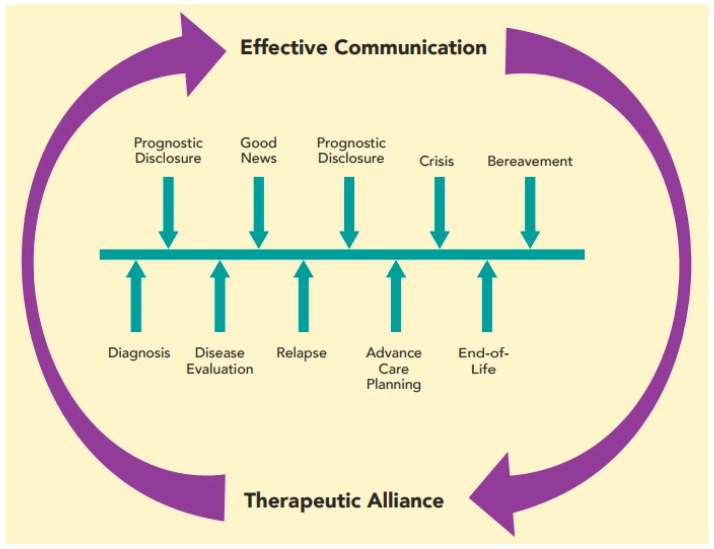
Effective communication is essential to the practice of pediatric oncology. Clear and empathic delivery of diagnostic and prognostic information positively impacts the ways in which patients and families cope. Honest, compassionate discussions regarding goals of care and hopes for patients approaching end of life can provide healing when other therapies have failed. Effective communication and the positive relationships it fosters also can provide comfort to families grieving the loss of a child. A robust body of evidence demonstrates the benefits of optimal communication for patients, families, and healthcare providers. This review aims to identify key communication skills that healthcare providers can employ throughout the illness journey to provide information, encourage shared decision-making, promote therapeutic alliance, and empathically address end-of-life concerns. By reviewing the relevant evidence and providing practical tips for skill development, we strive to help healthcare providers understand the value of effective communication and master these critical skills.
有效的沟通对于儿科肿瘤学实践至关重要。清晰且富有同理心的诊断和预后信息传递会对患者及其家庭的应对方式产生积极影响。关于临终患者的护理目标和期望进行诚实、富有同情心的讨论,在其他治疗方法失败时能带来慰藉。有效的沟通及其所促进的积极关系也能在家庭因孩子离世而悲痛时给予安慰。大量证据表明最佳沟通对患者、家庭和医疗服务提供者都有益处。本综述旨在确定医疗服务提供者在整个疾病过程中可运用的关键沟通技巧,以提供信息、鼓励共同决策、促进治疗联盟并富有同理心地处理临终关怀问题。通过回顾相关证据并提供技能发展的实用建议,我们努力帮助医疗服务提供者理解有效沟通的价值并掌握这些关键技能。