Amity Institute of Information Technology, Amity University, Noida 201313, India.
Center for Computational Biology and Bioinformatics, Amity University, Noida 201313, India.
Sensors (Basel). 2021 Feb 22;21(4):1527. doi: 10.3390/s21041527.
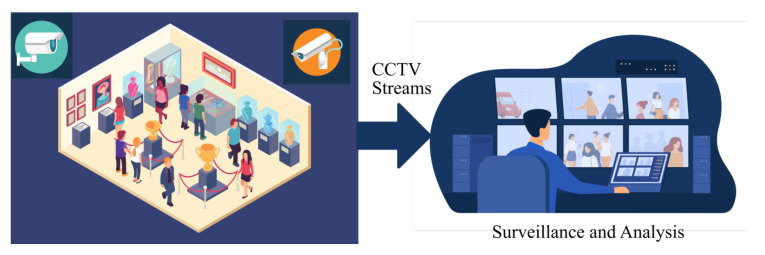
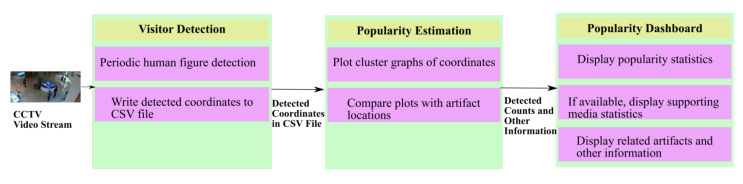
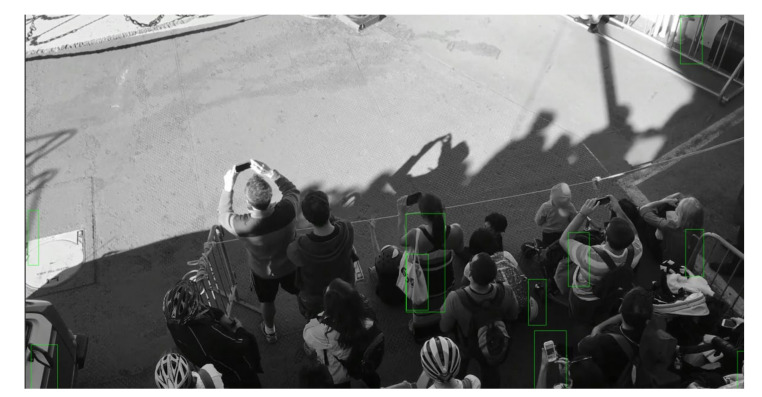
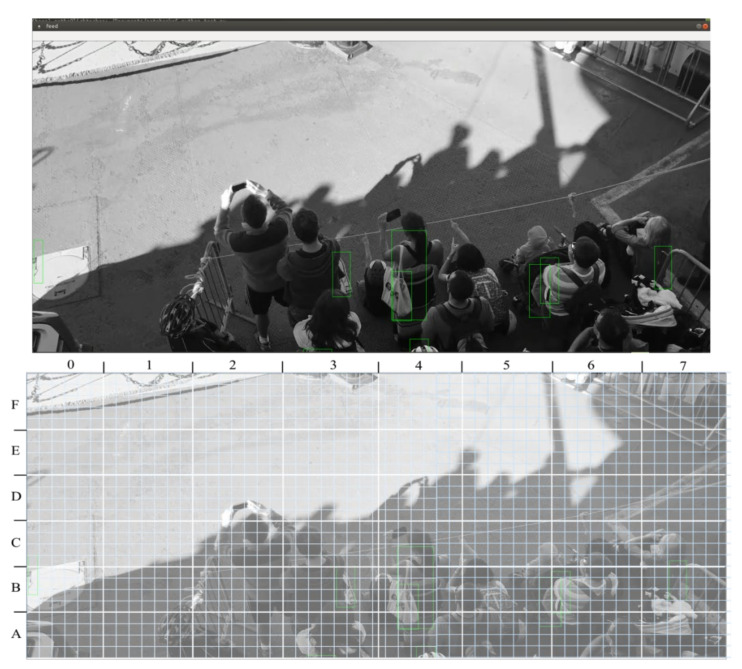
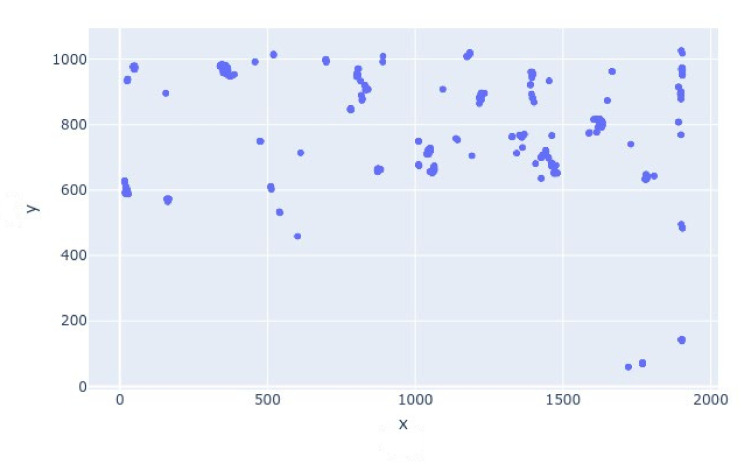
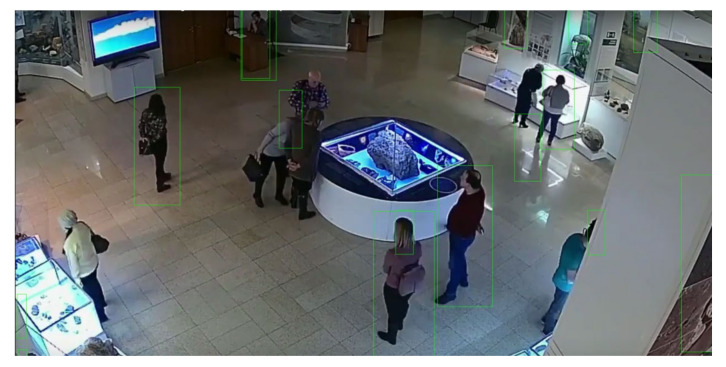
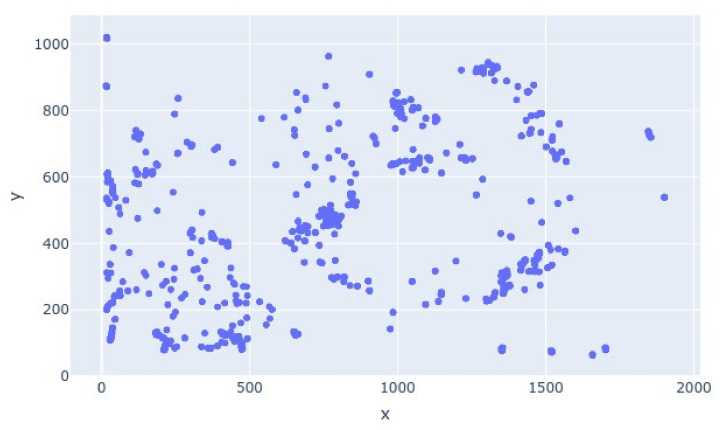
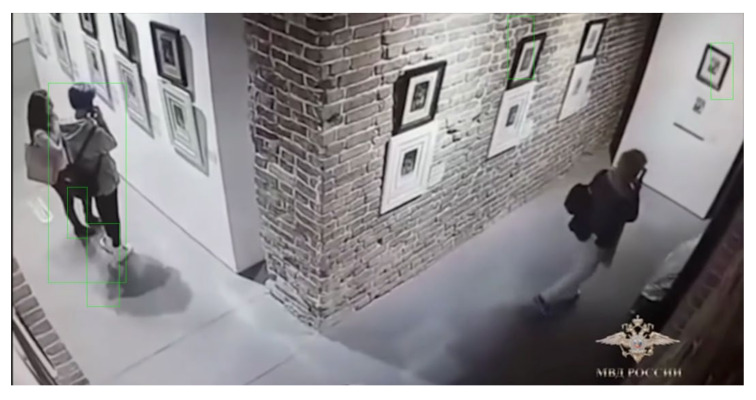
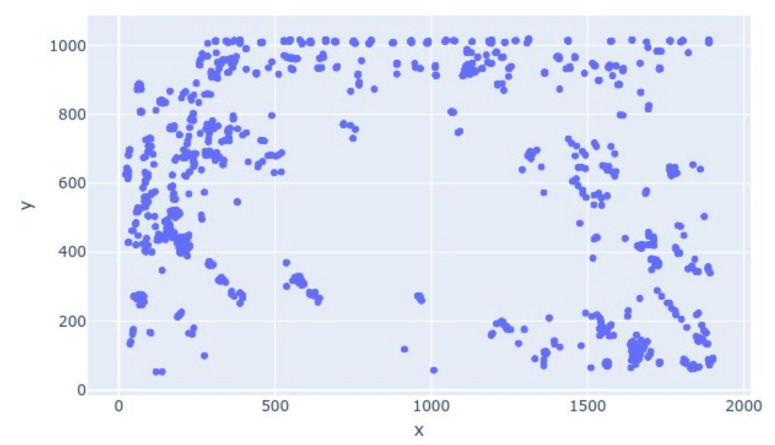
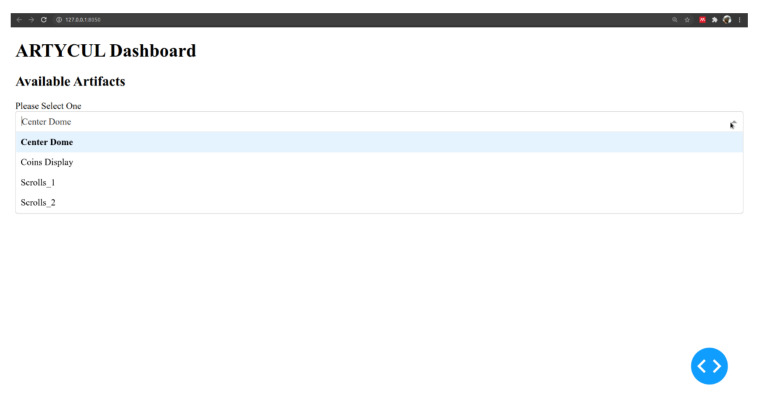
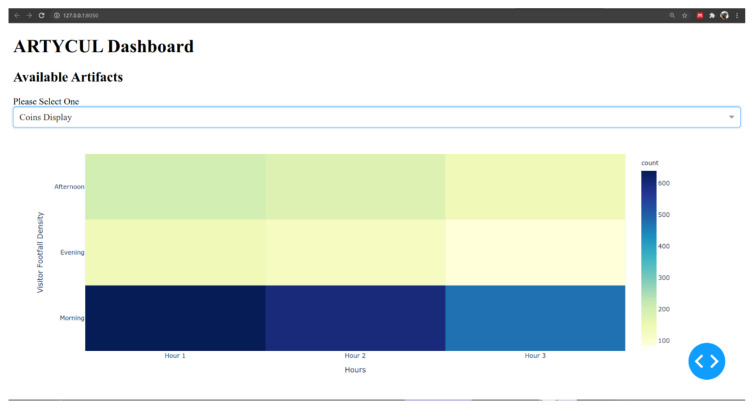
We present ARTYCUL (ARTifact popularitY for CULtural heritage), a machine learning(ML)-based framework that graphically represents the footfall around an artifact on display at a museum or a heritage site. The driving factor of this framework was the fact that the presence of security cameras has become universal, including at sites of cultural heritage. ARTYCUL used the video streams of closed-circuit televisions (CCTV) cameras installed in such premises to detect human figures, and their coordinates with respect to the camera frames were used to visualize the density of visitors around the specific display items. Such a framework that can display the popularity of artifacts would aid the curators towards a more optimal organization. Moreover, it could also help to gauge if a certain display item were neglected due to incorrect placement. While items of similar interest can be placed in vicinity of each other, an online recommendation system may also use the reputation of an artifact to catch the eye of the visitors. Artificial intelligence-based solutions are well suited for analysis of internet of things (IoT) traffic due to the inherent veracity and volatile nature of the transmissions. The work done for the development of ARTYCUL provided a deeper insight into the avenues for applications of IoT technology to the cultural heritage domain, and suitability of ML to process real-time data at a fast pace. While we also observed common issues that hinder the utilization of IoT in the cultural domain, the proposed framework was designed keeping in mind the same obstacles and a preference for backward compatibility.
我们提出了 ARTYCUL(用于文化遗产的人工制品流行度),这是一个基于机器学习(ML)的框架,它以图形方式表示博物馆或遗产地展示的人工制品周围的人流量。该框架的驱动因素是这样一个事实,即闭路电视(CCTV)摄像头的存在已经变得普遍,包括在文化遗产场所。ARTYCUL 使用安装在这些场所的闭路电视(CCTV)摄像机的视频流来检测人体,并用它们相对于摄像机帧的坐标来可视化特定显示项目周围访客的密度。这样一个可以显示人工制品受欢迎程度的框架将有助于馆长进行更优化的组织。此外,它还可以帮助评估由于放置不当而被忽视的特定展示物品。虽然类似兴趣的物品可以放置在一起,但在线推荐系统也可以使用人工制品的声誉来吸引访客的注意。基于人工智能的解决方案非常适合分析物联网(IoT)流量,因为传输具有内在的真实性和易变性。为开发 ARTYCUL 所做的工作深入了解了将物联网技术应用于文化遗产领域的途径,以及 ML 以快速的速度处理实时数据的适用性。虽然我们也观察到了阻碍物联网在文化领域应用的常见问题,但所提出的框架在设计时考虑了同样的障碍,并优先考虑向后兼容性。