Martins Paula M M, Wood Thomas K, de Souza Alessandra A
Department of Chemical Engineering, Pennsylvania State University, University Park, PA 16802, USA.
Biotechnology Laboratory, Centro de Citricultura Sylvio Moreira, Instituto Agronômico de Campinas, Rodovia Anhanguera Km 158, Cordeirópolis-SP 13490-000, Brazil.
Microorganisms. 2021 Feb 14;9(2):384. doi: 10.3390/microorganisms9020384.
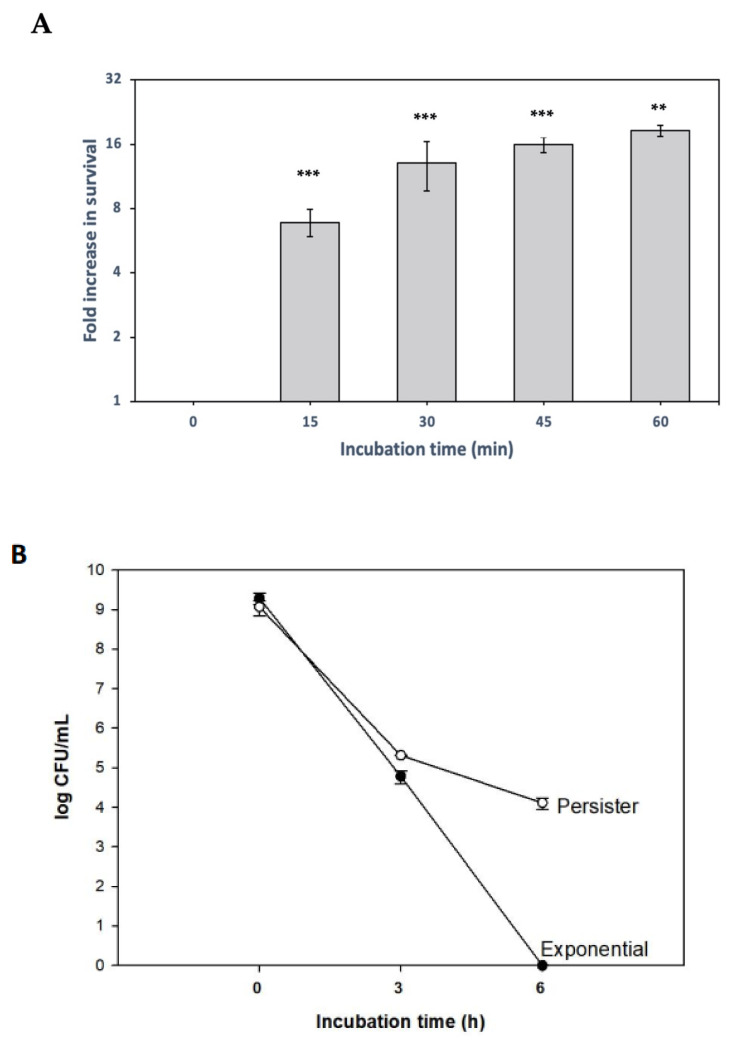
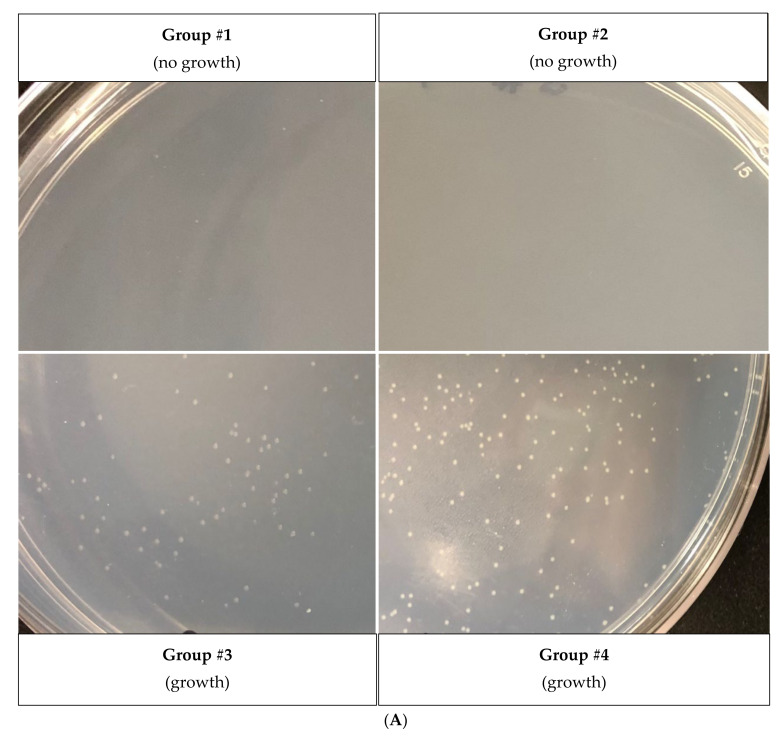
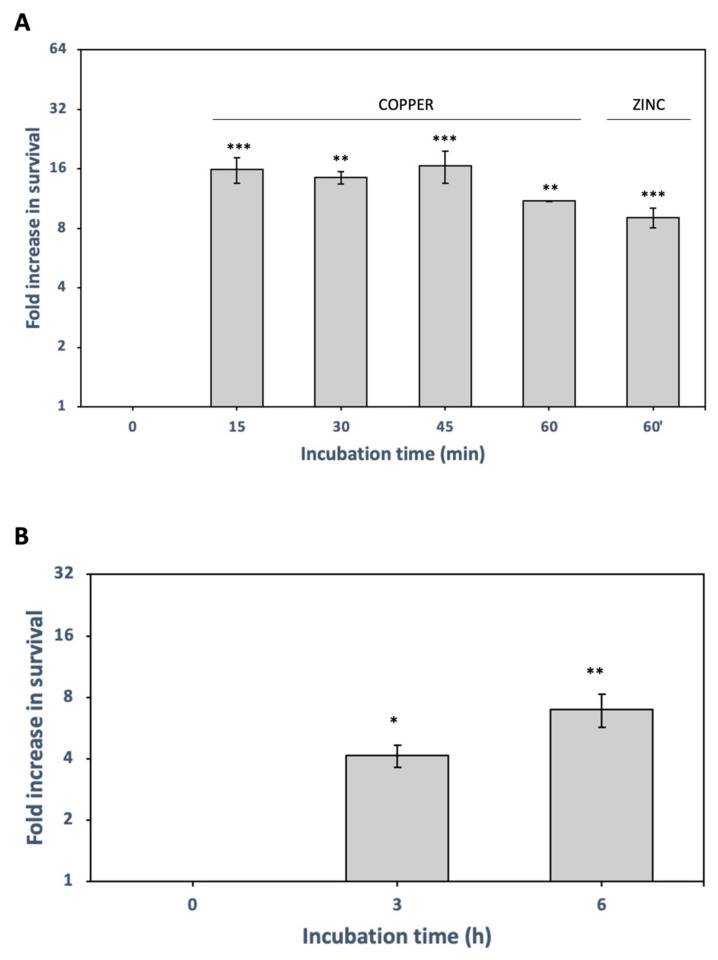
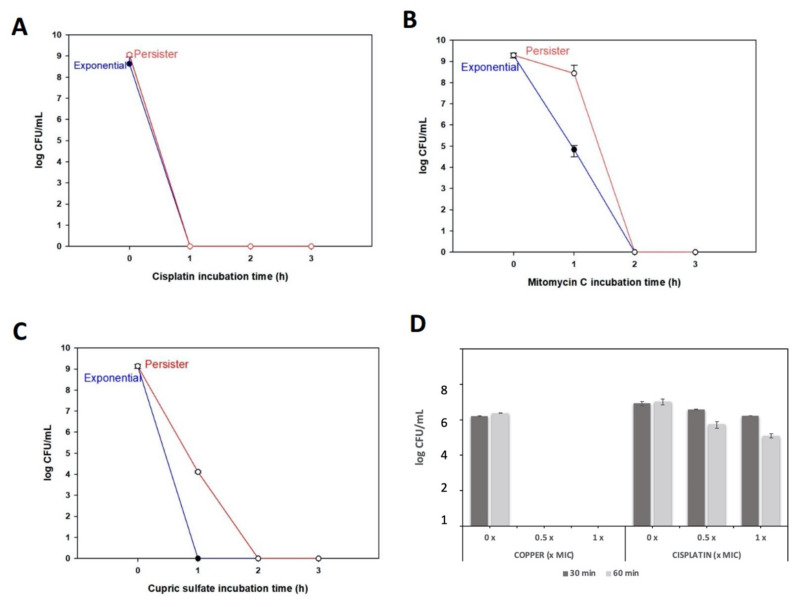
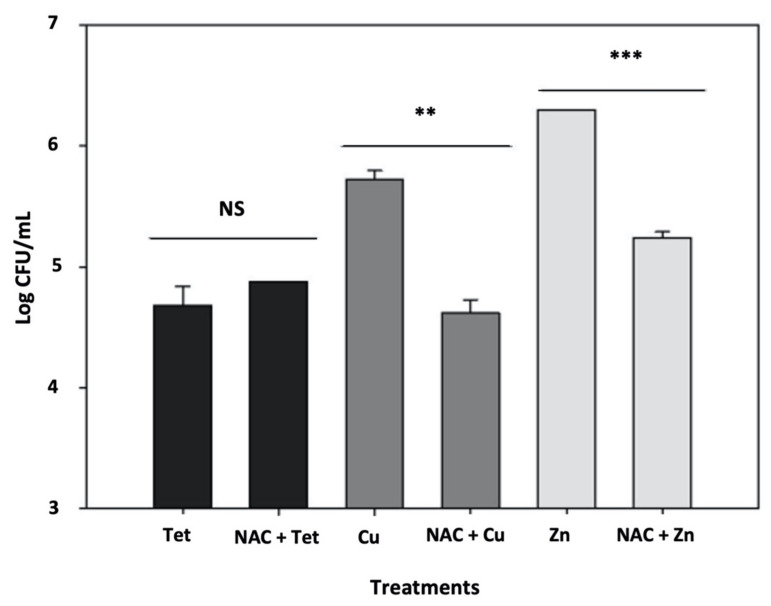
Citrus canker disease, caused by the bacterium subsp. is a constant threat to citrus-producing areas. Since it has no cure, agricultural practices to restrain its dissemination are essential to reduce the economic damage. Hence, increased knowledge of the basic aspects of biology could lead to more efficient management practices that can eliminate dormant bacteria in the field. The dormant cells, also referred to as persisters, are phenotypic variants with lowered metabolism, which in turn leads to tolerance to antimicrobials and undermines existing control approaches. We show here that forms persisters, identifying triggers for this phenotype, including antibiotics, high temperature, and metals (copper and zinc), which increase persistence rates by 10-100 times. The antioxidant N-acetylcysteine reduced copper and zinc-induced persisters, but not those induced by tetracycline, indicating that oxidative stress may be an important inducer of persistence. In addition, we found that metabolism-independent drugs like cisplatin and mitomycin C are able to eliminate persistent cells, as well as copper, at high concentrations. Specific amino acids like proline and isoleucine interfered with the physiological balance of the dormancy in , stimulating or preventing persister resuscitation. Taken together, we discover chemicals that can induce, wake, and kill persister cells; these results provide insights that should be considered for more efficient integrated control management in the field.
柑橘溃疡病由细菌亚种引起,对柑橘种植区构成持续威胁。由于该病无法治愈,限制其传播的农业措施对于减少经济损失至关重要。因此,增加对该细菌生物学基本方面的了解可能会带来更有效的管理措施,从而消除田间的休眠细菌。休眠细胞,也称为持留菌,是代谢降低的表型变体,这反过来又导致其对抗菌剂产生耐受性,并削弱现有的控制方法。我们在此表明,该细菌会形成持留菌,确定了这种表型的触发因素,包括抗生素、高温和金属(铜和锌),这些因素会使持留菌形成率提高10至100倍。抗氧化剂N-乙酰半胱氨酸可减少铜和锌诱导的持留菌,但不能减少四环素诱导的持留菌,这表明氧化应激可能是该细菌持留的重要诱导因素。此外,我们发现顺铂和丝裂霉素C等不依赖代谢的药物能够在高浓度下消除该细菌的持留细胞以及铜。脯氨酸和异亮氨酸等特定氨基酸会干扰该细菌休眠的生理平衡,刺激或阻止持留菌复苏。综上所述,我们发现了能够诱导、唤醒和杀死该细菌持留细胞的化学物质;这些结果为田间更有效的综合防治管理提供了应予以考虑的见解。