Wen Feng, Wu Xiaozhu, Li Tongjian, Jia Mingliang, Liu Xinsheng, Liao Liang
School of Pharmacy and Life Science, Jiujiang University, Jiujiang, China.
State Key Laboratory of Ecological Pest Control for Fujian and Taiwan Crops, College of Plant Protection, Fujian Agriculture and Forestry University, Fuzhou, China.
BMC Genomics. 2021 Mar 6;22(1):161. doi: 10.1186/s12864-021-07484-7.
Stauntonia chinensis DC. belongs to subfamily Lardizabaloideae, which is widely grown throughout southern China. It has been used as a traditional herbal medicinal plant, which could synthesize a number of triterpenoid saponins with anticancer and anti-inflammatory activities. However, the wild resources of this species and its relatives were threatened by over-exploitation before the genetic diversity and evolutionary analysis were uncovered. Thus, the complete chloroplast genome sequences of Stauntonia chinensis and comparative analysis of chloroplast genomes of Lardizabaloideae species are necessary and crucial to understand the plastome evolution of this subfamily.
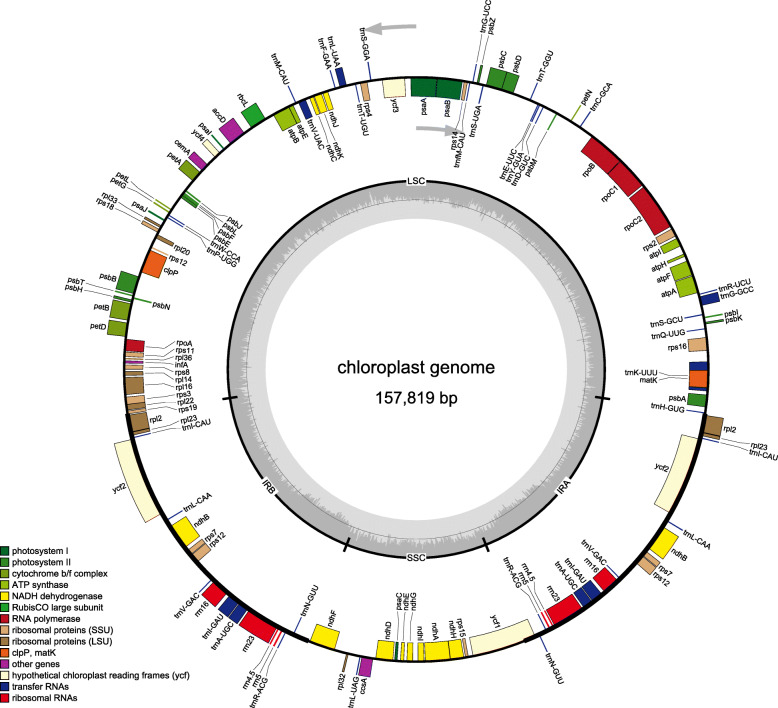
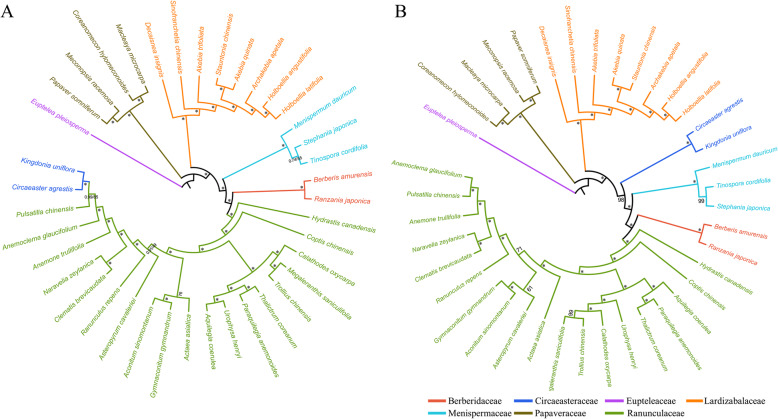
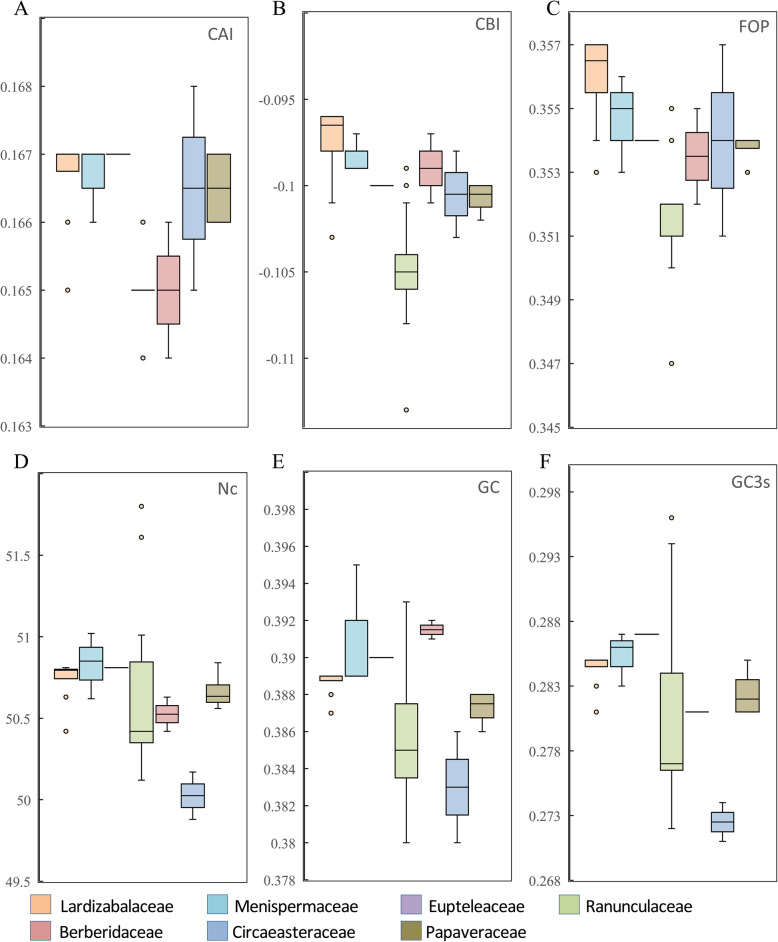
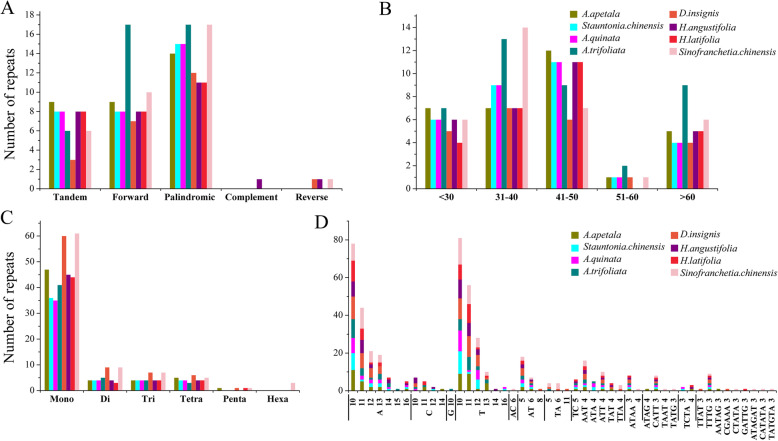
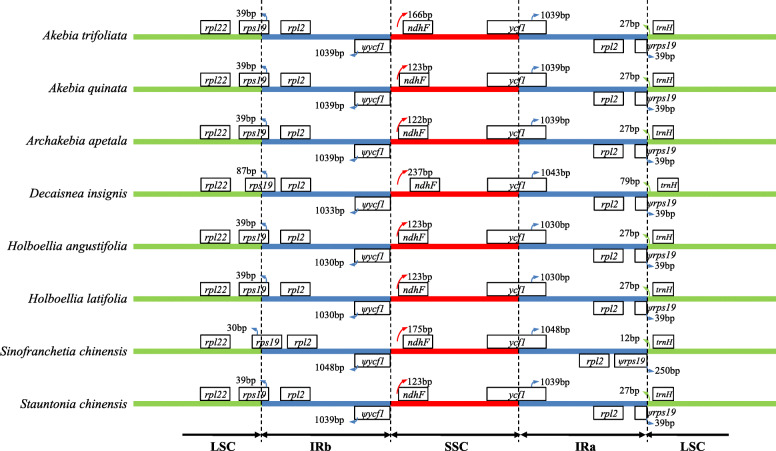
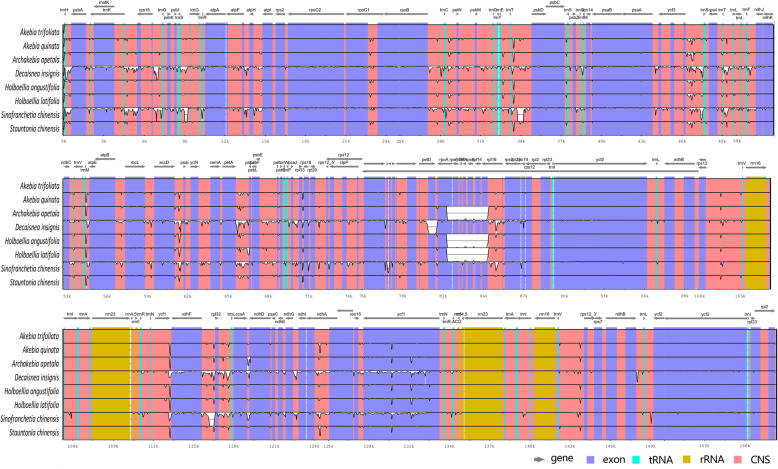
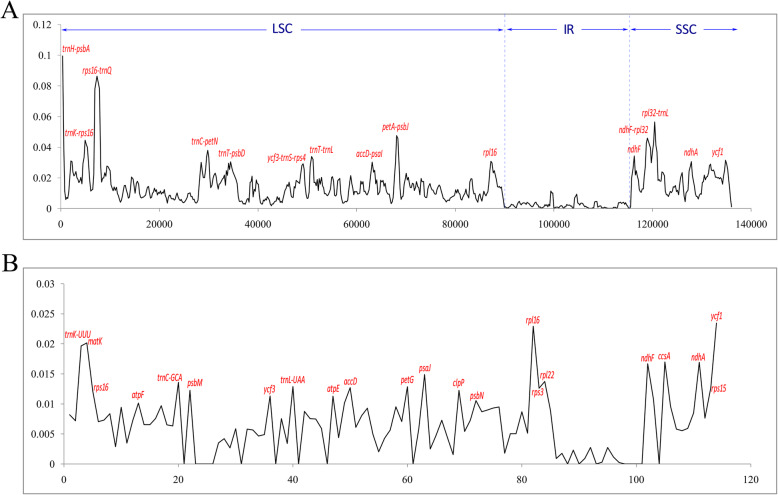
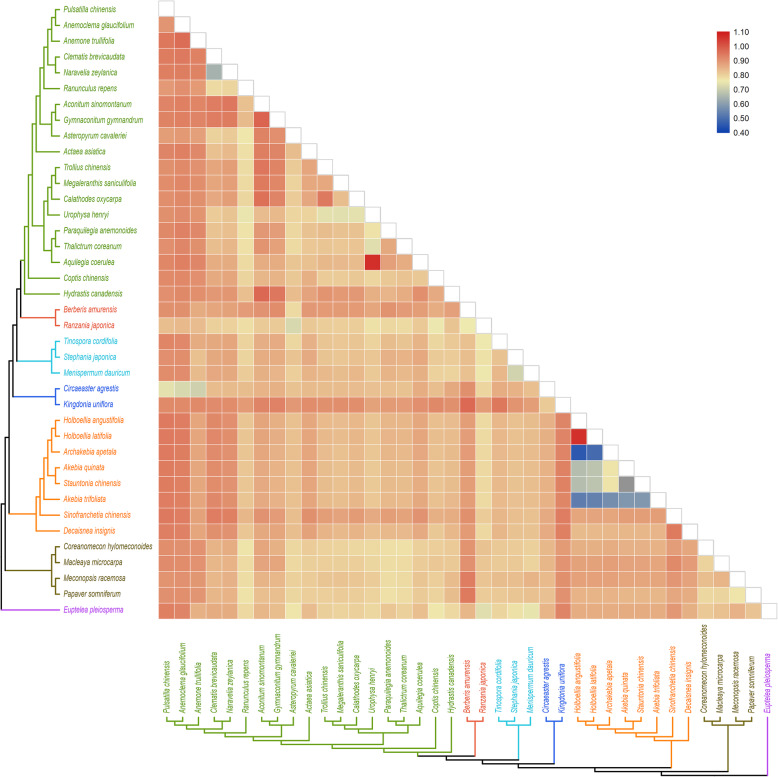
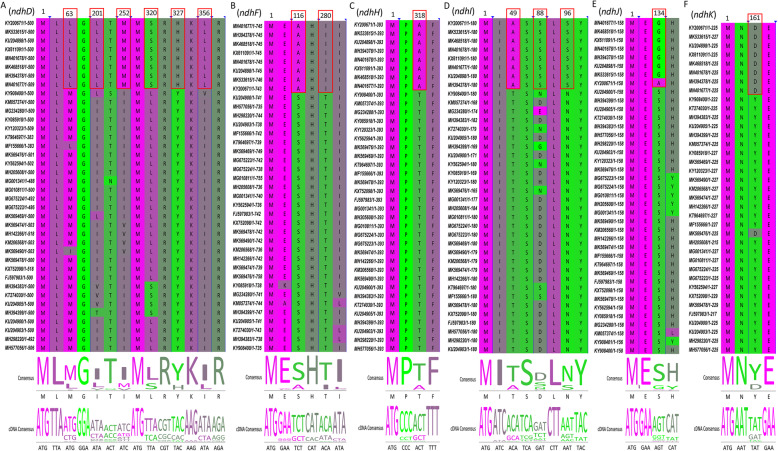
A series of analyses including genome structure, GC content, repeat structure, SSR component, nucleotide diversity and codon usage were performed by comparing chloroplast genomes of Stauntonia chinensis and its relatives. Although the chloroplast genomes of eight Lardizabaloideae plants were evolutionary conserved, the comparative analysis also showed several variation hotspots, which were considered as highly variable regions. Additionally, pairwise Ka/Ks analysis showed that most of the chloroplast genes of Lardizabaloideae species underwent purifying selection, whereas 25 chloroplast protein coding genes were identified with positive selection in this subfamily species by using branch-site model. Bayesian and ML phylogeny on CCG (complete chloroplast genome) and CDs (coding DNA sequences) produced a well-resolved phylogeny of Lardizabaloideae plastid lineages.
This study enhanced the understanding of the evolution of Lardizabaloideae and its relatives. All the obtained genetic resources will facilitate future studies in DNA barcode, species discrimination, the intraspecific and interspecific variability and the phylogenetic relationships of subfamily Lardizabaloideae.
中华野木瓜属于野木瓜亚科,在中国南方广泛种植。它一直被用作传统草药植物,能够合成多种具有抗癌和抗炎活性的三萜皂苷。然而,在其遗传多样性和进化分析被揭示之前,该物种及其近缘种的野生资源受到过度开发的威胁。因此,了解中华野木瓜的叶绿体基因组序列以及对野木瓜亚科物种的叶绿体基因组进行比较分析,对于理解该亚科的质体基因组进化是必要且至关重要的。
通过比较中华野木瓜及其近缘种的叶绿体基因组,进行了一系列分析,包括基因组结构、GC含量、重复结构、SSR组成、核苷酸多样性和密码子使用情况。尽管8种野木瓜亚科植物的叶绿体基因组在进化上是保守的,但比较分析也显示了几个变异热点,这些被认为是高度可变区域。此外,成对的Ka/Ks分析表明,野木瓜亚科物种的大多数叶绿体基因经历了纯化选择,而使用分支位点模型在该亚科物种中鉴定出25个叶绿体蛋白编码基因受到正选择。基于完整叶绿体基因组(CCG)和编码DNA序列(CDs)的贝叶斯和最大似然系统发育分析产生了一个解析良好的野木瓜亚科质体系谱。
本研究增进了对野木瓜亚科及其近缘种进化的理解。所有获得的遗传资源将有助于未来在DNA条形码、物种鉴别、种内和种间变异性以及野木瓜亚科系统发育关系方面的研究。