Heyburn Lanier, Abutarboush Rania, Goodrich Samantha, Urioste Rodrigo, Batuure Andrew, Wheel Jaimena, Wilder Donna M, Arun Peethambaran, Ahlers Stephen T, Long Joseph B, Sajja Venkatasivasai Sujith
Blast-Induced Neurotrauma Branch, Center for Military Psychiatry and Neuroscience, Walter Reed Army Institute of Research, Silver Spring, MD, United States.
Neurotrauma Department, Operational and Undersea Medicine Directorate, Naval Medical Research Center, Silver Spring, MD, United States.
Front Cell Neurosci. 2021 Feb 19;15:636707. doi: 10.3389/fncel.2021.636707. eCollection 2021.
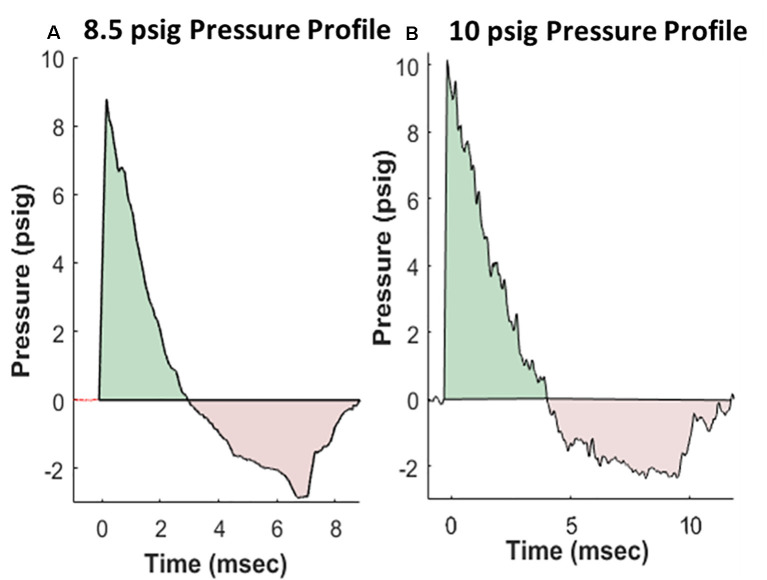
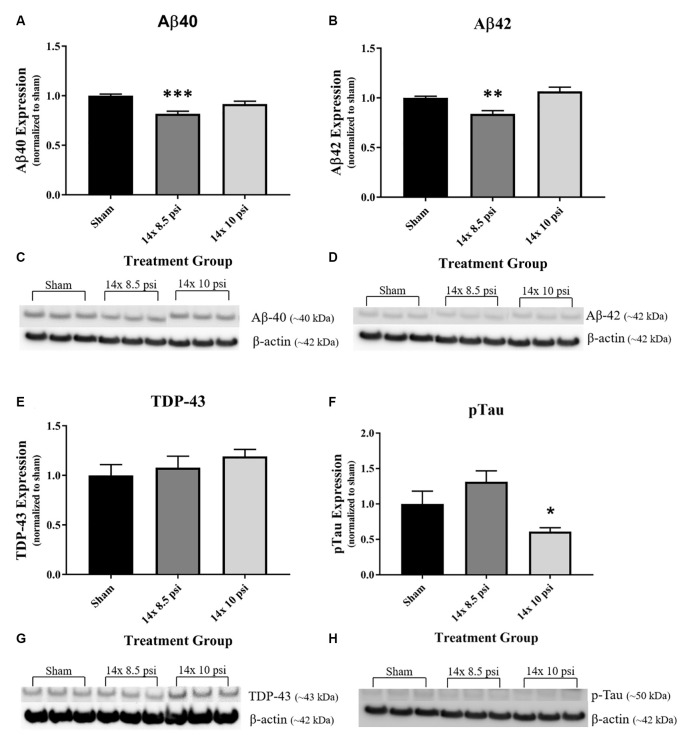
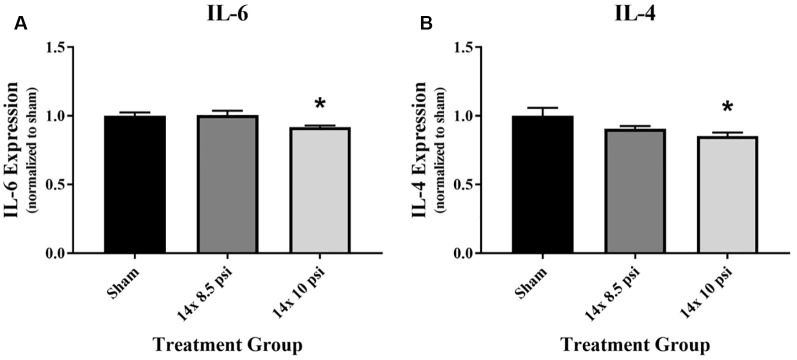
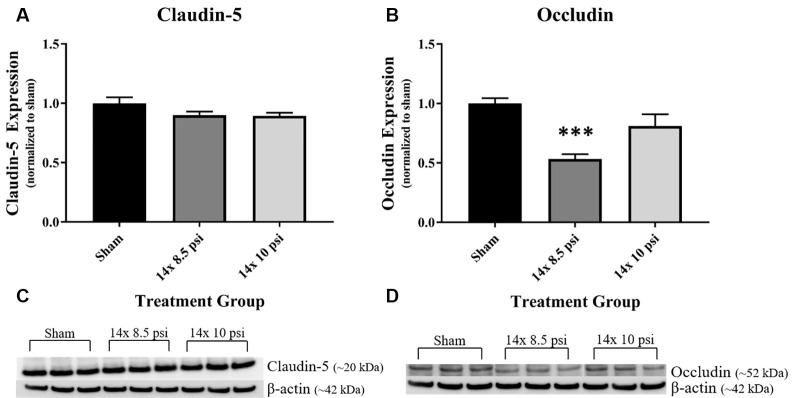
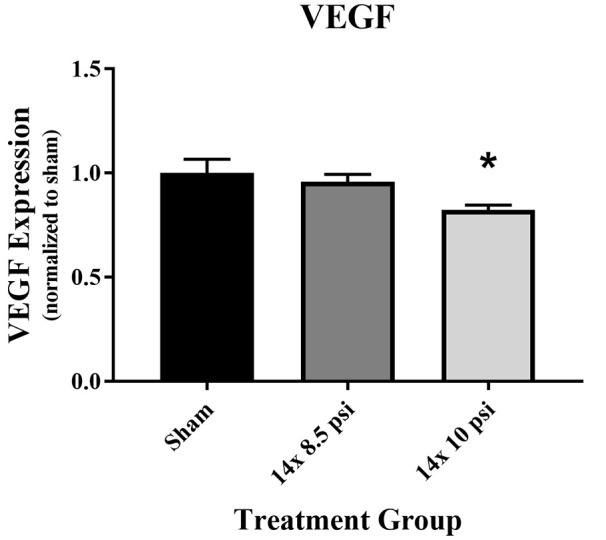
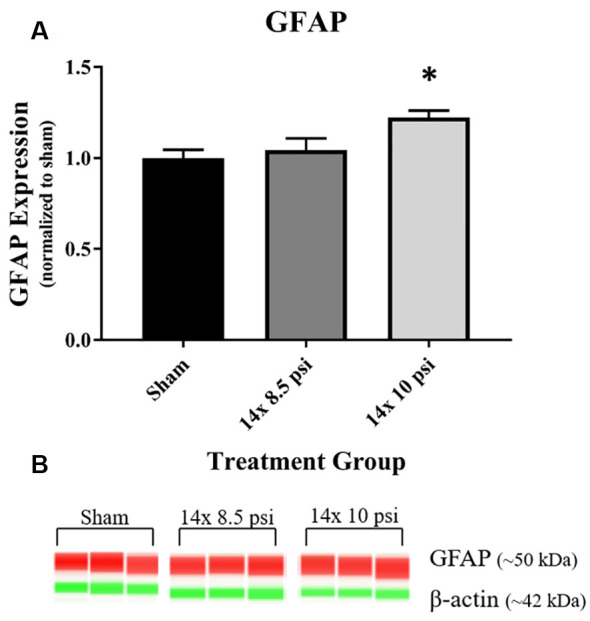
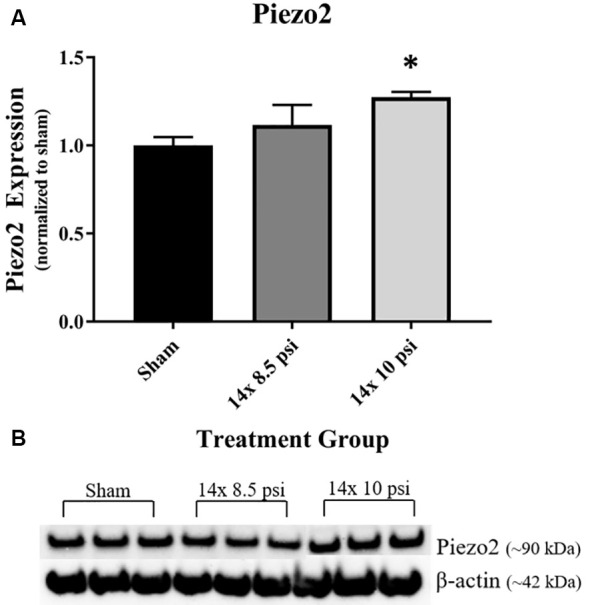
Exposure to the repeated low-level blast overpressure (BOP) periodically experienced by military personnel in operational and training environments can lead to deficits in behavior and cognition. While these low-intensity blasts do not cause overt changes acutely, repeated exposures may lead to cumulative effects in the brain that include acute inflammation, vascular disruption, and other molecular changes, which may eventually contribute to neurodegenerative processes. To identify these acute changes in the brain following repeated BOP, an advanced blast simulator was used to expose rats to 8.5 or 10 psi BOP once per day for 14 days. At 24 h after the final BOP, brain tissue was collected and analyzed for inflammatory markers, astrogliosis (GFAP), tight junction proteins (claudin-5 and occludin), and neurodegeneration-related proteins (Aβ40/42, pTau, TDP-43). After repeated exposure to 8.5 psi BOP, the change in cytokine profile was relatively modest compared to the changes observed following 10 psi BOP, which included a significant reduction in several inflammatory markers. Reduction in the tight junction protein occludin was observed in both groups when compared to controls, suggesting cerebrovascular disruption. While repeated exposure to 8.5 psi BOP led to a reduction in the Alzheimer's disease (AD)-related proteins amyloid-β (Aβ)40 and Aβ42, these changes were not observed in the 10 psi group, which had a significant reduction in phosphorylated tau. Finally, repeated 10 psi BOP exposures led to an increase in GFAP, indicating alterations in astrocytes, and an increase in the mechanosensitive ion channel receptor protein, Piezo2, which may increase brain sensitivity to injury from pressure changes from BOP exposure. Overall, cumulative effects of repeated low-level BOP may increase the vulnerability to injury of the brain by disrupting neurovascular architecture, which may lead to downstream deleterious effects on behavior and cognition.
军事人员在作战和训练环境中会周期性地暴露于反复的低强度爆炸超压(BOP)之下,这可能导致行为和认知缺陷。虽然这些低强度爆炸不会立即引起明显变化,但反复暴露可能会在大脑中产生累积效应,包括急性炎症、血管破坏和其他分子变化,最终可能导致神经退行性病变。为了识别反复暴露于BOP后大脑中的这些急性变化,使用了先进的爆炸模拟器,每天让大鼠暴露于8.5或10 psi的BOP下,持续14天。在最后一次BOP暴露后24小时,收集脑组织并分析炎症标志物、星形胶质细胞增生(GFAP)、紧密连接蛋白(claudin-5和occludin)以及神经退行性病变相关蛋白(Aβ40/42、pTau、TDP-43)。与10 psi BOP暴露后观察到的变化相比,反复暴露于8.5 psi BOP后细胞因子谱的变化相对较小,10 psi BOP暴露后的变化包括几种炎症标志物的显著降低。与对照组相比,两组均观察到紧密连接蛋白occludin减少,提示脑血管破坏。虽然反复暴露于8.5 psi BOP导致与阿尔茨海默病(AD)相关的蛋白淀粉样β(Aβ)40和Aβ42减少,但在10 psi组中未观察到这些变化,该组磷酸化tau蛋白显著减少。最后,反复暴露于10 psi BOP导致GFAP增加,表明星形胶质细胞发生改变,机械敏感离子通道受体蛋白Piezo2增加,这可能会增加大脑对BOP暴露引起的压力变化所导致损伤的敏感性。总体而言,反复低强度BOP的累积效应可能会通过破坏神经血管结构增加大脑受伤的易感性,这可能会对行为和认知产生下游有害影响。