Howard Jason J, Herzog Walter
Nemours-Alfred I. duPont Hospital for Children, Wilmington, DE, United States.
Faculty of Kinesiology, University of Calgary, Calgary, AB, Canada.
Front Neurol. 2021 Feb 18;12:620852. doi: 10.3389/fneur.2021.620852. eCollection 2021.
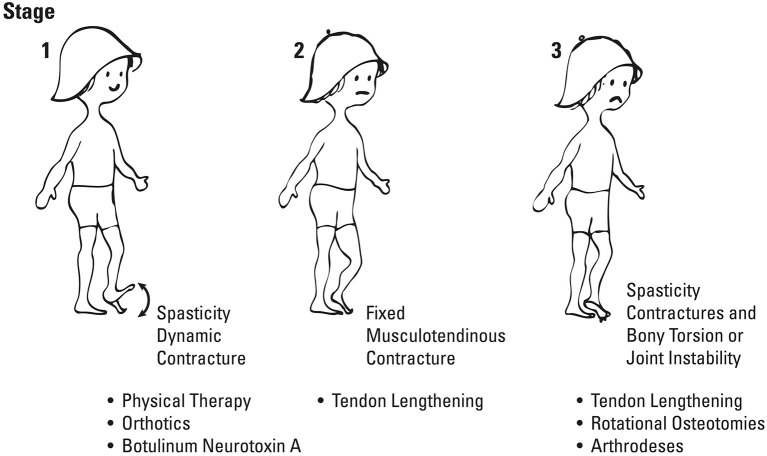
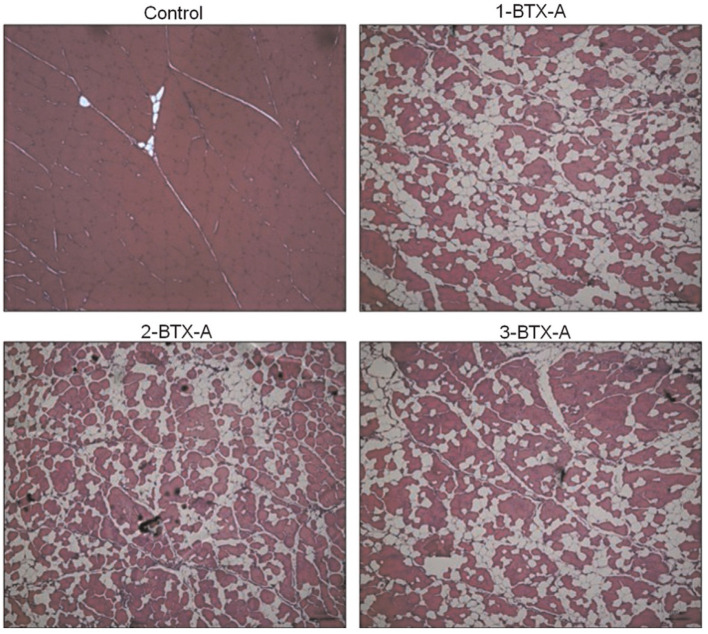
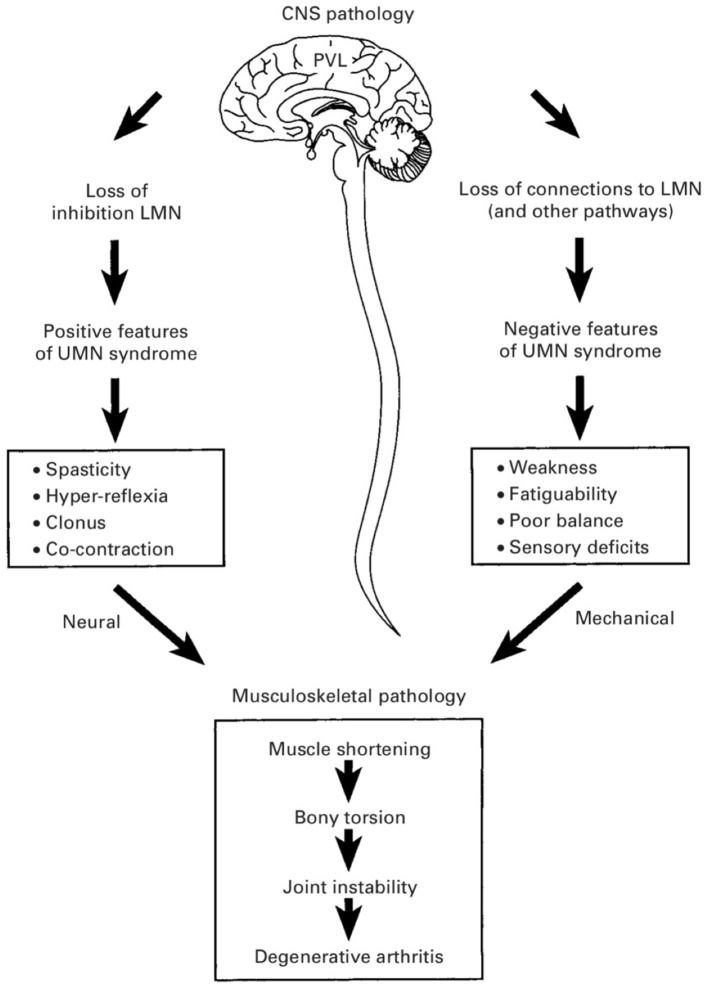
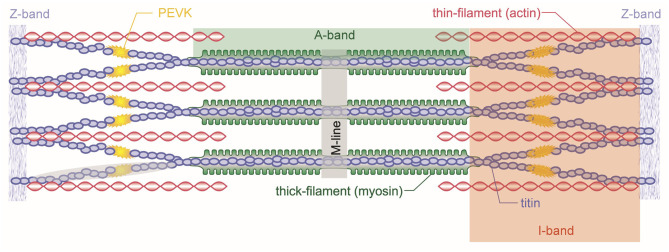
This review will provide a comprehensive, up-to-date review of the current knowledge regarding the pathophysiology of muscle contractures in cerebral palsy. Although much has been known about the clinical manifestations of both dynamic and static muscle contractures, until recently, little was known about the underlying mechanisms for the development of such contractures. In particular, recent basic science and imaging studies have reported an upregulation of collagen content associated with muscle stiffness. Paradoxically, contractile elements such as myofibrils have been found to be highly elastic, possibly an adaptation to a muscle that is under significant tension. Sarcomeres have also been reported to be excessively long, likely responsible for the poor force generating capacity and underlying weakness seen in children with cerebral palsy (CP). Overall muscle volume and length have been found to be decreased in CP, likely secondary to abnormalities in sarcomerogenesis. Recent animal and clinical work has suggested that the use of botulinum toxin for spasticity management has been shown to increase muscle atrophy and fibrofatty content in the CP muscle. Given that the CP muscle is short and small already, this calls into question the use of such agents for spasticity management given the functional and histological cost of such interventions. Recent theories involving muscle homeostasis, epigenetic mechanisms, and inflammatory mediators of regulation have added to our emerging understanding of this complicated area.
本综述将对目前关于脑瘫中肌肉挛缩病理生理学的知识进行全面、最新的回顾。尽管对于动态和静态肌肉挛缩的临床表现已经有了很多了解,但直到最近,对于此类挛缩发生的潜在机制仍知之甚少。特别是,最近的基础科学和影像学研究报告称,与肌肉僵硬相关的胶原蛋白含量上调。矛盾的是,诸如肌原纤维等收缩元件已被发现具有高度弹性,这可能是对处于显著张力下的肌肉的一种适应。也有报道称肌节过长,这可能是脑瘫患儿力产生能力差和潜在肌无力的原因。已发现脑瘫患者的总体肌肉体积和长度减小,这可能继发于肌节生成异常。最近的动物和临床研究表明,使用肉毒杆菌毒素治疗痉挛已被证明会增加脑瘫肌肉的萎缩和纤维脂肪含量。鉴于脑瘫肌肉本来就短小,考虑到此类干预的功能和组织学代价,这使得此类药物用于痉挛管理受到质疑。最近涉及肌肉稳态、表观遗传机制和调节性炎症介质的理论增加了我们对这个复杂领域的新认识。