Department of Respiratory Medicine, The Second Affiliated Hospital of Zhejiang University School of Medicine, 88 Jiefang Road, 310009 Hangzhou, Zhejiang, China.
State Key Laboratory of Genetic Engineering, School of Life Sciences, Fudan University, Shanghai 200438, China.
Comput Math Methods Med. 2021 Feb 17;2021:6651764. doi: 10.1155/2021/6651764. eCollection 2021.
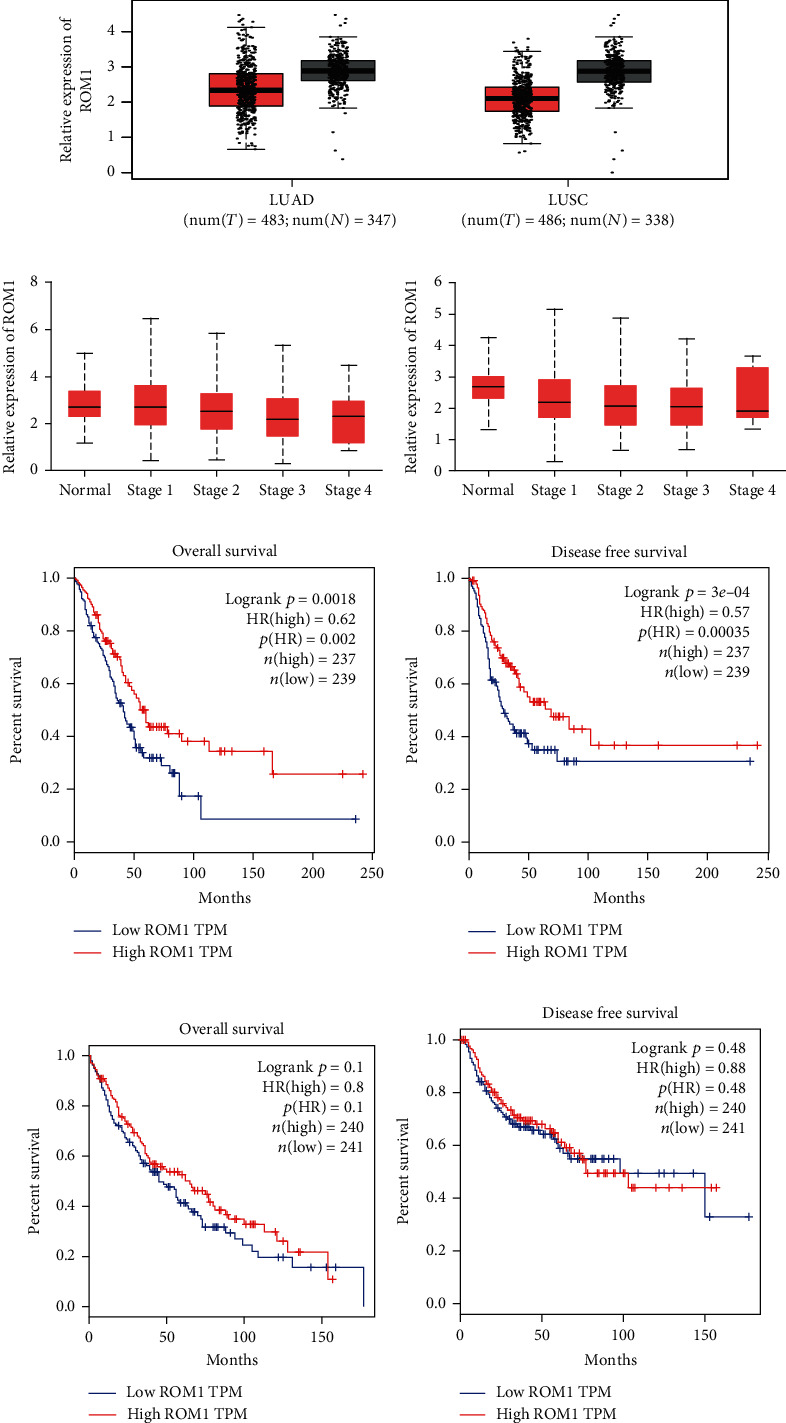
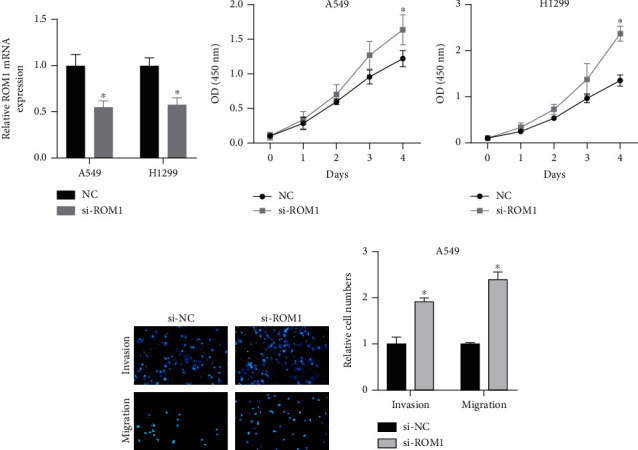
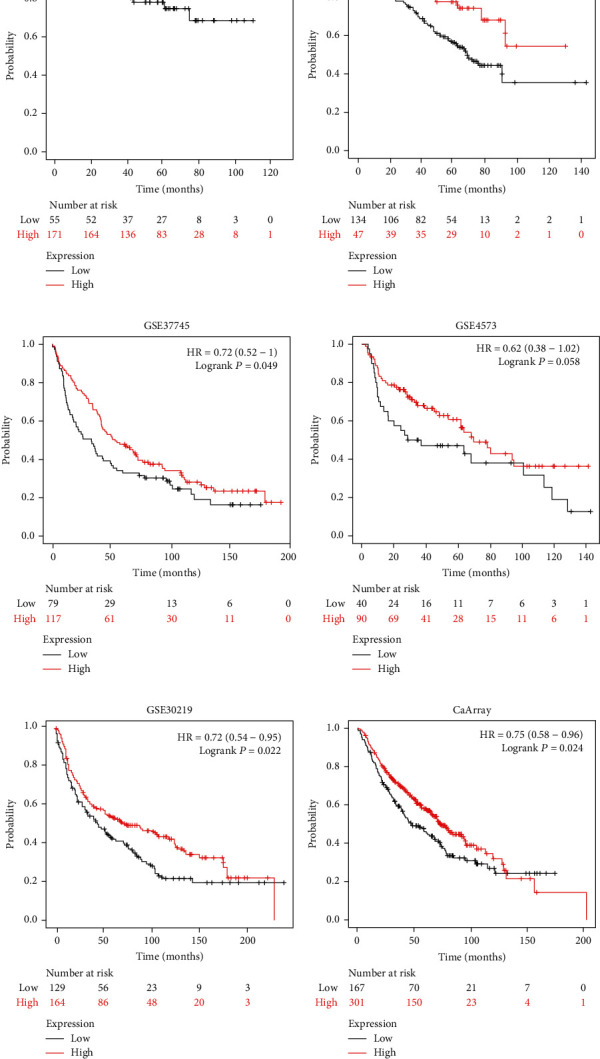
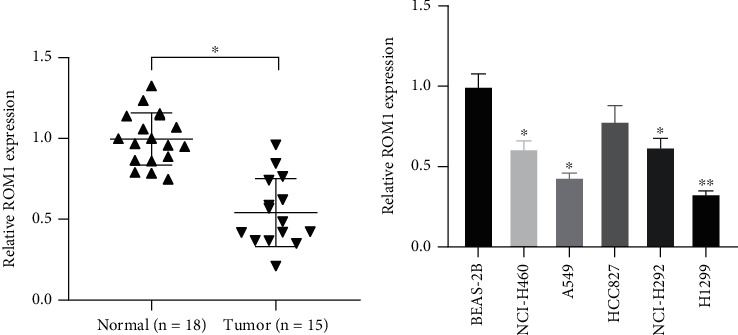
Some related reports indicate that the outer retinal membrane protein 1 (ROM1) functions importantly in the regulation of the biological process of tumor. Nevertheless, studies towards the role of ROM1 in lung cancer are few. Here, our data demonstrated that ROM1 displayed a relation with lung cancer tumorigenesis and development. In the Tumor Genome Atlas (TCGA) cohort, reduced ROM1 level was observed in lung cancer tissues, instead of normal tissues. After bioinformatics analysis, the data revealed that ROM1 level was associated with the tumor stage. Additional results indicated that highly expressed ROM1 exhibited a positive correlation with the overall survival rate, and ROM1 was probably a promising prognostic biomarker of lung cancer. Additionally, our results indicated that knocking out ROM1 could promote cell proliferation, migration, and invasion. Our data conclusively demonstrated that ROM1 modulated lung cancer tumorigenesis and development, as a prognosis and treatment biomarker.
一些相关报道表明,外视网膜膜蛋白 1(ROM1)在肿瘤的生物过程调控中具有重要作用。然而,关于 ROM1 在肺癌中的作用的研究较少。在这里,我们的数据表明 ROM1 与肺癌的发生和发展有关。在肿瘤基因组图谱(TCGA)队列中,肺癌组织中观察到 ROM1 水平降低,而正常组织中则没有。经过生物信息学分析,数据显示 ROM1 水平与肿瘤分期有关。进一步的结果表明,高表达的 ROM1 与总生存率呈正相关,ROM1 可能是肺癌有前途的预后生物标志物。此外,我们的结果表明,敲除 ROM1 可以促进细胞增殖、迁移和侵袭。我们的数据最终表明,ROM1 调节肺癌的发生和发展,可作为预后和治疗的生物标志物。