Peng Qin, Weng Kegui, Li Shitian, Xu Richard, Wang Yingxiao, Wu Yongzhong
Institute of Systems and Physical Biology, Shenzhen Bay Laboratory, Shenzhen, China.
Department of Bioengineering, University of California, San Diego, La Jolla, CA, United States.
Front Cell Dev Biol. 2021 Feb 18;9:624312. doi: 10.3389/fcell.2021.624312. eCollection 2021.
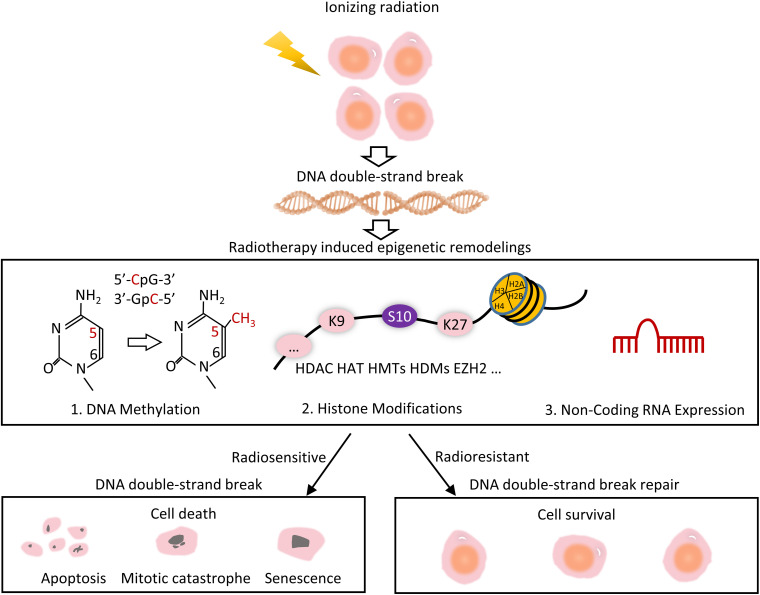
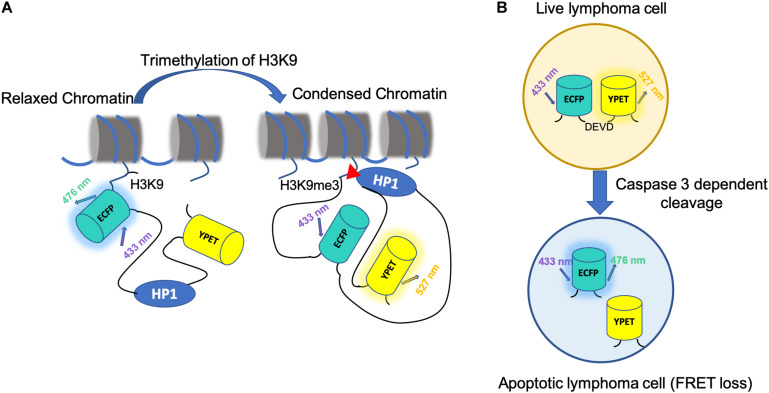
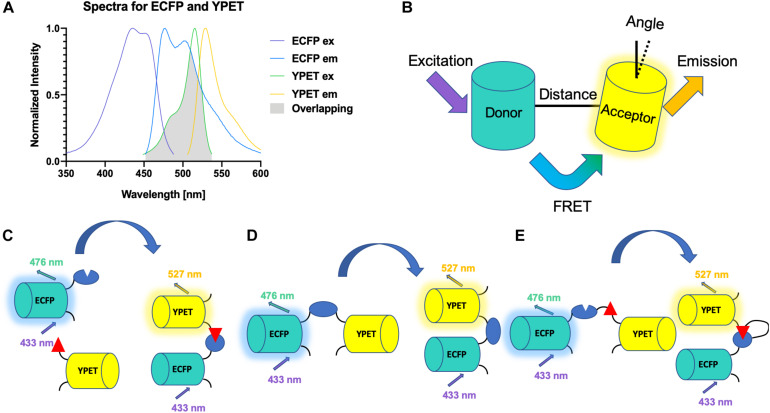
Radiation therapy (RT) has been employed as a tumoricidal modality for more than 100 years and on 470,000 patients each year in the United States. The ionizing radiation causes genetic changes and results in cell death. However, since the biological mechanism of radiation remains unclear, there is a pressing need to understand this mechanism to improve the killing effect on tumors and reduce the side effects on normal cells. DNA break and epigenetic remodeling can be induced by radiotherapy. Hence the modulation of histone modification enzymes may tune the radiosensitivity of cancer cells. For instance, histone deacetylase (HDAC) inhibitors sensitize irradiated cancer cells by amplifying the DNA damage signaling and inhibiting double-strand DNA break repair to influence the irradiated cells' survival. However, the combination of epigenetic drugs and radiotherapy has only been evaluated in several ongoing clinical trials for limited cancer types, partly due to a lack of knowledge on the potential mechanisms on how radiation induces epigenetic regulation and chromatin remodeling. Here, we review recent advances of radiotherapy and radiotherapy-induced epigenetic remodeling and introduce related technologies for epigenetic monitoring. Particularly, we exploit the application of fluorescence resonance energy transfer (FRET) biosensors to visualize dynamic epigenetic regulations in single living cells and tissue upon radiotherapy and drug treatment. We aim to bridge FRET biosensor, epigenetics, and radiotherapy, providing a perspective of using FRET to assess epigenetics and provide guidance for radiotherapy to improve cancer treatment. In the end, we discuss the feasibility of a combination of epigenetic drugs and radiotherapy as new approaches for cancer therapeutics.
放射治疗(RT)作为一种肿瘤杀伤方式已应用了100多年,在美国每年有47万名患者接受该治疗。电离辐射会导致基因变化并导致细胞死亡。然而,由于辐射的生物学机制仍不清楚,迫切需要了解这一机制,以提高对肿瘤的杀伤效果并减少对正常细胞的副作用。放射治疗可诱导DNA断裂和表观遗传重塑。因此,组蛋白修饰酶的调节可能会调节癌细胞的放射敏感性。例如,组蛋白脱乙酰酶(HDAC)抑制剂通过放大DNA损伤信号和抑制双链DNA断裂修复来使受辐射的癌细胞敏感化,从而影响受辐射细胞的存活。然而,表观遗传药物与放射治疗的联合应用仅在针对有限癌症类型的几项正在进行的临床试验中进行了评估,部分原因是缺乏关于辐射如何诱导表观遗传调控和染色质重塑的潜在机制的知识。在此,我们综述了放射治疗和放射治疗诱导的表观遗传重塑的最新进展,并介绍了表观遗传监测的相关技术。特别是,我们利用荧光共振能量转移(FRET)生物传感器来可视化放射治疗和药物治疗后单个活细胞和组织中的动态表观遗传调控。我们旨在将FRET生物传感器、表观遗传学和放射治疗联系起来,提供一种利用FRET评估表观遗传学的视角,并为放射治疗提供指导以改善癌症治疗。最后,我们讨论了表观遗传药物与放射治疗联合作为癌症治疗新方法的可行性。