Department of Pathology, The University of Texas Medical Branch, Galveston, TX, USA.
Department of Internal Medicine, The University of Texas Medical Branch, Galveston, TX, USA.
Alcohol Clin Exp Res. 2021 May;45(5):961-978. doi: 10.1111/acer.14595. Epub 2021 Apr 2.
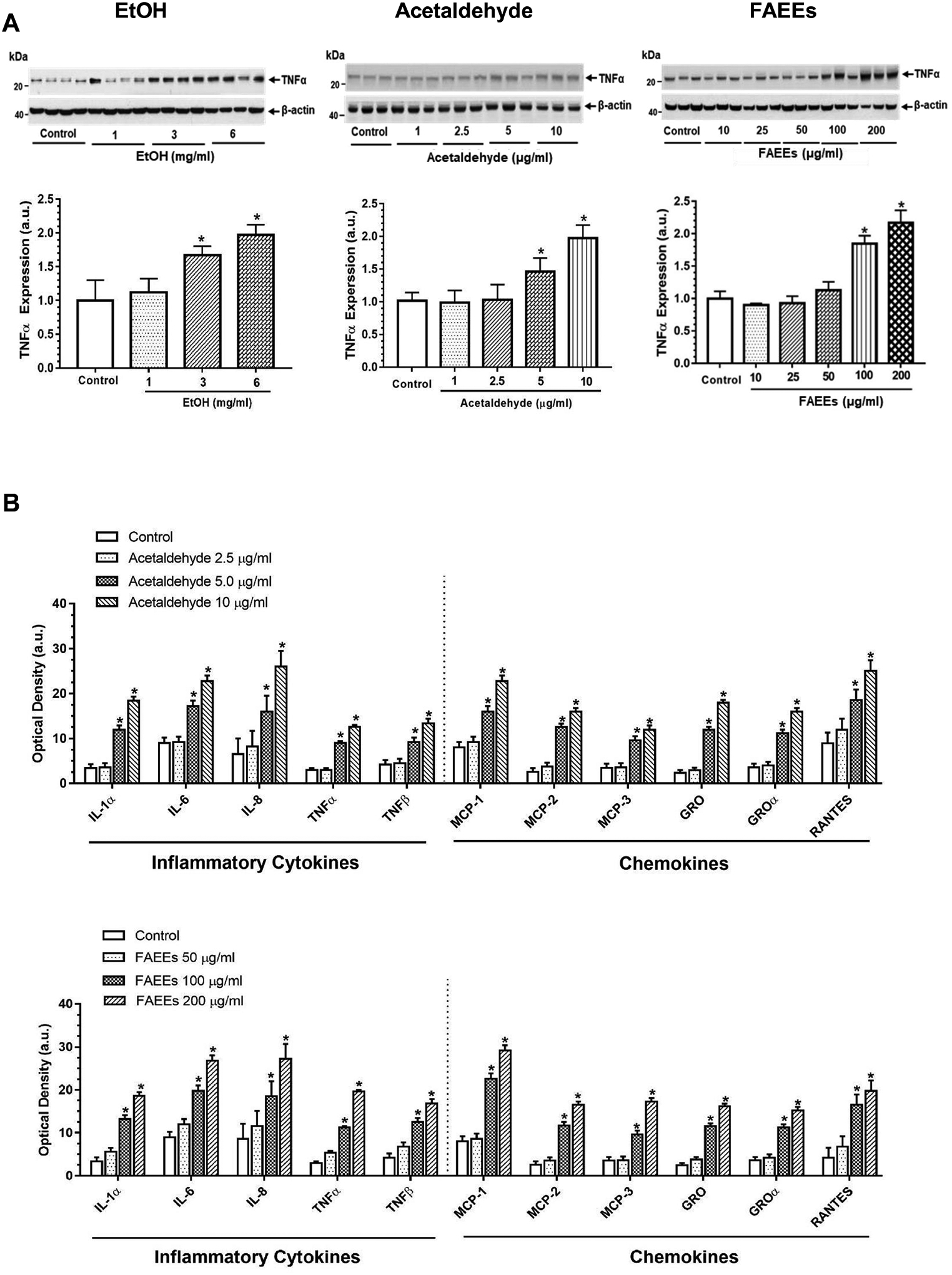
Alcoholic chronic pancreatitis (ACP) is a serious inflammatory disorder of the exocrine pancreatic gland. A previous study from this laboratory showed that ethanol (EtOH) causes cytotoxicity, dysregulates AMPKα and ER/oxidative stress signaling, and induces inflammatory responses in primary human pancreatic acinar cells (hPACs). Here we examined the differential cytotoxicity of EtOH and its oxidative (acetaldehyde) and nonoxidative (fatty acid ethyl esters; FAEEs) metabolites in hPACs was examined to understand the metabolic basis and mechanism of ACP.
We evaluated concentration-dependent cytotoxicity, AMPKα inactivation, ER/oxidative stress, and inflammatory responses in hPACs by incubating them for 6 h with EtOH, acetaldehyde, or FAEEs at clinically relevant concentrations reported in alcoholic subjects using conventional methods. Cellular bioenergetics (mitochondrial stress and a real-time ATP production rate) were determined using Seahorse XFp Extracellular Flux Analyzer in AR42J cells treated with acetaldehyde or FAEEs.
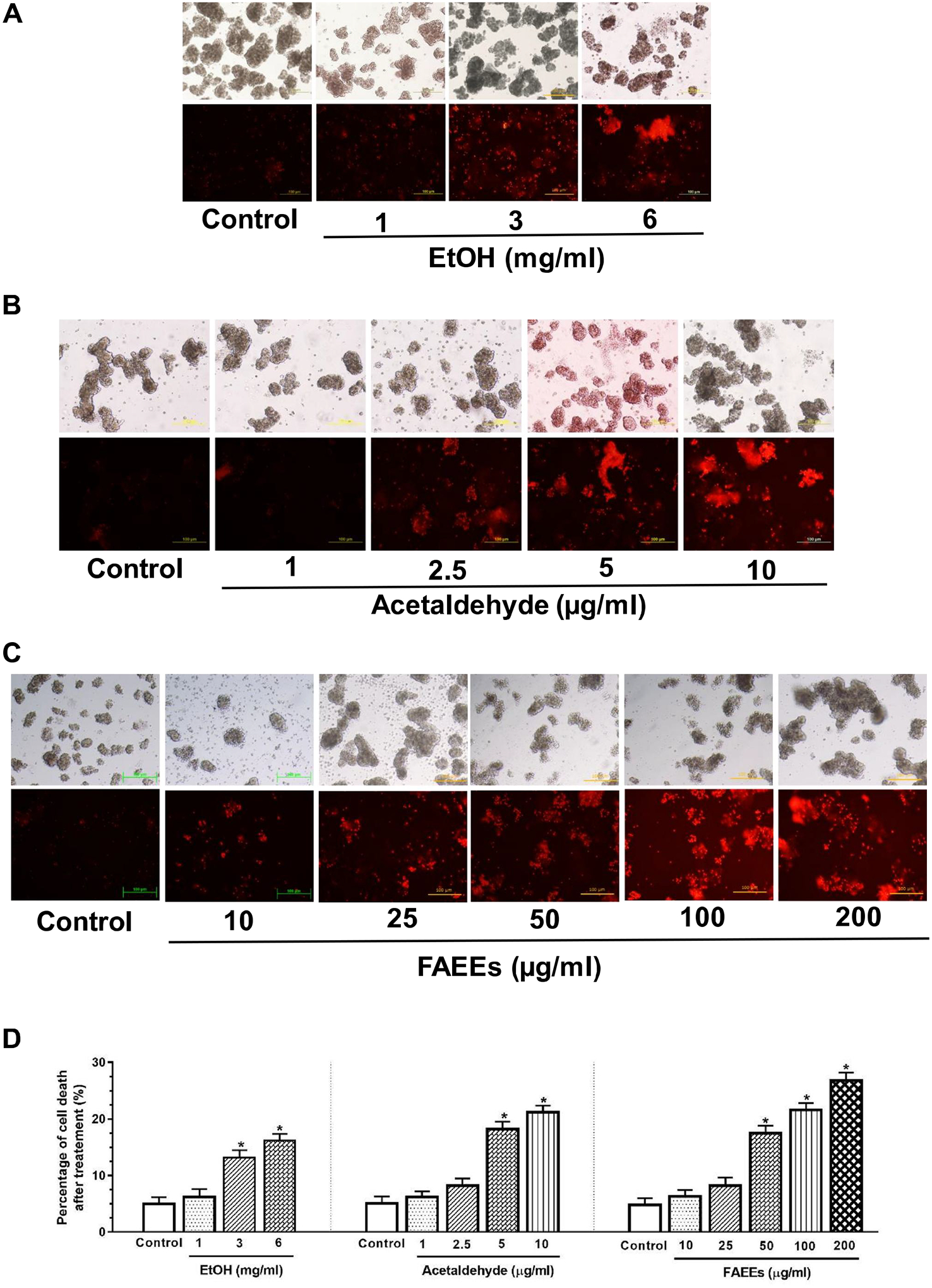
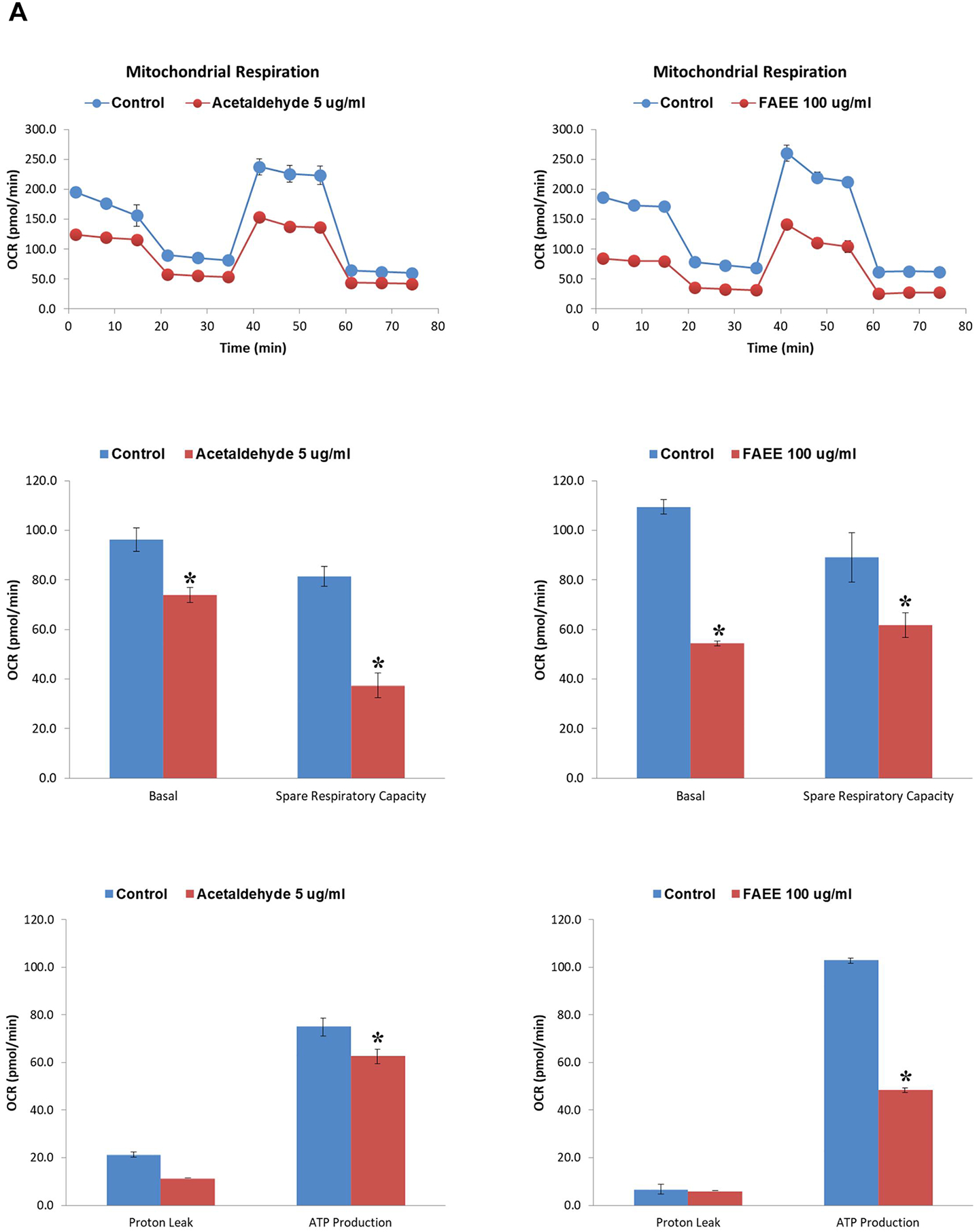
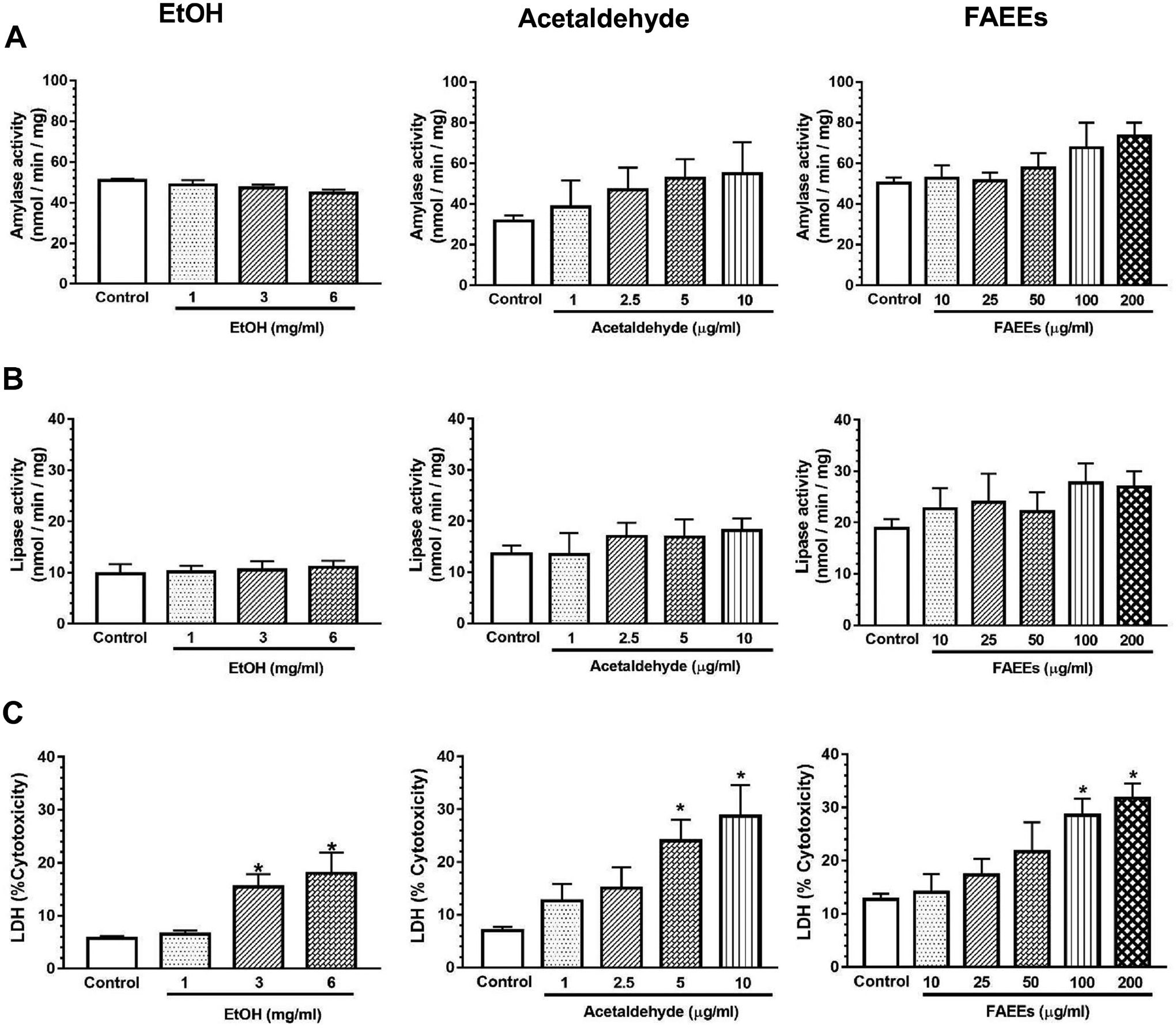
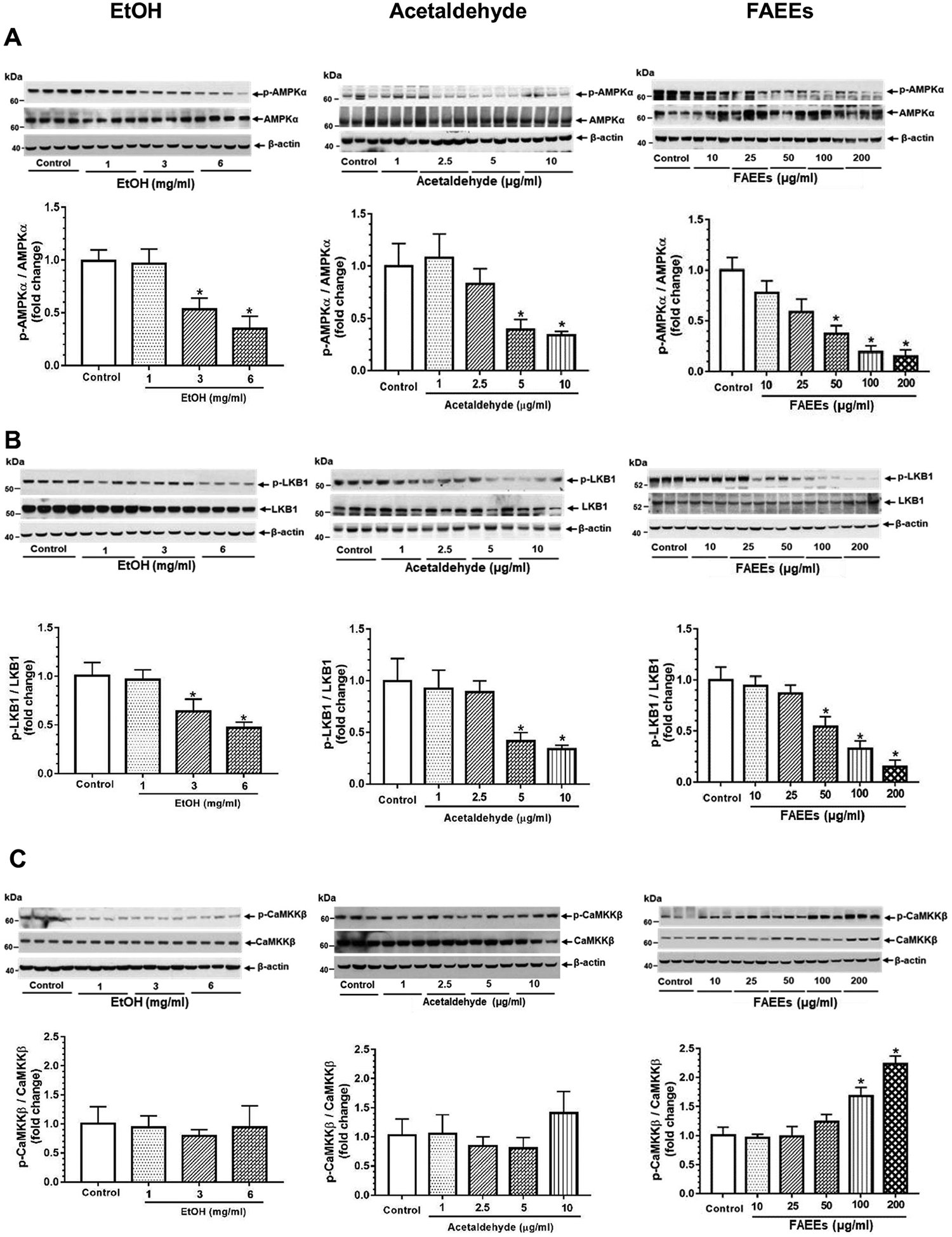
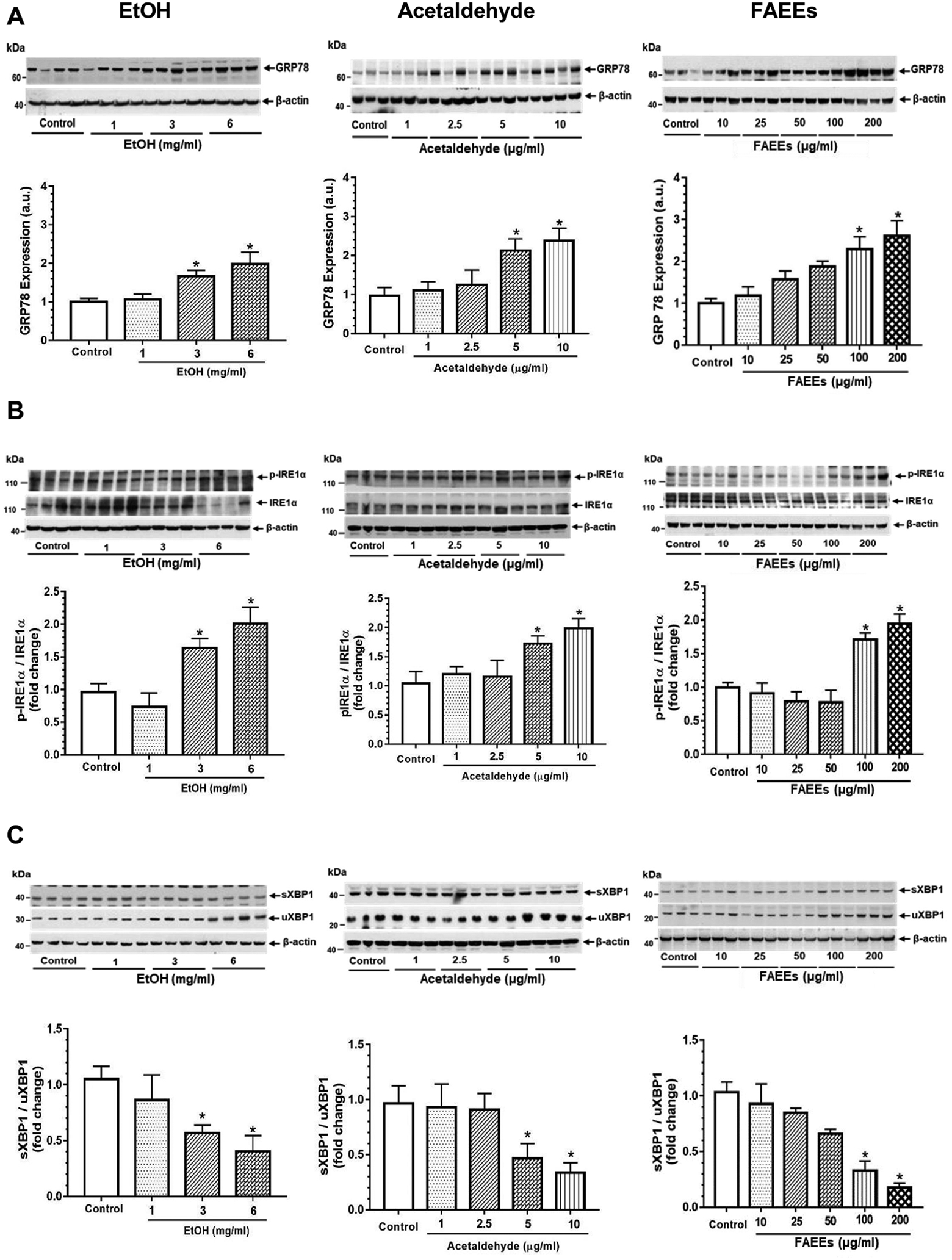
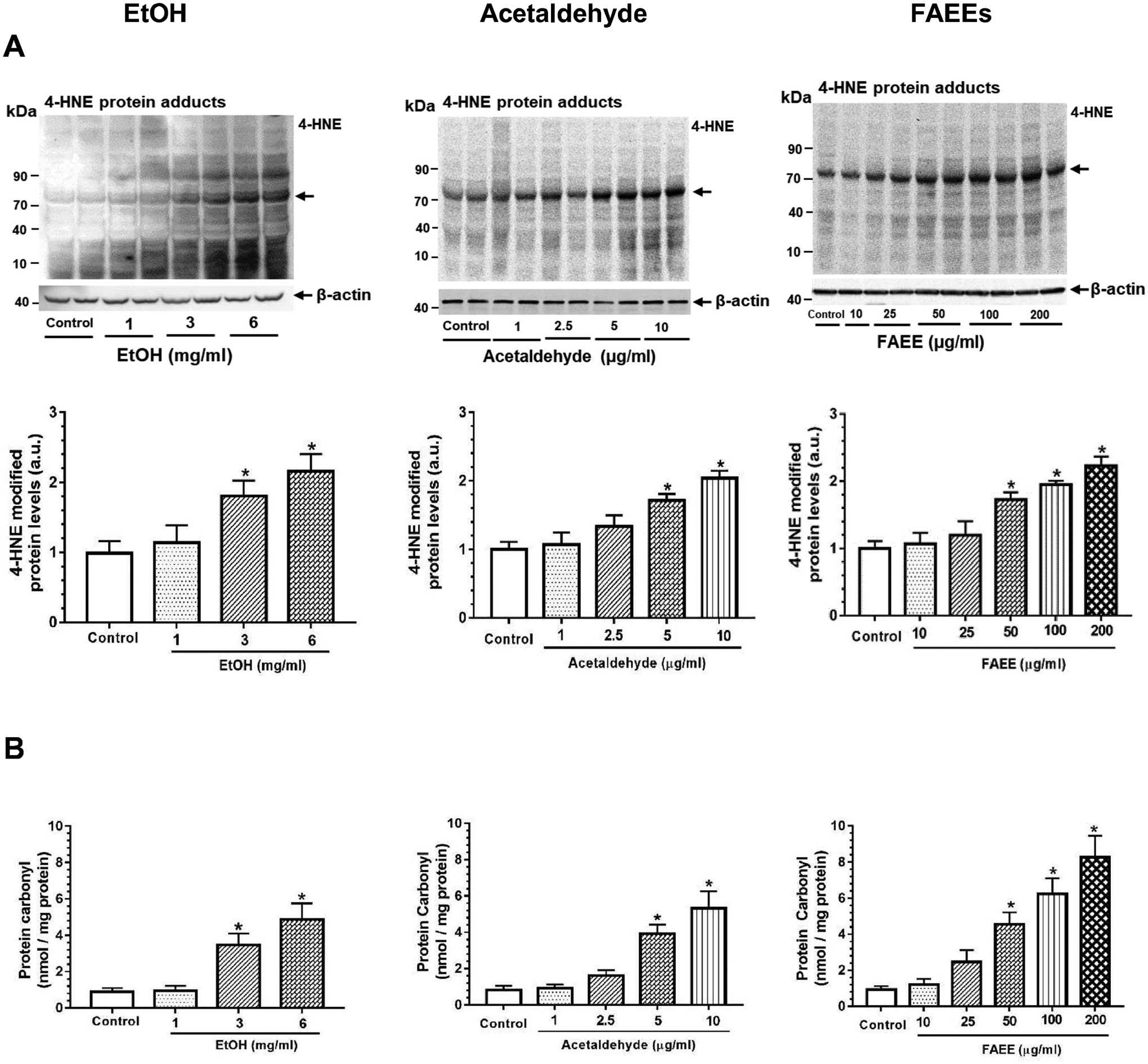
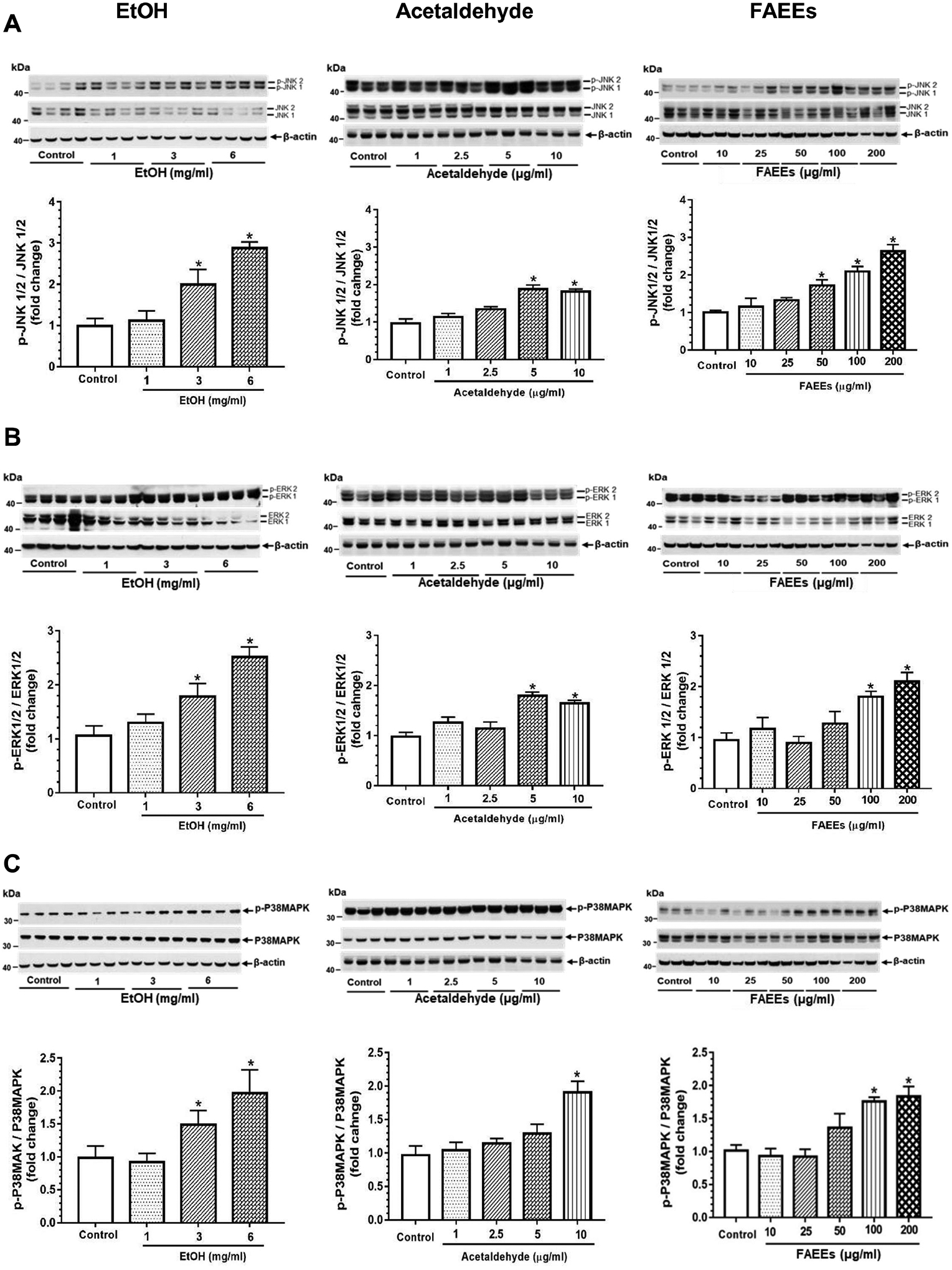
We observed concentration-dependent increases in LDH release, inactivation of AMPKα along with upregulation of ACC1 and FAS (key lipogenic proteins), downregulation of p-LKB1 (an oxidative stress-sensitive upstream kinase regulating AMPKα) and CPT1A (involved in β-oxidation of fatty acids) in hPACs treated with EtOH, acetaldehyde, or FAEEs. Concentration-dependent increases in oxidative stress and ER stress as measured by GRP78, unspliced XBP1, p-eIF2α, and CHOP along with activation of p-JNK1/2, p-ERK1/2, and p-P38MAPK were present in cells treated with EtOH, acetaldehyde, or FAEEs, respectively. Furthermore, a significant decrease was observed in the total ATP production rate with subsequent mitochondrial stress in AR42J cells treated with acetaldehyde and FAEEs.
EtOH and its metabolites, acetaldehyde and FAEEs, caused cytotoxicity, ER/oxidative and mitochondrial stress, and dysregulated AMPKα signaling, suggesting a key role of EtOH metabolism in the etiopathogenesis of ACP. Because oxidative EtOH metabolism is negligible in the exocrine pancreas, the pathogenesis of ACP could be attributable to the formation of FAEEs and related pancreatic acinar cell injury.
酒精性慢性胰腺炎(ACP)是胰腺外分泌腺的一种严重炎症性疾病。本实验室的先前研究表明,乙醇(EtOH)可引起细胞毒性,调节 AMPKα 和 ER/氧化应激信号,并诱导原代人胰腺腺泡细胞(hPACs)中的炎症反应。在这里,我们研究了 EtOH 及其氧化(乙醛)和非氧化(脂肪酸乙酯;FAEEs)代谢物在 hPACs 中的差异细胞毒性,以了解 ACP 的代谢基础和机制。
我们通过在 6 小时内用临床相关浓度的 EtOH、乙醛或 FAEEs 孵育 hPACs,评估细胞浓度依赖性细胞毒性、AMPKα 失活、ER/氧化应激和炎症反应,采用传统方法检测酒精性患者中报道的浓度。用乙醛或 FAEEs 处理的 AR42J 细胞中使用 Seahorse XFp 细胞外通量分析仪测定细胞生物能学(线粒体应激和实时 ATP 产生率)。
我们观察到 hPACs 中 LDH 释放增加、AMPKα 失活以及 ACC1 和 FAS(关键的脂肪生成蛋白)上调、p-LKB1(调节 AMPKα 的氧化应激敏感上游激酶)和 CPT1A(参与脂肪酸的β-氧化)下调,与 EtOH、乙醛或 FAEEs 处理相关。GRP78、未剪接 XBP1、p-eIF2α、CHOP 测定的氧化应激和 ER 应激的浓度依赖性增加以及 p-JNK1/2、p-ERK1/2 和 p-P38MAPK 的激活分别存在于用 EtOH、乙醛或 FAEEs 处理的细胞中。此外,用乙醛和 FAEEs 处理的 AR42J 细胞中总 ATP 产生率显著下降,随后出现线粒体应激。
EtOH 及其代谢物乙醛和 FAEEs 引起细胞毒性、ER/氧化和线粒体应激,并调节 AMPKα 信号,提示 EtOH 代谢在 ACP 的发病机制中起关键作用。由于外分泌胰腺中的氧化 EtOH 代谢可以忽略不计,因此 ACP 的发病机制可能归因于 FAEEs 的形成和相关的胰腺腺泡细胞损伤。