Zhang Yufei, Huang Kun, Wang Ting, Deng Fei, Gong Wenxiao, Hui Xianfeng, Zhao Ya, He Xinlin, Li Chengfei, Zhang Qiang, Chen Xi, Lv Changjie, Lin Xian, Yang Ying, Sun Xiaomei, Shi Zhengli, Chen Huanchun, Zou Zhong, Jin Meilin
State Key Laboratory of Agricultural Microbiology, Huazhong Agricultural University, Wuhan, P. R. China.
College of Veterinary Medicine, Huazhong Agricultural University, Wuhan, P. R. China.
J Virol. 2021 May 10;95(11). doi: 10.1128/JVI.02477-20. Epub 2021 Mar 10.
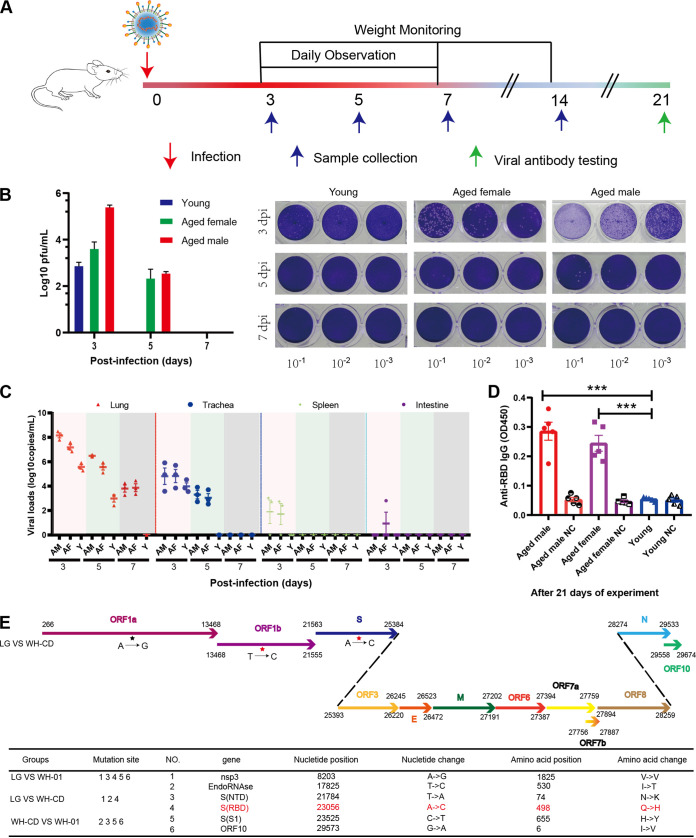
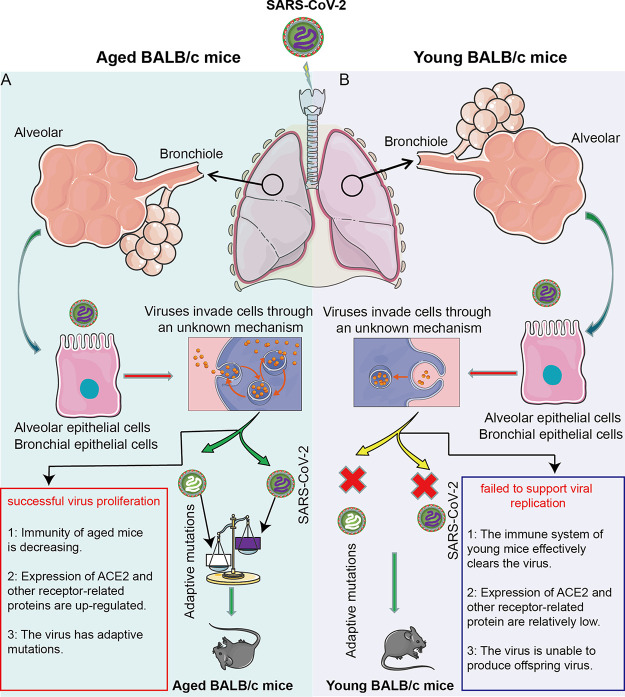
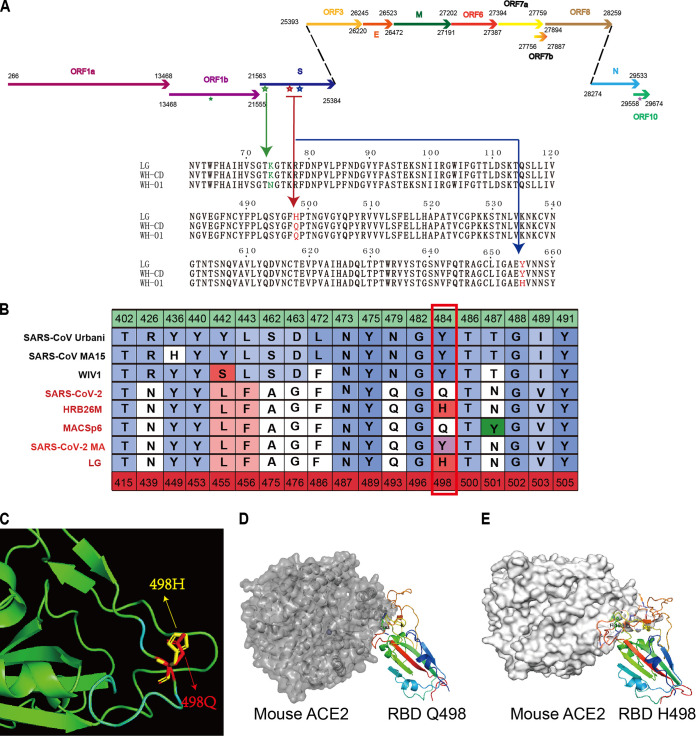
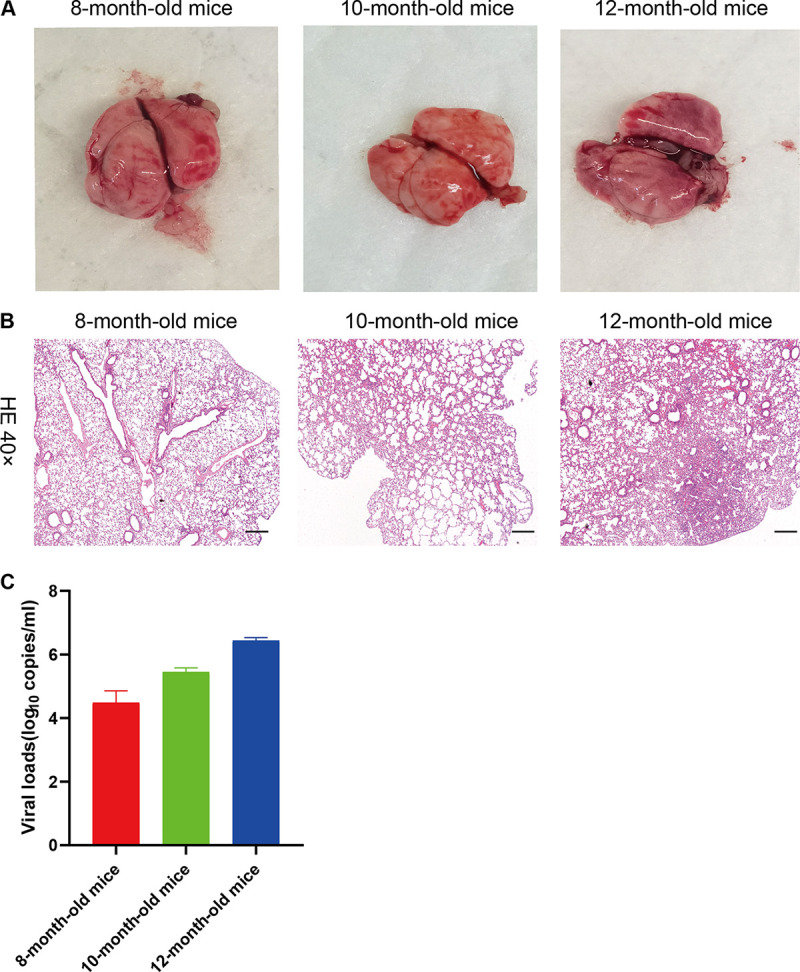
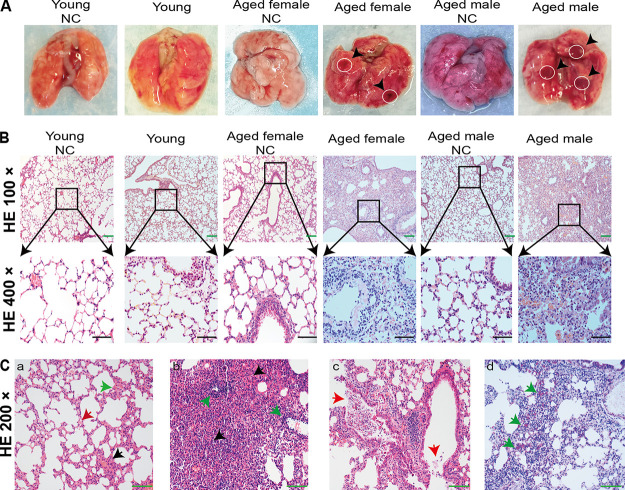
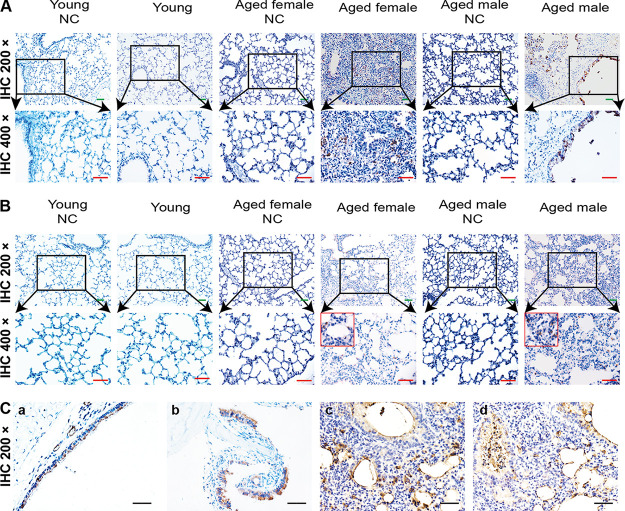
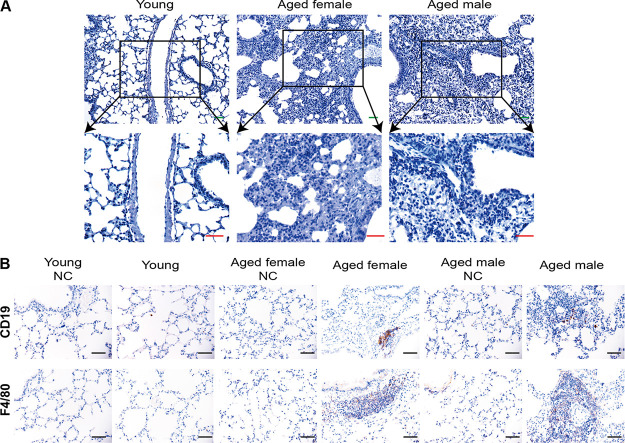
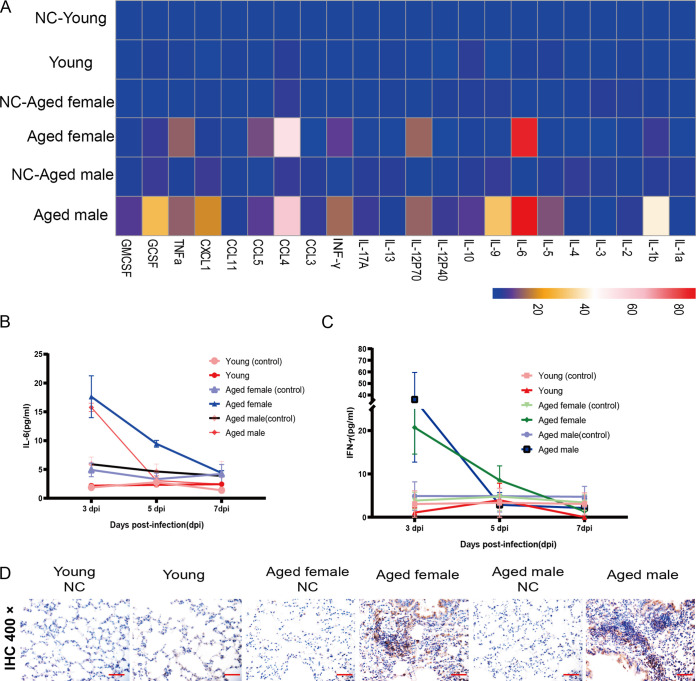
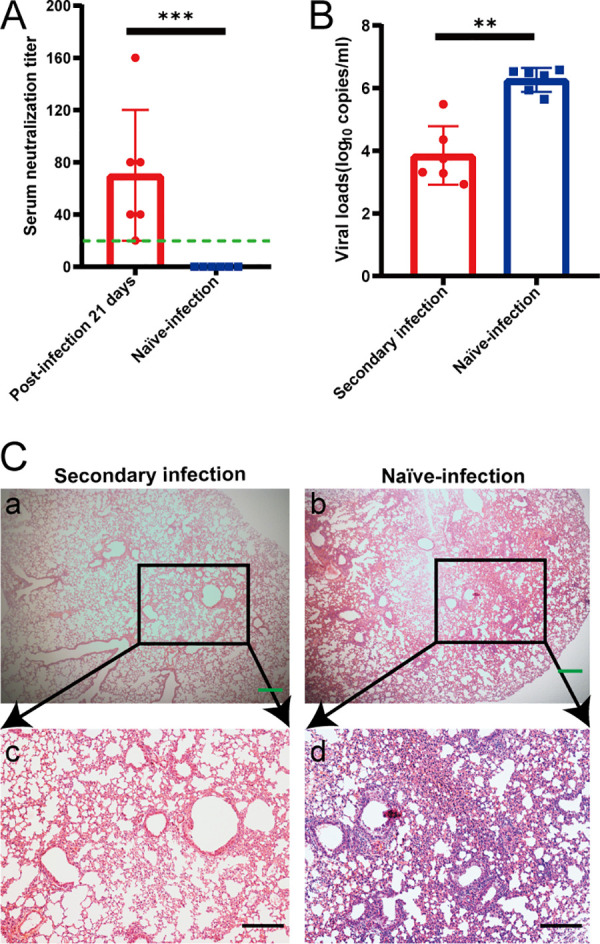
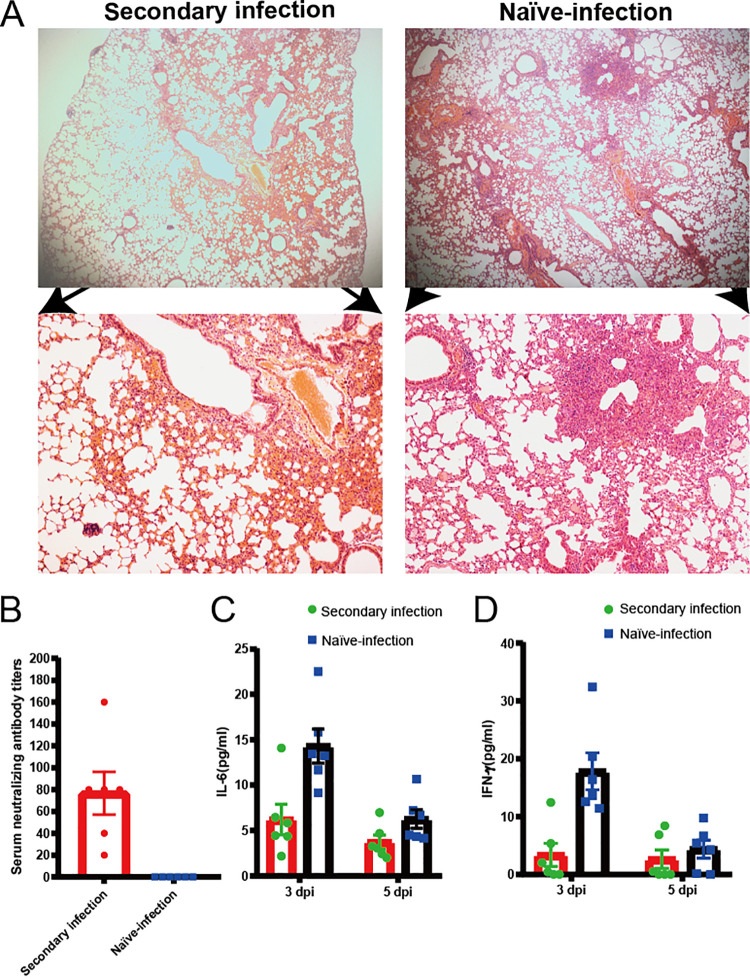
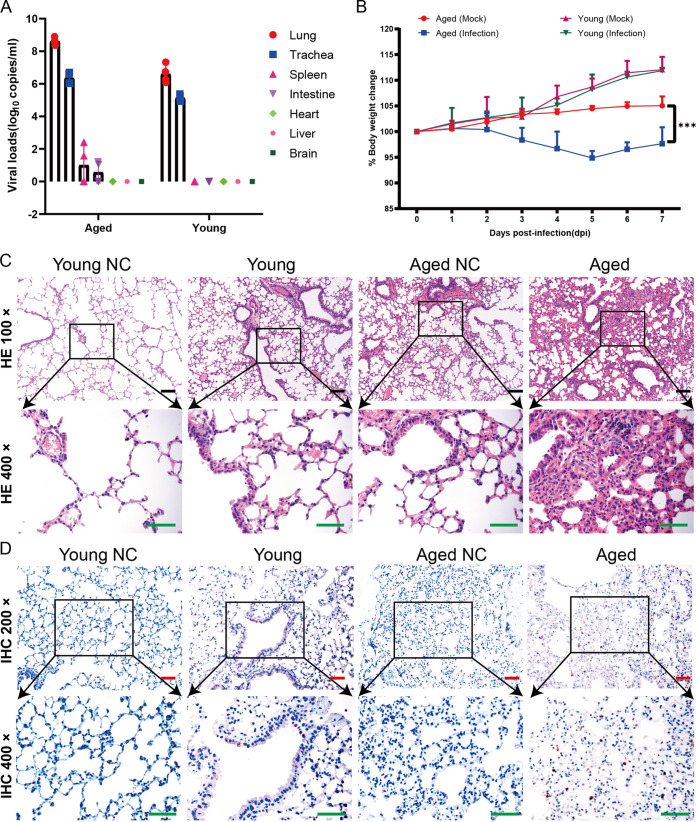
Age is a risk factor for coronavirus disease 2019 (COVID-19) associated morbidity and mortality in humans; hence, in this study, we compared the course of severe acute respiratory syndrome-coronavirus 2 (SARS-CoV-2) infection in young and aged BALB/c mice. We found that SARS-CoV-2 isolates replicated in the respiratory tracts of 12-month-old (aged) mice and caused pathological features of pneumonia upon intranasal infection. In contrast, rapid viral clearance was observed 5 days following infection in 2-month-old (young) mice with no evidence of pathological changes in the lungs. Infection with SARS-CoV-2 elicited significantly upregulated production of cytokines, especially interleukin 6 and interferon gamma, in aged mice; whereas this response was much weaker in young mice. Subsequent challenge of infected aged BALB/c mice with SARS-CoV-2 resulted in neutralized antibody responses, a significantly reduced viral burden in the lungs, and inflammation mitigation. Deep sequencing showed a panel of mutations potentially associated with the enhanced infection in aged BALB/c mice, such as the Q498H mutations which are located at the receptor binding domain (RBD) of the spike (S) protein. We further found that the isolates can not only multiply in the respiratory tract of mice but also cause disease in aged mice. Overall, viral replication and rapid adaption in aged BALB/c mice were associated with pneumonia, confirming that the age-related susceptibility to SARS-CoV-2 in mice resembled that in humans.Aged BALB/c model are in use as a model of disease caused by SARS-CoV-2. Our research demonstrated SARS-CoV-2 can rapidly adapt in aged BALB/c mice through causing mutations at the RBD of the S protein. Moreover, SARS-CoV-2-infected aged BALB/c mice indicated that alveolar damage, interstitial pneumonia, and inflammatory immune responses were similar to the clinical manifestations of human infections. Therefore, our aged BALB/c challenge model will be useful for further understanding the pathogenesis of SARS-CoV-2 and for testing vaccines and antiviral agents.
年龄是人类感染2019冠状病毒病(COVID-19)相关发病和死亡的一个风险因素;因此,在本研究中,我们比较了年轻和老年BALB/c小鼠感染严重急性呼吸综合征冠状病毒2(SARS-CoV-2)的过程。我们发现,SARS-CoV-2分离株在12个月大(老年)小鼠的呼吸道中复制,并在鼻内感染后引起肺炎的病理特征。相比之下,在2个月大(年轻)小鼠感染后5天观察到病毒快速清除,肺部无病理变化迹象。SARS-CoV-2感染在老年小鼠中引起细胞因子,尤其是白细胞介素6和干扰素γ的产生显著上调;而在年轻小鼠中这种反应则弱得多。随后用SARS-CoV-2对感染的老年BALB/c小鼠进行攻击,导致中和抗体反应、肺部病毒载量显著降低和炎症减轻。深度测序显示一组可能与老年BALB/c小鼠感染增强相关的突变,如位于刺突(S)蛋白受体结合域(RBD)的Q498H突变。我们进一步发现,这些分离株不仅能在小鼠呼吸道中繁殖,还能在老年小鼠中引起疾病。总体而言,老年BALB/c小鼠中的病毒复制和快速适应与肺炎相关,证实小鼠中与年龄相关的对SARS-CoV-2的易感性与人类相似。老年BALB/c模型被用作SARS-CoV-2所致疾病的模型。我们的研究表明,SARS-CoV-2可通过在S蛋白的RBD处引起突变而在老年BALB/c小鼠中快速适应。此外,SARS-CoV-2感染的老年BALB/c小鼠表明,肺泡损伤、间质性肺炎和炎症免疫反应与人类感染的临床表现相似。因此,我们的老年BALB/c攻击模型将有助于进一步了解SARS-CoV-2的发病机制以及测试疫苗和抗病毒药物。