Egaña-Huguet Jon, Bonilla-Del Río Itziar, Gómez-Urquijo Sonia M, Mimenza Amaia, Saumell-Esnaola Miquel, Borrega-Roman Leire, García Del Caño Gontzal, Sallés Joan, Puente Nagore, Gerrikagoitia Inmaculada, Elezgarai Izaskun, Grandes Pedro
Department of Neurosciences, Faculty of Medicine and Nursing, University of the Basque Country UPV/EHU, Leioa, Spain.
Achucarro Basque Center for Neuroscience, Science Park of the University of the Basque Country UPV/EHU, Leioa, Spain.
Front Neuroanat. 2021 Feb 22;15:645940. doi: 10.3389/fnana.2021.645940. eCollection 2021.
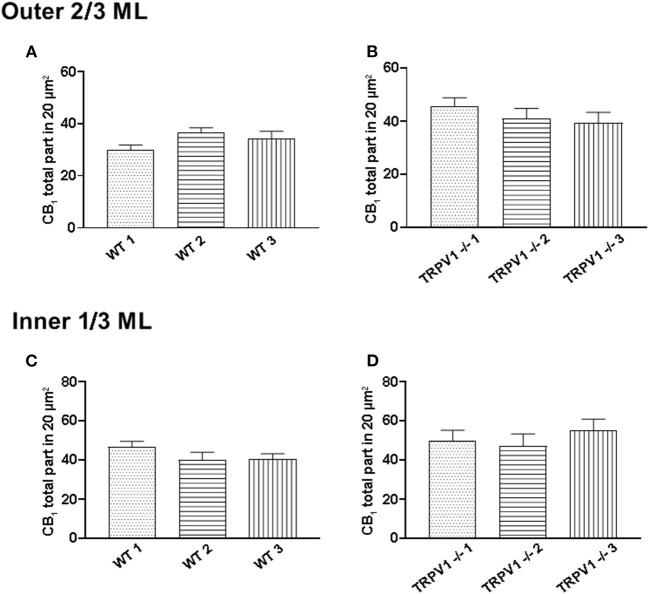
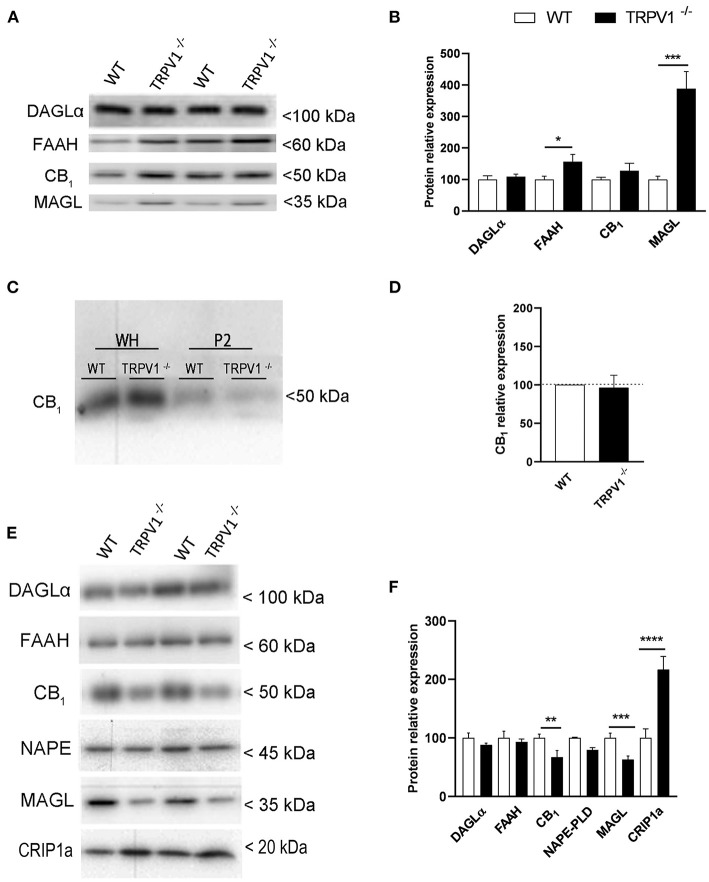
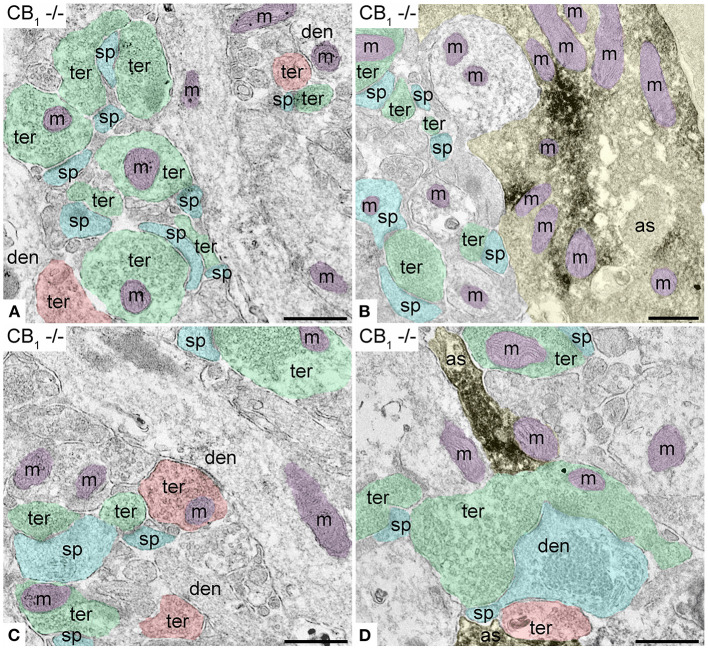
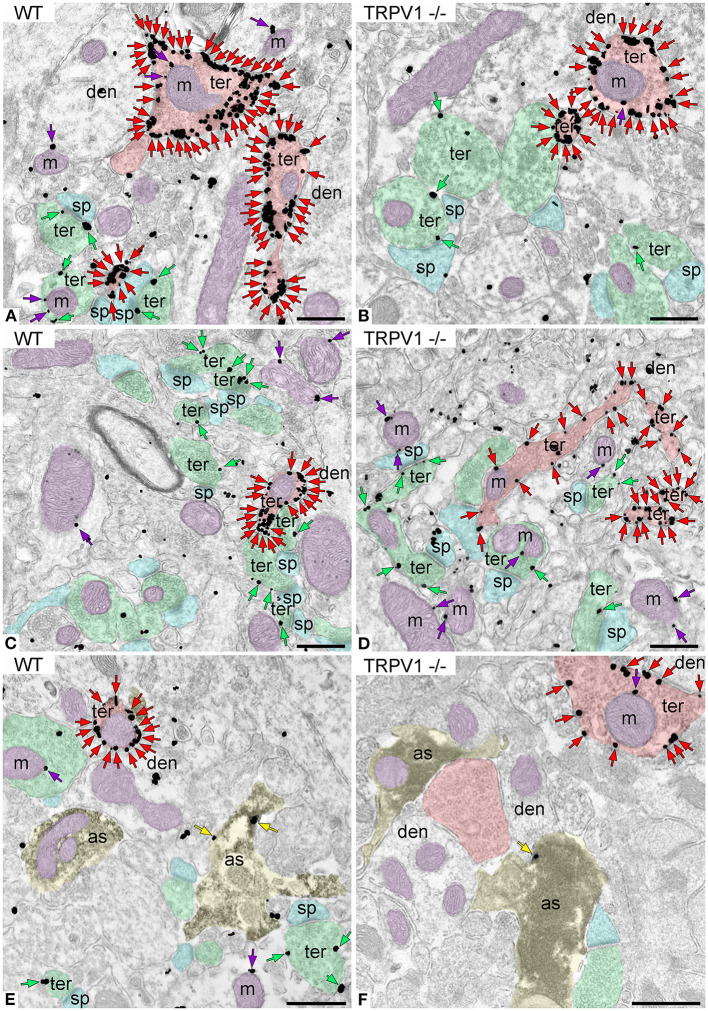
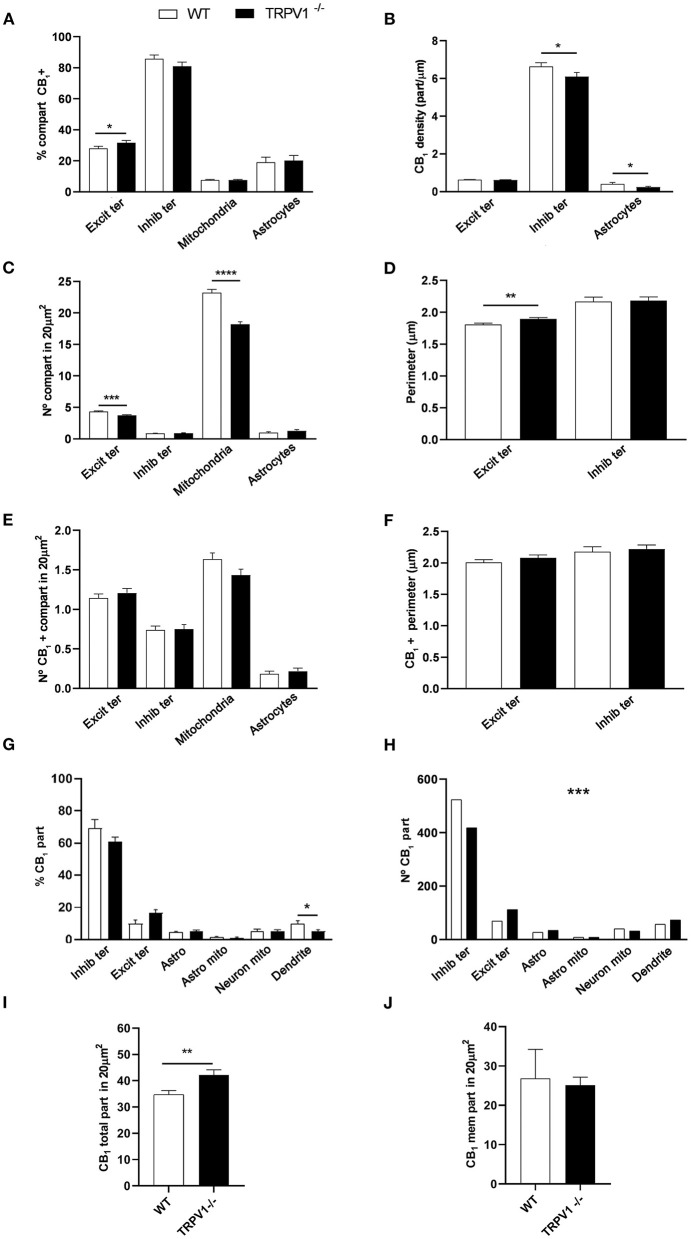
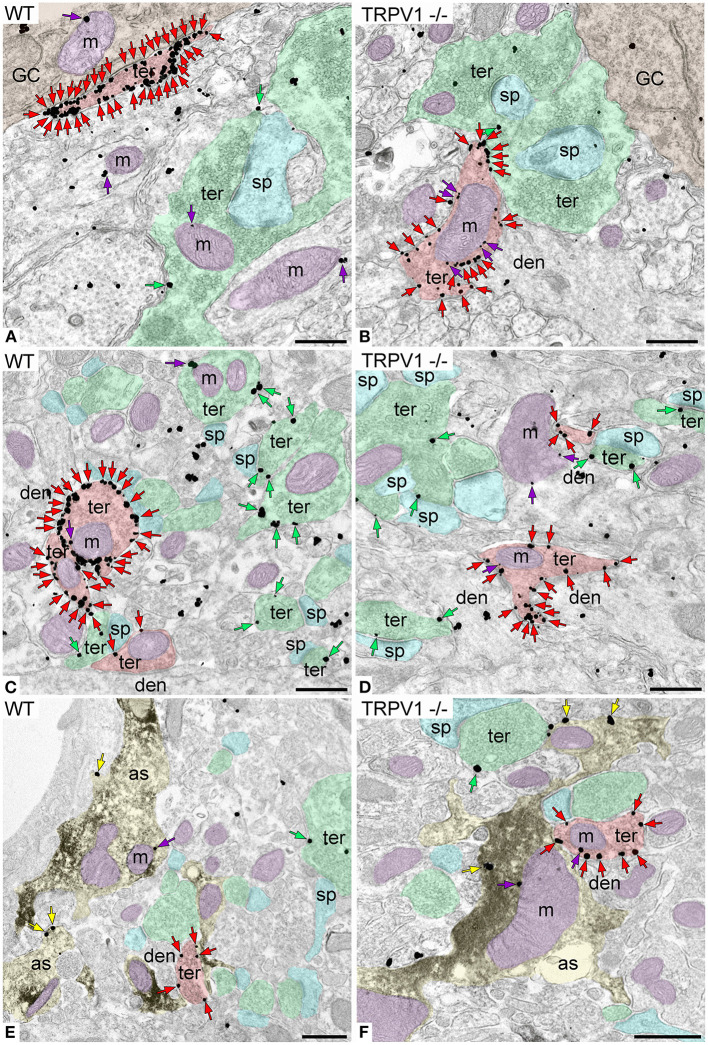
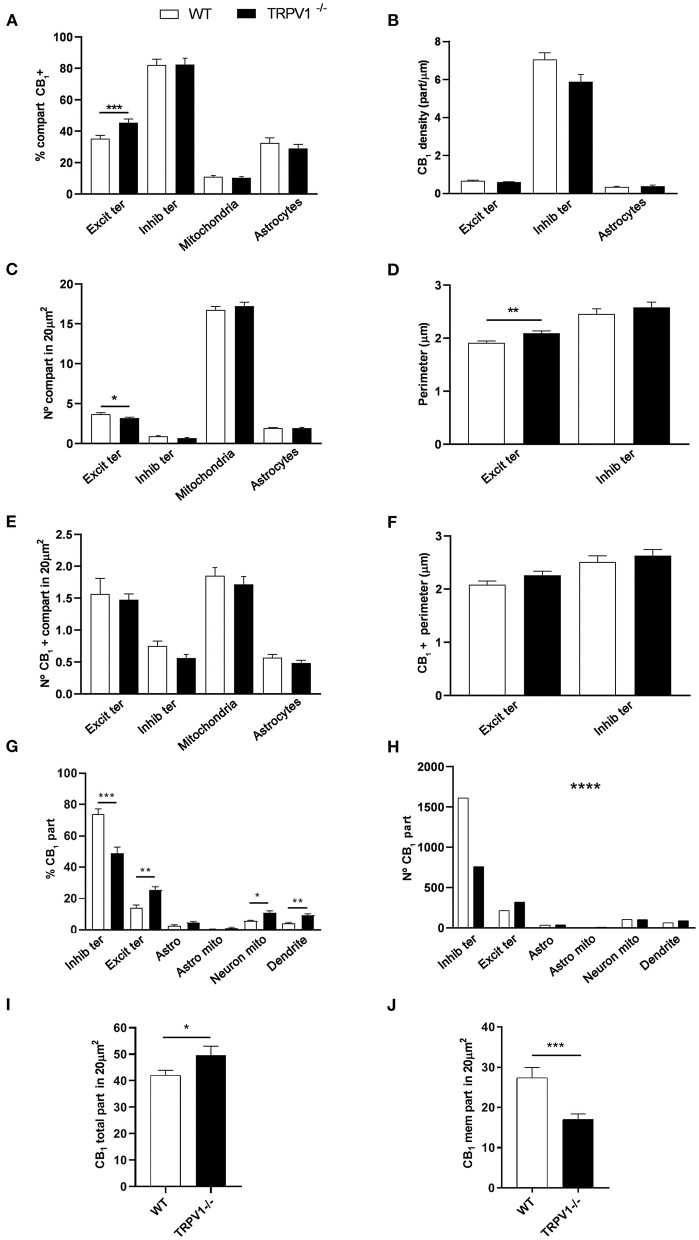
The transient receptor potential vanilloid 1 (TRPV1) is a non-selective ligand-gated cation channel involved in synaptic transmission, plasticity, and brain pathology. In the hippocampal dentate gyrus, TRPV1 localizes to dendritic spines and dendrites postsynaptic to excitatory synapses in the molecular layer (ML). At these same synapses, the cannabinoid CB receptor (CBR) activated by exogenous and endogenous cannabinoids localizes to the presynaptic terminals. Hence, as both receptors are activated by endogenous anandamide, co-localize, and mediate long-term depression of the excitatory synaptic transmission at the medial perforant path (MPP) excitatory synapses though by different mechanisms, it is plausible that they might be exerting a reciprocal influence from their opposite synaptic sites. In this anatomical scenario, we tested whether the absence of TRPV1 affects the endocannabinoid system. The results obtained using biochemical techniques and immunoelectron microscopy in a mouse with the genetic deletion of TRPV1 show that the expression and localization of components of the endocannabinoid system, included CBR, change upon the constitutive absence of TRPV1. Thus, the expression of fatty acid amide hydrolase (FAAH) and monoacylglycerol lipase (MAGL) drastically increased in TRPV1 whole homogenates. Furthermore, CBR and MAGL decreased and the cannabinoid receptor interacting protein 1a (CRIP1a) increased in TRPV1 synaptosomes. Also, CBR positive excitatory terminals increased, the number of excitatory terminals decreased, and CBR particles dropped significantly in inhibitory terminals in the dentate ML of TRPV1 mice. In the outer 2/3 ML of the TRPV1 mutants, the proportion of CBR particles decreased in dendrites, and increased in excitatory terminals and astrocytes. In the inner 1/3 ML, the proportion of labeling increased in excitatory terminals, neuronal mitochondria, and dendrites. Altogether, these observations indicate the existence of compensatory changes in the endocannabinoid system upon TRPV1 removal, and endorse the importance of the potential functional adaptations derived from the lack of TRPV1 in the mouse brain.
瞬时受体电位香草酸亚型1(TRPV1)是一种非选择性配体门控阳离子通道,参与突触传递、可塑性和脑部病理过程。在海马齿状回中,TRPV1定位于分子层(ML)中兴奋性突触的树突棘和突触后树突。在这些相同的突触处,由外源性和内源性大麻素激活的大麻素CB受体(CBR)定位于突触前终末。因此,由于这两种受体均由内源性花生四烯酸乙醇胺激活,共定位,并通过不同机制介导内侧穿通通路(MPP)兴奋性突触处兴奋性突触传递的长时程抑制,所以它们可能从相反的突触位点发挥相互影响是合理的。在这种解剖学情况下,我们测试了TRPV1的缺失是否会影响内源性大麻素系统。在TRPV1基因敲除小鼠中使用生化技术和免疫电子显微镜获得的结果表明,在内源性大麻素系统的组成成分(包括CBR)中,其表达和定位在TRPV1持续缺失时会发生变化。因此,在TRPV1全组织匀浆中,脂肪酸酰胺水解酶(FAAH)和单酰甘油脂肪酶(MAGL)的表达急剧增加。此外,在TRPV1突触体中,CBR和MAGL减少,而大麻素受体相互作用蛋白1a(CRIP1a)增加。同样,在TRPV1小鼠齿状回分子层中,CBR阳性兴奋性终末增加,兴奋性终末数量减少,而抑制性终末中的CBR颗粒显著减少。在TRPV1突变体的外侧2/3分子层中,CBR颗粒在树突中的比例降低,而在兴奋性终末和星形胶质细胞中增加。在内侧1/3分子层中,标记比例在兴奋性终末、神经元线粒体和树突中增加。总之,这些观察结果表明在去除TRPV1后内源性大麻素系统存在代偿性变化,并支持了小鼠脑中缺乏TRPV1所产生的潜在功能适应性的重要性。