Meng Liangliang, He Xiaoxi, Hong Quan, Qiao Bo, Zhang Xiao, Wu Bin, Zhang Xiaobo, Wei Yingtian, Li Jing, Ye Zhaoxiang, Xiao Yueyong
Medical School of Chinese PLA, Beijing, China.
Department of Radiology, The First Medical Centre, Chinese PLA General Hospital, Beijing, China.
Front Oncol. 2021 Feb 22;11:618187. doi: 10.3389/fonc.2021.618187. eCollection 2021.
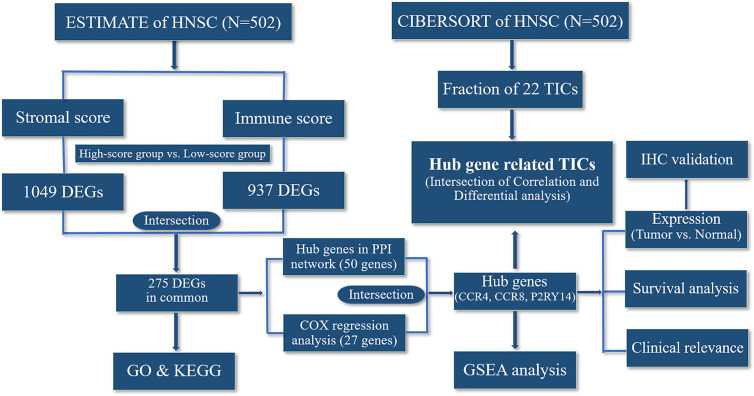
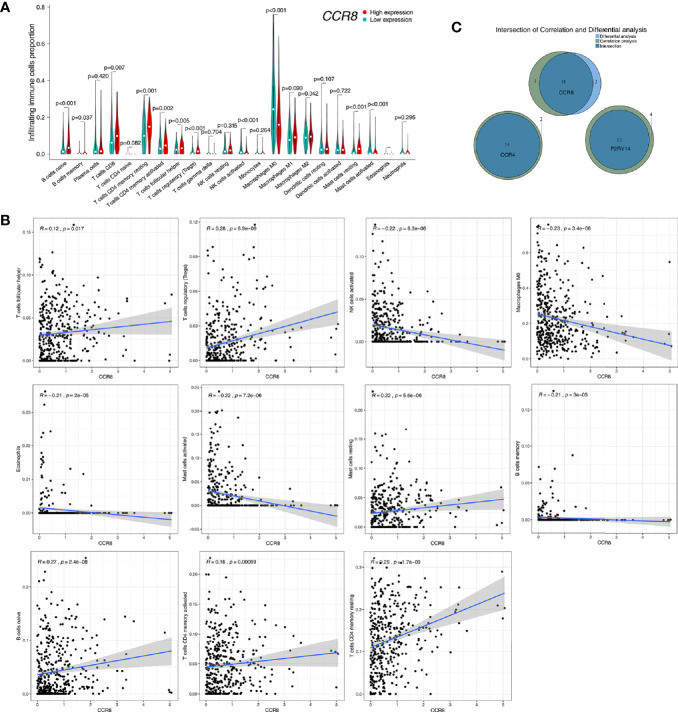
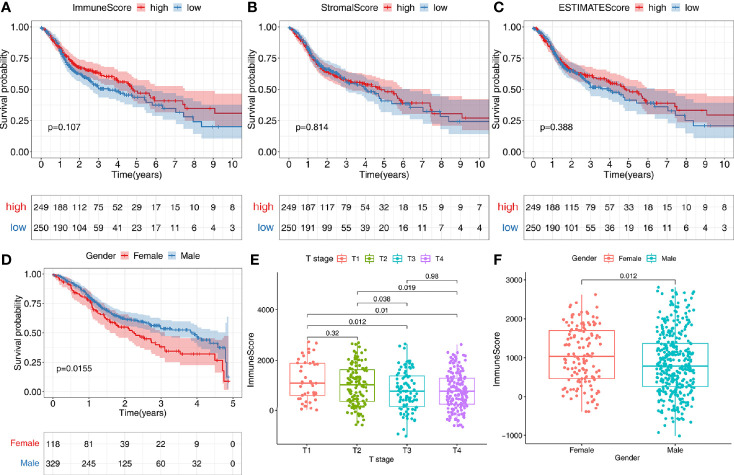
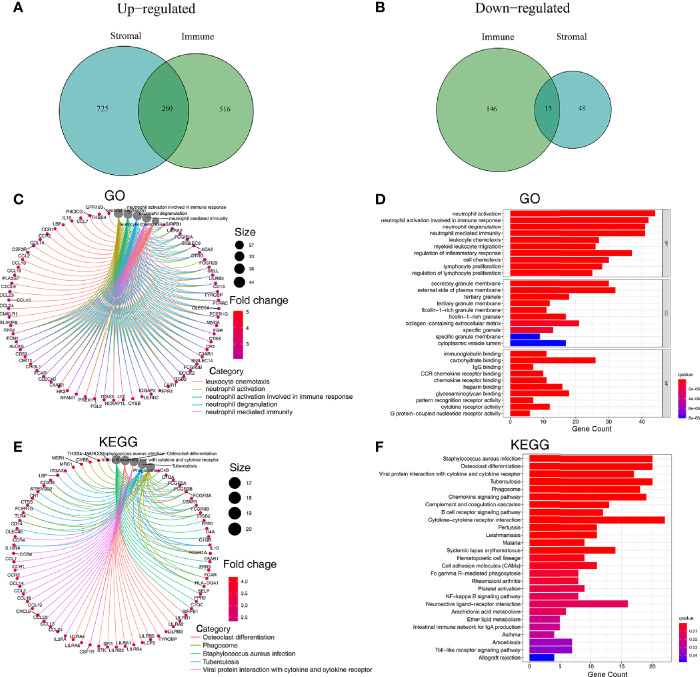
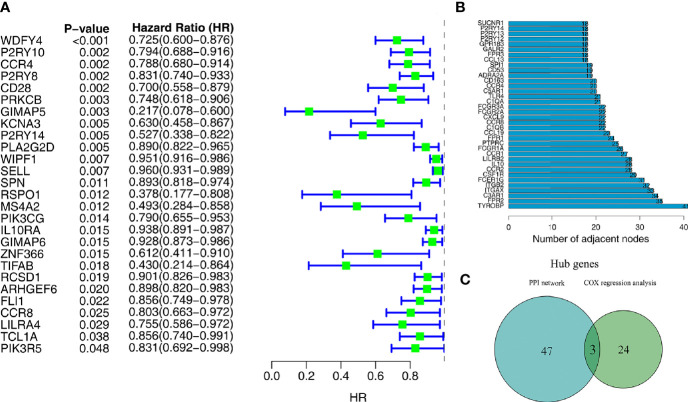
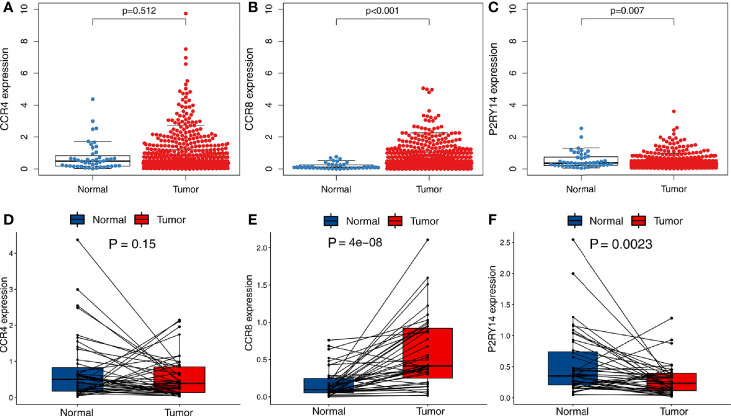
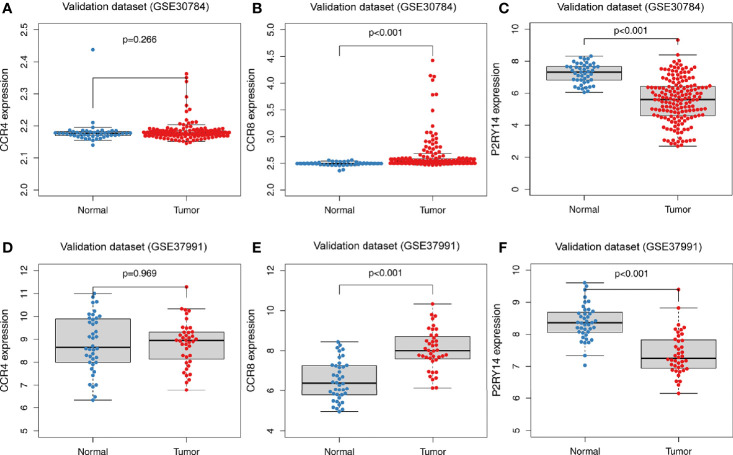
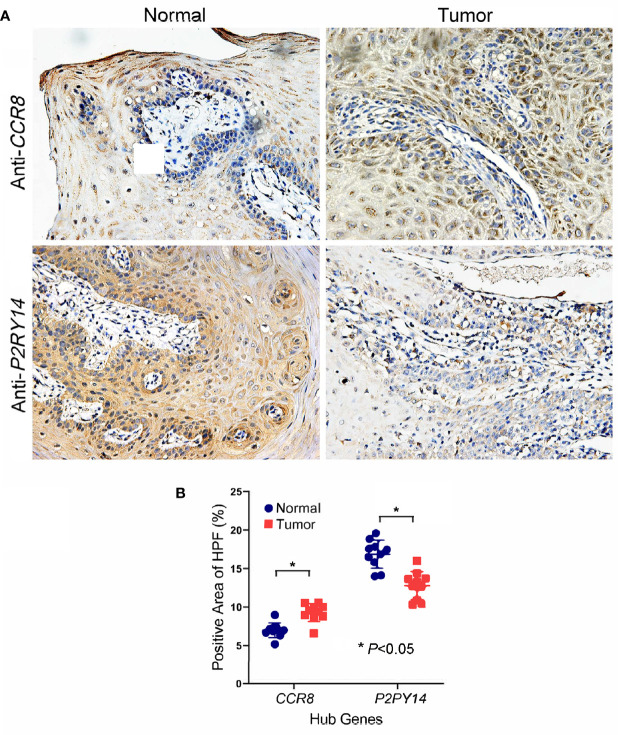
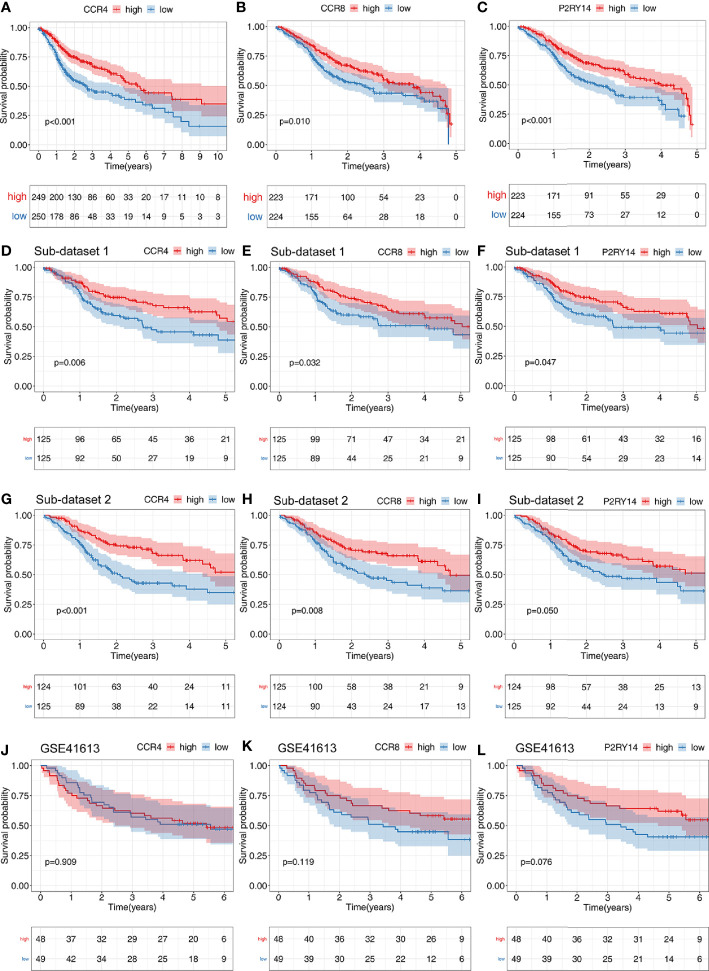
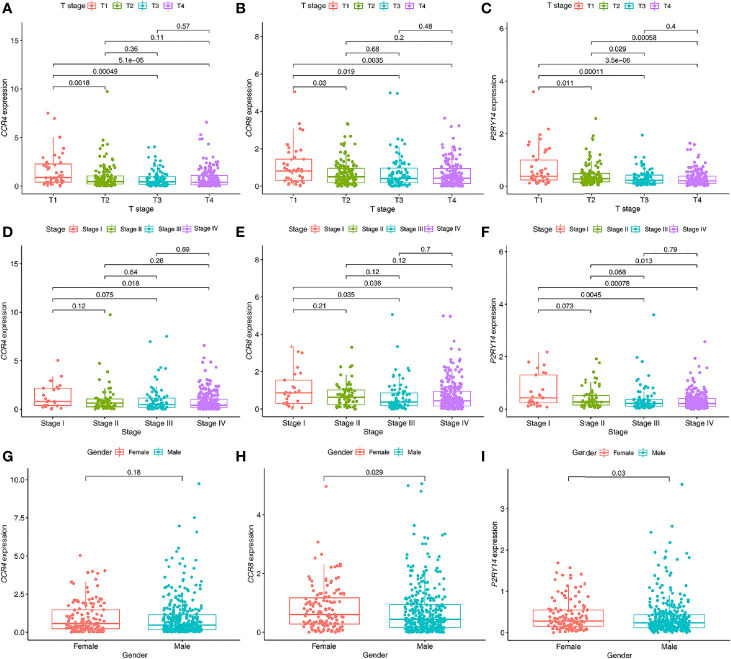
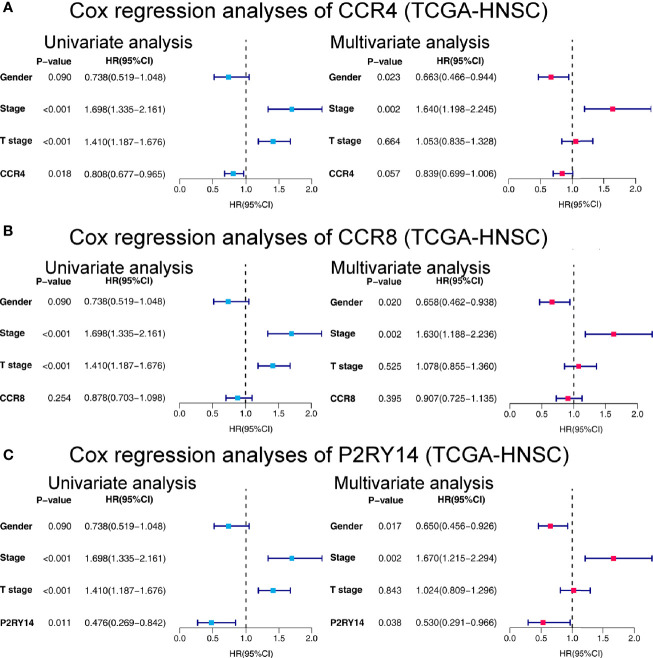
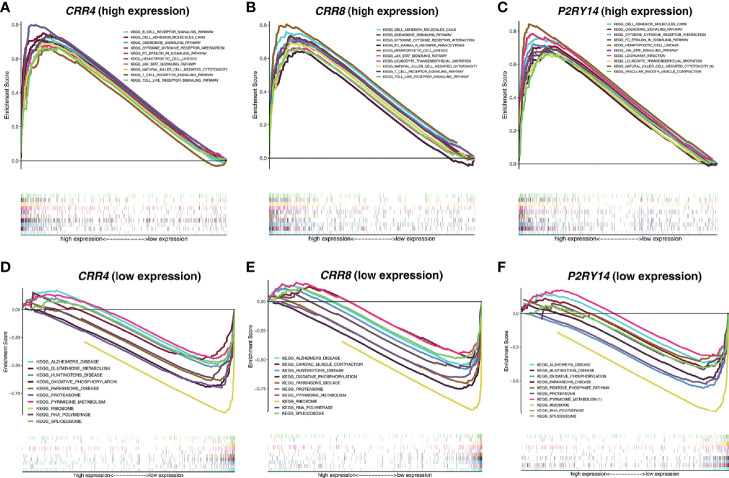
The tumor microenvironment (TME) plays a critical role in the initiation and progression of cancer. However, the specific mechanism of its regulation in head and neck squamous cell carcinoma (HNSCC) remains unclear. In this study, we first applied the ESTIMATE method to calculate the immune and stromal scores in patients' tumor tissues from The Cancer Genome Atlas (TCGA) database. GSE41613, GSE30784, and GSE37991 data sets from the Gene Expression Omnibus (GEO) database were recruited for further validation. Differentially expressed genes (DEGs) were identified and then analyzed by Cox regression analysis and protein-protein interaction (PPI) network construction. DEGs significantly associated with prognosis and TME will be identified as hub genes. These genes were also validated at the protein level by immunohistochemical analysis of 10 pairs of primary tumor tissues and the adjacent normal tissues from our institution. The relationship between hub genes expression and immune cell fraction estimated by CIBERSORT software was also examined. 275 DEGs were significantly associated with TME. , and have then identified as hub genes by intersection Cox and PPI analysis. Further investigation revealed that the expression of , and was negatively correlated with clinicopathological characteristics (clinical stage, T stage) and positively associated with survival in HNSCC patients, especially in male patients. The expression of and was lower in males than in females. and were differentially expressed in tumor tissues than normal tissues, and the results were validated at the protein level by immunohistochemistry experiments. Gene set enrichment analysis (GSEA) showed that the high expression groups' hub genes were mainly enriched for immune-related activities. In the low-expression groups, genes were primarily enriched in metabolic pathways. CIBERSORT results showed that the expression of these genes was all negatively correlated with the fraction of memory B cells and positively correlated with the fraction of the other four cells, including naive B cells, resting T cells CD4 memory, T cells follicular helper, and T cells regulatory (Tregs). The results suggest that , and may be responsible for maintaining the immune dominance of TME, thus leading to a better prognosis.
肿瘤微环境(TME)在癌症的发生和发展中起着关键作用。然而,其在头颈部鳞状细胞癌(HNSCC)中的具体调控机制仍不清楚。在本研究中,我们首先应用ESTIMATE方法计算来自癌症基因组图谱(TCGA)数据库的患者肿瘤组织中的免疫和基质评分。招募了来自基因表达综合数据库(GEO)的GSE41613、GSE30784和GSE37991数据集进行进一步验证。鉴定差异表达基因(DEG),然后通过Cox回归分析和蛋白质-蛋白质相互作用(PPI)网络构建进行分析。与预后和TME显著相关的DEG将被鉴定为枢纽基因。这些基因还通过对我们机构的10对原发性肿瘤组织和相邻正常组织进行免疫组织化学分析在蛋白质水平上进行了验证。还研究了枢纽基因表达与通过CIBERSORT软件估计的免疫细胞分数之间的关系。275个DEG与TME显著相关。然后,通过交叉Cox和PPI分析将 、 和 鉴定为枢纽基因。进一步研究表明, 、 和 的表达与HNSCC患者的临床病理特征(临床分期、T分期)呈负相关,与生存呈正相关,尤其是男性患者。 和 的表达在男性中低于女性。 和 在肿瘤组织中与正常组织相比存在差异表达,并且通过免疫组织化学实验在蛋白质水平上验证了结果。基因集富集分析(GSEA)表明,高表达组的枢纽基因主要富集于免疫相关活动。在低表达组中,基因主要富集于代谢途径。CIBERSORT结果表明,这些基因的表达均与记忆B细胞分数呈负相关,与其他四种细胞的分数呈正相关,包括幼稚B细胞、静息T细胞CD4记忆、T细胞滤泡辅助细胞和调节性T细胞(Tregs)。结果表明, 、 和 可能负责维持TME的免疫优势,从而导致更好的预后。