Yang Kun, Dong Wenbin
Department of Newborn Medicine, The Affiliated Hospital of Southwest Medical University, Luzhou, China.
Front Med (Lausanne). 2021 Feb 22;8:595634. doi: 10.3389/fmed.2021.595634. eCollection 2021.
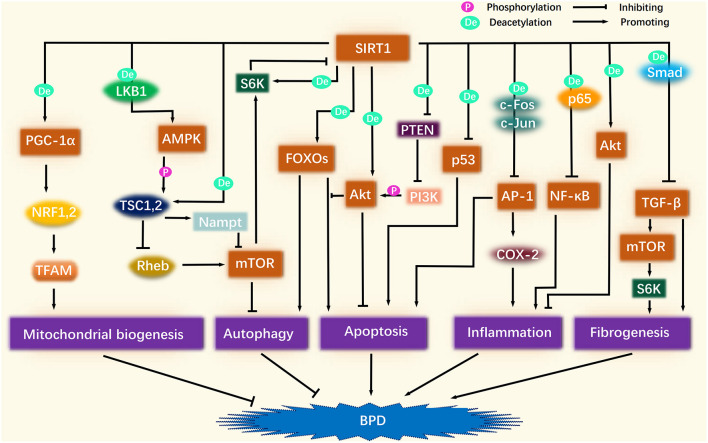
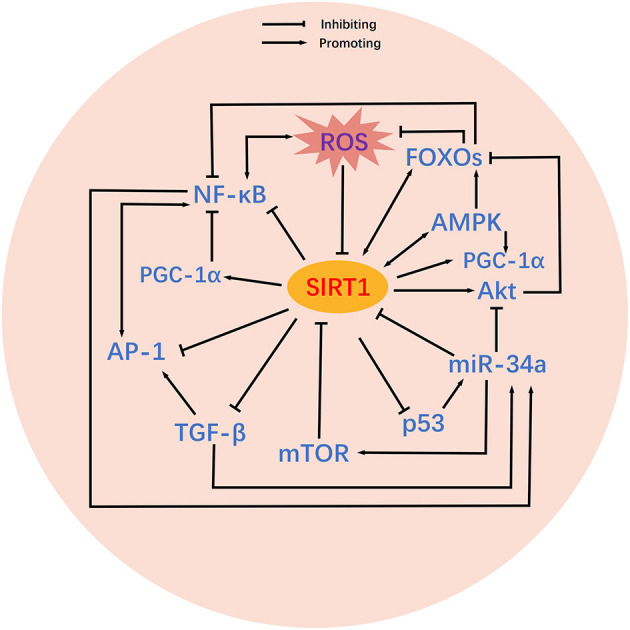
Bronchopulmonary dysplasia (BPD) is a chronic and debilitating disease that can exert serious and overwhelming effects on the physical and mental health of premature infants, predominantly due to intractable short- and long-term complications. Oxidative stress is one of the most predominant causes of BPD. Hyperoxia activates a cascade of hazardous events, including mitochondrial dysfunction, uncontrolled inflammation, reduced autophagy, increased apoptosis, and the induction of fibrosis. These events may involve, to varying degrees, alterations in SIRT1 and its associated targets. In the present review, we describe SIRT1-related signaling pathways and their association with BPD. Our intention is to provide new insights into the molecular mechanisms that regulate BPD and identify potential therapeutic targets for this debilitating condition.
支气管肺发育不良(BPD)是一种慢性衰弱性疾病,主要由于难治的短期和长期并发症,可对早产儿的身心健康产生严重且巨大的影响。氧化应激是BPD最主要的病因之一。高氧激活一系列有害事件,包括线粒体功能障碍、失控的炎症反应、自噬减少、细胞凋亡增加以及纤维化的诱导。这些事件可能在不同程度上涉及沉默信息调节因子1(SIRT1)及其相关靶点的改变。在本综述中,我们描述了与SIRT1相关的信号通路及其与BPD的关联。我们的目的是为调节BPD的分子机制提供新的见解,并确定针对这种衰弱性疾病的潜在治疗靶点。