Institute for Bioinnovation, BSRC "Alexander Fleming", Vari, Greece.
Institute of Immunobiology, Kantonsspital St Gallen, St Gallen, Switzerland.
Nat Immunol. 2021 Apr;22(4):510-519. doi: 10.1038/s41590-021-00894-5. Epub 2021 Mar 11.
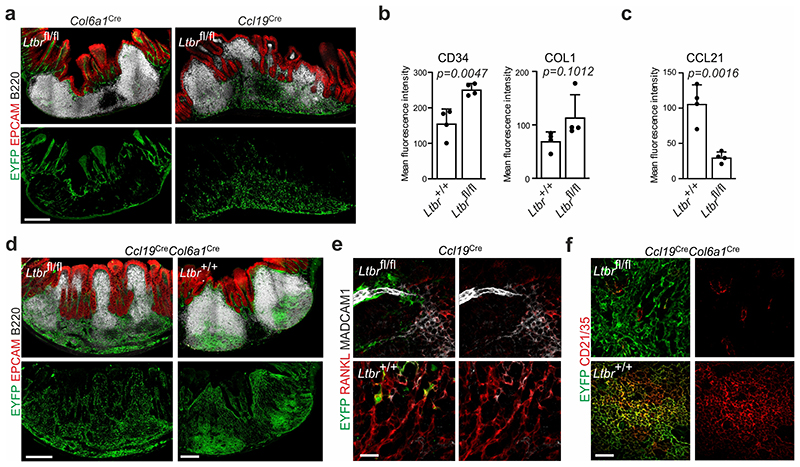
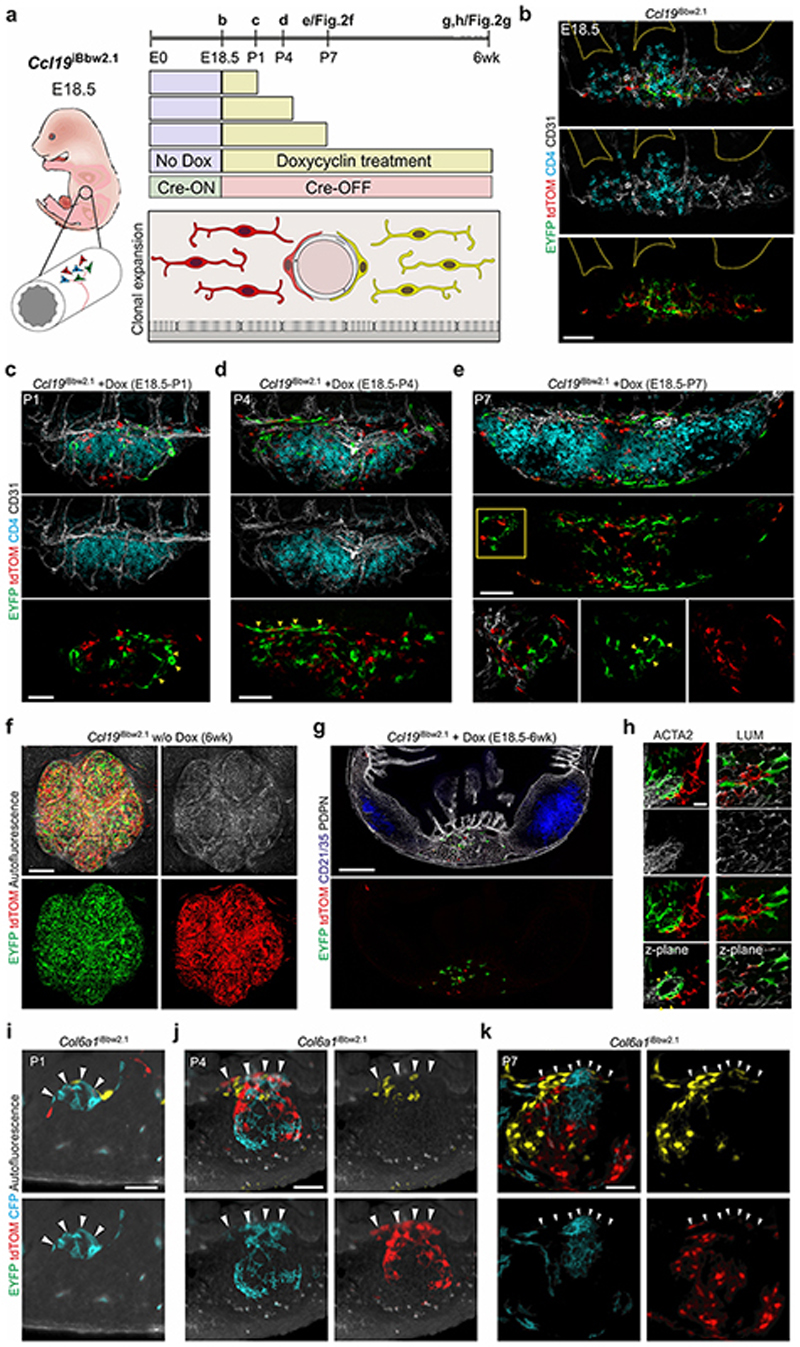
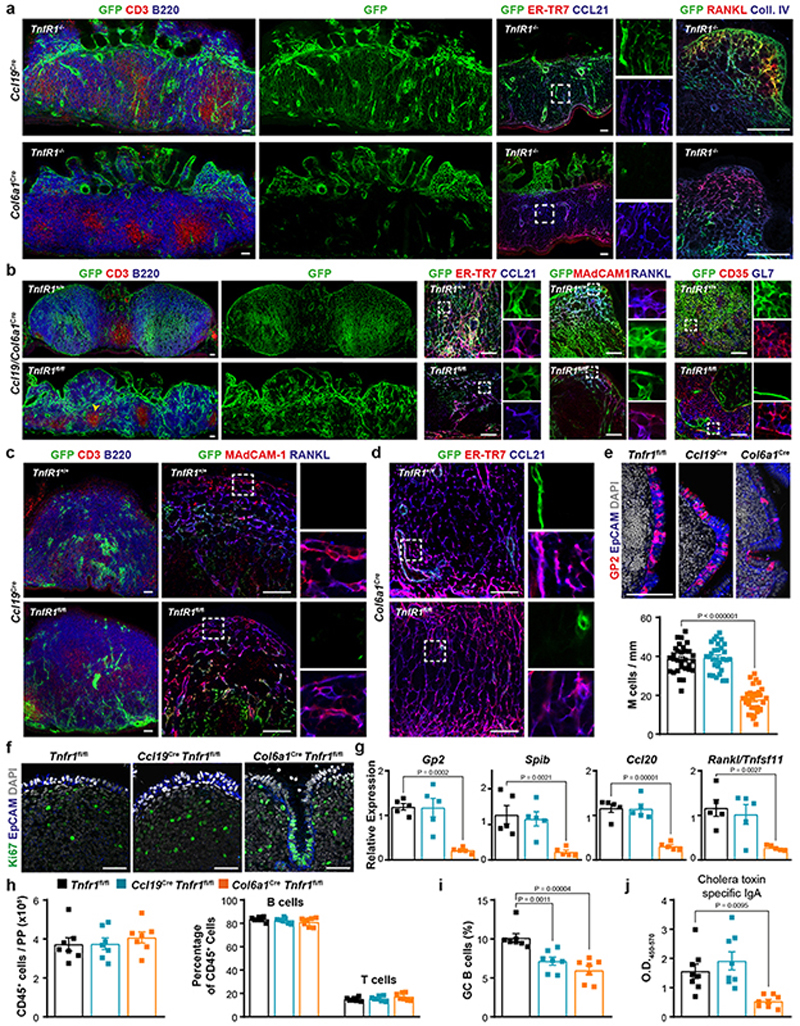
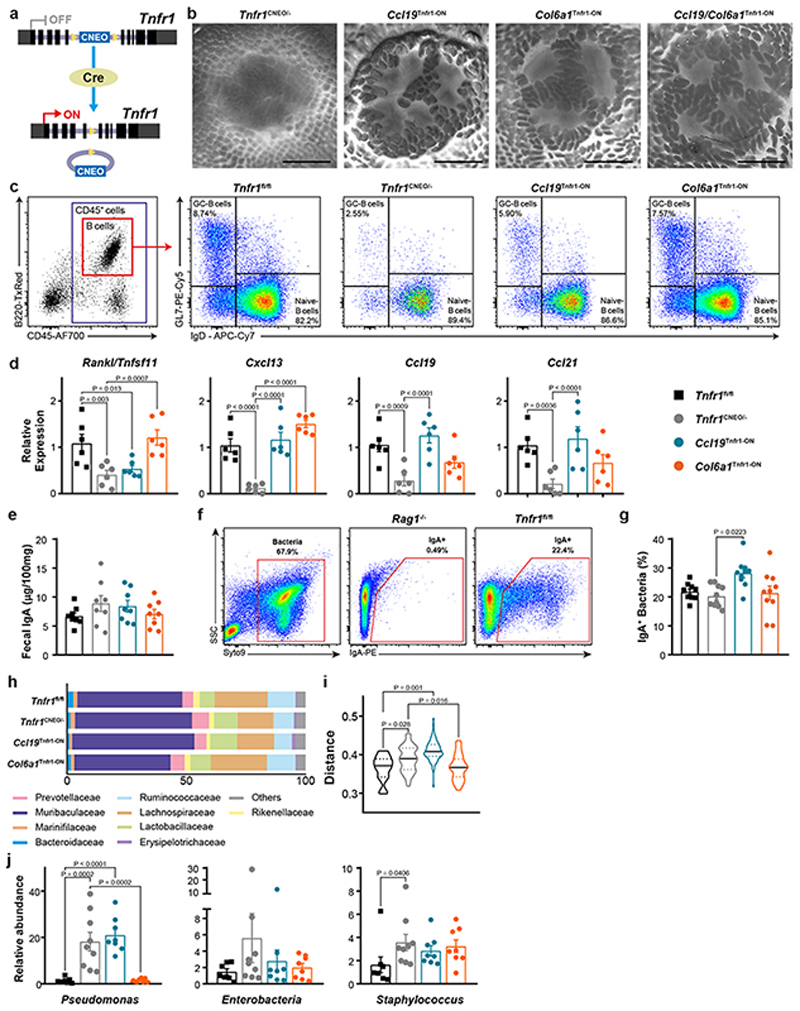
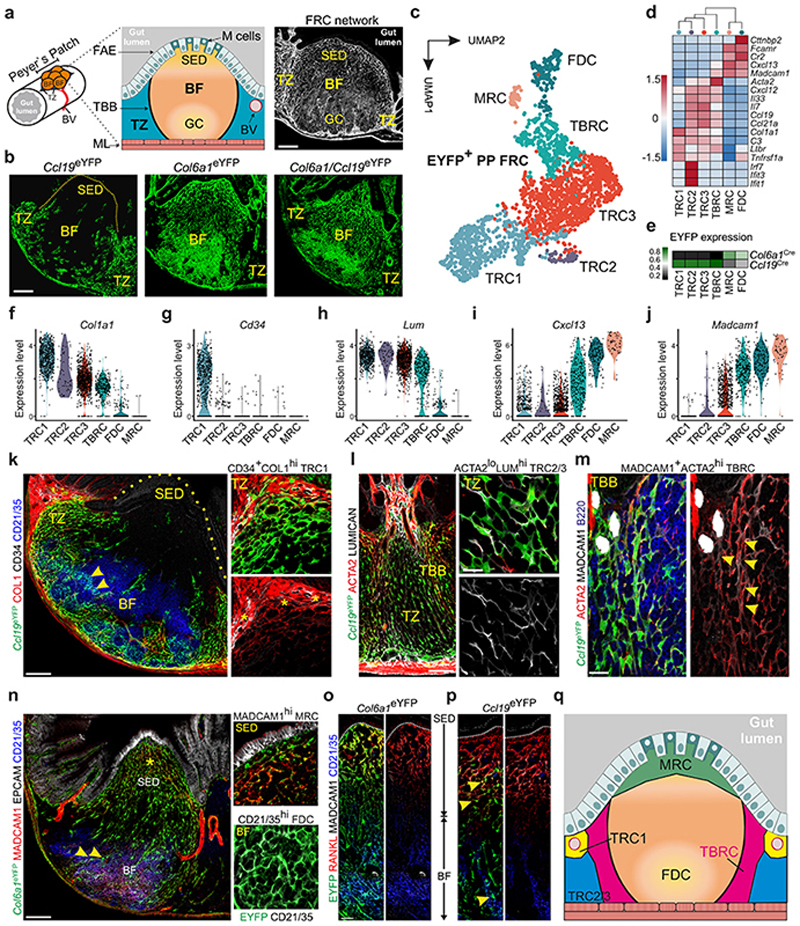
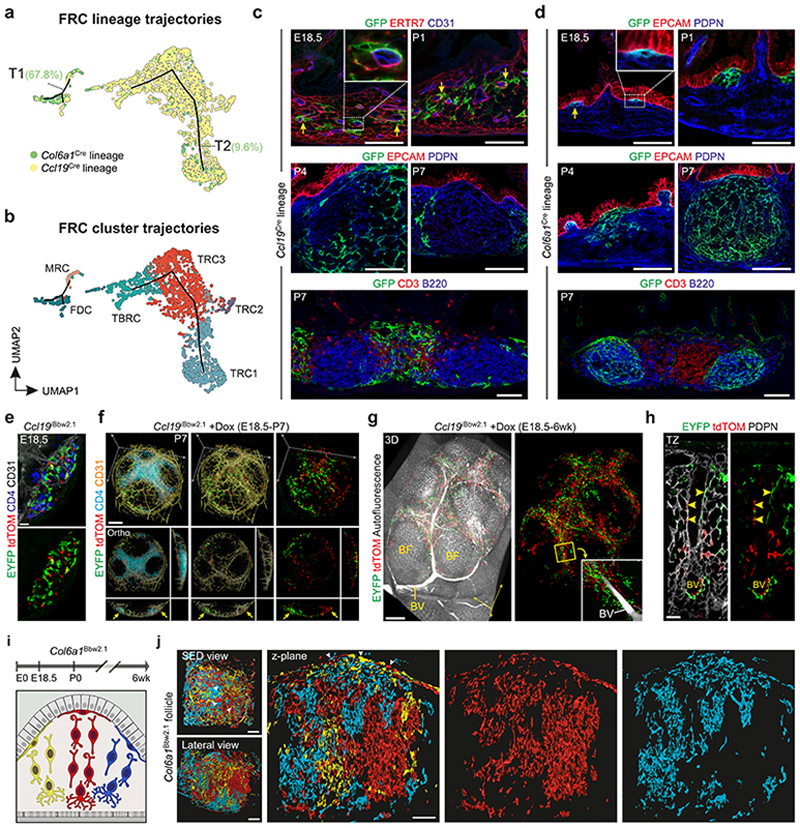
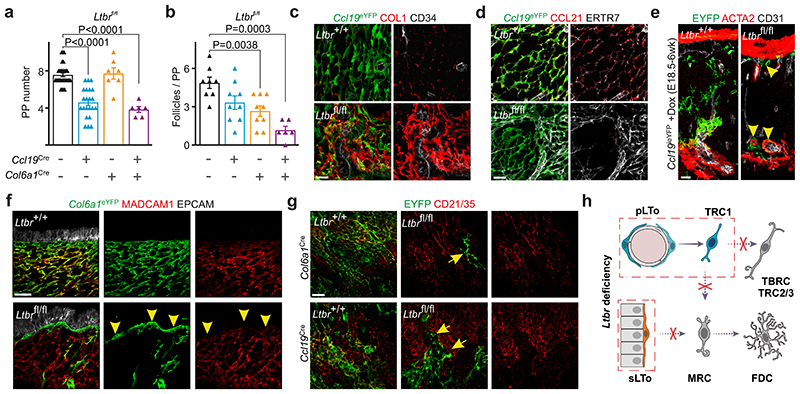
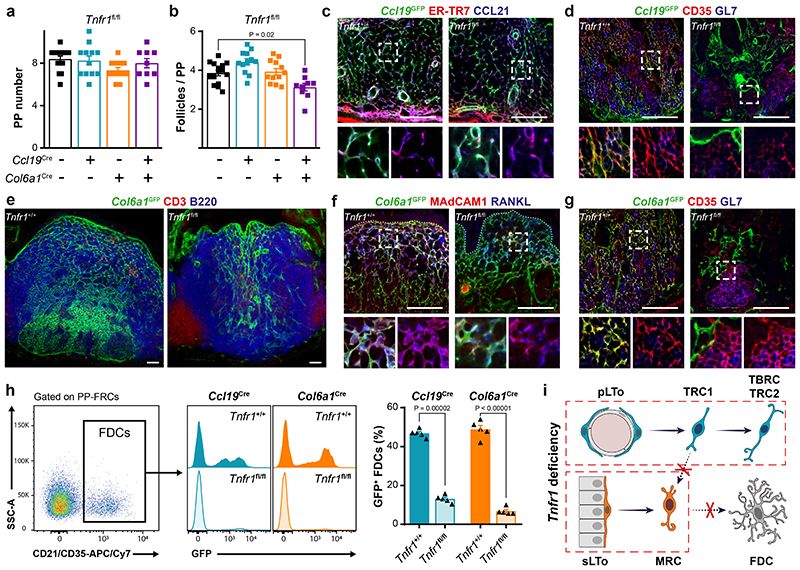
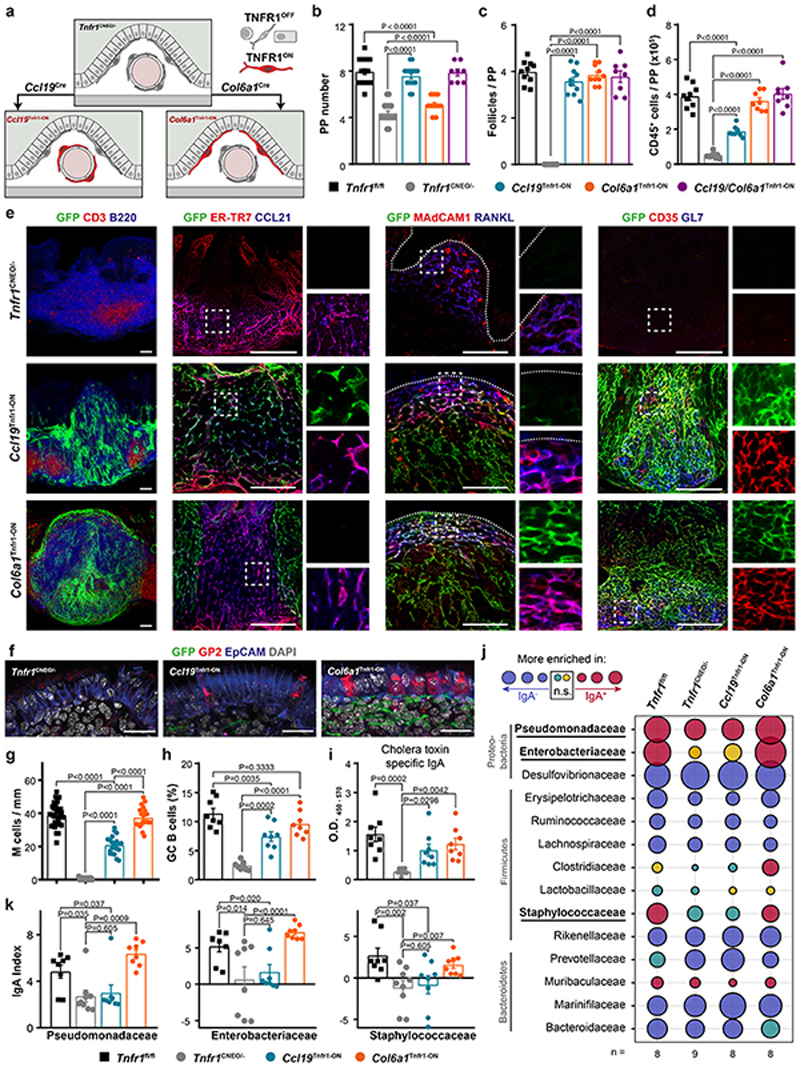
Fibroblastic reticular cells (FRCs) determine the organization of lymphoid organs and control immune cell interactions. While the cellular and molecular mechanisms underlying FRC differentiation in lymph nodes and the splenic white pulp have been elaborated to some extent, in Peyer's patches (PPs) they remain elusive. Using a combination of single-cell transcriptomics and cell fate mapping in advanced mouse models, we found that PP formation in the mouse embryo is initiated by an expansion of perivascular FRC precursors, followed by FRC differentiation from subepithelial progenitors. Single-cell transcriptomics and cell fate mapping confirmed the convergence of perivascular and subepithelial FRC lineages. Furthermore, lineage-specific loss- and gain-of-function approaches revealed that the two FRC lineages synergistically direct PP organization, maintain intestinal microbiome homeostasis and control anticoronavirus immune responses in the gut. Collectively, this study reveals a distinct mosaic patterning program that generates key stromal cell infrastructures for the control of intestinal immunity.
纤维母细胞网状细胞(FRCs)决定淋巴器官的组织并控制免疫细胞的相互作用。虽然淋巴结和脾白髓中 FRC 分化的细胞和分子机制已经在一定程度上得到了阐述,但在派尔集合淋巴结(PPs)中仍然难以捉摸。我们使用先进的小鼠模型中的单细胞转录组学和细胞命运映射的组合,发现小鼠胚胎中 PP 的形成是由血管周 FRC 前体的扩张启动的,随后是上皮下祖细胞的 FRC 分化。单细胞转录组学和细胞命运映射证实了血管周和上皮下 FRC 谱系的收敛。此外,谱系特异性的失活和获得功能方法表明,这两个 FRC 谱系协同指导 PP 的组织,维持肠道微生物组的平衡,并控制肠道中的抗冠状病毒免疫反应。总的来说,这项研究揭示了一个独特的镶嵌模式程序,为控制肠道免疫生成关键的基质细胞基础设施。