El Zarif Mona, Alió Jorge L, Alió Del Barrio Jorge L, De Miguel Maria P, Abdul Jawad Karim, Makdissy Nehman
Optica General, Saida, Lebanon.
Division of Ophthalmology, Universidad Miguel Hernández, Alicante, Spain.
Front Med (Lausanne). 2021 Feb 23;8:650724. doi: 10.3389/fmed.2021.650724. eCollection 2021.
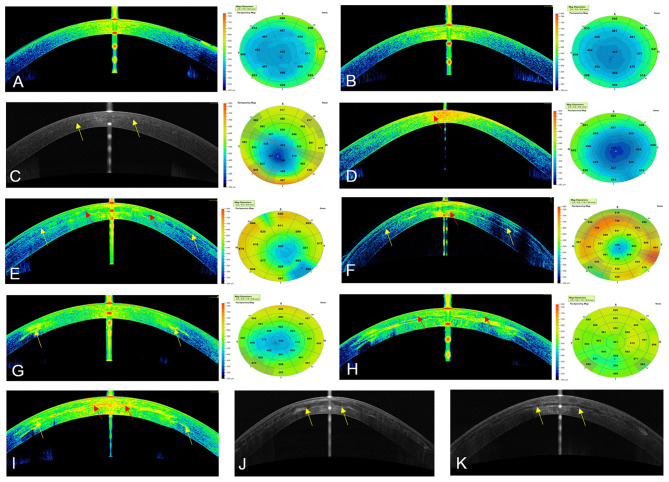
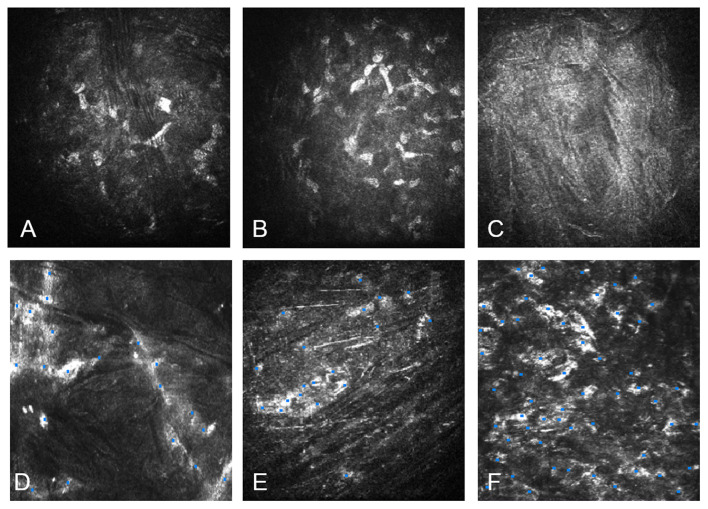
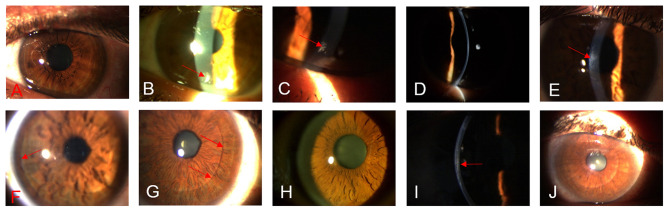
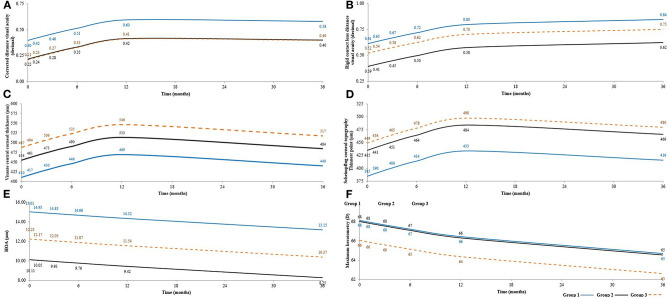
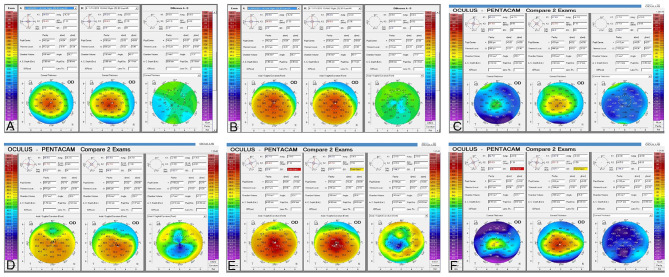
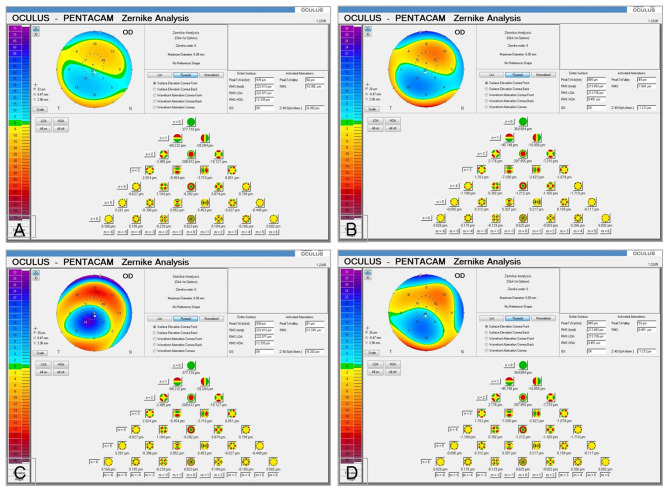
The use of advanced therapies with stem cells to reconstruct the complex tissue of corneal stroma has gained interest in recent years. Besides, collagen-based scaffolds bioengineering has been offered as another alternative over the last decade. The outcomes of the first clinical experience with stem cells therapy on corneal stroma regeneration in patients with advanced keratoconus were recently reported. Patients were distributed into three experimental groups: Group 1 (G-1) patients underwent implantation of autologous adipose-derived adult stem cells ( alone, Group 2 (G-2) received a 120 μm decellularized donor corneal stromal laminas, and Group 3 (G-3) received a 120 μm recellularized donor laminas with . A follow up of 36 months of clinical data, and 12 months of confocal microscopy study was performed, the authors found significant clinical improvement in almost all studied mean values of primary and secondary outcomes. Corneal confocal microscopy demonstrated an increase in cell density in the host stroma, as well as in the implanted tissue. Using different approaches, allogenic small incision lenticule extraction implantation was applied in cases with advanced keratoconus. Some authors reported the implantation of intrastromal lenticules combined with accelerated collagen cross-linking. Others performed intrastromal implantation of negative meniscus-shaped corneal stroma lenticules. Others have compared the outcomes of penetrating keratoplasty () vs. small-incision Intralase femtosecond (IFS) intracorneal concave lenticule implantation (). Femtosecond laser-assisted small incision sutureless intrasotromal lamellar keratoplasty ( has been also investigated. The published evidence shows that the implantation of autologous , decellularized or recellularized human corneal stroma, allogenic lenticules corneal inlay, and recombinant cross-linked collagen have shown initially to be potentially effective for the treatment of advanced keratoconus. In light of the present evidence available, it can be said that the era of corneal stromal regeneration therapy has been already started.
近年来,使用先进的干细胞疗法来重建角膜基质的复杂组织受到了关注。此外,在过去十年中,基于胶原蛋白的支架生物工程已成为另一种选择。最近报道了干细胞疗法治疗晚期圆锥角膜患者角膜基质再生的首例临床经验结果。患者被分为三个实验组:第1组(G-1)患者接受自体脂肪来源的成体干细胞植入(单独植入),第2组(G-2)接受120μm的去细胞供体角膜基质层,第3组(G-3)接受120μm的再细胞化供体层。进行了36个月的临床数据随访和12个月的共聚焦显微镜研究,作者发现几乎所有主要和次要结果的研究平均值都有显著的临床改善。角膜共聚焦显微镜显示宿主基质以及植入组织中的细胞密度增加。对于晚期圆锥角膜病例,采用了不同的方法进行同种异体小切口透镜切除术植入。一些作者报道了基质内透镜植入联合加速胶原交联。另一些人进行了基质内负弯月形角膜基质透镜植入。还有一些人比较了穿透性角膜移植术(PK)与小切口飞秒激光(IFS)角膜内凹透镜植入术(ICL)的结果。飞秒激光辅助小切口无缝合基质内板层角膜移植术(FS-LASIK)也在研究中。已发表的证据表明,自体、去细胞或再细胞化的人角膜基质植入、同种异体透镜角膜镶嵌术以及重组交联胶原最初显示出对治疗晚期圆锥角膜有潜在效果。根据现有证据,可以说角膜基质再生治疗的时代已经开始。