Chemical Engineering Department, Faculty of Engineering, Shahid Bahonar University of Kerman, Kerman, Iran.
Chemical Engineering Department, Faculty of Engineering, Shahid Bahonar University of Kerman, Kerman, Iran; Chemical Engineering Department, Faculty of Engineering, Vali-e-Asr University of Rafsanjan, Rafsanjan, Iran.
Biophys Chem. 2021 May;272:106564. doi: 10.1016/j.bpc.2021.106564. Epub 2021 Feb 20.
Despite all the efforts to treat COVID-19, no particular cure has been found for this virus. Since developing antiviral drugs is a time-consuming process, the most effective approach is to evaluate the approved and under investigation drugs using in silico methods. Among the different targets within the virus structure, as a vital component in the life cycle of coronaviruses, RNA-dependent RNA polymerase (RdRP) can be a critical target for antiviral drugs. The impact of the existence of RNA in the enzyme structure on the binding affinity of anti-RdRP drugs has not been investigated so far.
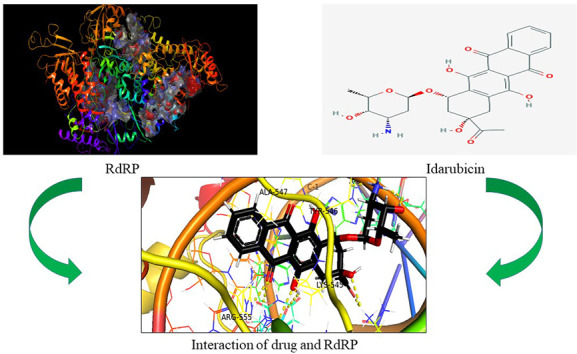
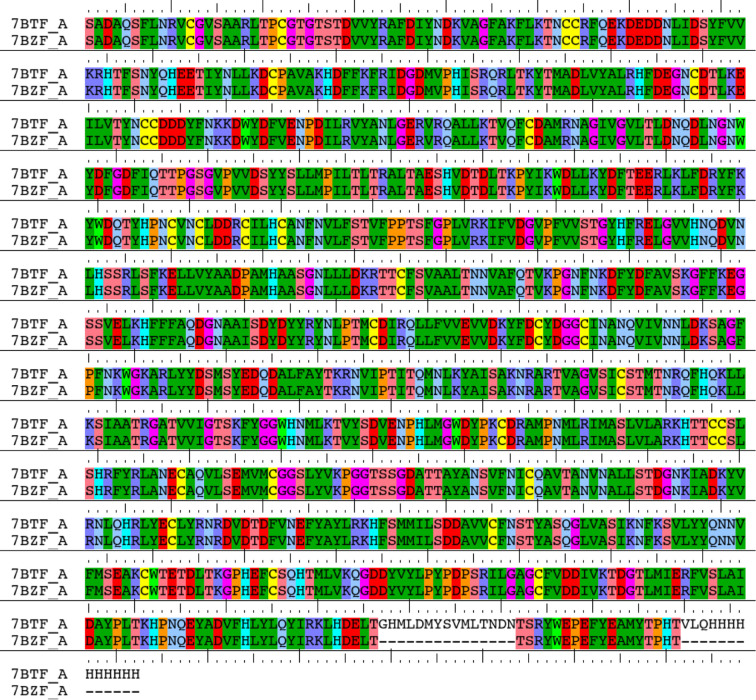
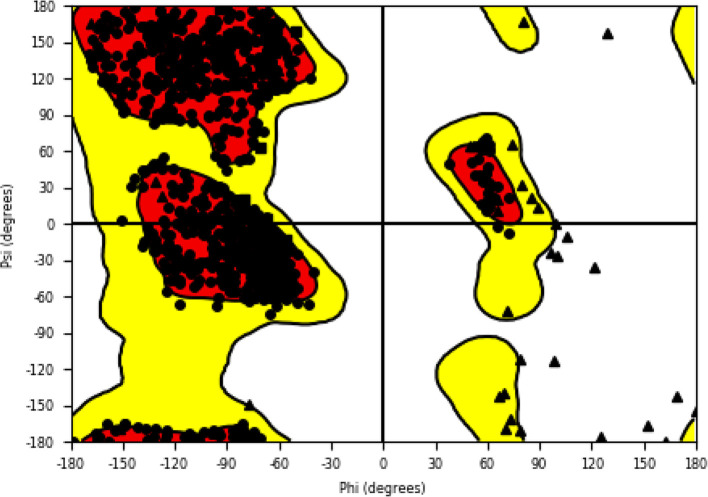
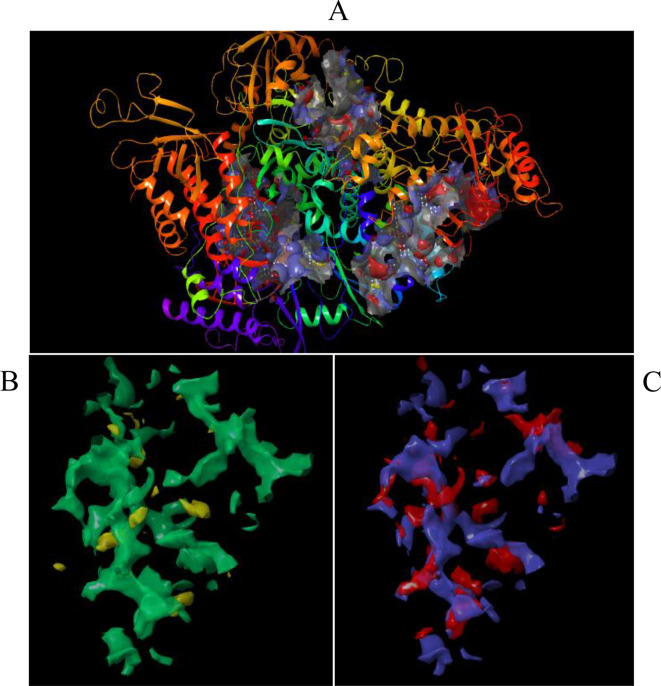
In this study, the potential anti-RdRP effects of a variety of drugs from two databases (Zinc database and DrugBank) were evaluated using molecular docking. For this purpose, the newly emerged model of COVID-19 (RdRP) post-translocated catalytic complex (PDB ID: 7BZF) that consists of RNA was chosen as the target.
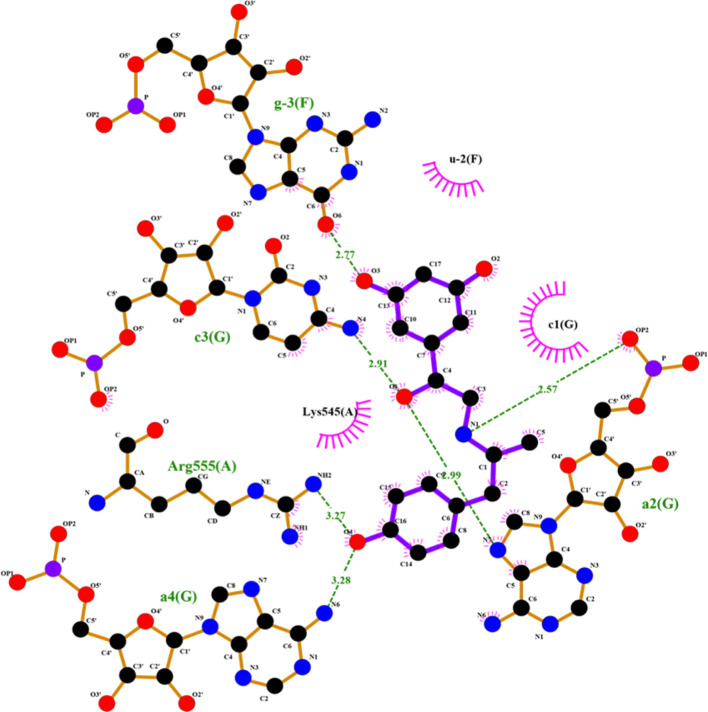
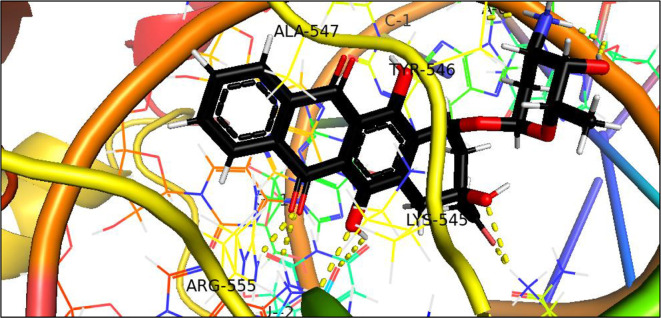
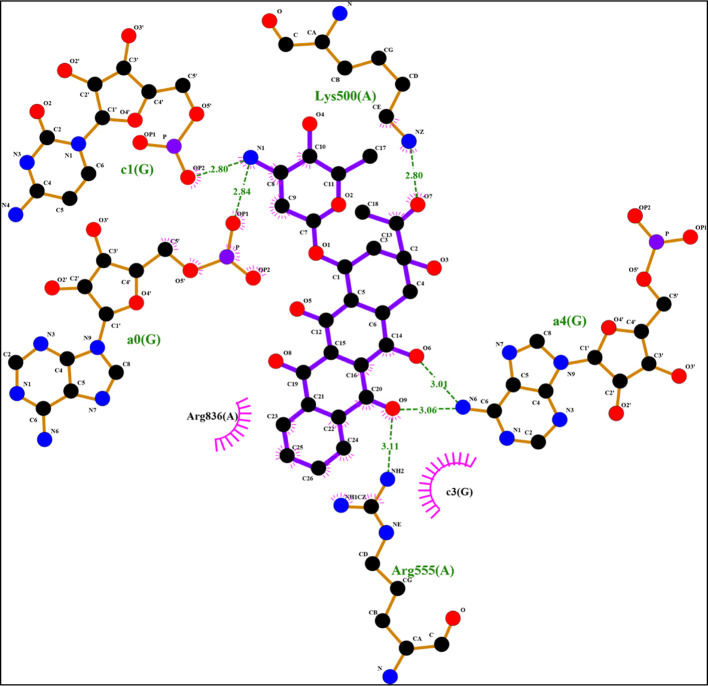
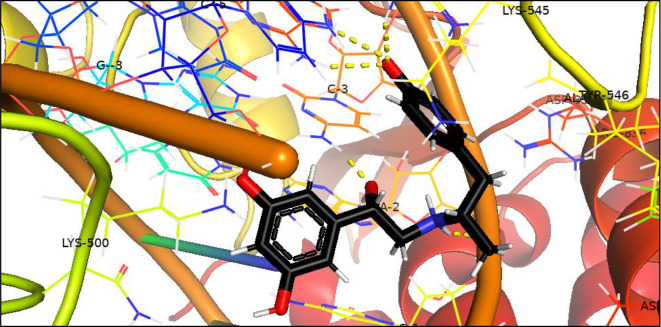
The results indicated that idarubicin (IDR), a member of the anthracycline antibiotic family, and fenoterol (FNT), a known beta-2 adrenergic agonist drug, tightly bind to the target enzyme and could be used as potential anti-RdRP inhibitors of severe acute respiratory syndrome coronavirus 2 (SARS-CoV-2). These outcomes revealed that due to the ligand-protein interactions, the presence of RNA in this structure could remarkably affect the binding affinity of inhibitor compounds.
In silico approaches, such as molecular docking, could effectively address the problem of finding appropriate treatment for COVID-19. Our results showed that IDR and FNT have a significant affinity to the RdRP of SARS-CoV-2; therefore, these drugs are remarkable inhibitors of coronaviruses.
尽管人们为治疗 COVID-19 做出了种种努力,但目前仍未找到针对该病毒的特效疗法。由于开发抗病毒药物是一个耗时的过程,因此最有效的方法是使用计算机模拟方法来评估已批准和正在研究的药物。在病毒结构的不同靶标中,RNA 依赖性 RNA 聚合酶(RdRP)作为冠状病毒生命周期中的一个重要组成部分,可能成为抗病毒药物的一个关键靶标。迄今为止,尚未研究酶结构中 RNA 的存在对抗 RdRP 药物结合亲和力的影响。
在这项研究中,使用分子对接评估了来自两个数据库(Zinc 数据库和 DrugBank)的多种药物对 RdRP 的潜在抑制作用。为此,选择了新出现的 COVID-19(RdRP)后转位催化复合物(PDB ID:7BZF)的模型作为靶标,该模型由 RNA 组成。
结果表明,蒽环类抗生素家族的成员伊达比星(IDR)和已知的β-2 肾上腺素能激动剂药物福莫特罗(FNT)与靶酶紧密结合,可作为严重急性呼吸综合征冠状病毒 2(SARS-CoV-2)的潜在抗 RdRP 抑制剂。这些结果表明,由于配体-蛋白相互作用,该结构中 RNA 的存在会显著影响抑制剂化合物的结合亲和力。
计算机模拟方法,如分子对接,可以有效地解决寻找 COVID-19 治疗方法的问题。我们的结果表明,IDR 和 FNT 与 SARS-CoV-2 的 RdRP 具有显著的亲和力;因此,这些药物是冠状病毒的显著抑制剂。