Castro-Alonso Juan C, de Koning Bjorn B, Fiorella Logan, Paas Fred
Center for Advanced Research in Education, Institute of Education, Universidad de Chile, Santiago, Chile.
Department of Psychology, Education, and Child Studies, Erasmus University Rotterdam, Rotterdam, The Netherlands.
Educ Psychol Rev. 2021;33(4):1379-1407. doi: 10.1007/s10648-021-09606-9. Epub 2021 Mar 9.
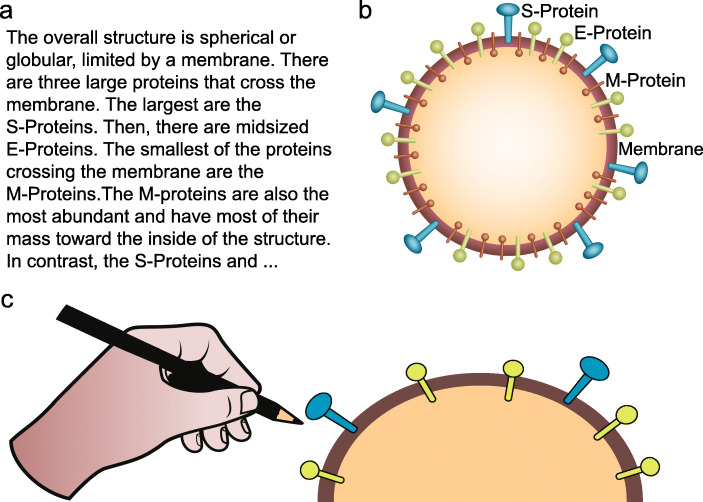
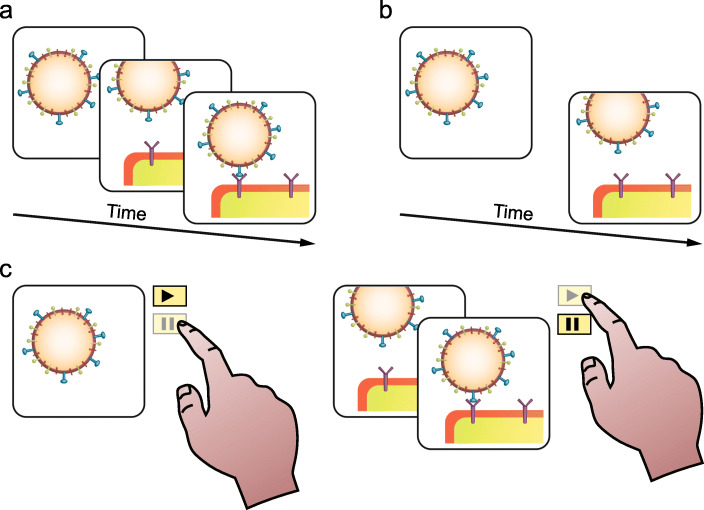
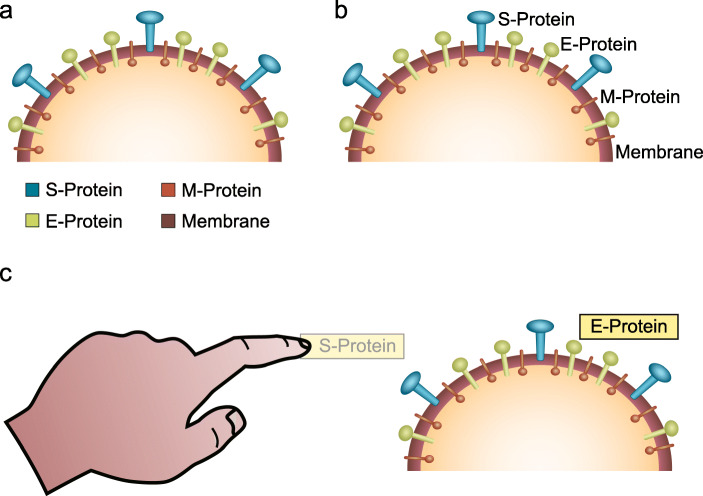
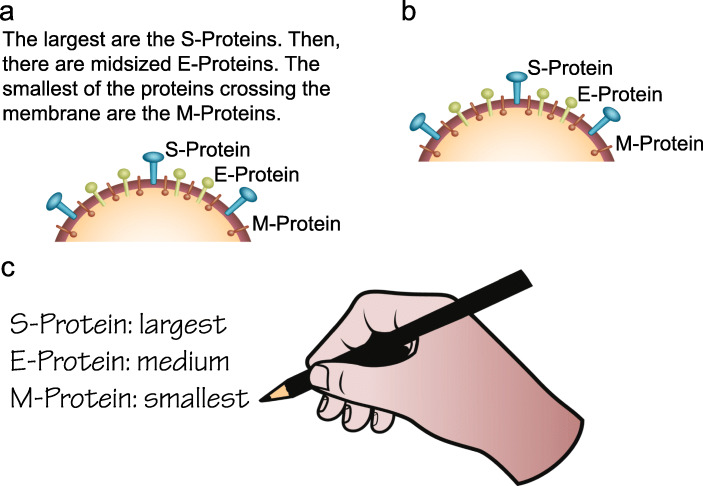
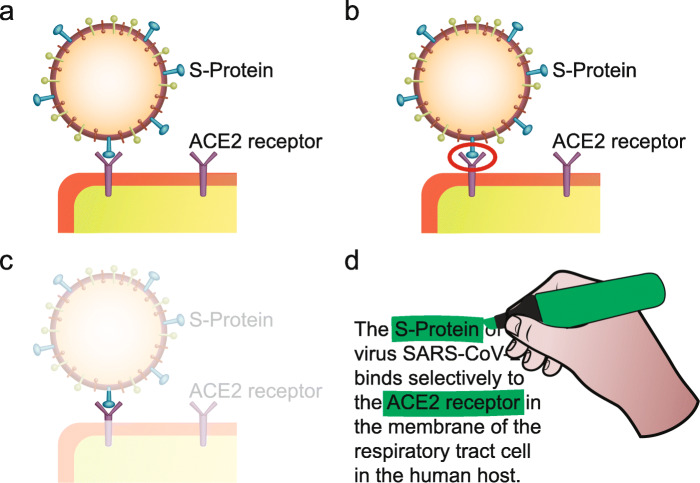
Researchers of cognitive load theory and the cognitive theory of multimedia learning have identified several strategies to optimize instructional materials. In this review article we focus on five of these strategies or solutions to problematic instructional designs in multimedia learning: (a) the multimedia principle (use visualizations and drawings to complement texts); (b) the split-attention effect or spatial contiguity principle (show texts contiguously or integrated with visualizations); (c) the redundancy effect, alike the coherence principle (remove nonessential learning information); (d) the signaling principle (cue or signal essential learning information); and (e) the transient information effect or segmenting principle (segment or control the pace of animations and videos). Usually, both cognitive theories have investigated solutions that instructors, teachers, and designers should pursue to optimize students' learning. Here, in a novel approach, we show that these strategies can also be used by learners who want to self-manage their cognitive load and learning process. We provide several examples of both instructor- and learner-managed solutions aligned with these strategies. When assessing which agent, either the instructor or the learner, was most effective, we observed mixed results in the literature. However, the expertise reversal effect may help predict the direction of these effects: novice students may learn better under instructor-managed conditions, whereas more expert students may learn more under learner-managed conditions.
认知负荷理论和多媒体学习认知理论的研究者们已经确定了几种优化教学材料的策略。在这篇综述文章中,我们聚焦于多媒体学习中针对有问题的教学设计的其中五种策略或解决方案:(a)多媒体原则(使用可视化和图表来补充文本);(b)注意力分散效应或空间邻近原则(将文本与可视化内容相邻或整合展示);(c)冗余效应,类似于连贯原则(去除不必要的学习信息);(d)信号原则(提示或标记重要的学习信息);以及(e)瞬时信息效应或分段原则(对动画和视频进行分段或控制其节奏)。通常,这两种认知理论都研究了教师、教员和设计师为优化学生学习应采用的解决方案。在此,我们采用一种新颖的方法表明,这些策略也可供想要自我管理认知负荷和学习过程的学习者使用。我们提供了一些与这些策略相一致的由教师管理和学习者管理的解决方案示例。在评估哪种主体(教师或学习者)最有效时,我们在文献中观察到了混合的结果。然而,专长逆转效应可能有助于预测这些效应的方向:新手学生在教师管理的条件下可能学得更好,而更专业的学生在学习者管理的条件下可能学得更多。