Zhou Jiale, Yang Zhaolin, Wu Xiaorong, Zhang Jin, Zhai Wei, Chen Yonghui
Department of Urology, Renji Hospital, School of Medicine, Shanghai Jiaotong University, Shanghai, China.
Transl Androl Urol. 2021 Feb;10(2):680-691. doi: 10.21037/tau-20-891.
Renal cell carcinoma (RCC) is a common urologic malignancy. Although the relationship between clear cell RCC (ccRCC) and obesity has been well-established by several large-scale retrospective studies, the molecular mechanisms and genetic characteristics behind this correlation remains unclear. In the current study, several bioinformatics tools were used to identify the key genes in ccRCC related to obesity.
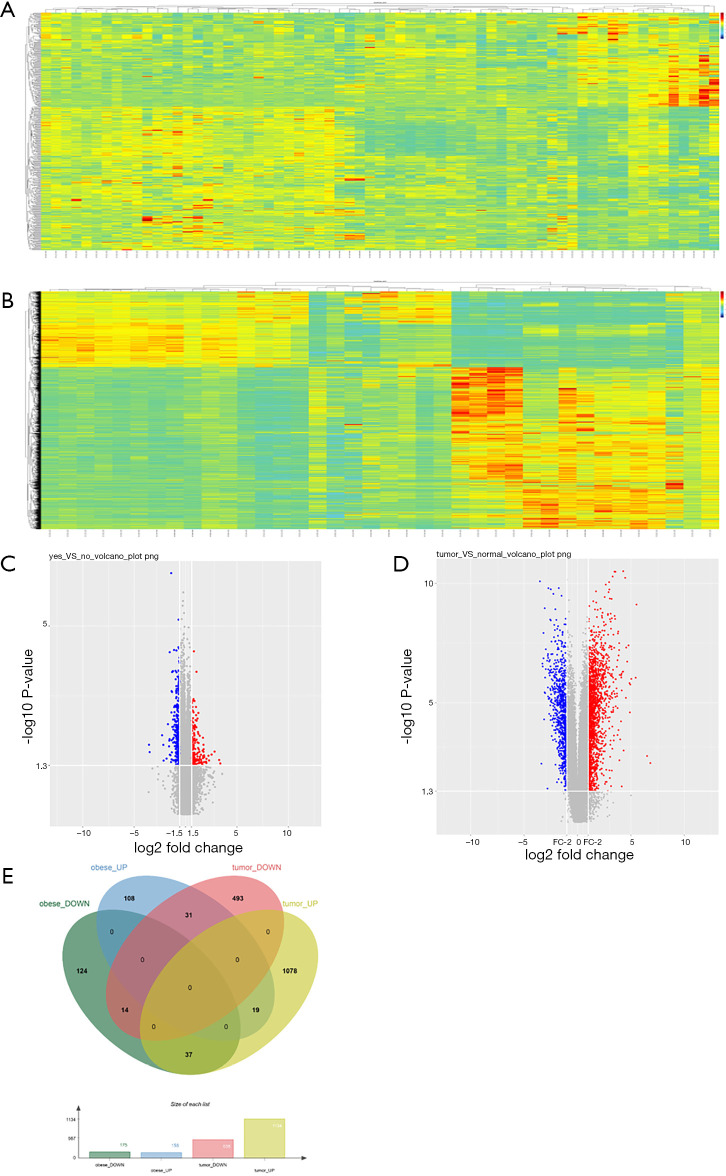
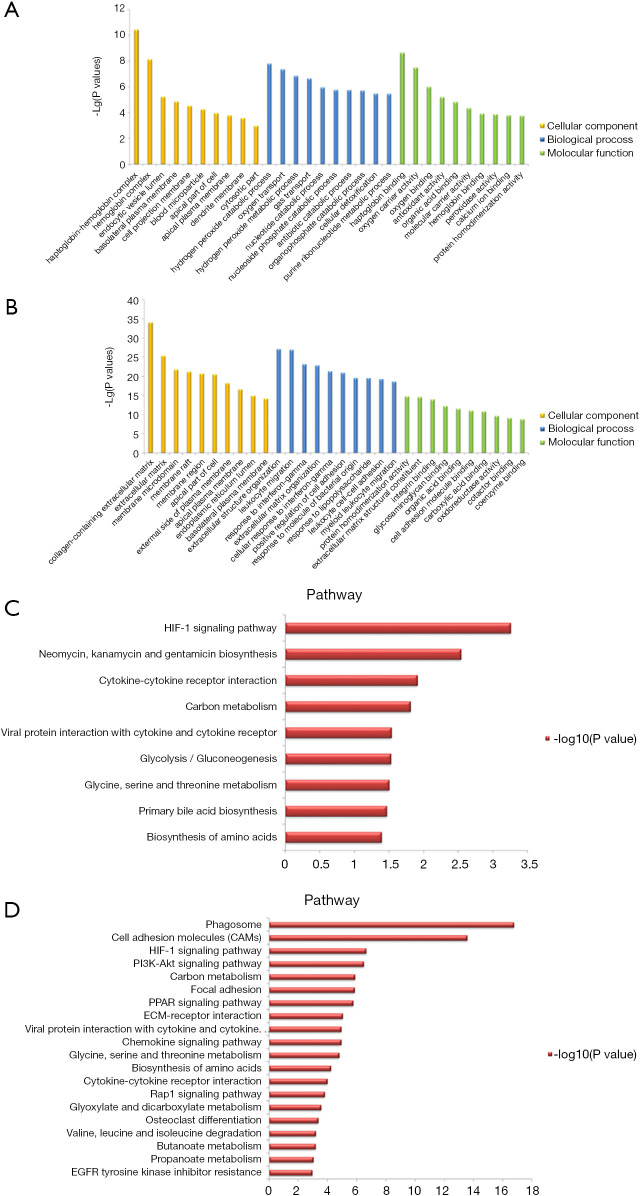
Microarray data comparing ccRCC with normal renal tissues in patients with and without obesity were downloaded from the GEO database for screening of differentially expressed genes (DEGs). The DEGs were verified with expression level and survival analysis using several online bioinformatics tools.
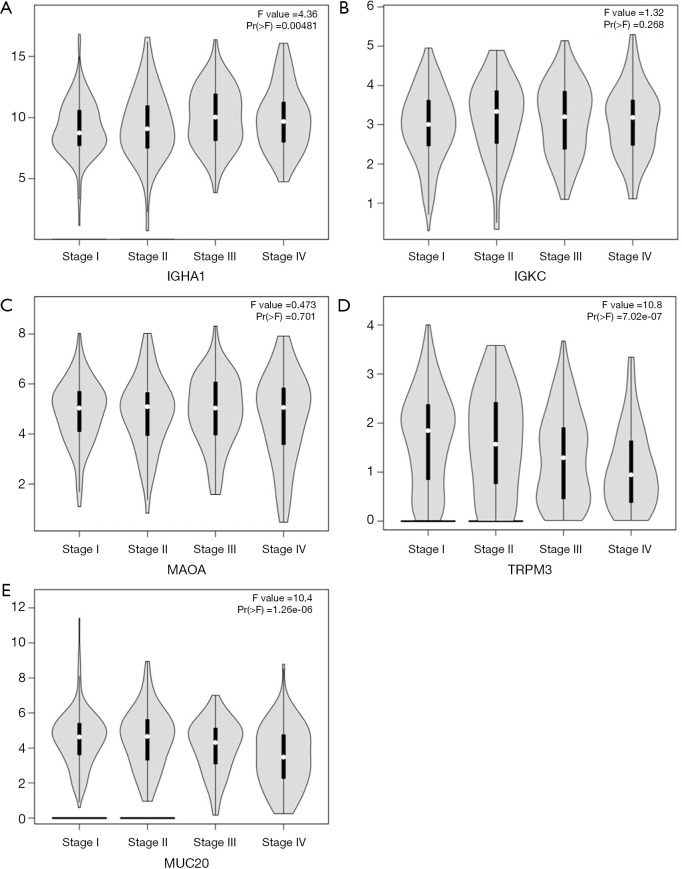
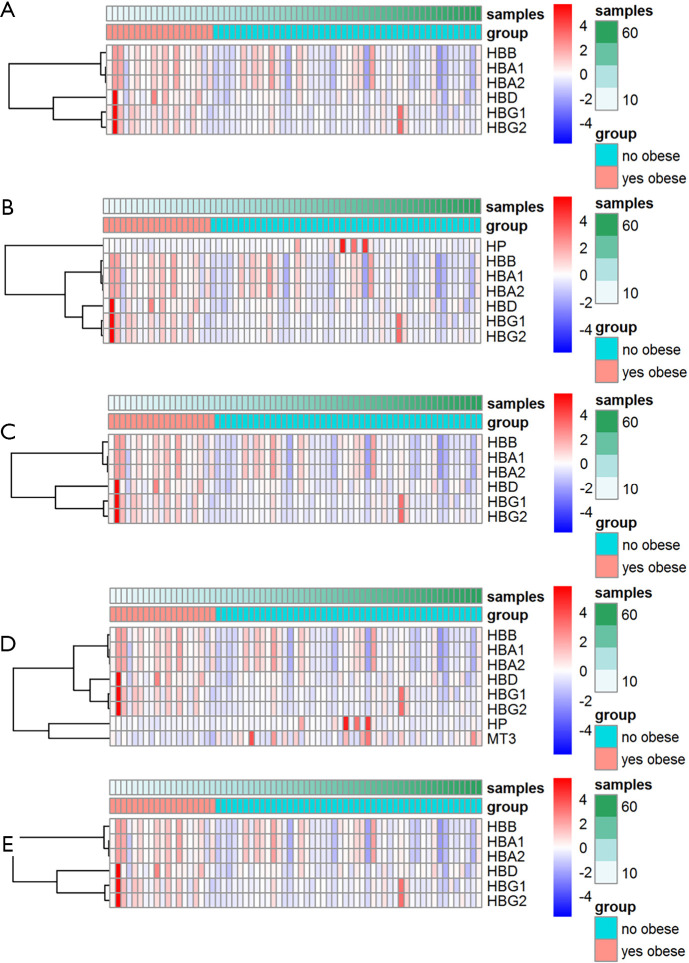
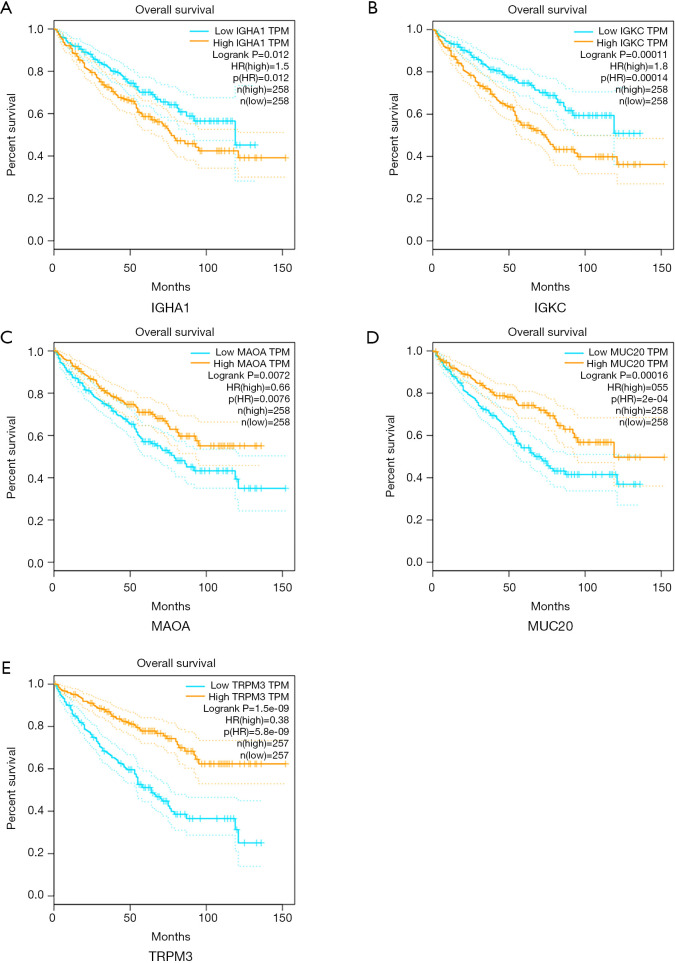
In the current study, the differential expression of five genes correlated with both ccRCC and obesity; and as oncogenes, and , and as tumor suppressor genes. These genes were verified by comparing the relationship between the expression levels and survival outcomes from open-source data in The Cancer Genome Atlas (TCGA) dataset.
In conclusion, the five genes differentially expressed in ccRCC and obesity are related to disease progression and prognosis, and therefore could provide prognostic value for patients with ccRCC.
肾细胞癌(RCC)是一种常见的泌尿系统恶性肿瘤。尽管多项大规模回顾性研究已充分证实透明细胞肾细胞癌(ccRCC)与肥胖之间的关系,但这种相关性背后的分子机制和遗传特征仍不清楚。在本研究中,我们使用了多种生物信息学工具来识别ccRCC中与肥胖相关的关键基因。
从基因表达综合数据库(GEO)下载比较肥胖和非肥胖患者的ccRCC与正常肾组织的微阵列数据,以筛选差异表达基因(DEG)。使用多种在线生物信息学工具通过表达水平和生存分析对DEG进行验证。
在本研究中,五个基因的差异表达与ccRCC和肥胖均相关;其中 、 作为癌基因, 、 和 作为肿瘤抑制基因。通过比较癌症基因组图谱(TCGA)数据集中开源数据的表达水平与生存结果之间的关系,对这些基因进行了验证。
总之,在ccRCC和肥胖中差异表达的这五个基因与疾病进展和预后相关,因此可为ccRCC患者提供预后价值。