Tian Xing, Fan Taojian, Zhao Wentian, Abbas Ghulam, Han Bo, Zhang Ke, Li Nan, Liu Ning, Liang Weiyuan, Huang Hao, Chen Wen, Wang Bing, Xie Zhongjian
Key Laboratory of Xinjiang Phytomedicine Resource and Utilization, Ministry of Education, College of Pharmacy, Shihezi University, Shihezi, 832002, China.
Institute of Microscale Optoelectronics, Collaborative Innovation Centre for Optoelectronic Science & Technology, Key Laboratory of Optoelectronic Devices and Systems of Ministry of Education and Guangdong Province, College of Physics and Optoelectronic Engineering, Shenzhen Key Laboratory of Micro-Nano Photonic Information Technology, Guangdong Laboratory of Artificial Intelligence and Digital Economy (SZ), Shenzhen University, Shenzhen, 518060, PR China.
Bioact Mater. 2021 Feb 20;6(9):2854-2869. doi: 10.1016/j.bioactmat.2021.01.023. eCollection 2021 Sep.
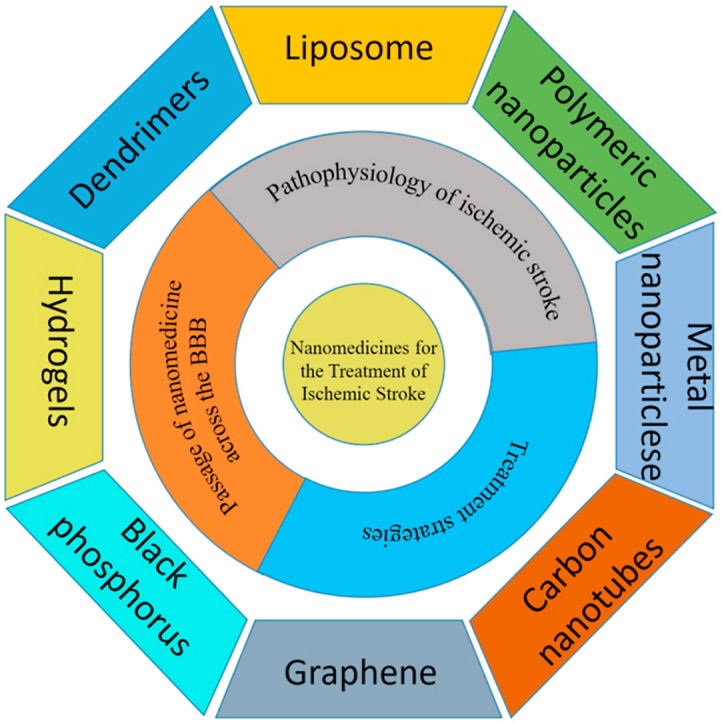
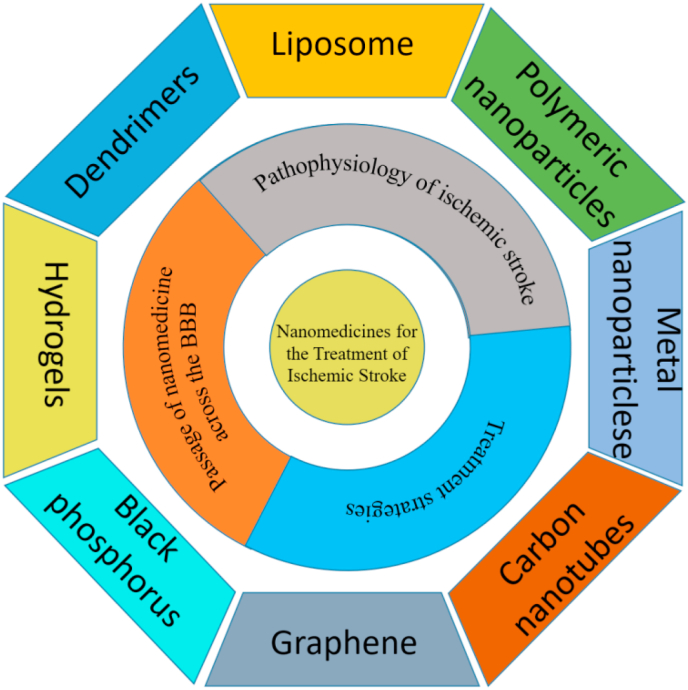
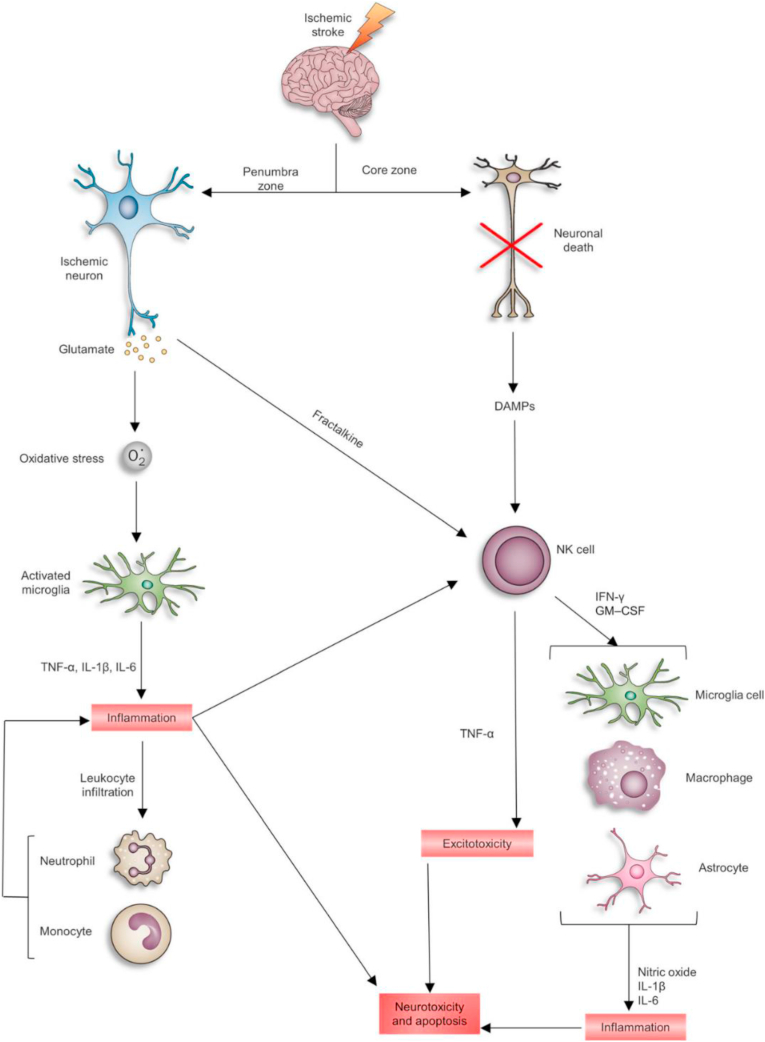
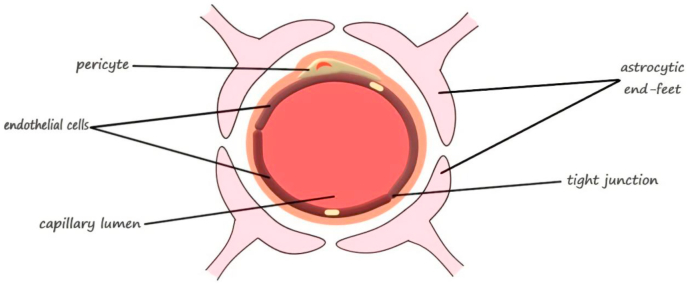
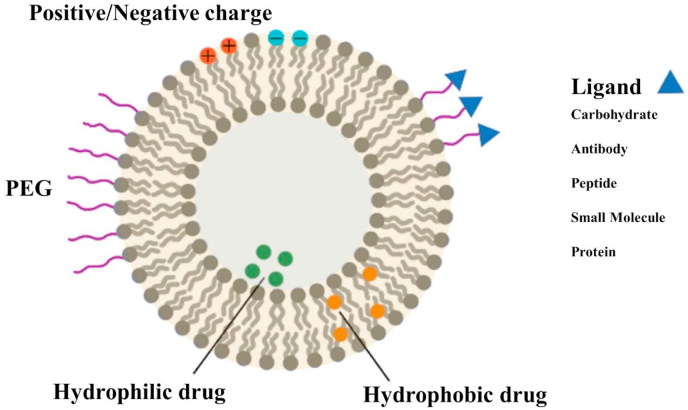
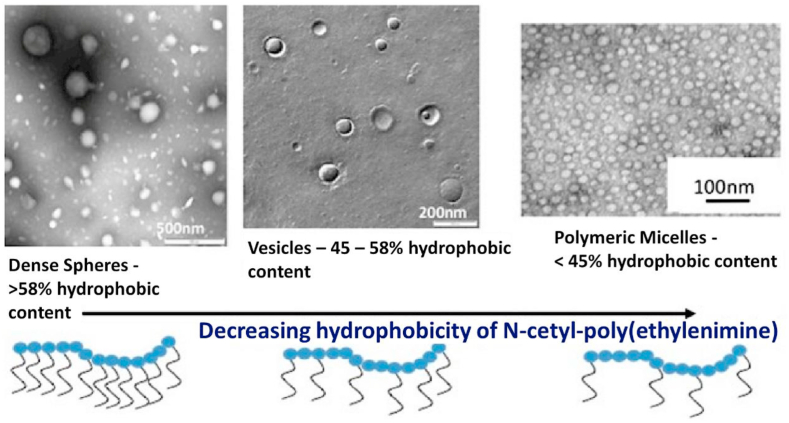
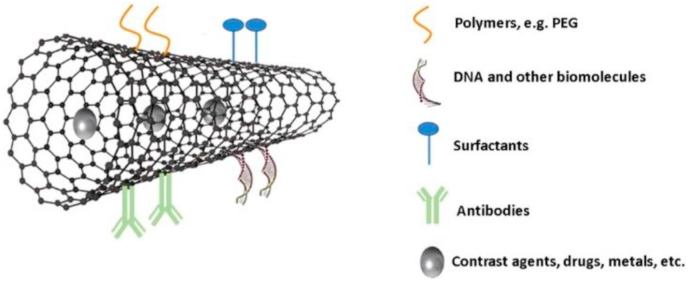
Ischemic stroke is still a serious threat to human life and health, but there are few therapeutic options available to treat stroke because of limited blood-brain penetration. The development of nanotechnology may overcome some of the problems related to traditional drug development. In this review, we focus on the potential applications of nanotechnology in stroke. First, we will discuss the main molecular pathological mechanisms of ischemic stroke to develop a targeted strategy. Second, considering the important role of the blood-brain barrier in stroke treatment, we also delve mechanisms by which the blood-brain barrier protects the brain, and the reasons why the therapeutics must pass through the blood-brain barrier to achieve efficacy. Lastly, we provide a comprehensive review related to the application of nanomaterials to treat stroke, including liposomes, polymers, metal nanoparticles, carbon nanotubes, graphene, black phosphorus, hydrogels and dendrimers. To conclude, we will summarize the challenges and future prospects of nanomedicine-based stroke treatments.
缺血性中风仍然对人类生命和健康构成严重威胁,但由于血脑屏障穿透性有限,治疗中风的可用疗法很少。纳米技术的发展可能会克服一些与传统药物开发相关的问题。在本综述中,我们重点关注纳米技术在中风治疗中的潜在应用。首先,我们将讨论缺血性中风的主要分子病理机制,以制定靶向策略。其次,考虑到血脑屏障在中风治疗中的重要作用,我们还深入探讨血脑屏障保护大脑的机制,以及治疗药物必须穿过血脑屏障才能发挥疗效的原因。最后,我们对纳米材料在中风治疗中的应用进行了全面综述,包括脂质体、聚合物、金属纳米颗粒、碳纳米管、石墨烯、黑磷、水凝胶和树枝状大分子。总之,我们将总结基于纳米医学的中风治疗面临的挑战和未来前景。