Klenotic Philip A, Morgan Christopher E, Yu Edward W
Department of Pharmacology, Case Western Reserve University School of Medicine, 2109 Adelbert Rd, Cleveland, OH 44106-4965, USA.
Fac Rev. 2021 Mar 1;10:24. doi: 10.12703/r/10-24. eCollection 2021.
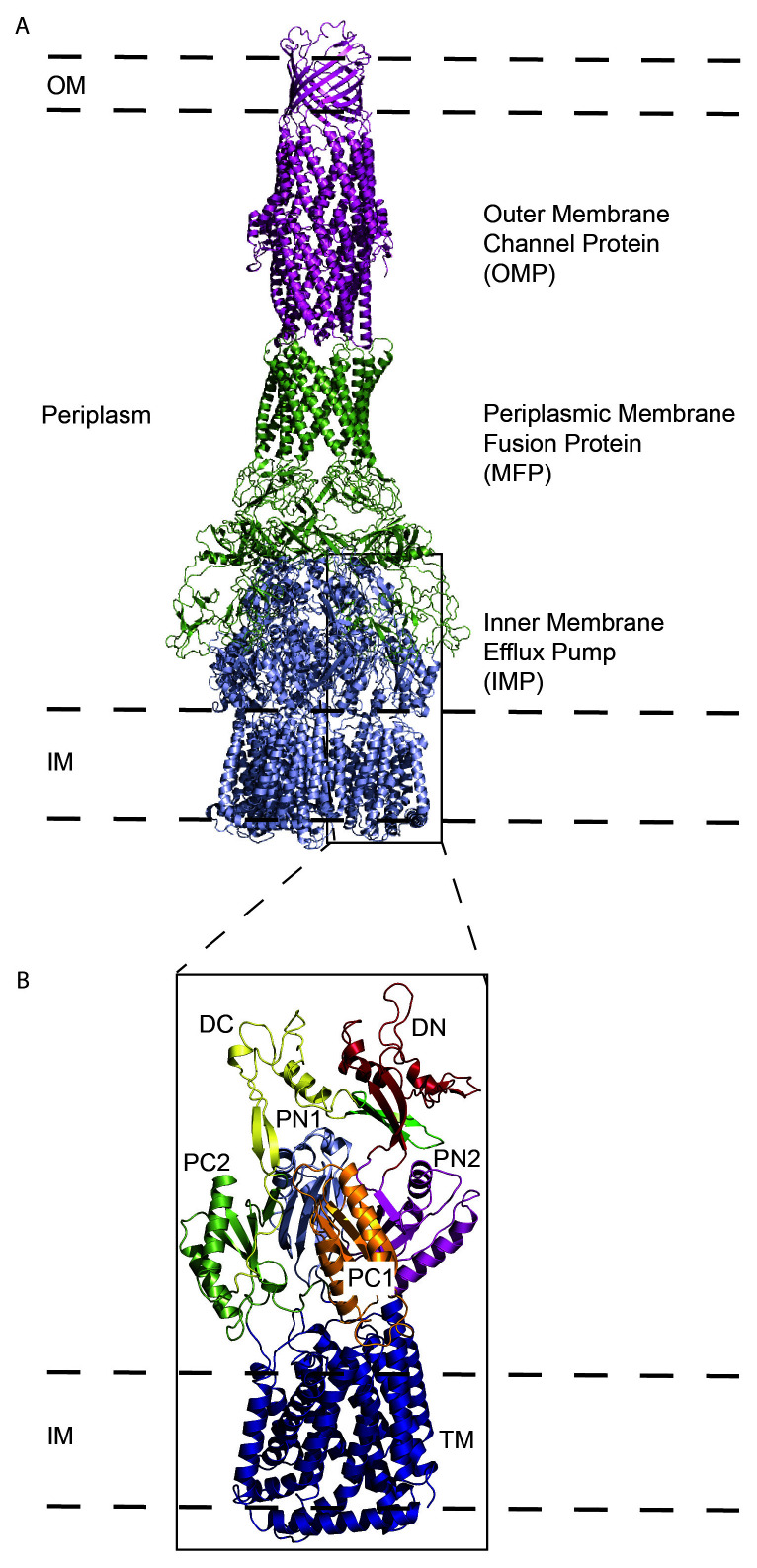
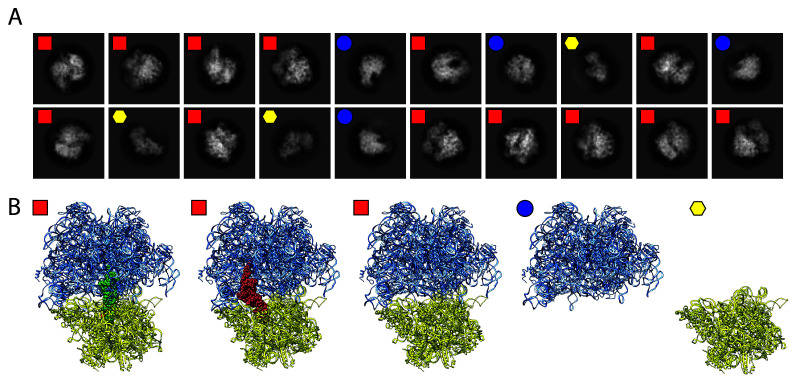
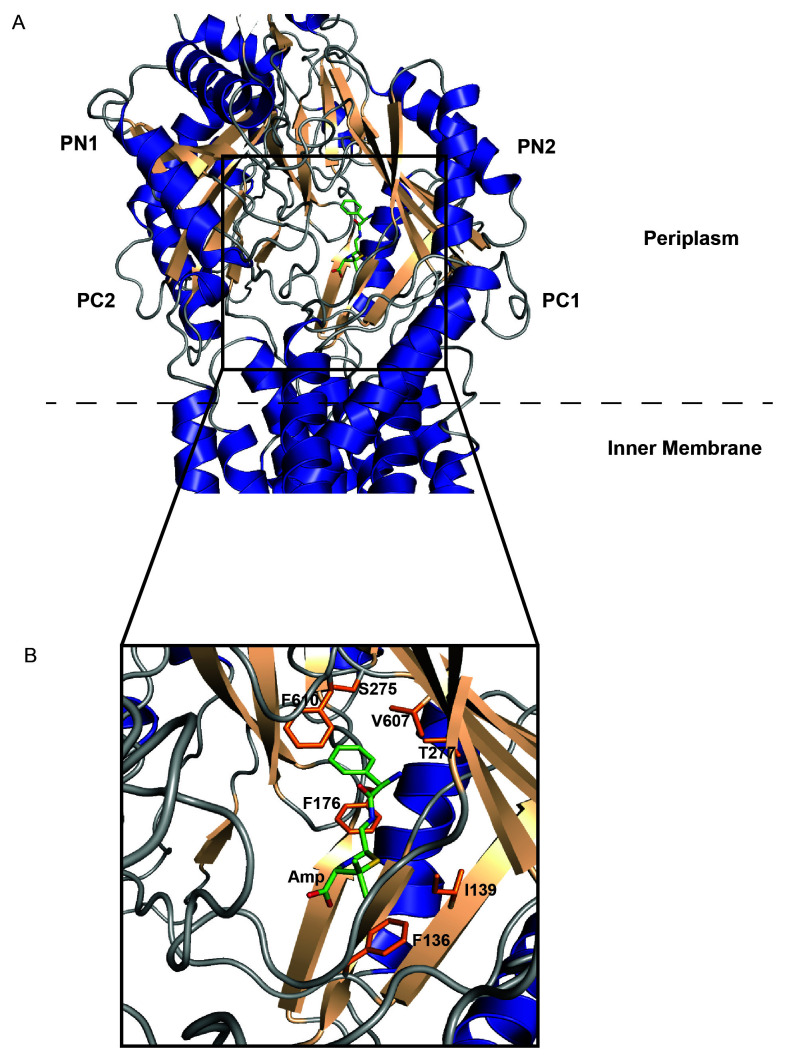
Antibiotic resistance is an emerging threat to global health. Current treatment regimens for these types of bacterial infections are becoming increasingly inadequate. Thus, new innovative technologies are needed to help identify and characterize novel drugs and drug targets which are critical in order to combat multidrug-resistant bacterial strains. Bacterial efflux systems have emerged as an attractive target for drug design, as blocking their export function significantly increases the potency of administered antibiotics. However, in order to develop potent and tolerable efflux pump inhibitors with high efficacy, detailed structural information is required for both the apo- and substrate-bound forms of these membrane proteins. The emergence of cryo-electron microscopy (cryo-EM) has greatly advanced the field of membrane protein structural biology. It has significantly enhanced the ability to solve large multi-protein complexes as well as extract meaningful data from a heterogeneous sample, such as identification of several assembly states of the bacterial ribosome, from a single data set. This technique can be expanded to solve the structures of substrate-bound efflux pumps and entire efflux systems from previously unusable membrane protein sample preparations. Subsequently, cryo-EM combined with other biophysical techniques has the potential to markedly advance the field of membrane protein structural biology. The ability to discern complete transport machineries, enzymatic signal transduction pathways, and other membrane-associated complexes will help us fully understand the complexities of the membrane proteome.
抗生素耐药性是对全球健康的一个新出现的威胁。针对这类细菌感染的当前治疗方案正变得越来越不足。因此,需要新的创新技术来帮助识别和表征新型药物及药物靶点,这对于对抗多重耐药细菌菌株至关重要。细菌外排系统已成为药物设计的一个有吸引力的靶点,因为阻断其输出功能可显著提高所用抗生素的效力。然而,为了开发高效且耐受性良好的外排泵抑制剂,需要这些膜蛋白的无配体形式和结合底物形式的详细结构信息。冷冻电子显微镜(cryo-EM)的出现极大地推动了膜蛋白结构生物学领域的发展。它显著增强了解决大型多蛋白复合物以及从异质样品中提取有意义数据的能力,例如从单个数据集中识别细菌核糖体的几种组装状态。该技术可扩展用于解析结合底物的外排泵以及来自以前无法使用的膜蛋白样品制备物的整个外排系统的结构。随后,冷冻电子显微镜与其他生物物理技术相结合有潜力显著推动膜蛋白结构生物学领域的发展。辨别完整的转运机制、酶促信号转导途径以及其他膜相关复合物的能力将帮助我们充分理解膜蛋白质组的复杂性。