Laboratory of Respiratory Diseases and Thoracic Surgery (BREATHE), Department of Chronic Diseases and Metabolism (CHROMETA), KU Leuven, University of Leuven, Herestraat 49, mailbox 706, 3000, Leuven, Belgium.
Centre for Environment and Health, Department of Public Health and Primary Care, KU Leuven, Leuven, Belgium.
Part Fibre Toxicol. 2021 Mar 15;18(1):12. doi: 10.1186/s12989-021-00401-6.
Exercise-induced bronchoconstriction (EIB) is a transient airway narrowing, occurring during or shortly after intensive exercise. It is highly prevalent in non-asthmatic outdoor endurance athletes suggesting an important contribution of air pollution in the development of EIB. Therefore, more research is necessary to investigate the combination of exercise and pollutants on the airways.
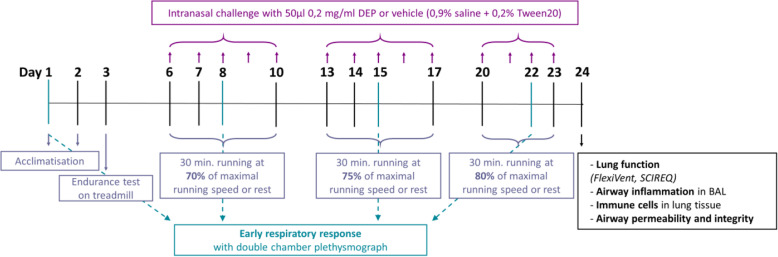
Balbc/ByJ mice were intranasally challenged 5 days a week for 3 weeks with saline or 0.2 mg/ml diesel exhaust particles (DEP), prior to a daily incremental running session or non-exercise session. Once a week, the early ventilatory response was measured and lung function was determined at day 24. Airway inflammation and cytokine levels were evaluated in bronchoalveolar lavage fluid. Furthermore, innate lymphoid cells, dendritic cells and tight junction mRNA expression were determined in lung tissue.
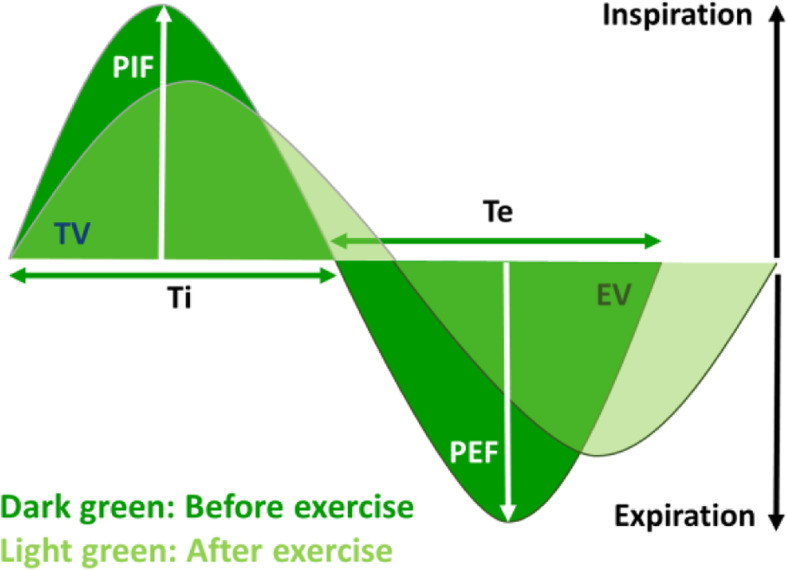
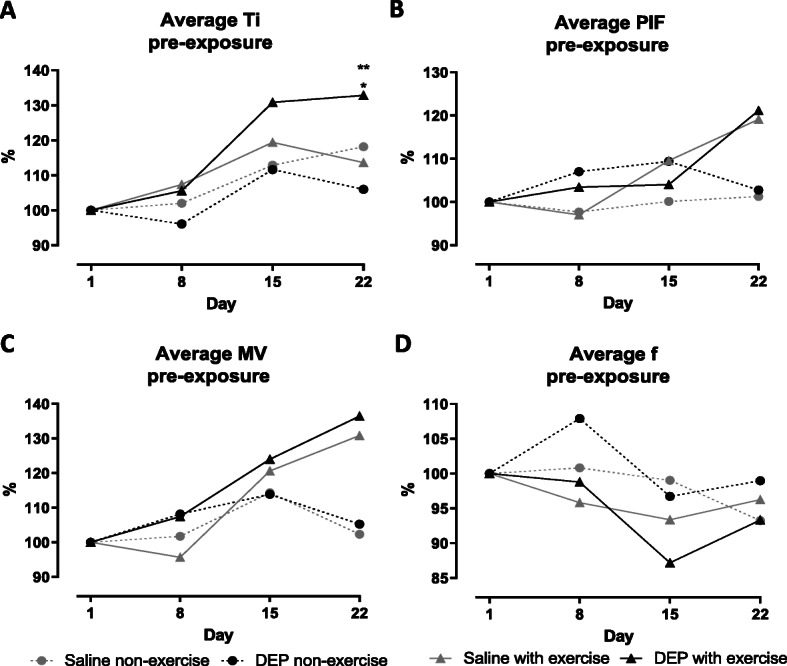
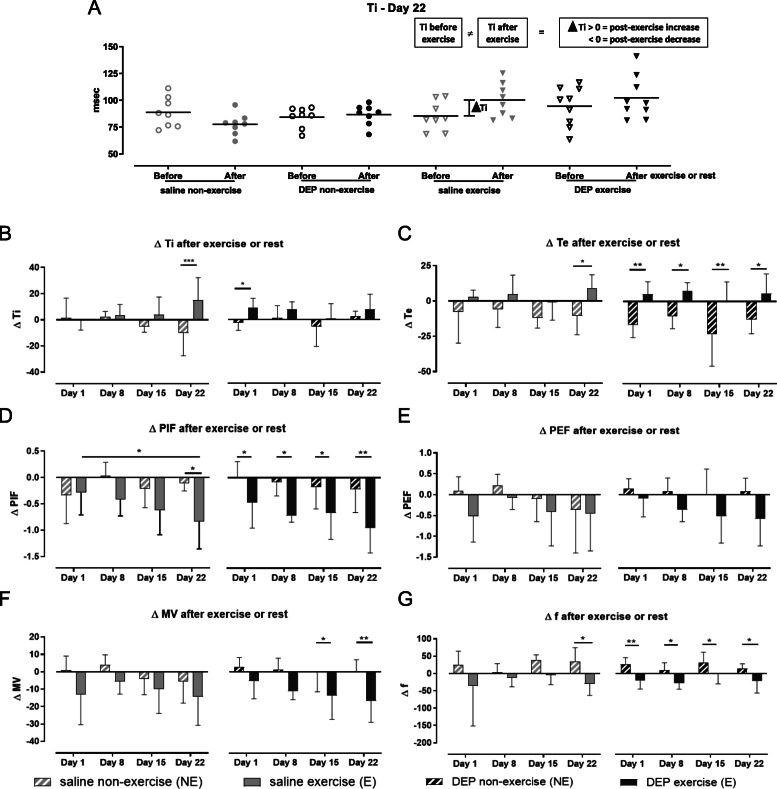
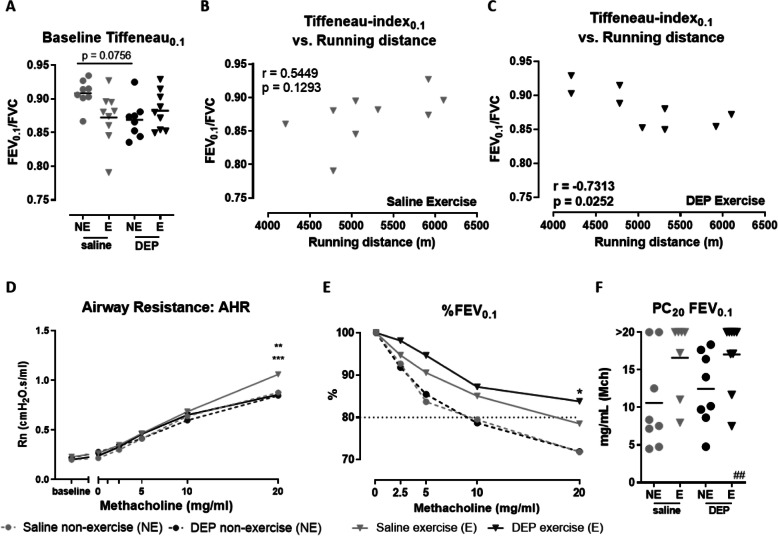
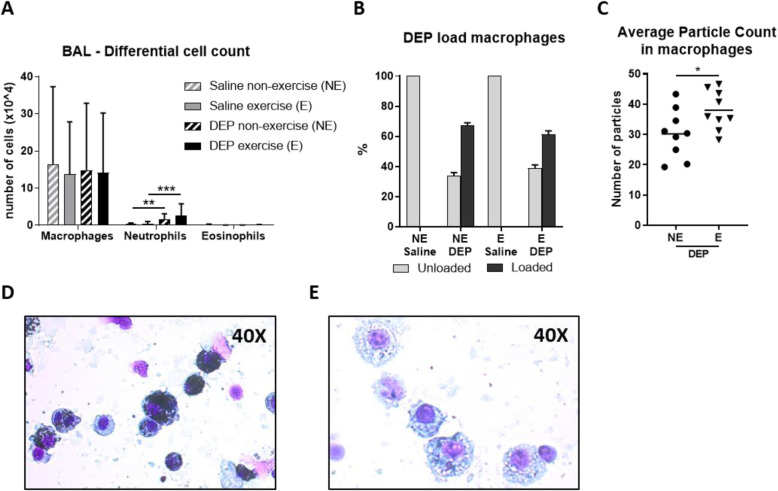
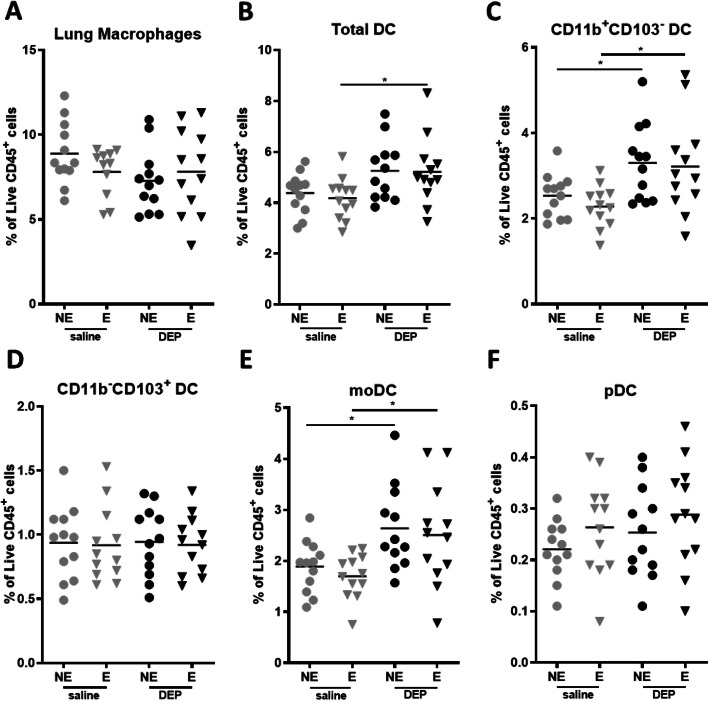
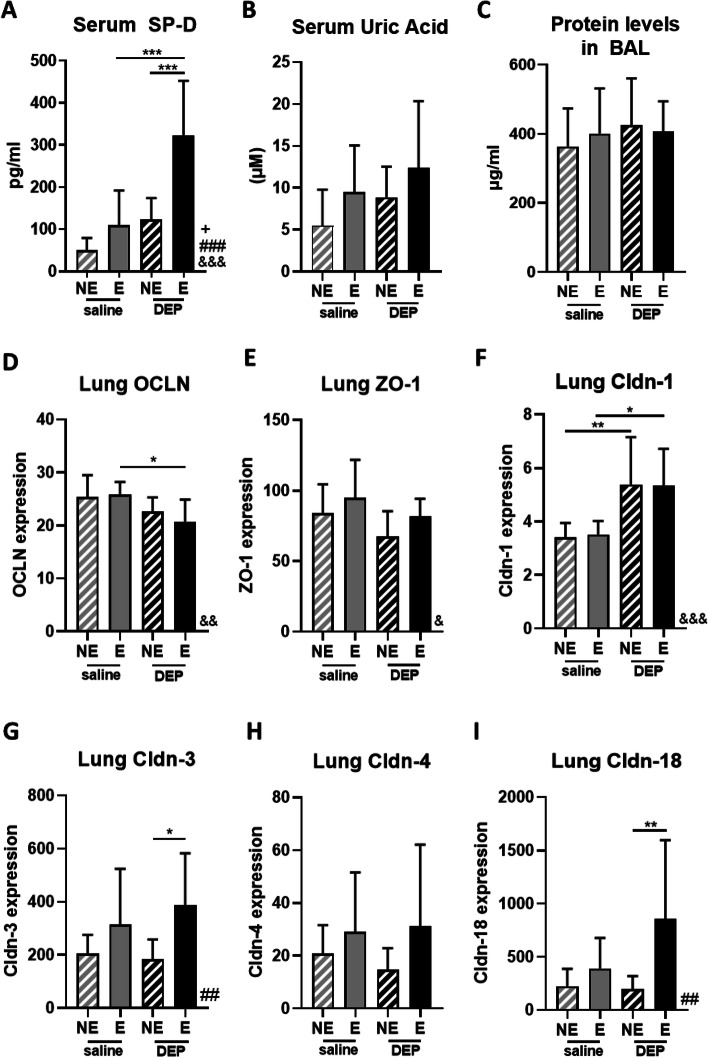
Submaximal exercise resulted in acute alterations of the breathing pattern and significantly improved FEV at day 24. DEP exposure induced neutrophilic airway inflammation, accompanied with increased percentages of CD11b DC in lung tissue and pro-inflammatory cytokines, such as IL-13, MCP-1, GM-CSF and KC. Occludin and claudin-1(Cldn-1) expression were respectively increased and decreased by DEP exposure. Whereas, exercise increased Cldn-3 and Cldn-18 expression. Combining exercise and DEP exposure resulted in significantly increased SP-D levels in the airways.
DEP exposure induced typical airway neutrophilia, DC recruitment and pro-inflammatory cytokine production. Whereas, intensive exercise induced changes of the breathing pattern. The combination of both triggers resulted in a dysregulation of tight junction expression, suggesting that intensive exercise in polluted environments can induce important changes in the airway physiology and integrity.
运动性支气管收缩(EIB)是一种短暂的气道狭窄,发生在剧烈运动期间或之后不久。它在非哮喘的户外耐力运动员中非常普遍,这表明空气污染对 EIB 的发展有重要贡献。因此,需要更多的研究来调查运动和污染物对气道的联合作用。
Balbc/ByJ 小鼠在 3 周内每周 5 天接受生理盐水或 0.2mg/ml 柴油废气颗粒(DEP)鼻内挑战,然后每天进行递增跑步或非运动。每周一次,测量早期通气反应,第 24 天测定肺功能。在支气管肺泡灌洗液中评估气道炎症和细胞因子水平。此外,还测定了肺组织中固有淋巴细胞、树突状细胞和紧密连接 mRNA 的表达。
亚最大运动导致呼吸模式的急性改变,并显著改善了第 24 天的 FEV。DEP 暴露引起气道中性粒细胞炎症,同时肺组织中 CD11b DC 的百分比增加,并伴有促炎细胞因子如 IL-13、MCP-1、GM-CSF 和 KC 的增加。DEP 暴露分别增加了紧密连接蛋白(Occludin)和 Claudin-1(Cldn-1)的表达。而运动增加了 Cldn-3 和 Cldn-18 的表达。运动和 DEP 暴露的联合作用导致气道中 SP-D 水平显著增加。
DEP 暴露诱导典型的气道中性粒细胞、DC 募集和促炎细胞因子的产生。而剧烈运动引起呼吸模式的变化。两者的结合导致紧密连接表达的失调,提示在污染环境中进行剧烈运动可能会导致气道生理和完整性的重要变化。