Department of Neurology, Henry Ford Health System, Detroit, MI 48202, United States of America.
Department of Neurology, Henry Ford Health System, Detroit, MI 48202, United States of America; Department of Physics, Oakland University, Rochester, MI 48309, United States of America.
Exp Neurol. 2021 Jul;341:113694. doi: 10.1016/j.expneurol.2021.113694. Epub 2021 Mar 13.
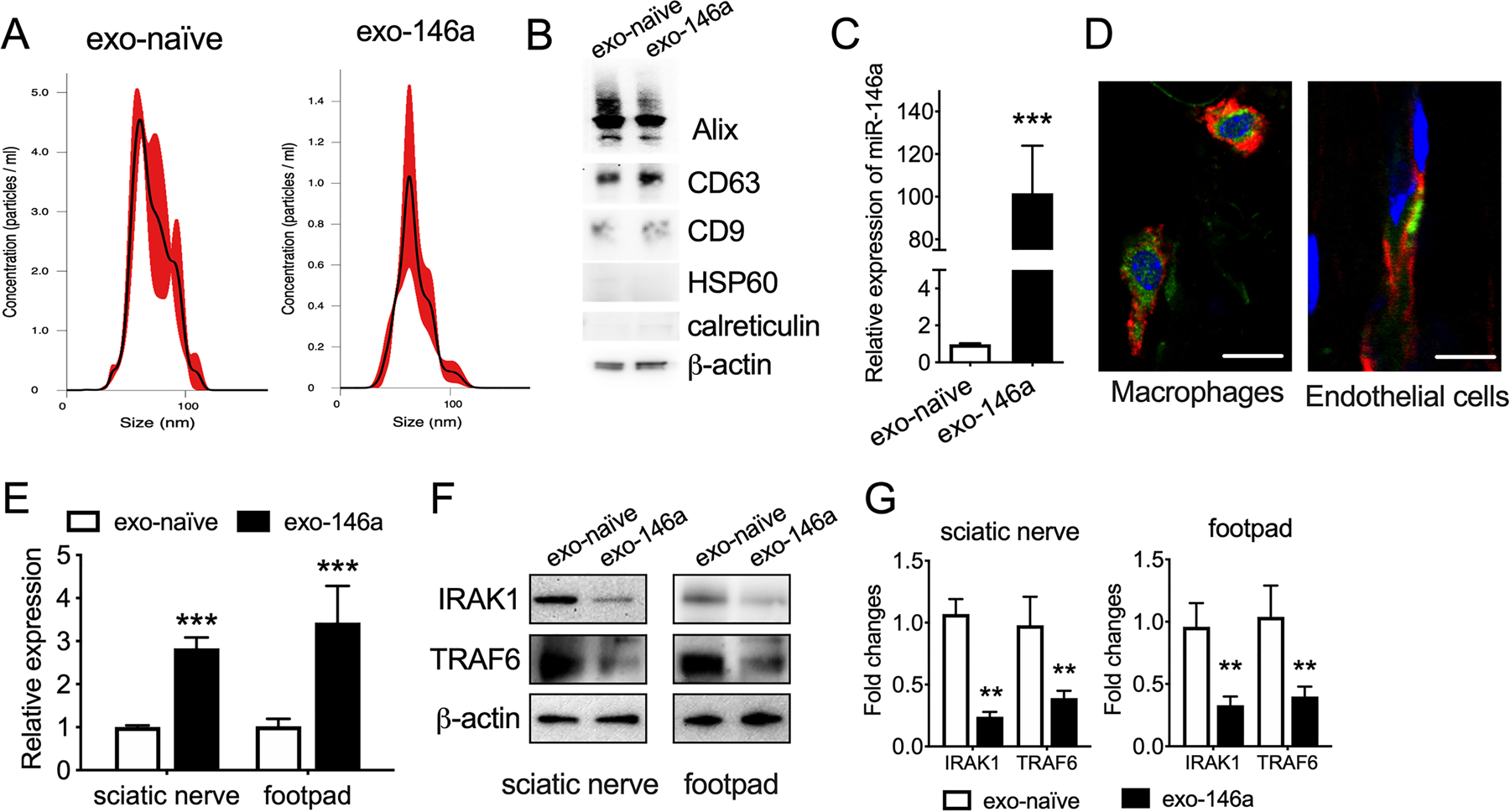
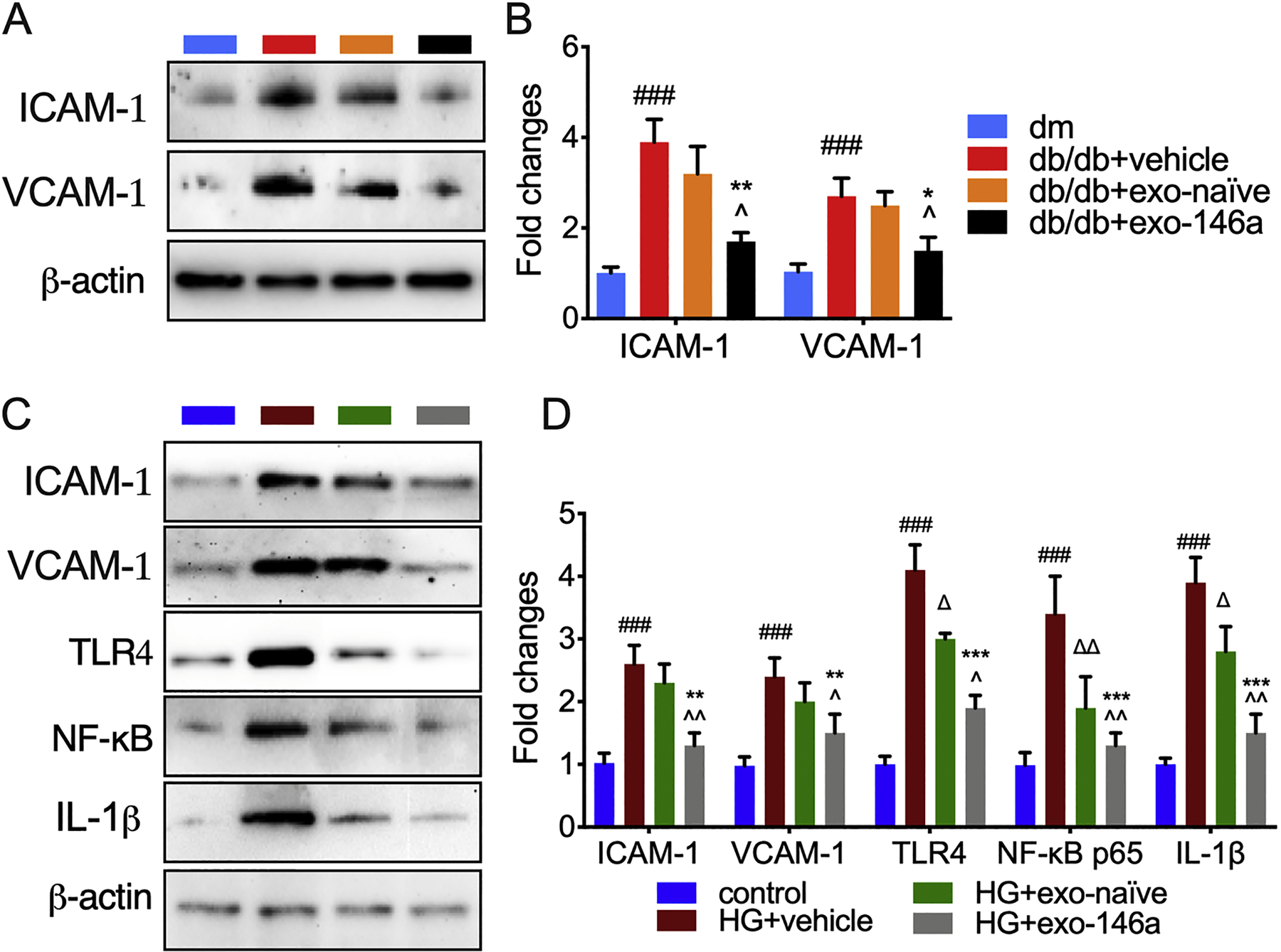
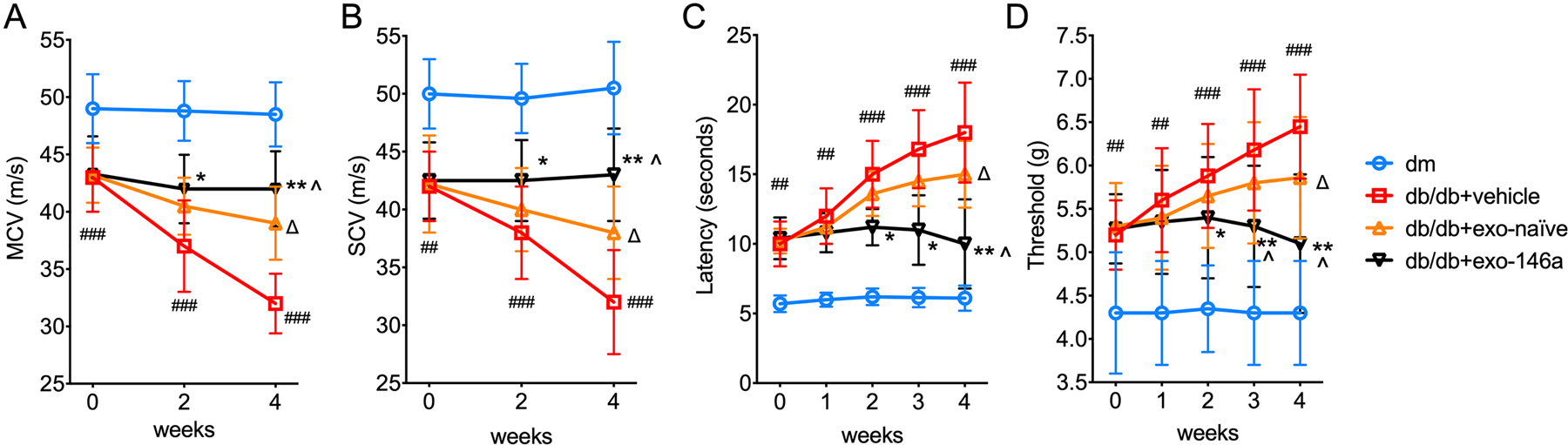
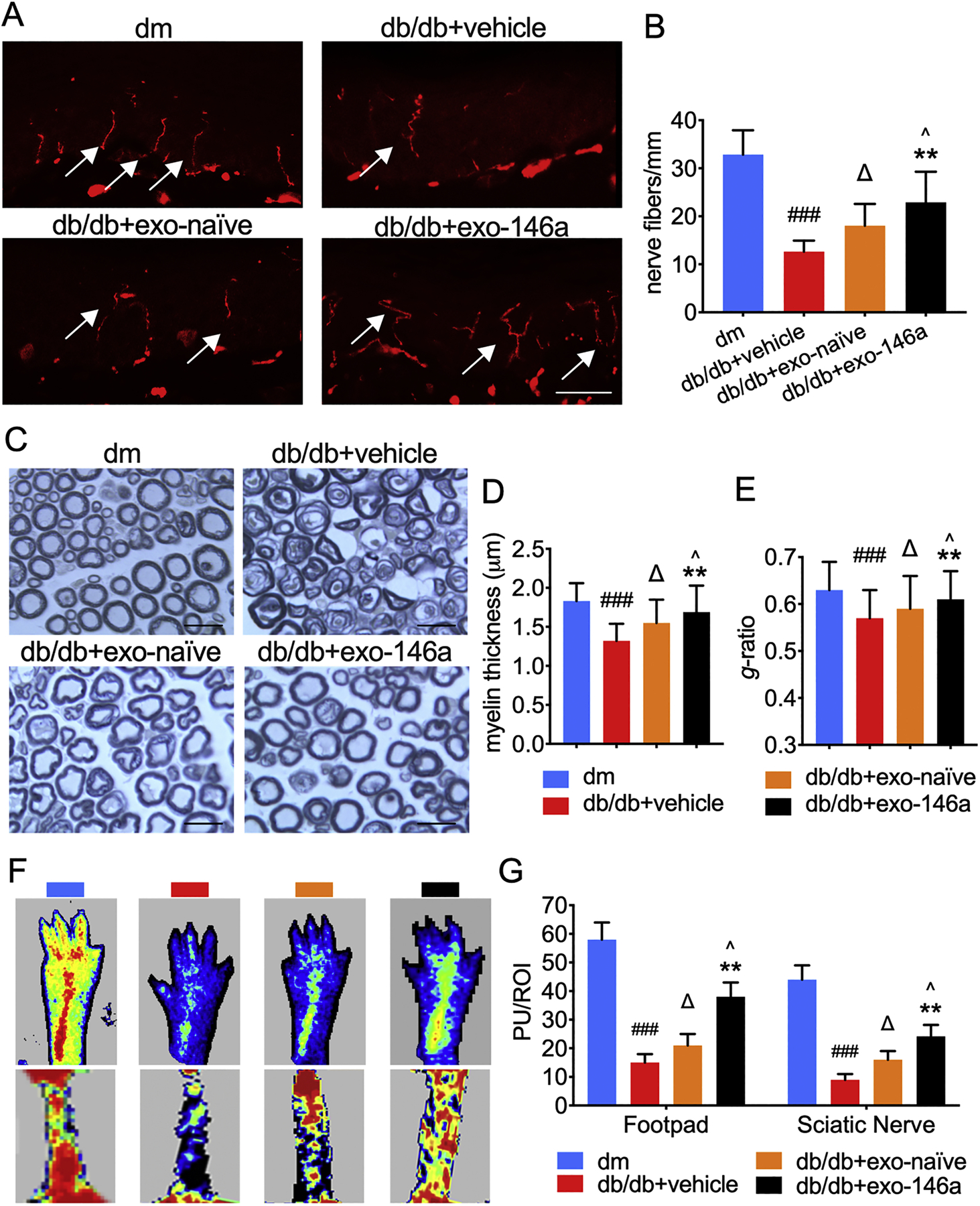
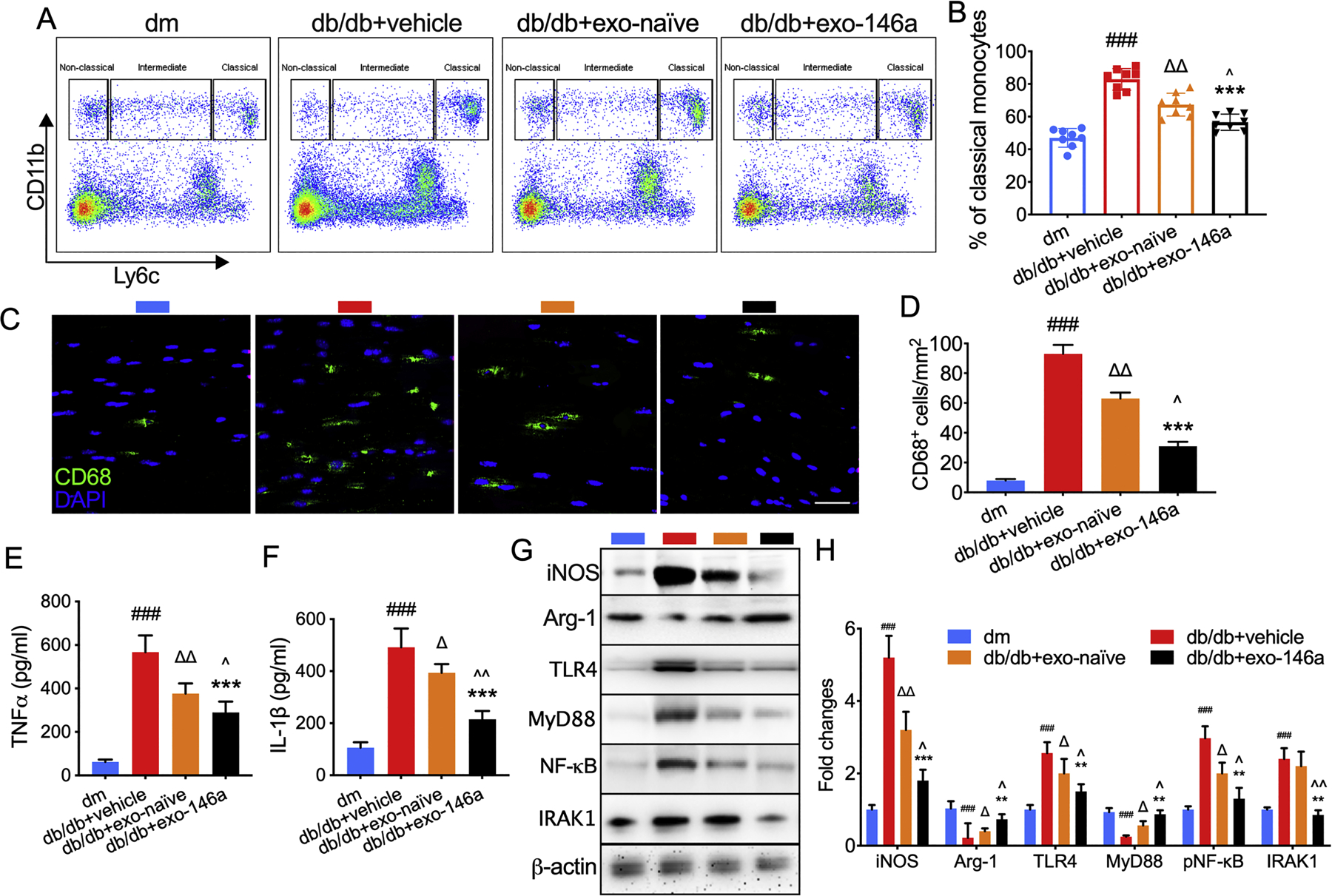
Diabetic peripheral neuropathy (DPN) is one of the most prevalent chronic complications of diabetes mellitus with no effective treatment. We recently demonstrated that mesenchymal stromal cell (MSC)-derived exosomes (exo-naïve) alleviate neurovascular dysfunction and improve functional recovery. MicroRNA (miRNA), one of the exosomal cargos, downregulates inflammation-related genes, resulting in suppression of pro-inflammatory gene activation. In the present study, we developed engineered MSC-exosomes loaded with miR-146a (exo-146a) and compared the therapeutic effects of exo-146a with exo-naïve in diabetic (db/db) mice with DPN. Exo-146a possesses a high loading capacity, robust ability to accumulate in peripheral nerve tissues upon systemic administration, and evokes substantially enhanced therapeutic efficacy on neurological recovery compared with exo-naïve. Treatment of DPN in diabetic mice with exo-146a for two weeks significantly increased and decreased nerve conduction velocity, and thermal and mechanical stimuli threshold, respectively, whereas it took four weeks of exo-naive treatment to achieve these improvements. Compared with exo-naïve, exo-146a significantly suppressed the peripheral blood inflammatory monocytes and the activation of endothelial cells via inhibiting Toll-like receptor (TLR)-4/NF-κB signaling pathway. These data provide a proof-of-concept about both the feasibility and efficacy of the exosome-based gene therapy for DPN. The translation of this approach to the clinic has the potential to improve the prospects for people who suffer from DPN.
糖尿病周围神经病变(DPN)是糖尿病最常见的慢性并发症之一,目前尚无有效的治疗方法。我们最近的研究表明,间充质干细胞(MSC)衍生的外泌体(exo-naive)可以缓解神经血管功能障碍并改善功能恢复。外泌体的一种 cargo 是 microRNA(miRNA),它下调炎症相关基因,从而抑制促炎基因的激活。在本研究中,我们开发了负载 miR-146a 的工程 MSC 外泌体(exo-146a),并比较了 exo-146a 与 exo-naive 在糖尿病(db/db)小鼠 DPN 模型中的治疗效果。与 exo-naive 相比,exo-146a 具有高载药能力,全身给药后能够大量聚集在外周神经组织中,对神经恢复的治疗效果明显增强。在糖尿病小鼠中用 exo-146a 治疗两周,可显著提高和降低神经传导速度以及热和机械刺激阈值,而用 exo-naive 治疗则需要四周才能达到这些改善效果。与 exo-naive 相比,exo-146a 通过抑制 Toll 样受体(TLR)-4/NF-κB 信号通路,显著抑制外周血炎症性单核细胞和内皮细胞的激活。这些数据为基于外泌体的基因治疗 DPN 的可行性和疗效提供了概念验证。这种方法的转化有可能改善 DPN 患者的预后。