Layton Aimee M, Irwin Andrew M, Mihalik Erin C, Fleisch Emily, Keating Claire L, DiMango Emily A, Shah Lori, Arcasoy Selim M
Department of Pediatrics, Division of Pediatric Cardiology, Columbia University, New York, NY, USA.
Vagelos College of Physicians and Surgeons, Columbia University, New York, NY, USA.
Int J Telemed Appl. 2021 Feb 26;2021:6641853. doi: 10.1155/2021/6641853. eCollection 2021.
The purpose of this study was to pilot a home-based pulmonary rehabilitation (PR) program administered via a telemedicine approach using a combination of fitness application and self-selected activity in lung transplant candidates with cystic fibrosis (CF).
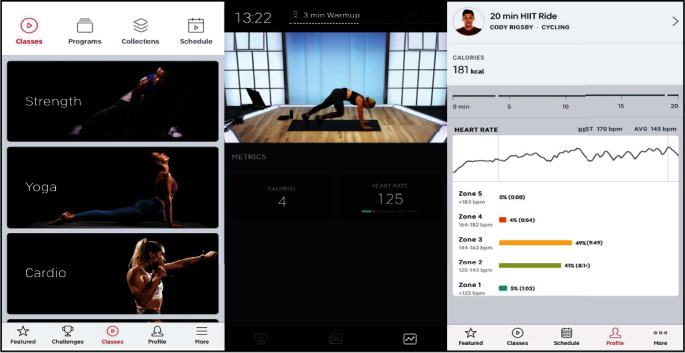
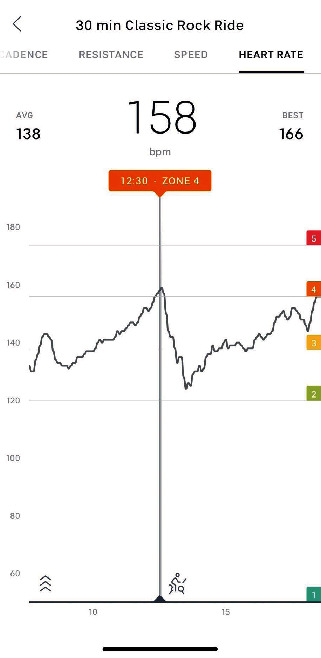
We recruited adult patients with CF. The main outcome was adherence, measured by number of sessions completed in 12 weeks. Secondary outcomes were adverse events, six-minute walk distance (6MWD), and dyspnea. Participants were provided a personalized exercise program and equipment including a fitness application that provided exercise videos, recorded exercise time, and corresponding heart rate. We reviewed data daily and provided text messages with feedback. We compared our study outcomes to a retrospective data set of CF patients who participated in a 24-session outpatient hospital-based PR program. Data presented as mean ± standard deviation.
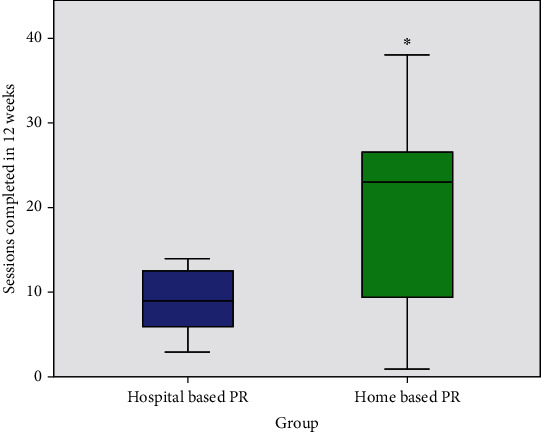
Eleven patients participated in the home PR program, 45% female, age 33 ± 7 years, FEV1 27 ± 5% predicted. Sessions completed were 19 ± 12 home-based PR vs. 9 ± 4 hospital-based PR, = .03. Fifty percent of the home-based group completed ≥24 sessions in 12 weeks versus 0% of the hospital-based patients ( = .03). There were no adverse events during exercise. Completers of the home-based program demonstrated a clinically meaningful lower decline in 6 MWD than noncompleters (6MWD -7 ± 15 vs. -86 ± 108 meters). Only one participant performed a post 6 MWD in the hospital-based PR.
Patients with severe CF demonstrated adherence to home PR delivered using fitness application and self-selected activity with no adverse events. This program style may be a viable solution for telerehabilitation in severe CF and is particularly relevant in the COVID era.
本研究旨在试点一项基于家庭的肺康复(PR)计划,该计划通过远程医疗方法实施,结合健身应用程序和囊性纤维化(CF)肺移植候选者的自选活动。
我们招募了成年CF患者。主要结局是依从性,通过12周内完成的疗程数来衡量。次要结局是不良事件、六分钟步行距离(6MWD)和呼吸困难。为参与者提供个性化的锻炼计划和设备,包括一个健身应用程序,该程序提供锻炼视频、记录锻炼时间和相应的心率。我们每天查看数据并通过短信提供反馈。我们将研究结果与一组参与24节门诊医院肺康复计划的CF患者的回顾性数据集进行比较。数据以平均值±标准差表示。
11名患者参与了家庭肺康复计划,45%为女性,年龄33±7岁,预测FEV1为27±5%。家庭肺康复完成的疗程数为19±12次,而医院肺康复为9±4次,P = 0.03。50%的家庭康复组在12周内完成了≥24次疗程,而医院康复组为0%(P = 0.03)。运动期间无不良事件。家庭康复计划的完成者在6MWD方面的下降在临床上比未完成者更有意义(6MWD -7±15米对-86±108米)。在医院肺康复中只有一名参与者进行了6MWD后测试。
重度CF患者对使用健身应用程序和自选活动进行的家庭肺康复表现出依从性,且无不良事件。这种计划方式可能是重度CF远程康复的可行解决方案,在新冠疫情时代尤为重要。