Ikeda Hiromi, Iida Tadayuki, Hiramitsu Masanori, Inoue Takashi, Aoi Satomi, Kanazashi Miho, Ishizaki Fumiko, Harada Toshihide
Faculty of Health and Welfare, Prefectural University of Hiroshima, Mihara 723-0053, Japan.
Research & Development Division, Pokka Sapporo Food & Beverage Ltd., Yaizu 425-0013, Japan.
J Nutr Metab. 2021 Feb 24;2021:8824753. doi: 10.1155/2021/8824753. eCollection 2021.
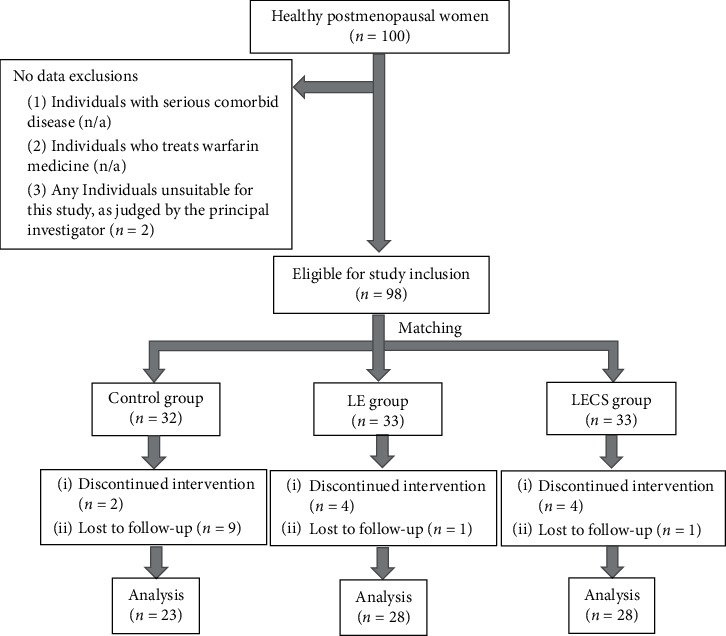
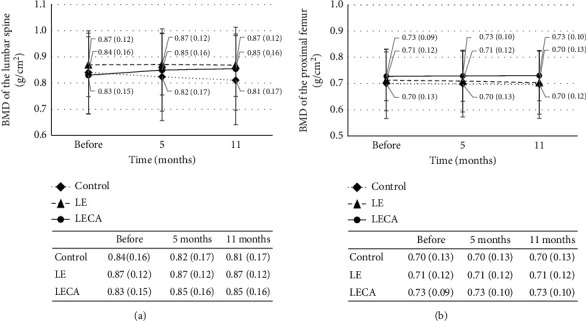
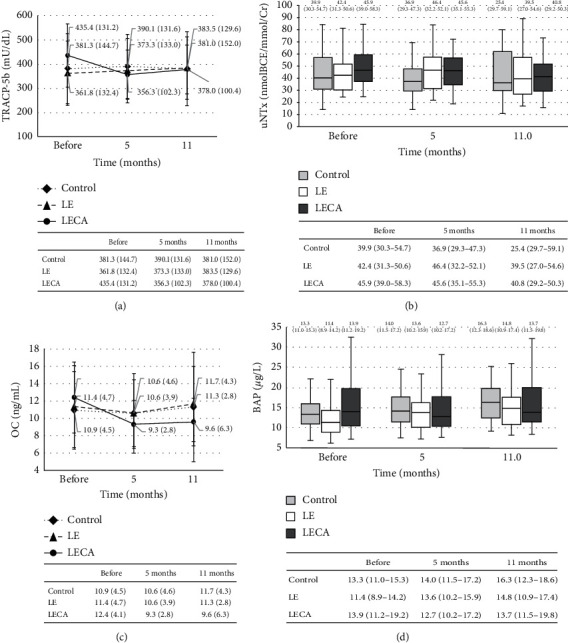
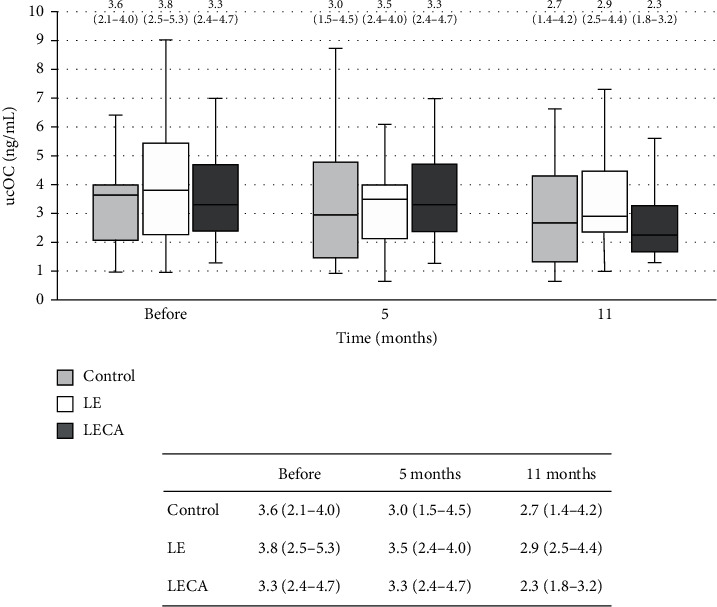
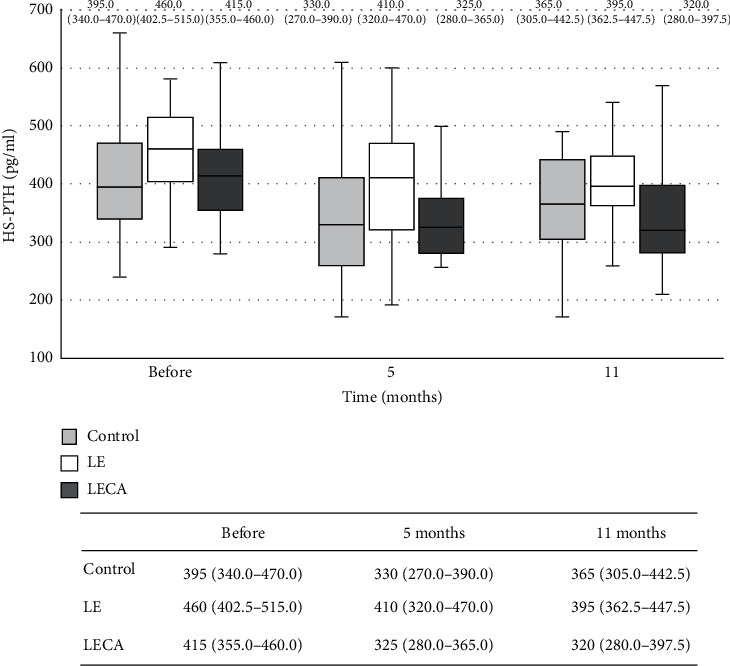
A critical factor for preventing osteoporosis after menopause is attenuation of the accelerated turnover rate of bone metabolism. The present randomized controlled study was conducted to clarify the effects of a lemon beverage with calcium (Ca) supplementation that makes use of the chelating action of citric acid. Comprehensive evaluations of bone were performed by assessments of bone mineral density (BMD) and biomarkers related to bone turnover. Seventy-nine postmenopausal women were enrolled and asked to participate in an 11-month continuous intake of the test beverages. The subjects were divided into three groups: those who consumed a lemon beverage containing citric acid with Ca supplementation (LECA group), those who consumed a lemon beverage containing citric acid without Ca supplementation (LE group), and those who consumed no test beverage (control group). Using a double-blind protocol, subjects in the LECA and LE groups consumed one bottle containing 290 mL of the test beverage each day. The ratio of change in BMD after 11 months was significantly higher in the LECA group as compared to the control and LE groups. The LECA group also showed significant decreases in concentrations of tartrate-resistant acid phosphatase 5b (TRACP-5b), a bone resorption marker, and bone alkaline phosphatase (BAP) as compared to the other groups, as well as a significant decrease in concentration of osteocalcin (OC), a bone formation marker, as compared to the LE group. Based on our findings, we speculated that bone resorption and bone formation in postmenopausal women might be suppressed along with an increase in Ca resorption caused by chelation of citric acid in association with continuous ingestion of a Ca-supplemented lemon beverage containing citric acid, resulting in suppression of high bone metabolic turnover. In addition, the results provide information regarding BMD maintenance in the bones of the trunk, including the lumbar spine and proximal femur.
绝经后预防骨质疏松症的一个关键因素是减缓骨代谢加速的转换率。本随机对照研究旨在阐明补充钙的柠檬饮料利用柠檬酸螯合作用的效果。通过评估骨密度(BMD)和与骨转换相关的生物标志物对骨骼进行综合评估。招募了79名绝经后女性,要求她们连续11个月摄入测试饮料。受试者分为三组:饮用含柠檬酸并补充钙的柠檬饮料的人(LECA组)、饮用含柠檬酸但未补充钙的柠檬饮料的人(LE组)和未饮用测试饮料的人(对照组)。采用双盲方案,LECA组和LE组的受试者每天饮用一瓶290毫升的测试饮料。与对照组和LE组相比,LECA组11个月后骨密度的变化率显著更高。与其他组相比,LECA组抗酒石酸酸性磷酸酶5b(TRACP-5b,一种骨吸收标志物)和骨碱性磷酸酶(BAP)的浓度也显著降低,与LE组相比,骨钙素(OC,一种骨形成标志物)的浓度也显著降低。根据我们的研究结果,我们推测,绝经后女性连续摄入含柠檬酸的补钙柠檬饮料,柠檬酸螯合作用会导致钙吸收增加,同时骨吸收和骨形成可能会受到抑制,从而抑制高骨代谢转换。此外,研究结果还提供了有关躯干骨骼(包括腰椎和股骨近端)骨密度维持的信息。