Department of Biotechnology, University of Szeged, Szeged, Hungary.
Institute of Environmental Sciences, University of Szeged, Szeged, Hungary.
PLoS One. 2021 Mar 17;16(3):e0248654. doi: 10.1371/journal.pone.0248654. eCollection 2021.
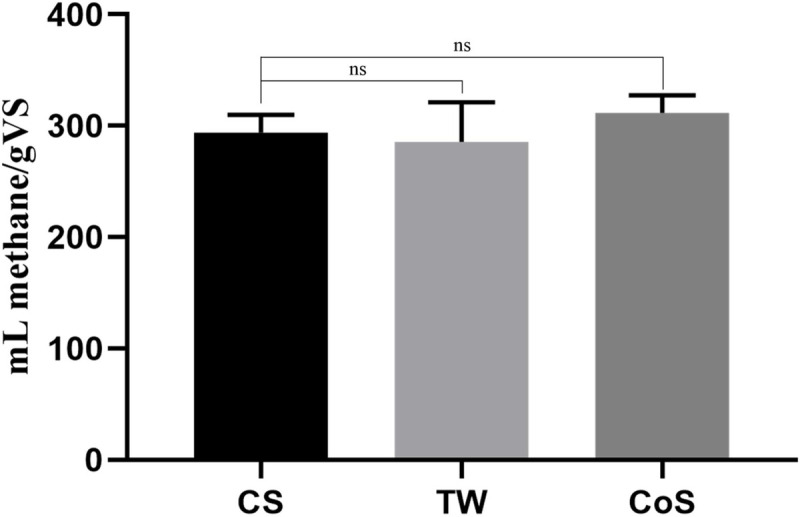
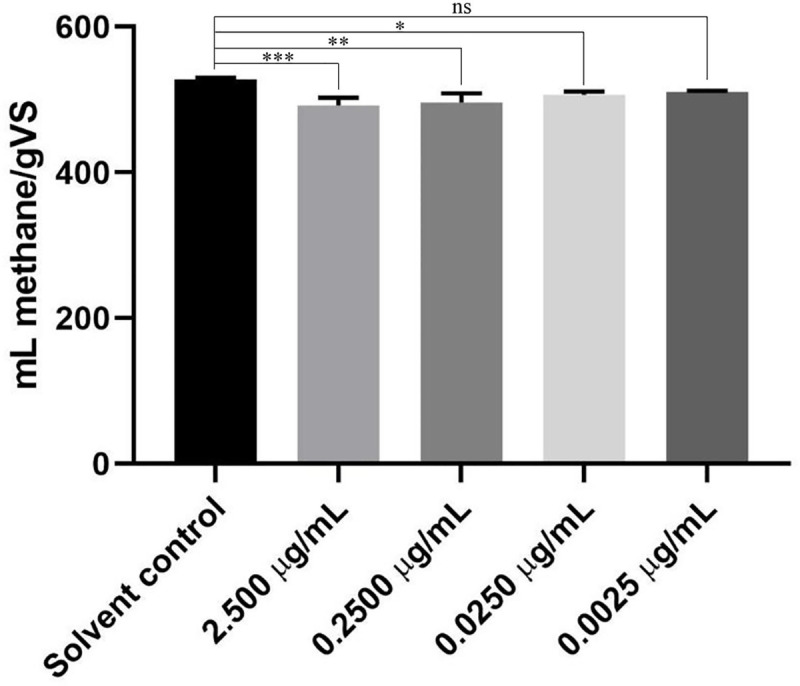
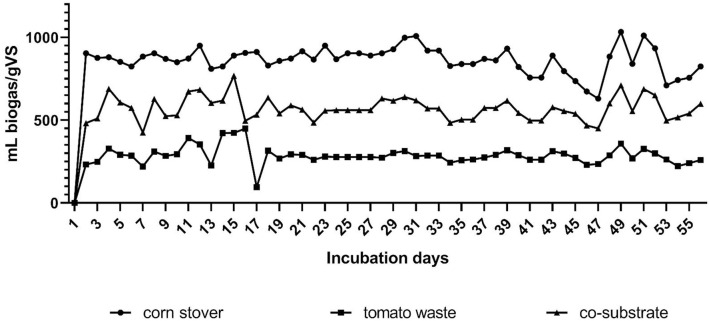
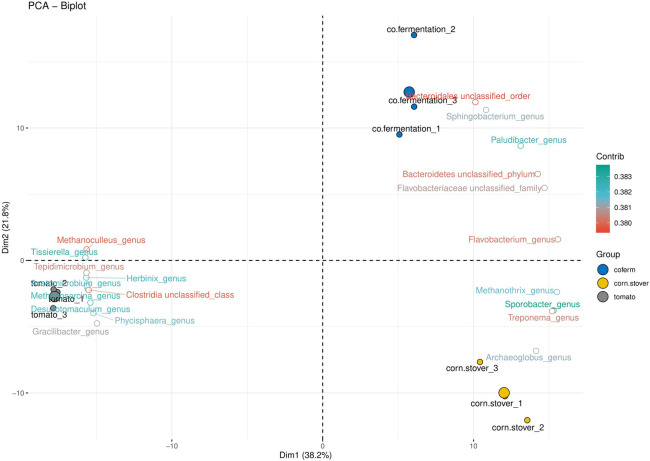
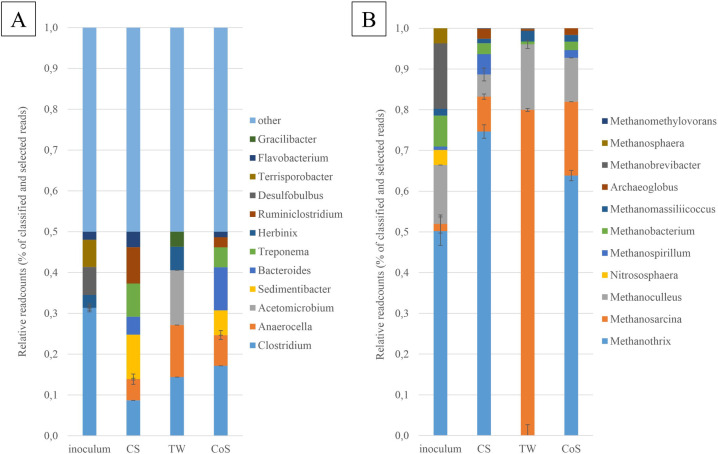
Annually, agricultural activity produces an enormous amount of plant biomass by-product. Many studies have reported the biomethane potential of agro-industrial wastes, but only a few studies have investigated applying the substrates in both batch and continuous mode. Tomato is one of the most popular vegetables globally; its processing releases a substantial amount of by-product, such as stems and leaves. This study examined the BMP of tomato plant (Solanum lycopersicum Mill. L. cv. Alfred) waste. A comparative test revealed that the BMPs of corn stover, tomato waste,and their combination were approximately the same, around 280 mL methane/g Volatile Solid. In contrast, the relative biogas production decreased in the presence of tomato waste in a continuous mesophilic anaerobic digestion system; the daily biogas productions were 860 ± 80, 290 ± 50, and 570 ± 70 mL biogas/gVolatile Solid/day in the case of corn stover, tomato waste, and their mixture, respectively. The methane content of biogas was around 46-48%. The fermentation parameters of the continuous AD experiments were optimal in all cases; thus, TW might have an inhibitory effect on the microbial community. Tomato plant materials contain e.g. flavonoids, glycoalkaloids (such as tomatine and tomatidine), etc. known as antimicrobial and antifungal agents. The negative effect of tomatine on the biogas yield was confirmed in batch fermentation experiments. Metagenomic analysis revealed that the tomato plant waste caused significant rearrangements in the microbial communities in the continuously operated reactors. The results demonstrated that tomato waste could be a good mono-substrate in batch fermentations or a co-substrate with corn stover in a proper ratio in continuous anaerobic fermentations for biogas production. These results also point to the importance of running long-term continuous fermentations to test the suitability of a novel biomass substrate for industrial biogas production.
每年,农业活动都会产生大量的植物生物质副产物。许多研究都报道了农业工业废物的生物甲烷潜力,但只有少数研究调查了在批量和连续模式下应用这些底物。番茄是全球最受欢迎的蔬菜之一;其加工会释放大量副产物,如茎和叶。本研究考察了番茄植物(Solanum lycopersicum Mill. L. cv. Alfred)废物的生物甲烷潜力。比较试验表明,玉米秸秆、番茄废物及其混合物的生物甲烷潜力大致相同,约为 280 毫升甲烷/挥发性固体。相比之下,在连续中温厌氧消化系统中存在番茄废物时,相对沼气产量下降;玉米秸秆、番茄废物和它们的混合物的每日沼气产量分别为 860±80、290±50 和 570±70 毫升沼气/挥发性固体/天。沼气中的甲烷含量约为 46-48%。连续 AD 实验的发酵参数在所有情况下均为最佳;因此,TW 可能对微生物群落有抑制作用。番茄植物材料含有例如类黄酮、糖苷生物碱(如茄碱和茄啶)等,这些物质具有抗菌和抗真菌作用。在批量发酵实验中证实了茄碱对沼气产量的负面影响。宏基因组分析表明,番茄植物废物导致连续运行的反应器中微生物群落发生显著重组。结果表明,番茄废物可以作为批量发酵的良好单一底物,或与玉米秸秆以适当比例在连续厌氧发酵中用作沼气生产的共底物。这些结果还表明,运行长期连续发酵以测试新型生物质底物用于工业沼气生产的适宜性非常重要。