Bijlmakers Marie-José
Other, Cambridge, United Kingdom.
Front Chem. 2021 Jan 28;8:630888. doi: 10.3389/fchem.2020.630888. eCollection 2020.
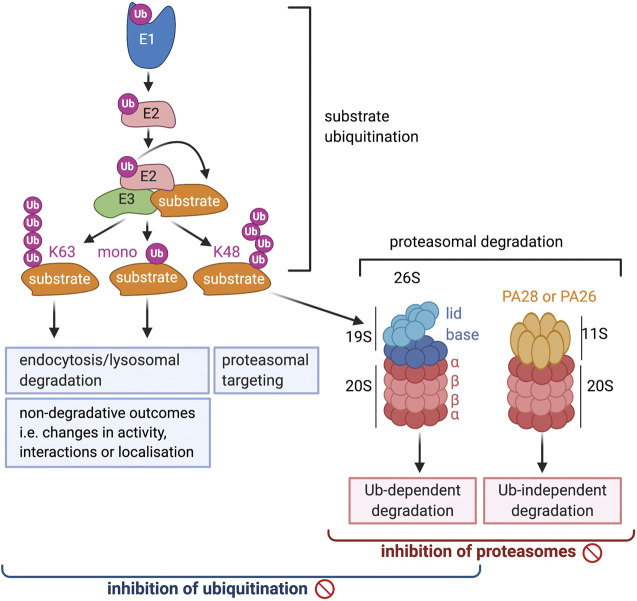
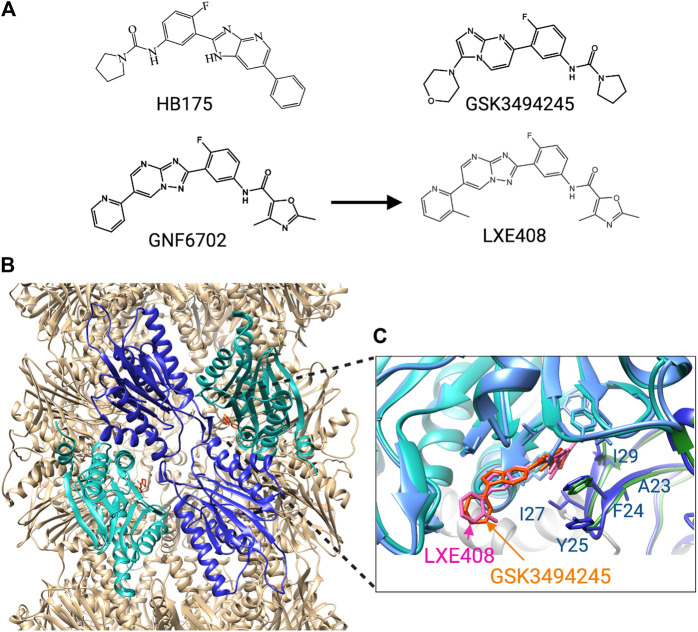
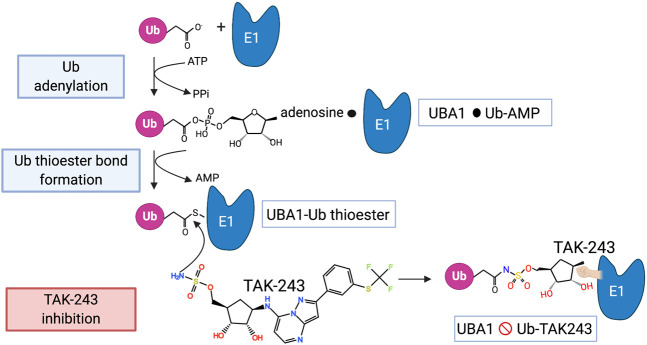
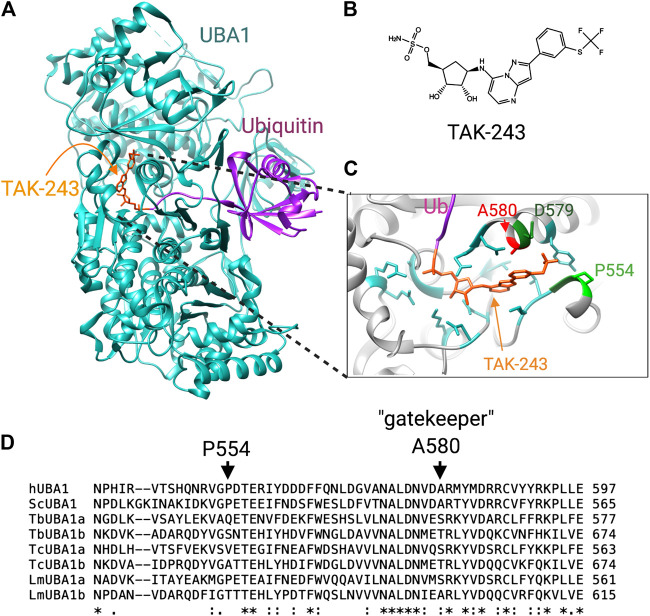
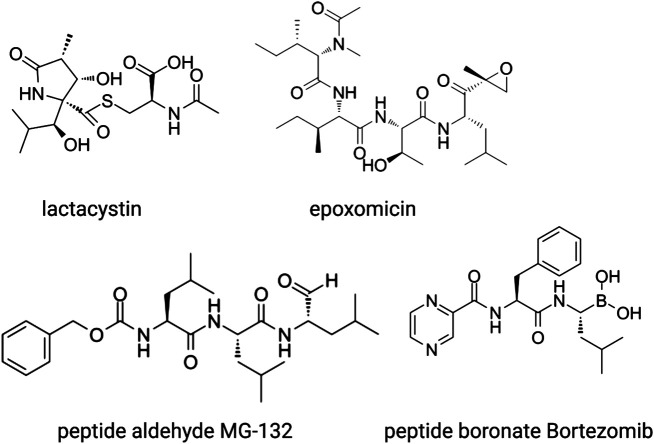
The eukaryotic pathogens , and are responsible for debilitating diseases that affect millions of people worldwide. The numbers of drugs available to treat these diseases, Human African Trypanosomiasis, Chagas' disease and Leishmaniasis are very limited and existing treatments have substantial shortcomings in delivery method, efficacy and safety. The identification and validation of novel drug targets opens up new opportunities for the discovery of therapeutic drugs with better efficacy and safety profiles. Here, the potential of targeting the ubiquitin-proteasome system in these parasites is reviewed. Ubiquitination is the posttranslational attachment of one or more ubiquitin proteins to substrates, an essential eukaryotic mechanism that regulates a wide variety of cellular processes in many different ways. The best studied of these is the delivery of ubiquitinated substrates for degradation to the proteasome, the major cellular protease. However, ubiquitination can also regulate substrates in proteasome-independent ways, and proteasomes can degrade proteins to some extent in ubiquitin-independent ways. Because of these widespread roles, both ubiquitination and proteasomal degradation are essential for the viability of eukaryotes and the proteins that mediate these processes are therefore attractive drug targets in trypanosomatids. Here, the current understanding of these processes in trypanosomatids is reviewed. Furthermore, significant recent progress in the development of trypanosomatid-selective proteasome inhibitors that cure mouse models of trypanosomatid infections is presented. In addition, the targeting of the key enzyme in ubiquitination, the ubiquitin E1 UBA1, is discussed as an alternative strategy. Important differences between human and trypanosomatid UBA1s in susceptibility to inhibitors predicts that the selective targeting of these enzymes in trypanosomatids may also be feasible. Finally, it is proposed that activating enzymes of the ubiquitin-like proteins SUMO and NEDD8 may represent drug targets in these trypanosomatids as well.
真核病原体锥虫和利什曼原虫会引发使人虚弱的疾病,全球数百万人深受其害。用于治疗这些疾病(人类非洲锥虫病、恰加斯病和利什曼病)的药物数量非常有限,而且现有治疗方法在给药方式、疗效和安全性方面存在重大缺陷。新型药物靶点的鉴定和验证为发现疗效和安全性更佳的治疗药物带来了新机遇。在此,本文综述了针对这些寄生虫中泛素-蛋白酶体系统的潜力。泛素化是一种或多种泛素蛋白在翻译后附着于底物的过程,这是一种重要的真核机制,以多种不同方式调节广泛的细胞过程。其中研究最深入的是将泛素化底物递送至蛋白酶体进行降解,蛋白酶体是主要的细胞蛋白酶。然而,泛素化也可以通过不依赖蛋白酶体的方式调节底物,并且蛋白酶体可以在一定程度上以不依赖泛素的方式降解蛋白质。由于这些广泛的作用,泛素化和蛋白酶体降解对于真核生物的生存能力都是必不可少的,因此介导这些过程的蛋白质是锥虫中具有吸引力的药物靶点。在此,本文综述了目前对锥虫中这些过程的理解。此外,还介绍了在开发能治愈锥虫感染小鼠模型的锥虫选择性蛋白酶体抑制剂方面最近取得的重大进展。此外,还讨论了针对泛素化关键酶泛素E1 UBA1的靶向作为一种替代策略。人类和锥虫UBA1对抑制剂敏感性的重要差异表明,在锥虫中选择性靶向这些酶可能也是可行的。最后,有人提出泛素样蛋白SUMO和NEDD8的激活酶也可能是这些锥虫中的药物靶点。