Department of Industrial Chemistry, Federal University Lokoja, Nigeria.
Department of Chemistry, Covenant University, Ota, Nigeria.
Sci Total Environ. 2021 May 10;768:145187. doi: 10.1016/j.scitotenv.2021.145187. Epub 2021 Jan 21.
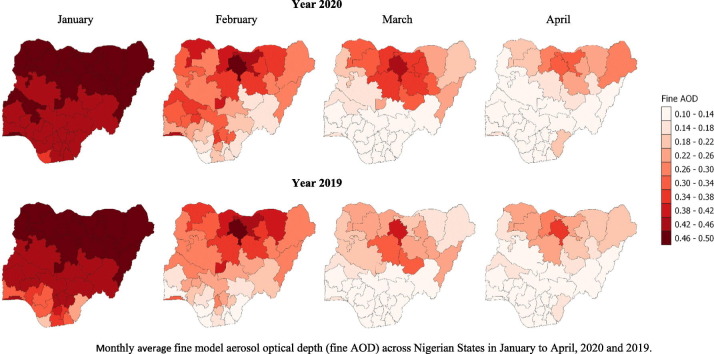
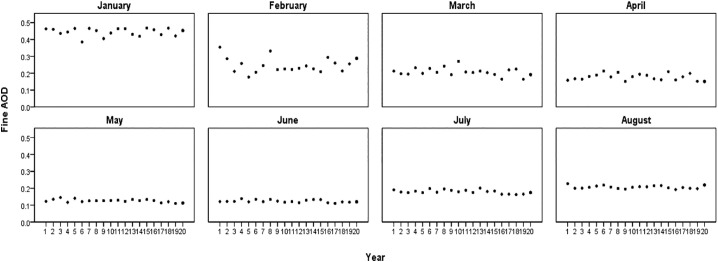
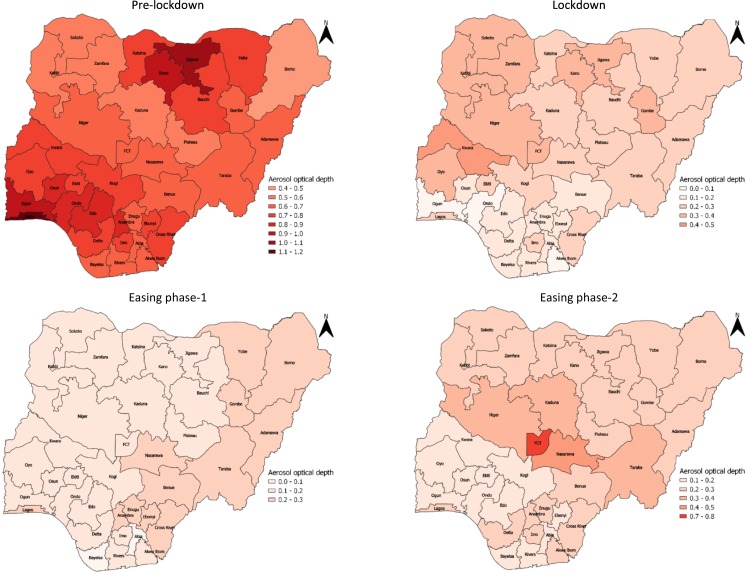
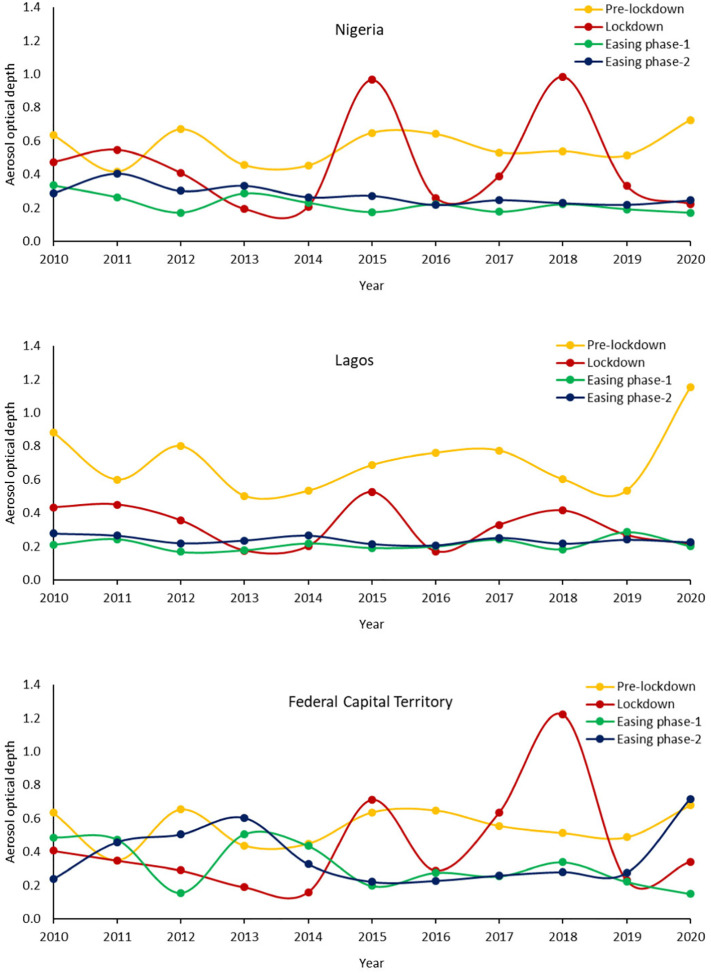
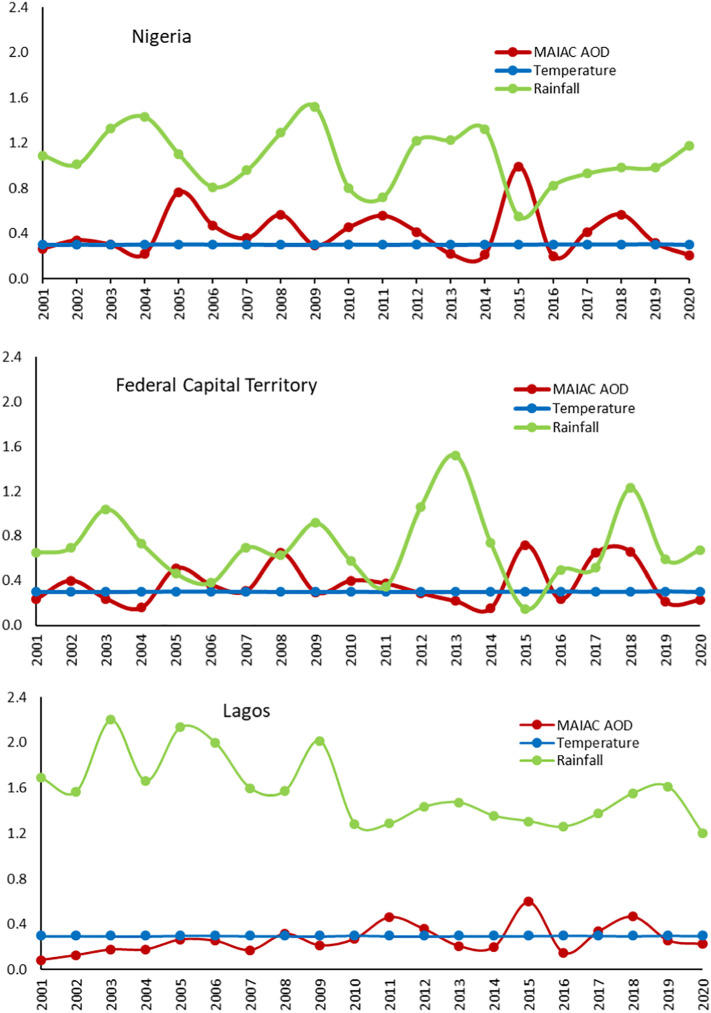
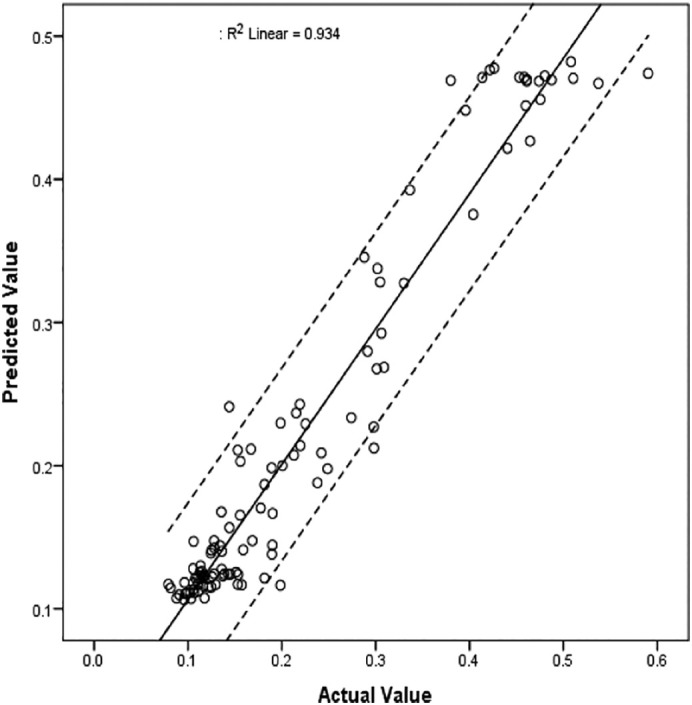
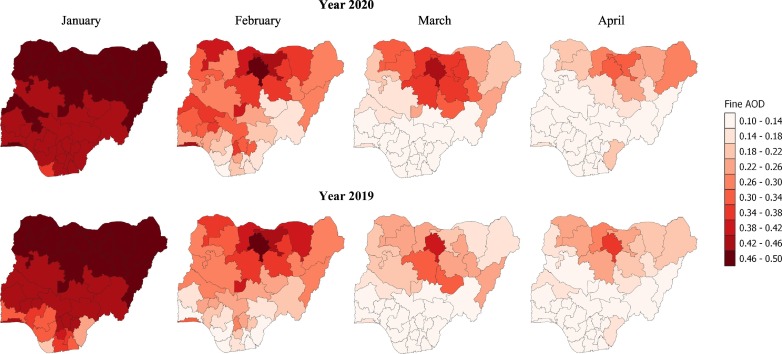
Globally, ambient air pollution claims ~9 million lives yearly, prompting researchers to investigate changes in air quality. Of special interest is the impact of COVID-19 lockdown. Many studies reported substantial improvements in air quality during lockdowns compared with pre-lockdown or as compared with baseline values. Since the lockdown period coincided with the onset of the rainy season in some tropical countries such as Nigeria, it is unclear if such improvements can be fully attributed to the lockdown. We investigate whether significant changes in air quality in Nigeria occurred primarily due to statewide COVID-19 lockdown. We applied a neural network approach to derive monthly average ground-level fine aerosol optical depth (AOD) across Nigeria from year 2001-2020, using the Multi-angle Implementation of Atmospheric Correction (MAIAC) AODs from Terra and Aqua Moderate Resolution Imaging Spectroradiometer (MODIS) satellites, AERONET aerosol optical properties, meteorological and spatial parameters. During the year 2020, we found a 21% or 26% decline in average AOD level across Nigeria during lockdown (April) as compared to pre-lockdown (March), or during the easing phase-1 (May) as compared to lockdown, respectively. Throughout the 20-year period, AOD levels were highest in January and lowest in May or June, but not April. Comparison of AOD levels between 2020 and 2019 shows a small decline (1%) in pollution level in April of 2020 compare to 2019. Using a linear time-lag model to compare changes in AOD levels for similar months from 2002 to 2020, we found no significant difference (Levene's test and ANCOVA; α = 0.05) in the pollution levels by year, which indicates that the lockdown did not significantly improve air quality in Nigeria. Impact analysis using multiple linear regression revealed that favorable meteorological conditions due to seasonal change in temperature, relative humidity, planetary boundary layer height, wind speed and rainfall improved air quality during the lockdown.
全球范围内,环境空气污染每年导致约 900 万人死亡,促使研究人员调查空气质量的变化。特别关注的是 COVID-19 封锁的影响。许多研究报告称,与封锁前或基线值相比,封锁期间空气质量有了实质性改善。由于封锁期间恰逢尼日利亚等一些热带国家雨季的开始,因此尚不清楚这些改善是否可以完全归因于封锁。我们调查了尼日利亚的空气质量是否主要由于全州范围内的 COVID-19 封锁而发生了显著变化。我们应用神经网络方法,使用 Terra 和 Aqua 中多角度大气校正(MAIAC)气溶胶光学深度(AOD)和 Moderate Resolution Imaging Spectroradiometer(MODIS)卫星、AERONET 气溶胶光学特性、气象和空间参数,从 2001 年至 2020 年推导尼日利亚各地每月的地面细颗粒物 AOD 平均值。在 2020 年,我们发现与封锁前(三月)相比,尼日利亚在封锁期间(四月)的平均 AOD 水平下降了 21%或 26%,或与放松阶段 1(五月)相比,分别下降了 21%或 26%。在整个 20 年期间,AOD 水平在 1 月最高,在 5 月或 6 月最低,但不在 4 月。将 2020 年和 2019 年的 AOD 水平进行比较,发现 2020 年 4 月的污染水平较 2019 年略有下降(1%)。使用线性时间滞后模型比较 2002 年至 2020 年类似月份的 AOD 水平变化,我们发现按年份划分的污染水平没有显著差异(Levene 检验和 ANCOVA;α=0.05),这表明封锁并未显著改善尼日利亚的空气质量。使用多元线性回归的影响分析表明,由于温度、相对湿度、行星边界层高度、风速和降雨量的季节性变化导致的有利气象条件改善了封锁期间的空气质量。