Nandan Abhishek, Siddiqui N A, Singh Chandrakant, Aeri Ashish, Gwenzi Willis, Ighalo Joshua O, de Carvalho Nagliate Patrícia, Meili Lucas, Singh Pardeep, Chaukura Nhamo, Rangabhashiyam Selvasembian
University of Petroleum and Energy Studies, Premnagar, Dehradun, India.
Biosystems and Environmental Engineering Research Group, Department of Agricultural and Biosystems Engineering, Faculty of Agriculture, University of Zimbabwe, P.O. Box MP 167, Mount Pleasant, Harare, Zimbabwe.
J Environ Chem Eng. 2021 Dec;9(6):106595. doi: 10.1016/j.jece.2021.106595. Epub 2021 Oct 19.
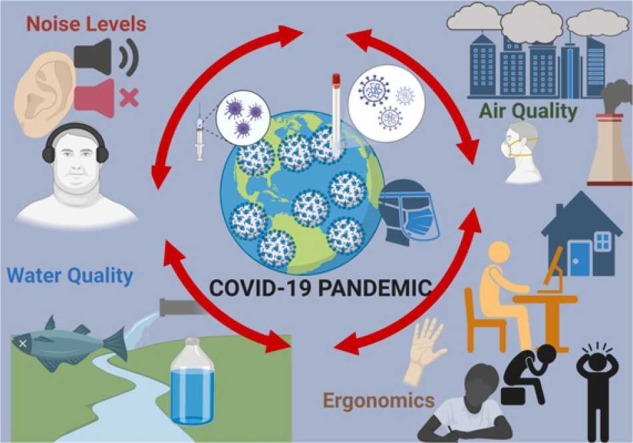
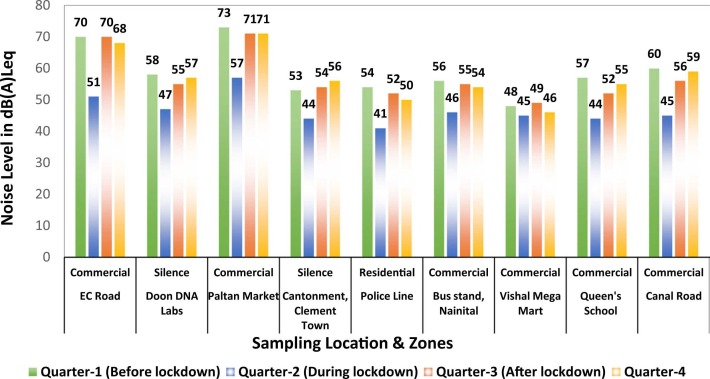
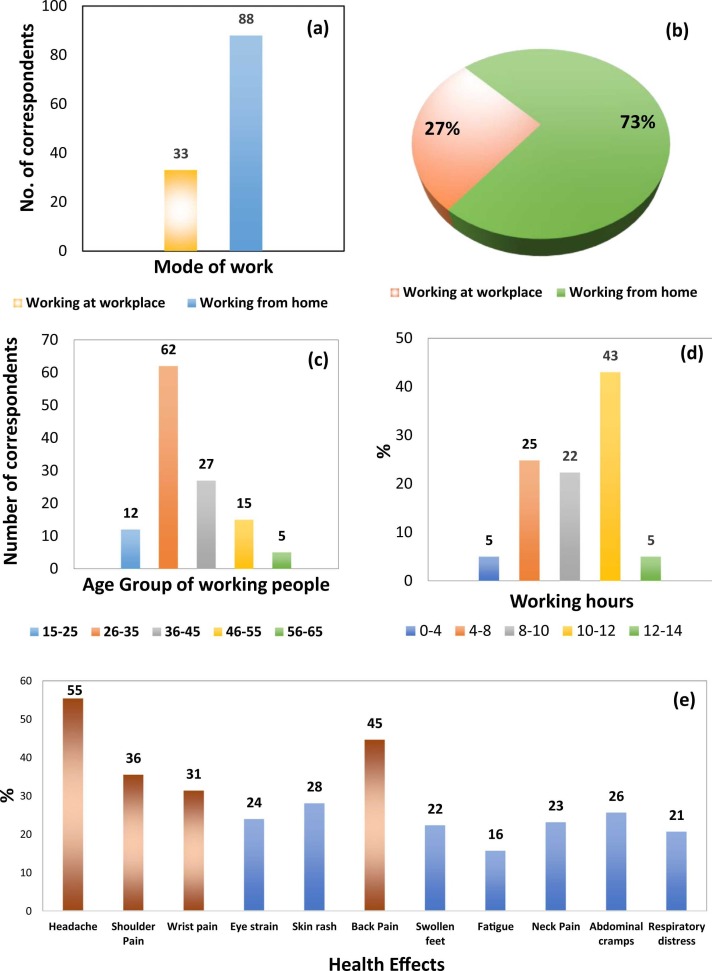
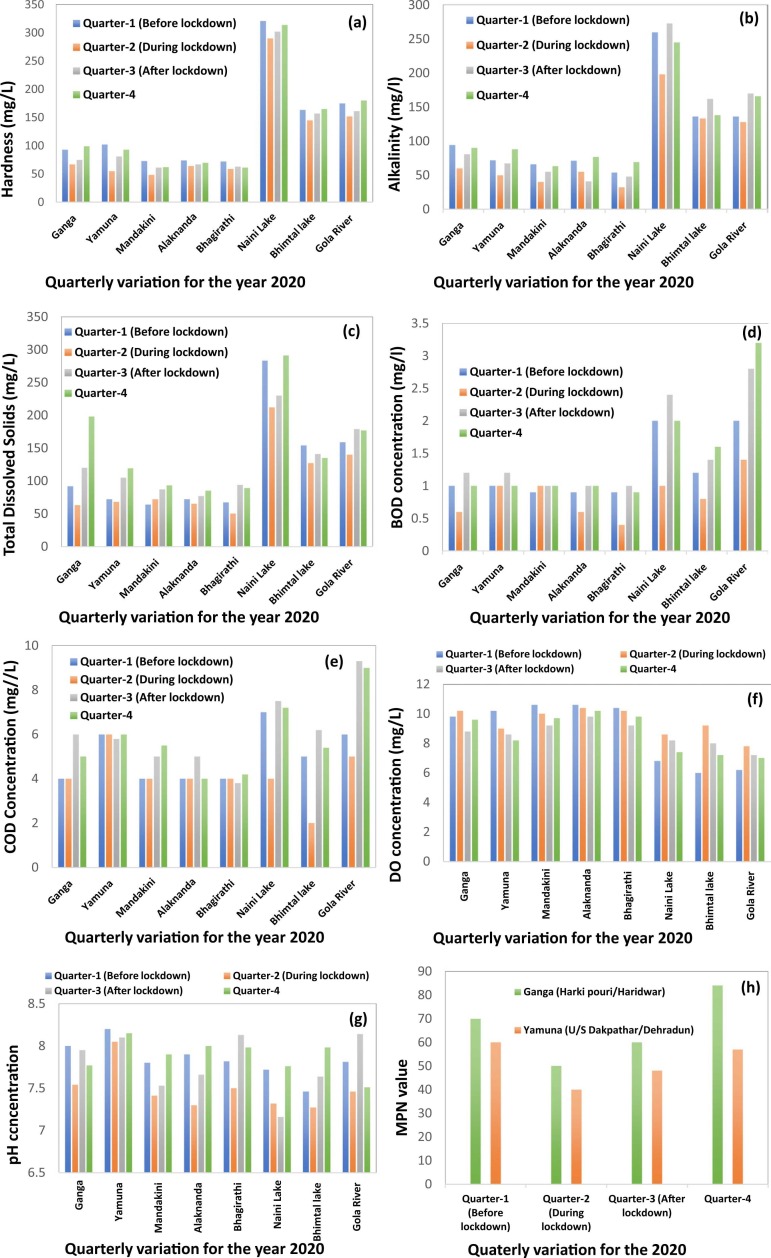
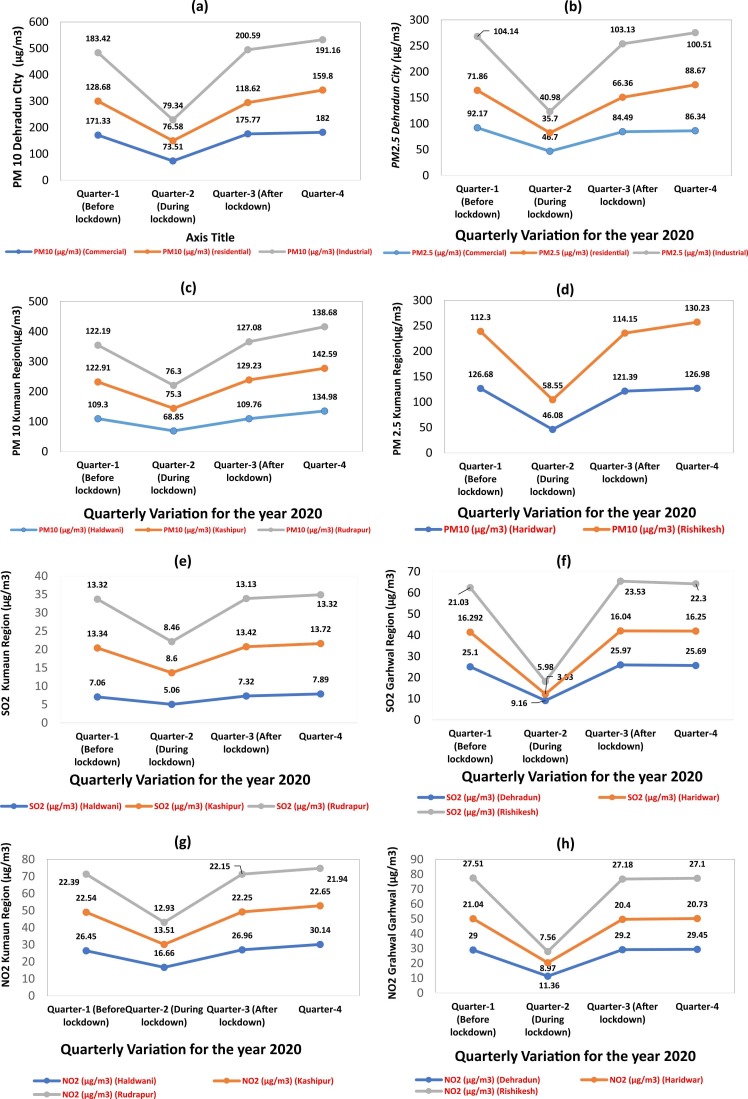
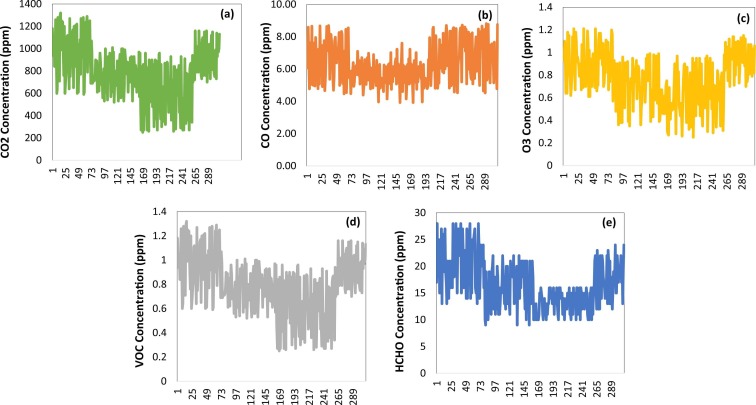
The human coronavirus disease-2019 (COVID-19) caused by SARS-CoV-2 is now a global pandemic. Personal hygiene such as hand-washing, the use of personal protective equipment, and social distancing via local and national lockdowns are used to reduce the risk of transmission of SARS-CoV-2. COVID-19 and the associated lockdowns may have significant impacts on environmental quality and ergonomics. However, limited studies exists on the impacts of COVID-19 and the associated lockdowns on environmental quality and ergonomics in low-income settings. Therefore, the present study investigated the impacts of the COVID-19 outbreak on socioeconomics, ergonomics and environment (water quality, air quality and noise) in Uttarakhand, India. Approximately 55% of respondents experienced headaches, and the other common health-related issue was back pain, with 45% of respondents having problems with their backs. Water and air quality significantly improved during the lockdown relative to the pre-lockdown period, but was observed to return to their previous characteristics afterwards. Lockdowns significant increased the concentration of indoor air pollutants while noise pollution levels significantly declined. In summary, lockdowns have adverse impacts on ergonomics, resulting in work-related human health risks. The impacts of lockdowns on environmental quality are mixed: temporary improvements on water and air quality, and noise reduction were observed, but indoor air quality deteriorated. Therefore, during lockdowns there is a need to minimize the adverse environmental and ergonomic impacts of lockdowns while simultaneously enhancing the beneficial impacts.
由严重急性呼吸综合征冠状病毒2(SARS-CoV-2)引起的人类冠状病毒病2019(COVID-19)如今已成为全球大流行疾病。诸如洗手、使用个人防护装备以及通过地方和国家封锁措施保持社交距离等个人卫生措施,被用于降低SARS-CoV-2的传播风险。COVID-19及相关的封锁措施可能会对环境质量和人体工程学产生重大影响。然而,关于COVID-19及相关封锁措施对低收入环境下的环境质量和人体工程学影响的研究有限。因此,本研究调查了COVID-19疫情对印度北阿坎德邦的社会经济、人体工程学和环境(水质、空气质量和噪音)的影响。约55%的受访者出现头痛症状,另一个常见的健康相关问题是背痛,45%的受访者背部有问题。与封锁前相比,封锁期间水质和空气质量显著改善,但之后又恢复到之前的状况。封锁显著增加了室内空气污染物的浓度,而噪音污染水平显著下降。总之,封锁对人体工程学有不利影响,导致与工作相关的人类健康风险。封锁对环境质量的影响好坏参半:观察到水质和空气质量有暂时改善,噪音降低,但室内空气质量恶化。因此,在封锁期间,有必要尽量减少封锁对环境和人体工程学的不利影响,同时增强有益影响。