Division of Agrotechnology, Council of Scientific and Industrial Research-Institute of Himalayan Bioresource Technology (CSIR-IHBT), Post Box No. 6, Palampur, HP, 176 061, India.
Academy of Scientific and Innovative Research (AcSIR), Ghaziabad, 201002, India.
Sci Rep. 2021 Mar 18;11(1):6205. doi: 10.1038/s41598-021-85689-2.
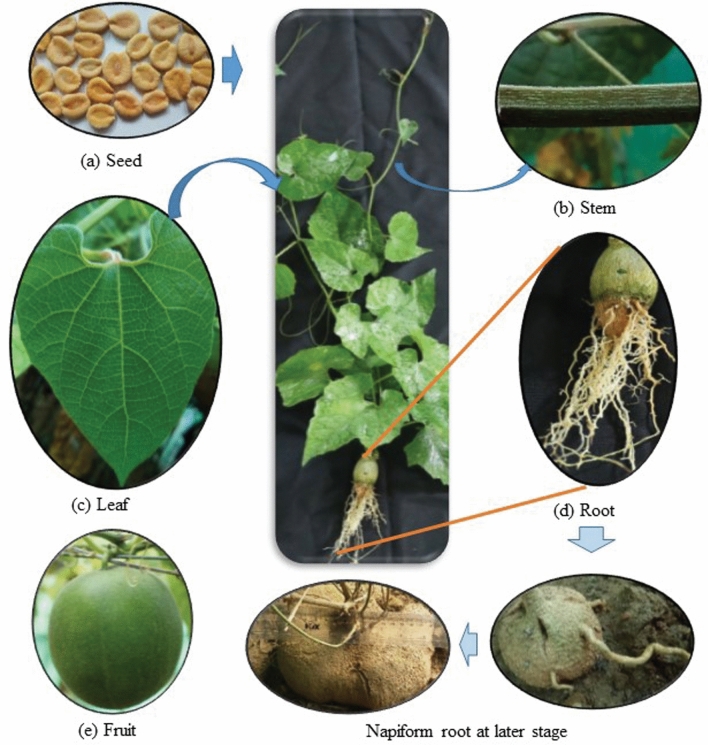
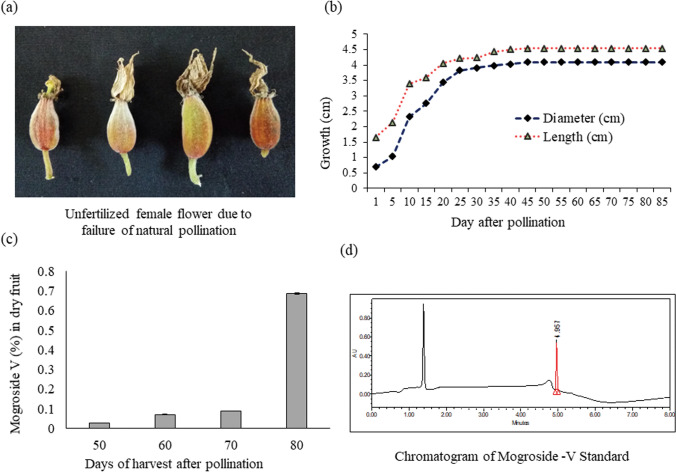
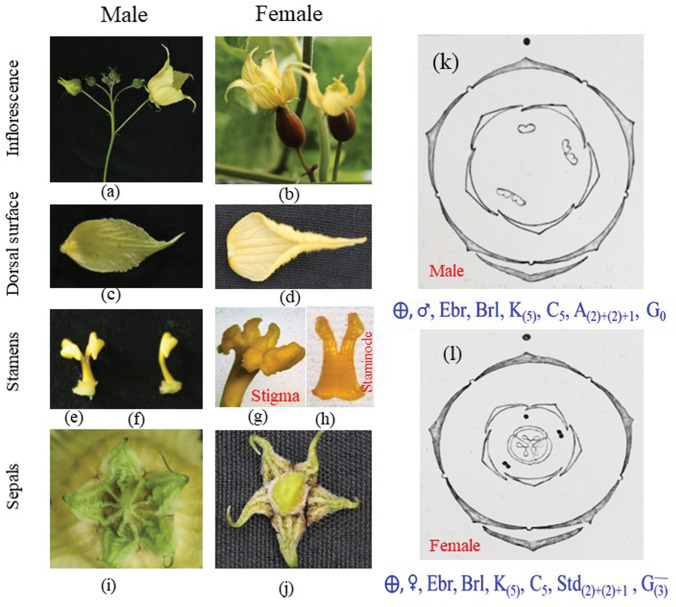
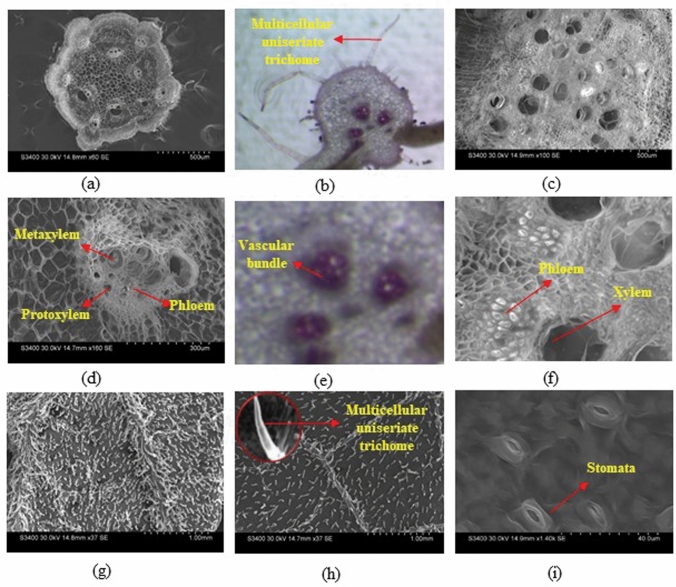
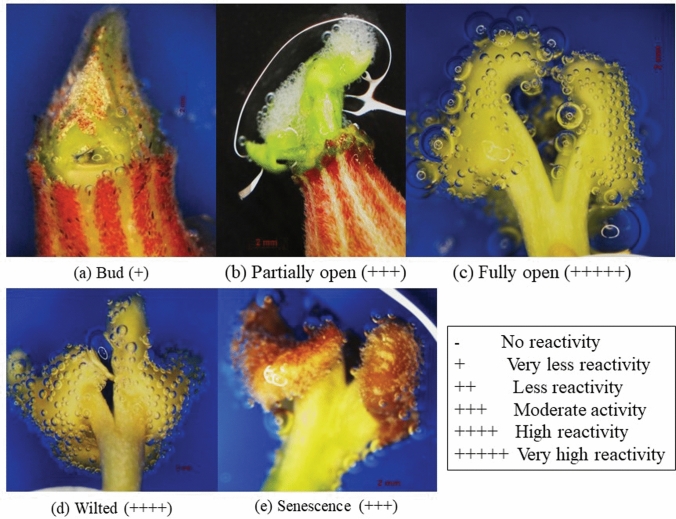
Siraitia grosvenorii, an herbaceous perennial plant, native to the southern parts of China, is commonly used as a low-calorie natural sweetener. It contains cucurbitane-type triterpene glycosides known as mogrosides. The extract from monk fruit is about 300 times sweeter than sucrose. In spite of its immense importance and International demand, Siraitia grosvenorii (Swingle) is not commercially cultivated outside China since scientific information for cultivation of this species is lacking. Planting material of monk fruit plant was not available in India. Thus, the seeds of monk fruit were introduced in India from China after following International norms. Then the experiments were conducted on different aspects such as seed germination, morphological and anatomical characterization, phenology, flowering and pollination behaviors, and dynamic of mogroside-V accumulation in fruit. The hydropriming at 40 °C for 24 h was found effective to reduce the germination time and to increase the germination rate (77.33%). The multicellular uniseriate trichomes were observed in both the leaf surfaces, however, higher trichomes density was observed in the ventral surface of males compared to females. The microscopic view revealed that the ovary was trilocular (ovary consists three chambers) having two ovules in each chamber or locule. Most of the fruits were globose or oblong type with 5-7 cm in length and 4-7 cm diameter. Mogroside-V content in fruit at 80 days after pollination was 0.69% on dry weight basis. The rate of increase of mogroside-V accumulation from 50 to 70 days was very slow, whereas a sharp increase was observed from 70 to 80 days. The higher receptivity of stigma was observed with fully open flowers. The floral diagram and formula have also been developed for both male and female flowers. Our results highlighted that monk fruit can be grown in Indian conditions.
罗汉果,一种原产于中国南方的多年生草本植物,通常被用作低热量的天然甜味剂。它含有葫芦烷型三萜糖苷,称为罗汉果苷。罗汉果提取物的甜度约为蔗糖的 300 倍。尽管罗汉果(Swingle)非常重要且国际需求巨大,但由于缺乏该物种的栽培科学信息,其在中国境外尚未商业化种植。印度没有罗汉果植物的种植材料。因此,在中国遵循国际规范从中国引进了罗汉果的种子。然后,在种子发芽、形态和解剖特征、物候学、开花和授粉行为以及果实中罗汉果苷-V 积累的动态等方面进行了实验。在 40°C 下进行 24 小时的水预浸处理被发现可有效缩短发芽时间并提高发芽率(77.33%)。在叶片的两面都观察到了多细胞单列毛状体,但在雄性的下表面观察到的毛状体密度更高。显微镜观察显示,子房为三室(子房由三个腔室组成),每个腔室或小室中有两个胚珠。大多数果实呈球形或长圆形,长 5-7 厘米,直径 4-7 厘米。授粉后 80 天,果实中罗汉果苷-V 的含量按干重计算为 0.69%。从 50 天到 70 天,罗汉果苷-V 积累的增长率非常缓慢,而从 70 天到 80 天则急剧增加。完全开放的花朵柱头的接受率更高。还为雄花和雌花分别制定了花图式和公式。我们的研究结果表明,罗汉果可以在印度的条件下种植。