FEUP-Faculdade de Engenharia, Universidade do Porto, R. Dr. Roberto Frias, 4200-465, Porto, Portugal.
ISCA-Instituto Superior de Contabilidade e Administração, Universidade de Aveiro, R. Associação Humanitária dos Bombeiros Voluntários, 3810-902, Aveiro, Portugal.
Sci Rep. 2021 Mar 18;11(1):6222. doi: 10.1038/s41598-021-85697-2.
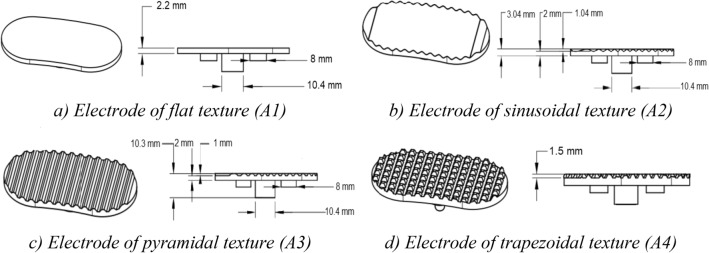
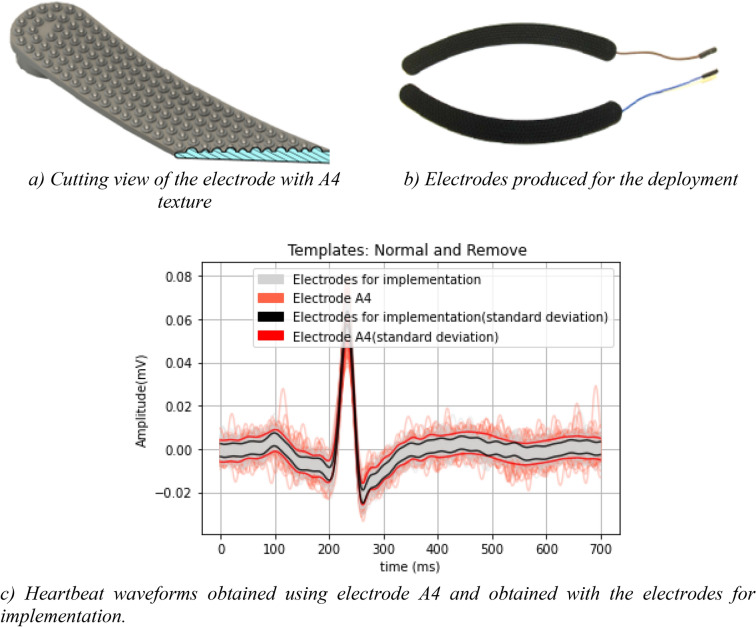
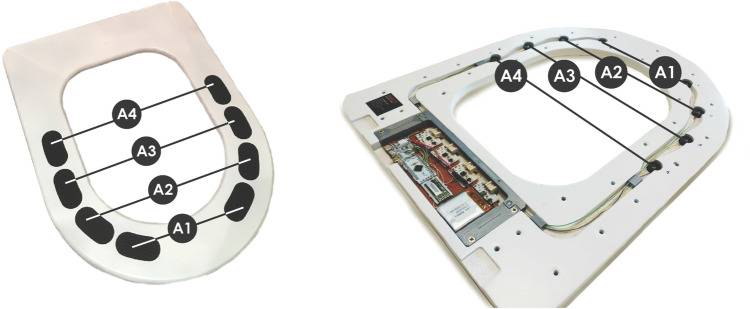
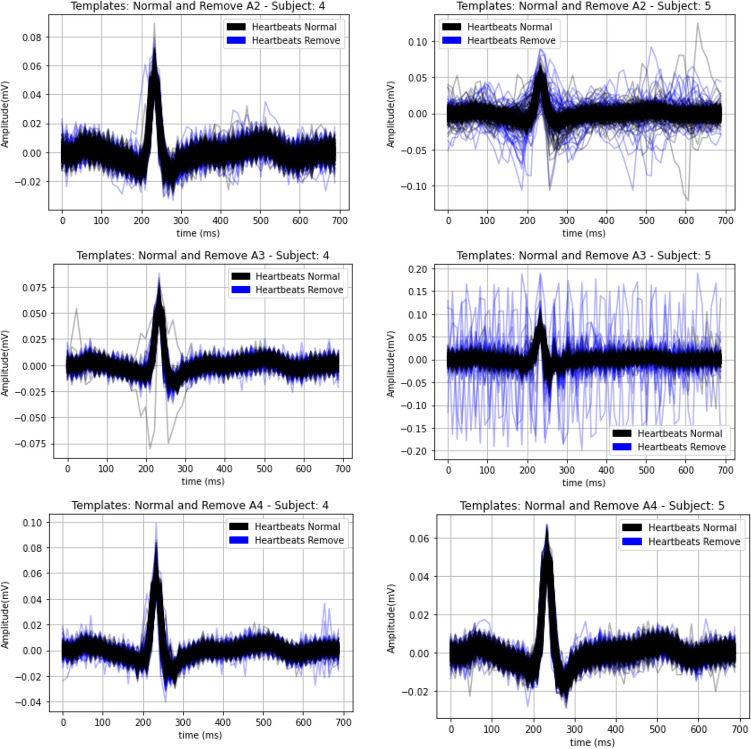
Multiple wearable devices for cardiovascular self-monitoring have been proposed over the years, with growing evidence showing their effectiveness in the detection of pathologies that would otherwise be unnoticed through standard routine exams. In particular, Electrocardiography (ECG) has been an important tool for such purpose. However, wearables have known limitations, chief among which are the need for a voluntary action so that the ECG trace can be taken, battery lifetime, and abandonment. To effectively address these, novel solutions are needed, which has recently paved the way for "invisible" (aka "off-the-person") sensing approaches. In this article we describe the design and experimental evaluation of a system for invisible ECG monitoring at home. For this purpose, a new sensor design was proposed, novel materials have been explored, and a proof-of-concept data collection system was created in the form of a toilet seat, enabling ECG measurements as an extension of the regular use of sanitary facilities, without requiring body-worn devices. In order to evaluate the proposed approach, measurements were performed using our system and a gold standard equipment, involving 10 healthy subjects. For the acquisition of the ECG signals on the toilet seat, polymeric electrodes with different textures were produced and tested. According to the results obtained, some of the textures did not allow the acquisition of signals in all users. However, a pyramidal texture showed the best results in relation to heart rate and ECG waveform morphology. For a texture that has shown 0% signal loss, the mean heart rate difference between the reference and experimental device was - 1.778 ± 4.654 Beats per minute (BPM); in terms of ECG waveform, the best cases present a Pearson correlation coefficient above 0.99.
多年来,已经提出了多种用于心血管自我监测的可穿戴设备,越来越多的证据表明它们在检测通过标准常规检查无法发现的病理学方面的有效性。特别是心电图 (ECG) 一直是此类目的的重要工具。然而,可穿戴设备存在已知的局限性,其中主要的局限性是需要采取自愿行动以便可以获取 ECG 迹线、电池寿命和设备的弃用。为了有效地解决这些问题,需要新的解决方案,这最近为“隐形”(又名“不在人身上”)感应方法铺平了道路。在本文中,我们描述了一种在家中进行隐形 ECG 监测的系统的设计和实验评估。为此,提出了一种新的传感器设计,探索了新型材料,并以马桶座的形式创建了一个概念验证数据采集系统,使 ECG 测量成为常规使用卫生设施的扩展,而无需佩戴身体设备。为了评估所提出的方法,使用我们的系统和黄金标准设备对 10 名健康受试者进行了测量。为了在马桶座上获取 ECG 信号,制作并测试了具有不同纹理的聚合物电极。根据获得的结果,一些纹理不允许所有用户都能采集到信号。然而,金字塔纹理在心率和 ECG 波形形态方面表现出最佳效果。对于一种显示 0%信号丢失的纹理,参考设备和实验设备之间的平均心率差异为-1.778 ± 4.654 次/分钟(BPM);在 ECG 波形方面,最好的情况呈现出高于 0.99 的皮尔逊相关系数。