Sauer Scott, Beinart Dylan, Finn Sade M B, Kumar Sereena L, Cheng Qing, Hwang Shelley E, Parker William, Devi Gayathri R
Department of Surgery, Duke University Medical Center, Durham, NC 27710, USA.
Evol Med Public Health. 2021 Feb 12;9(1):131-138. doi: 10.1093/emph/eoab007. eCollection 2021.
An individual's risk of breast cancer is profoundly affected by evolutionary mismatch. Mismatches in Western society known to increase the risk of breast cancer include a sedentary lifestyle and reproductive factors. Biota alteration, characterized by a loss of biodiversity from the ecosystem of the human body as a result of Western society, is a mismatch known to increase the risk of a variety of inflammation-related diseases, including colitis-associated colon cancer. However, the effect of biota alteration on breast cancer has not been evaluated.
In this study, we utilized the C3(1)-TAg mouse model of breast cancer to evaluate the role of biota alteration in the development of breast cancer. This model has been used to recapitulate the role of exercise and pregnancy in reducing the risk of breast cancer. C3(1)-TAg mice were treated with , a benign helminth that has been shown to reverse the effects of biota alteration in animal models.
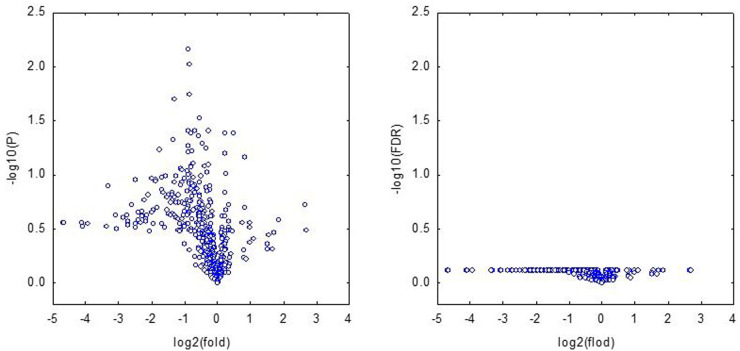
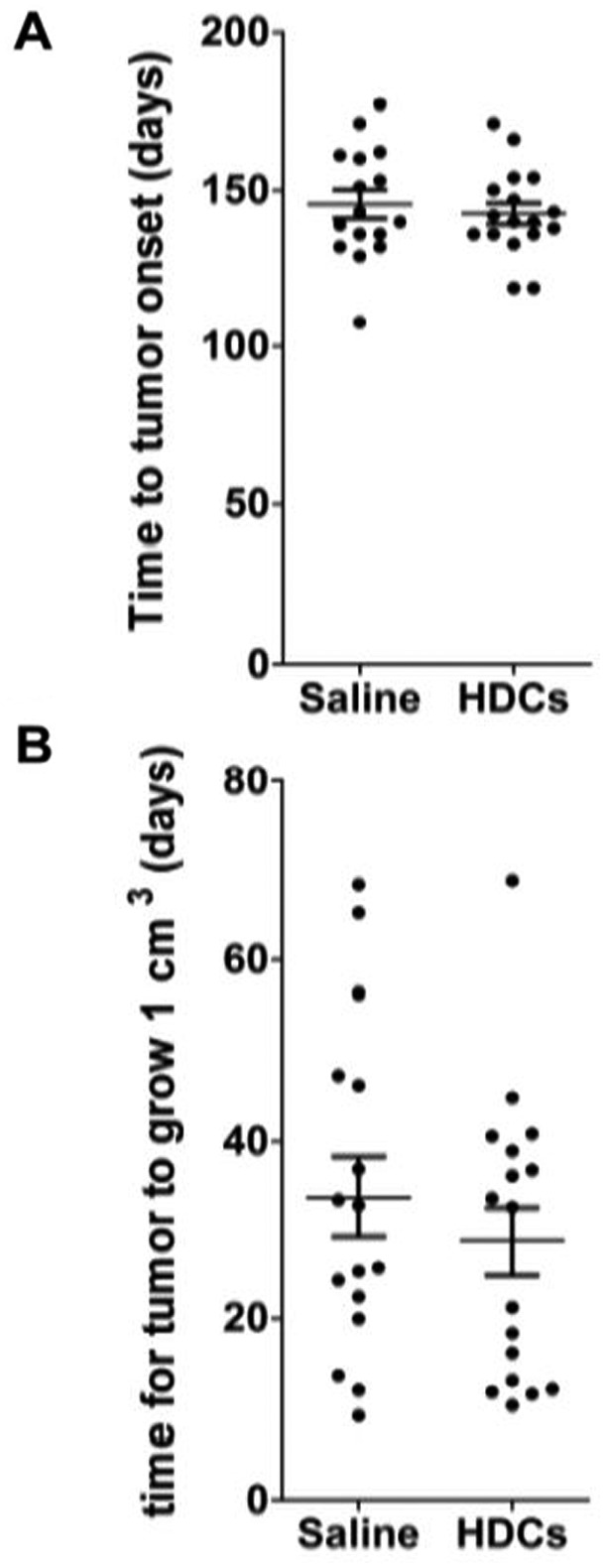
No effect of the helminth was observed. Neither the latency nor tumor growth was affected by the therapy, and no significant effects on tumor transcriptome were observed based on RNAseq analysis.
These findings suggest that biota alteration, although known to affect a variety of Western-associated diseases, might not be a significant factor in the high rate of breast cancer observed in Western societies.
An almost complete loss of intestinal worms in high-income countries has led to increases in allergic disorders, autoimmune conditions, and perhaps colon cancer. However, in this study, results using laboratory mice suggest that loss of intestinal worms might not be associated with breast cancer.
个体患乳腺癌的风险受到进化不匹配的深刻影响。西方社会中已知会增加乳腺癌风险的不匹配因素包括久坐的生活方式和生殖因素。生物群改变是西方社会导致人体生态系统生物多样性丧失的一种现象,它是一种已知会增加包括结肠炎相关结肠癌在内的多种炎症相关疾病风险的不匹配情况。然而,生物群改变对乳腺癌的影响尚未得到评估。
在本研究中,我们利用C3(1)-TAg乳腺癌小鼠模型来评估生物群改变在乳腺癌发生发展中的作用。该模型已被用于重现运动和怀孕在降低乳腺癌风险方面的作用。给C3(1)-TAg小鼠接种一种良性蠕虫,这种蠕虫在动物模型中已被证明可逆转生物群改变的影响。
未观察到该蠕虫产生任何效果。治疗对潜伏期和肿瘤生长均无影响,基于RNA测序分析,也未观察到对肿瘤转录组有显著影响。
这些发现表明,生物群改变虽然已知会影响多种与西方相关的疾病,但可能不是西方社会中观察到的高乳腺癌发病率的一个重要因素。
高收入国家肠道蠕虫几乎完全消失导致过敏症、自身免疫性疾病以及可能的结肠癌发病率上升。然而在本研究中,使用实验室小鼠的结果表明肠道蠕虫消失可能与乳腺癌无关。