Jiang Nan, Li Hong, Sun Yueshan, Zeng Jing, Yang Fei, Kantawong Fahsai, Wu Jianming
Department of Medical Technology, Faculty of Associated Medical Sciences, Chiang Mai University, Chiang Mai, Thailand.
School of Pharmacy, Southwest Medical University, Luzhou, China.
Front Pharmacol. 2021 Mar 4;12:618522. doi: 10.3389/fphar.2021.618522. eCollection 2021.
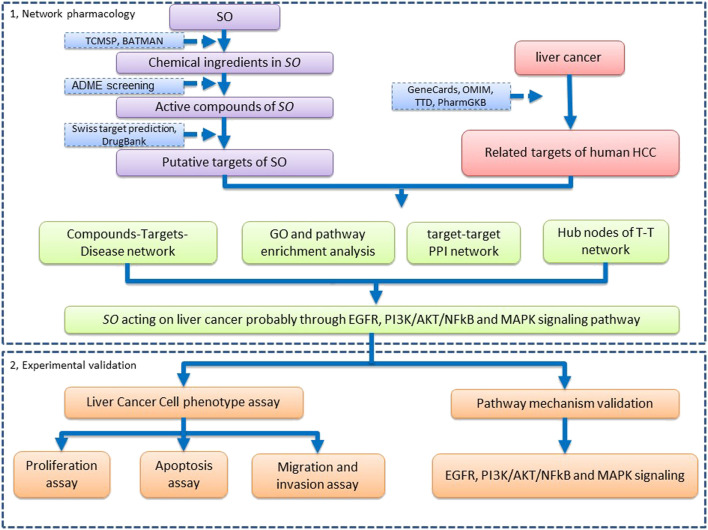
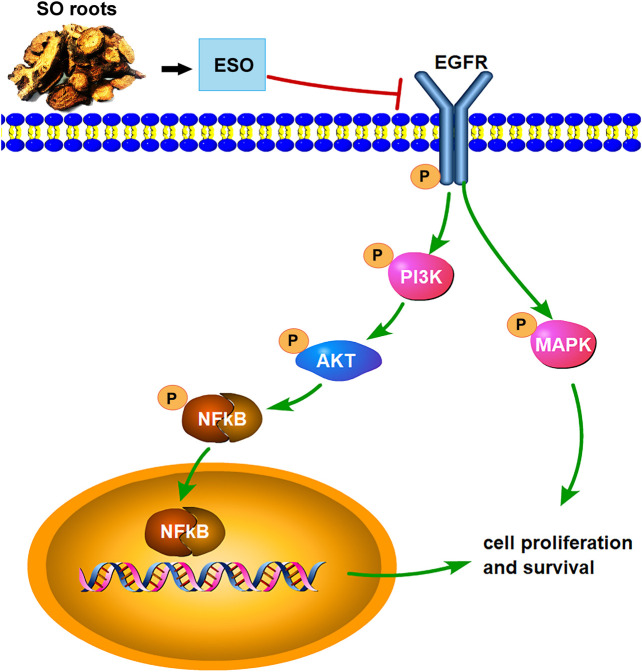
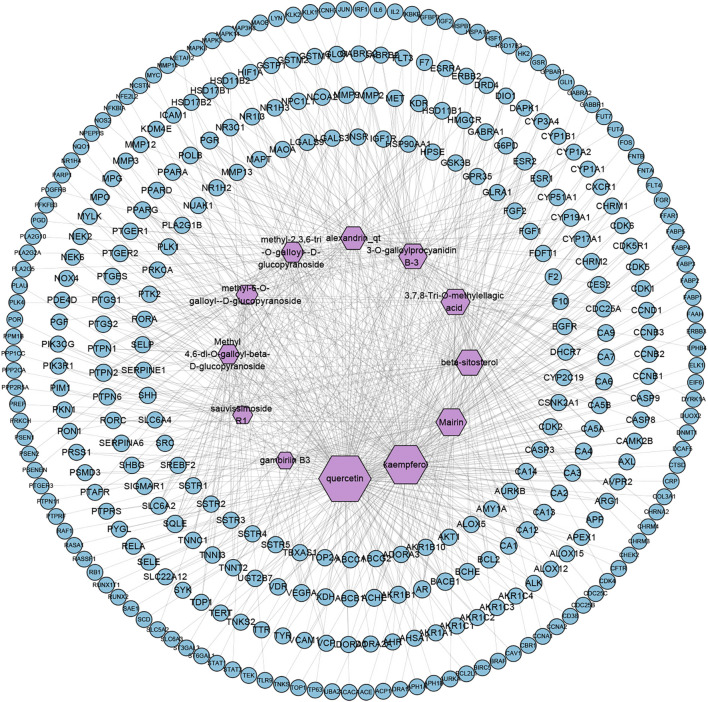
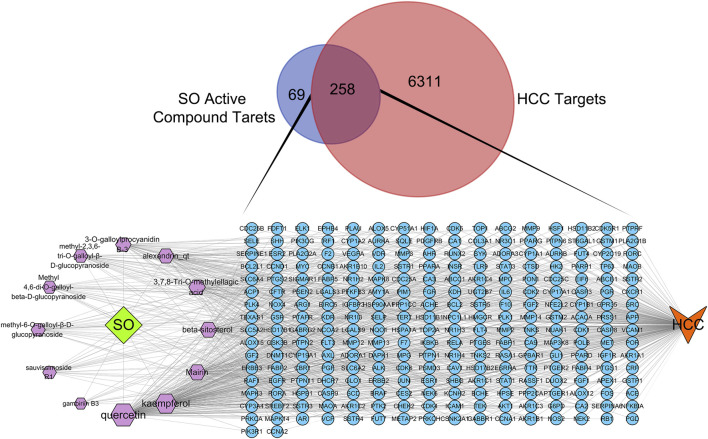
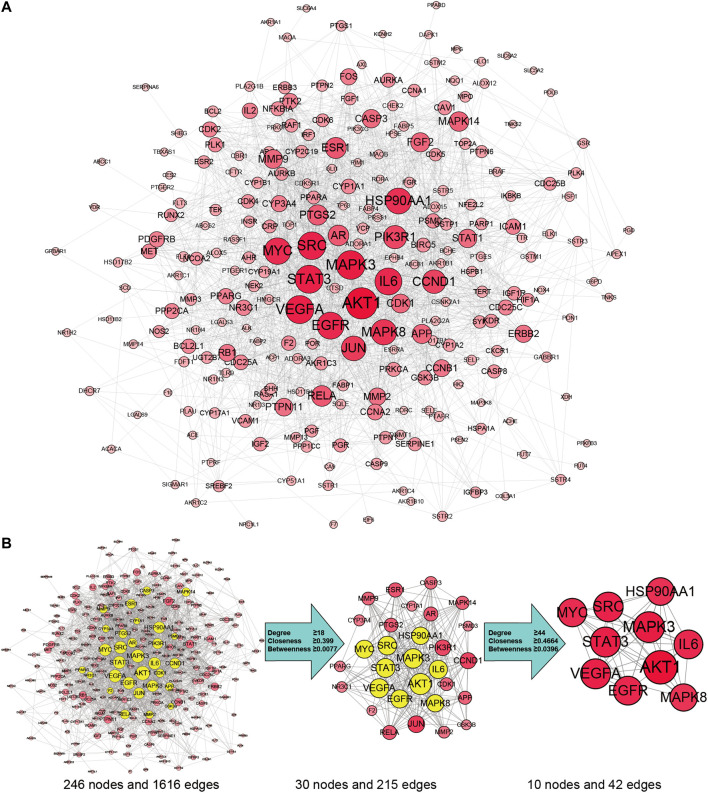
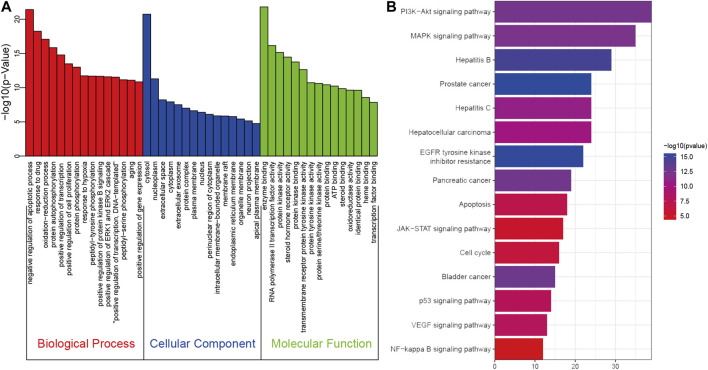
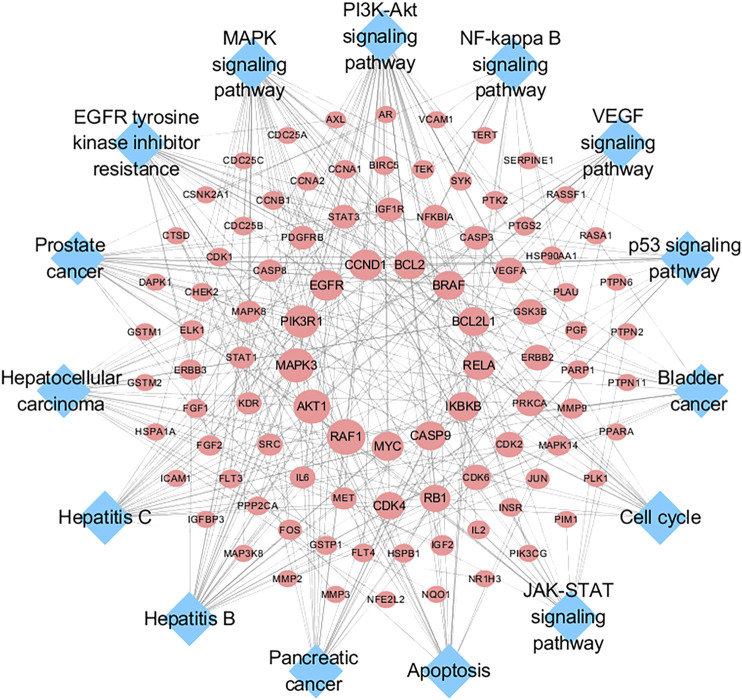
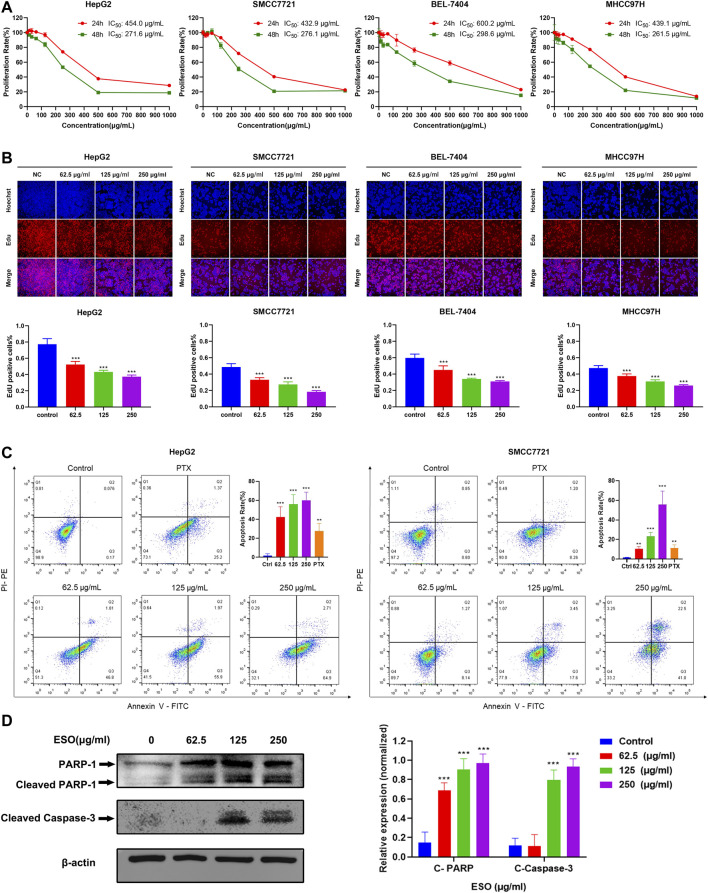
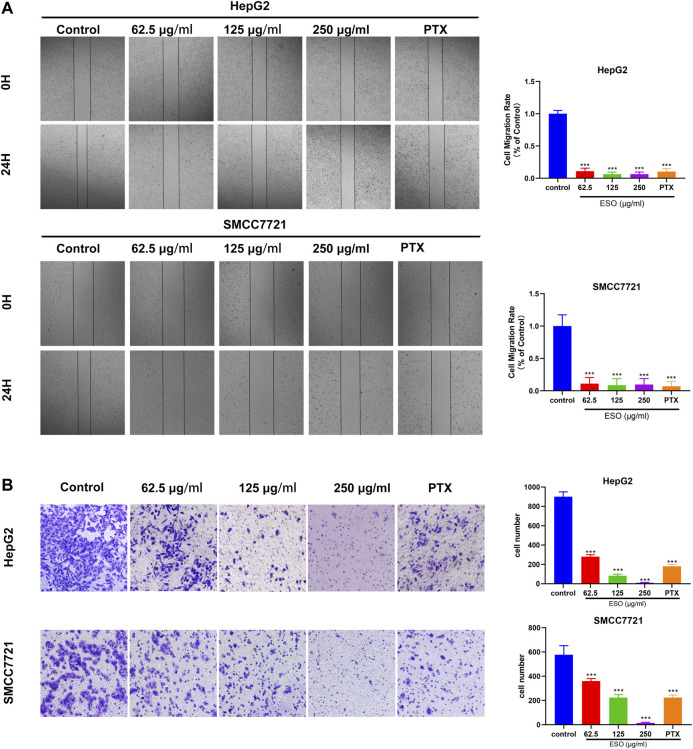
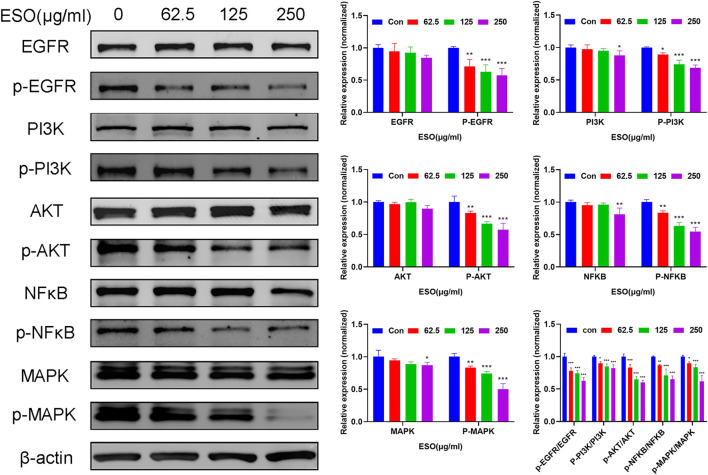
L. (SO) is a well-known traditional Chinese medicine (TCM), commonly applied to treat complex diseases, such as anticancer, antibacterial, antiviral, anti-inflammatory, anti-oxidant and hemostatic effects. Especially, it has been reported to exert anti-tumor effect in various human cancers. However, its effect and pharmacological mechanism on hepatocellular carcinoma (HCC) remains unclear. In this study, network pharmacology approach was applied to characterize the underlying mechanism of SO on HCC. Active compounds and potential targets of SO, as well as related genes of HCC were obtained from the public databases, the potential targets and signaling pathways were determined by protein-protein interaction (PPI), gene ontology (GO) and pathway enrichment analyses. And the compound-target and target-pathway networks were constructed. Subsequently, experiments were also performed to further verify the anticancer effects of SO on HCC. By using the comprehensive network pharmacology analysis, 41 ingredients in SO were collected from the corresponding databases, 12 active ingredients screened according to their oral bioavailability and drug-likeness index, and 258 potential targets related to HCC were predicted. Through enrichment analysis, SO was found to show its excellent therapeutic effects on HCC through several pathways, mainly related to proliferation and survival via the EGFR, PI3K/AKT, NFκB and MAPK signaling pathways. Additionally, , SO was found to inhibit cell proliferation, induce apoptosis and down-regulate cell migration and invasion in various HCC cells. Moreover, western blot analysis showed that SO treatment down-regulated the expression of p-EGFR, p-PI3K, p-AKT, p-NFκB and p-MAPK proteins in HepG2 cells. These results validated that SO exerted its therapeutic effects on HCC mainly by the regulation of cell proliferation and survival via the EGFR/MAPK and EGFR/PI3K/AKT/NFκB signaling pathways. Taken together, this study, revealed the anti-HCC effects of SO and its potential underlying therapeutic mechanisms in a multi-target and multi-pathway manner.
L. (SO) 是一种著名的传统中药,常用于治疗复杂疾病,如具有抗癌、抗菌、抗病毒、抗炎、抗氧化和止血作用。特别是,据报道它在多种人类癌症中发挥抗肿瘤作用。然而,其对肝细胞癌 (HCC) 的作用和药理机制仍不清楚。在本研究中,应用网络药理学方法来表征 SO 对 HCC 的潜在机制。从公共数据库中获得 SO 的活性化合物和潜在靶点,以及 HCC 的相关基因,通过蛋白质 - 蛋白质相互作用 (PPI)、基因本体 (GO) 和通路富集分析确定潜在靶点和信号通路。并构建了化合物 - 靶点和靶点 - 通路网络。随后,还进行了实验以进一步验证 SO 对 HCC 的抗癌作用。通过综合网络药理学分析,从相应数据库中收集了 SO 中的 41 种成分,根据其口服生物利用度和类药性指数筛选出 12 种活性成分,并预测了 258 个与 HCC 相关的潜在靶点。通过富集分析,发现 SO 通过多种途径对 HCC 显示出优异的治疗效果,主要与通过表皮生长因子受体 (EGFR)、磷脂酰肌醇 -3- 激酶 (PI3K)/蛋白激酶 B (AKT)、核因子κB (NFκB) 和丝裂原活化蛋白激酶 (MAPK) 信号通路的增殖和存活相关。此外,发现 SO 抑制各种 HCC 细胞的增殖,诱导凋亡并下调细胞迁移和侵袭。而且,蛋白质印迹分析表明,SO 处理下调了 HepG2 细胞中磷酸化 EGFR、磷酸化 PI3K、磷酸化 AKT、磷酸化 NFκB 和磷酸化 MAPK 蛋白的表达。这些结果证实,SO 主要通过 EGFR/MAPK 和 EGFR/PI3K/AKT/NFκB 信号通路调节细胞增殖和存活,从而对 HCC 发挥其治疗作用。综上所述,本研究以多靶点、多途径的方式揭示了 SO 的抗 HCC 作用及其潜在的治疗机制。