Dumic Igor, Glomski Bridget, Patel Janki, Nordin Terri, Nordstrom Charles W, Sprecher Lawrence J, Niendorf Eric, Singh Amteshwar, Simeunovic Kosana, Subramanian Anand, Igandan Oladapo, Vitorovic Danilo
Department of Hospital Medicine, Mayo Clinic Health System, Eau Claire, WI, USA.
Mayo Clinic Alix School of Medicine, Rochester, MN, USA.
Am J Case Rep. 2021 Mar 24;22:e929952. doi: 10.12659/AJCR.929952.
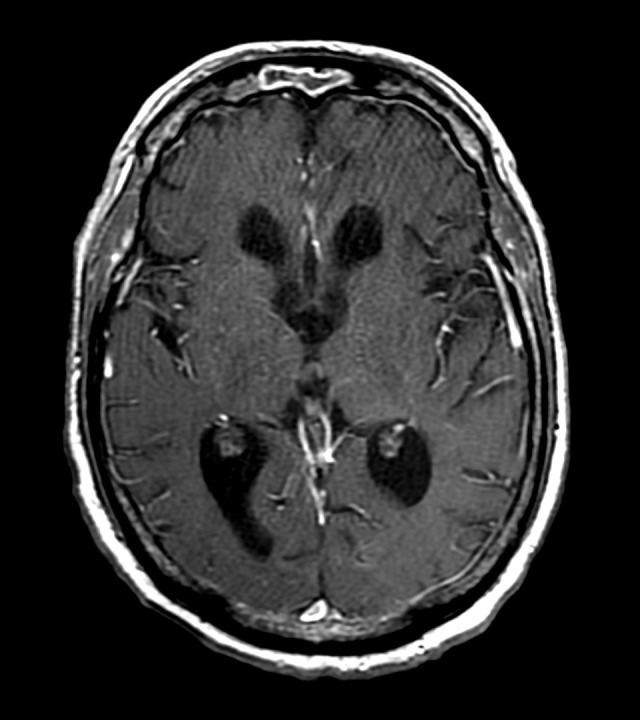
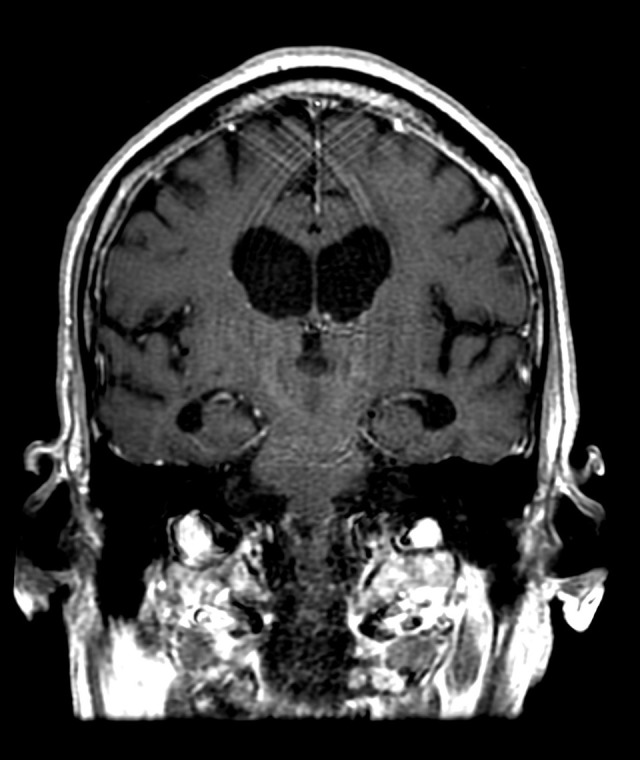
BACKGROUND Powassan virus (POWV) is an emerging tick-borne flavivirus transmitted to humans by ticks. While infection is asymptomatic in some people, others develop life-threatening encephalitis with high mortality rates. Co-infection between POWV and Borrelia burgdorferi is rare despite the fact that both pathogens can be transmitted through the same tick vector, Ixodes scapularis. It is unclear if co-infection leads to more severe clinical presentation and worse outcome. CASE REPORT A 76-year-old Wisconsin man was admitted for meningoencephalitis complicated by hypoxemic and hypercapnic respiratory failure requiring endotracheal intubation. The patient had no known tick bites but lived in a heavily wooded area. Extensive work-up for infectious, autoimmune, and paraneoplastic causes was positive for Borrelia burgdorferi and Powassan virus infection (POWV). Following treatment with ceftriaxone for neuroborreliosis and supportive care for POWV infection, the patient failed to improve. Intravenous immunoglobulins (IVIG) were started empirically, and the patient attained gradual neurological improvement and was successfully extubated. CONCLUSIONS Treatment for POWV infection is supportive, and at this time there are no approved targeted antivirals for this disease. At this time, it remains unclear if co-infection with 2 pathogens leads to a more severe clinical presentation and higher mortality. In the absence of contraindications, IVIG might be beneficial to patients with POWV infection who are not improving with supportive care.
波瓦桑病毒(POWV)是一种新出现的蜱传黄病毒,通过蜱传播给人类。虽然有些人感染后没有症状,但其他人会发展为危及生命的脑炎,死亡率很高。尽管波瓦桑病毒和伯氏疏螺旋体这两种病原体都可通过同一种蜱媒介肩突硬蜱传播,但它们的共同感染却很罕见。目前尚不清楚共同感染是否会导致更严重的临床表现和更差的预后。病例报告:一名76岁的威斯康星州男子因脑膜脑炎入院,并发低氧血症和高碳酸血症性呼吸衰竭,需要气管插管。患者无已知蜱叮咬史,但居住在树木繁茂的地区。对感染性、自身免疫性和副肿瘤性病因进行的广泛检查显示,患者感染了伯氏疏螺旋体和波瓦桑病毒(POWV)。在用头孢曲松治疗神经型莱姆病并对波瓦桑病毒感染进行支持治疗后,患者病情未见改善。经验性地开始使用静脉注射免疫球蛋白(IVIG),患者的神经功能逐渐改善,并成功拔管。结论:波瓦桑病毒感染的治疗以支持治疗为主,目前尚无针对该疾病的获批靶向抗病毒药物。目前尚不清楚两种病原体的共同感染是否会导致更严重的临床表现和更高的死亡率。在没有禁忌证的情况下,IVIG可能对接受支持治疗但病情无改善的波瓦桑病毒感染患者有益。