Morinière Lucas, Lecomte Solène, Gueguen Erwan, Bertolla Franck
Univ Lyon, Université Claude Bernard Lyon 1, CNRS, INRAE, VetAgro Sup, UMR Ecologie Microbienne, F 69622 Villeurbanne, France.
Univ Lyon, Université Claude Bernard Lyon 1, INSA, CNRS, UMR Microbiologie, Adaptation, Pathogénie, F 69622 Villeurbanne, France.
Microb Genom. 2019 Sep;7(6). doi: 10.1099/mgen.0.000546.
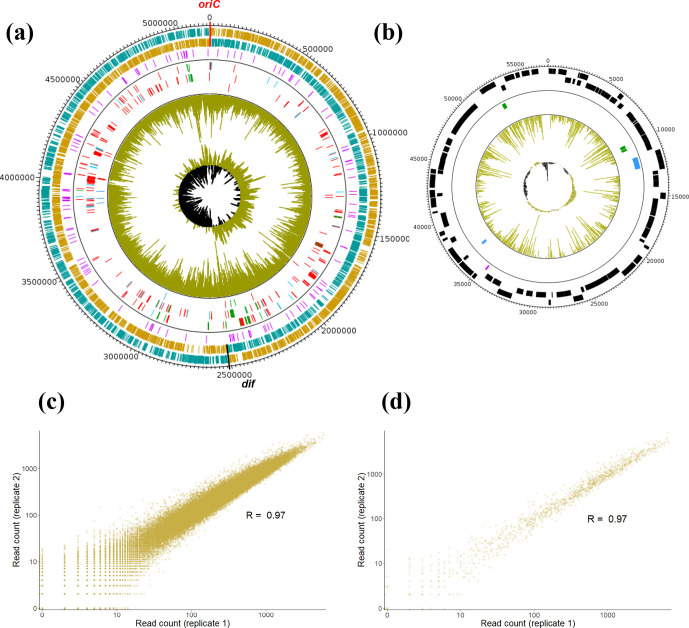
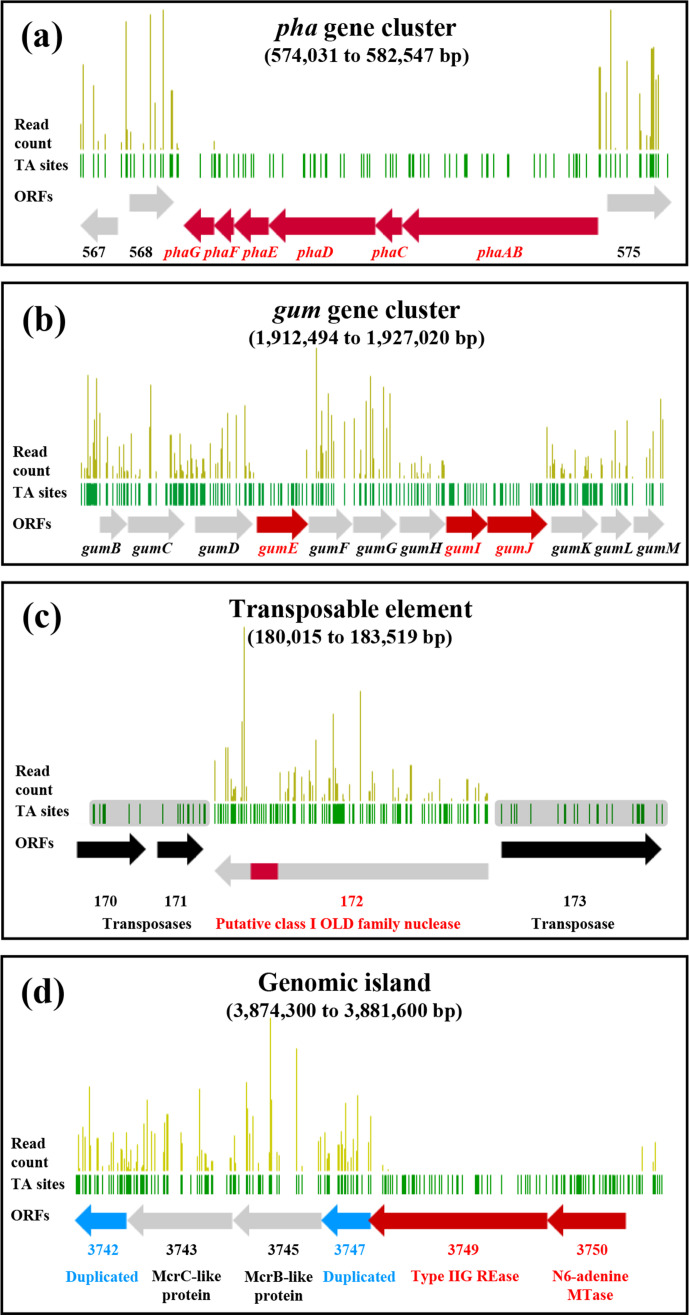
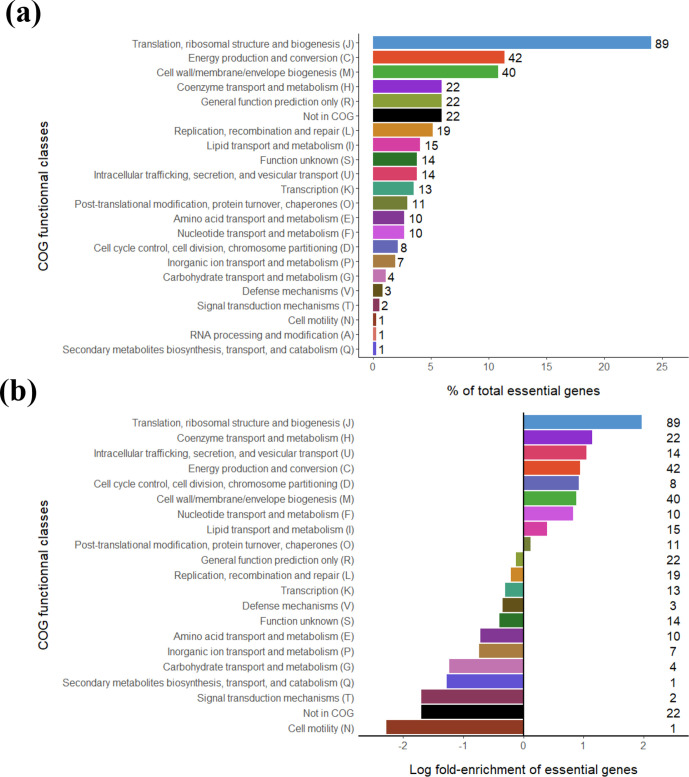
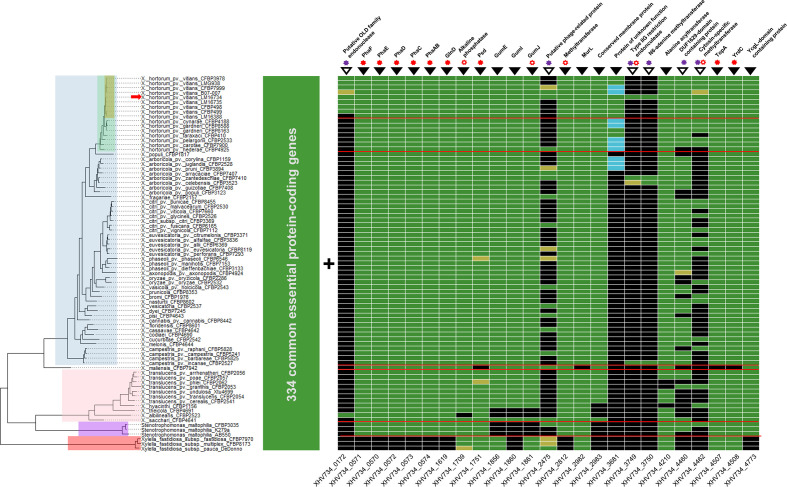
The essential genome of a bacterium encompasses core genes associated with basic cellular processes and conditionally essential genes dependent upon environmental conditions or the genetic context. Comprehensive knowledge of those gene sets allows for a better understanding of fundamental bacterial biology and offers new perspectives for antimicrobial drug research against detrimental bacteria such as pathogens. We investigated the essential genome of pv. , a gammaproteobacterial plant pathogen of lettuce ( L.) which belongs to the plant-pathogen reservoir genus and is affiliated to the family . No practical means of disease control or prevention against this pathogen is currently available, and its molecular biology is virtually unknown. To reach a comprehensive overview of the essential genome of pv. LM16734, we developed a mixed approach combining high-quality full genome sequencing, saturated transposon insertion sequencing (Tn-Seq) in optimal growth conditions, and coupled computational analyses such as comparative genomics, synteny assessment and phylogenomics. Among the 370 essential loci identified by Tn-Seq, a majority was bound to critical cell processes conserved across bacteria. The remaining genes were either related to specific ecological features of or species, or acquired through horizontal gene transfer of mobile genetic elements and associated with ancestral parasitic gene behaviour and bacterial defence systems. Our study sheds new light on our usual concepts about gene essentiality and is pioneering in the molecular and genomic study of pv. .
细菌的必需基因组包括与基本细胞过程相关的核心基因以及依赖于环境条件或遗传背景的条件必需基因。全面了解这些基因集有助于更好地理解细菌的基本生物学特性,并为针对有害细菌(如病原体)的抗菌药物研究提供新的视角。我们研究了生菜细菌性叶斑病菌(Xanthomonas hortorum pv. hortorum)的必需基因组,该病菌是一种γ-变形菌纲植物病原体,属于植物病原体库属(Xanthomonas),隶属于黄单胞菌科(Xanthomonadaceae)。目前尚无针对这种病原体的实际疾病控制或预防手段,其分子生物学几乎未知。为了全面概述生菜细菌性叶斑病菌LM16734的必需基因组,我们开发了一种混合方法,结合高质量的全基因组测序、在最佳生长条件下的饱和转座子插入测序(Tn-Seq)以及比较基因组学、共线性评估和系统发育基因组学等相关计算分析。在通过Tn-Seq鉴定出的370个必需基因座中,大多数与细菌中保守的关键细胞过程相关。其余基因要么与生菜细菌性叶斑病菌或黄单胞菌属物种的特定生态特征有关,要么是通过移动遗传元件的水平基因转移获得的,并与祖先寄生基因行为和细菌防御系统相关。我们这项研究为我们对基因必需性的常规概念提供了新的见解,并且是生菜细菌性叶斑病菌分子和基因组研究的开创性工作。