Department of Biology, Loyola University Chicago, Chicago, Illinois, United States of America.
PLoS One. 2021 Mar 25;16(3):e0249215. doi: 10.1371/journal.pone.0249215. eCollection 2021.
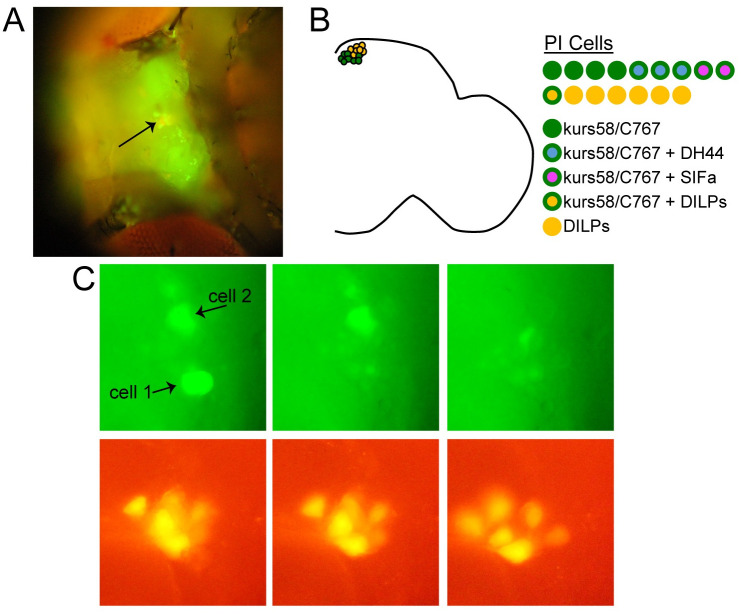
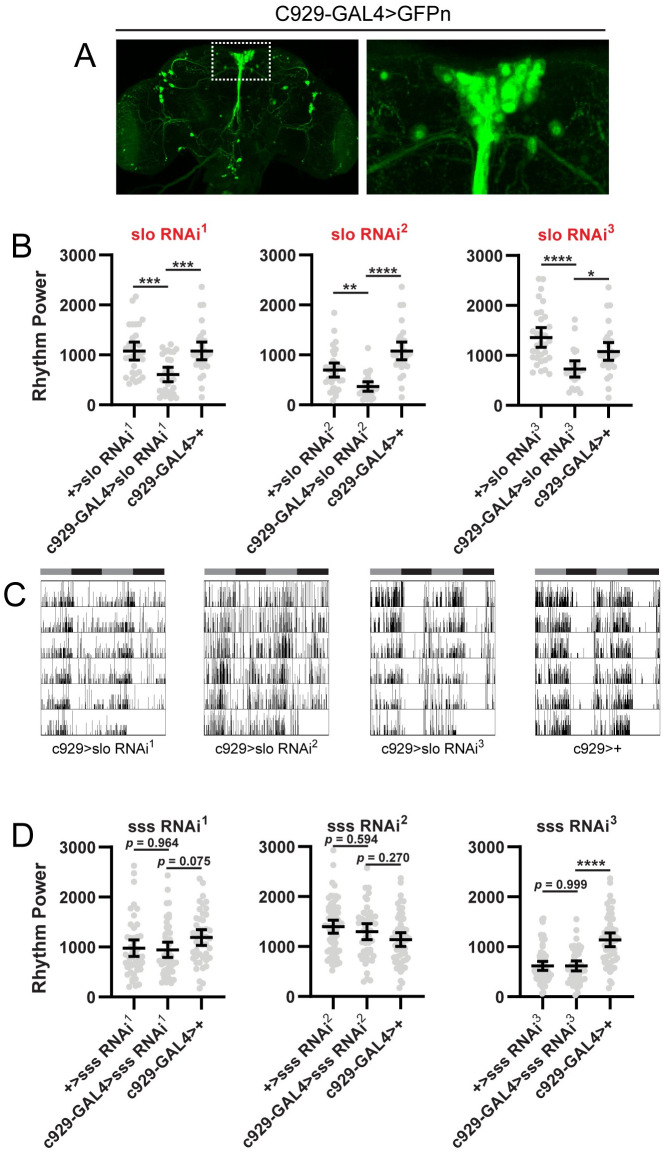
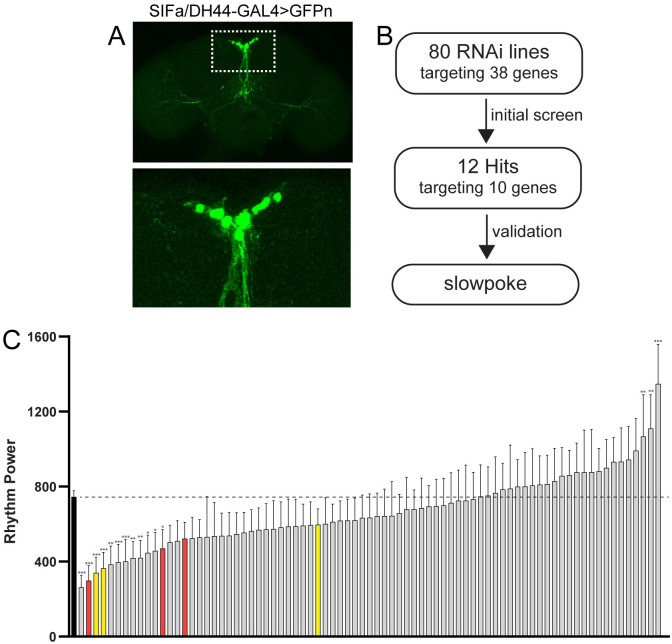
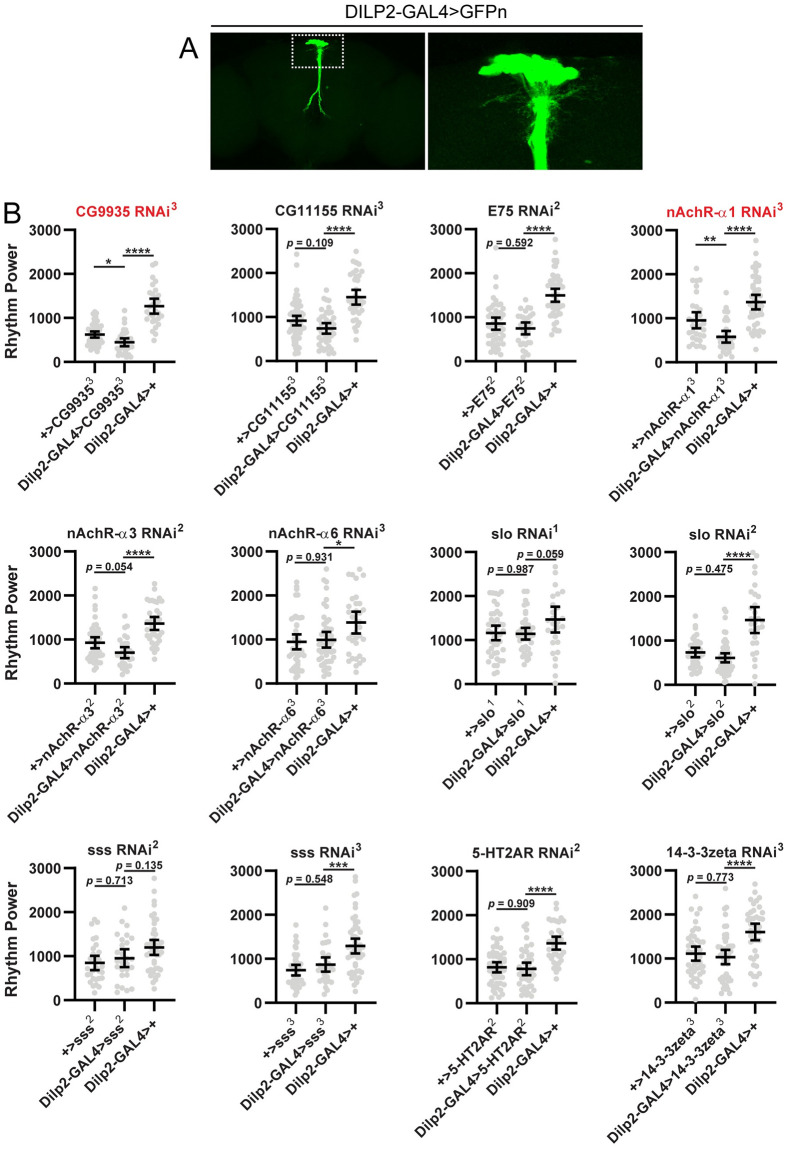
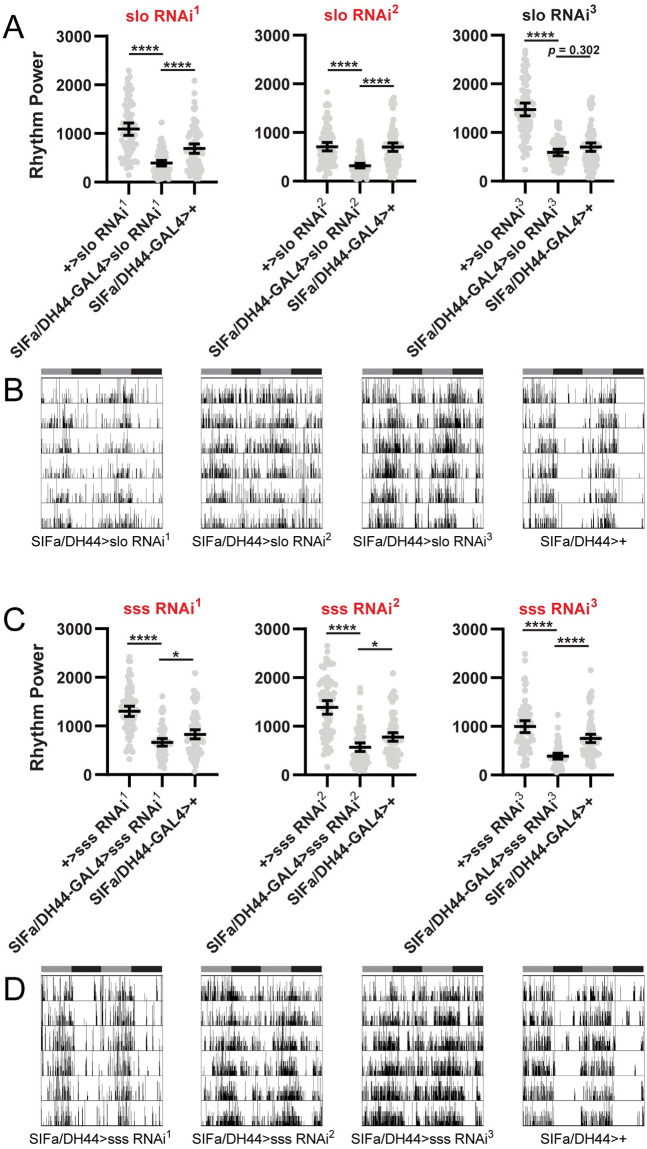
The circadian system produces ~24-hr oscillations in behavioral and physiological processes to ensure that they occur at optimal times of day and in the correct temporal order. At its core, the circadian system is composed of dedicated central clock neurons that keep time through a cell-autonomous molecular clock. To produce rhythmic behaviors, time-of-day information generated by clock neurons must be transmitted across output pathways to regulate the downstream neuronal populations that control the relevant behaviors. An understanding of the manner through which the circadian system enacts behavioral rhythms therefore requires the identification of the cells and molecules that make up the output pathways. To that end, we recently characterized the Drosophila pars intercerebralis (PI) as a major circadian output center that lies downstream of central clock neurons in a circuit controlling rest:activity rhythms. We have conducted single-cell RNA sequencing (scRNAseq) to identify potential circadian output genes expressed by PI cells, and used cell-specific RNA interference (RNAi) to knock down expression of ~40 of these candidate genes selectively within subsets of PI cells. We demonstrate that knockdown of the slowpoke (slo) potassium channel in PI cells reliably decreases circadian rest:activity rhythm strength. Interestingly, slo mutants have previously been shown to have aberrant rest:activity rhythms, in part due to a necessary function of slo within central clock cells. However, rescue of slo in all clock cells does not fully reestablish behavioral rhythms, indicating that expression in non-clock neurons is also necessary. Our results demonstrate that slo exerts its effects in multiple components of the circadian circuit, including PI output cells in addition to clock neurons, and we hypothesize that it does so by contributing to the generation of daily neuronal activity rhythms that allow for the propagation of circadian information throughout output circuits.
昼夜节律系统产生约 24 小时的生理和行为过程波动,以确保这些过程在一天中的最佳时间发生,并按照正确的时间顺序发生。昼夜节律系统的核心是由专门的中枢时钟神经元组成,通过细胞自主的分子钟来保持时间。为了产生有节奏的行为,时钟神经元产生的时间信息必须通过输出途径传递,以调节控制相关行为的下游神经元群体。因此,了解昼夜节律系统如何实施行为节律需要确定构成输出途径的细胞和分子。为此,我们最近将果蝇的中间脑(PI)鉴定为一个主要的昼夜节律输出中心,该中心位于控制休息:活动节律的中枢时钟神经元下游的回路中。我们已经进行了单细胞 RNA 测序(scRNAseq),以鉴定由 PI 细胞表达的潜在的昼夜节律输出基因,并使用细胞特异性 RNA 干扰(RNAi)选择性地敲低约 40 个候选基因在 PI 细胞的亚群中的表达。我们证明,PI 细胞中 slowpoke(slo)钾通道的敲低可靠地降低了昼夜节律休息:活动节律的强度。有趣的是,slo 突变体先前已经显示出异常的休息:活动节律,部分原因是 slo 在中枢时钟细胞中的必要功能。然而,在所有时钟细胞中拯救 slo 并不能完全恢复行为节律,这表明 slo 在非时钟神经元中的表达也是必要的。我们的结果表明 slo 在昼夜节律回路的多个组成部分中发挥作用,包括 PI 输出细胞以及时钟神经元,我们假设它通过为每天的神经元活动节律的产生做出贡献来发挥作用,从而允许昼夜节律信息在输出回路中传播。