Li Allen, Keck Jamie M, Parmar Swapnil, Patterson Janice, Labrie Marilyne, Creason Allison L, Johnson Brett E, Downey Molly, Thomas George, Beadling Carol, Heiser Laura M, Kolodzie Annette, Guimaraes Alexander R, Corless Christopher L, Gray Joe W, Mills Gordon B, Bergan Raymond C, Mitri Zahi I
Knight Cancer Institute, Oregon Health and Science University, Portland, OR, USA.
Center for Spatial Systems Biomedicine (OCSSB),Oregon Health and Science University, Portland, OR, USA.
NPJ Precis Oncol. 2021 Mar 26;5(1):28. doi: 10.1038/s41698-021-00165-4.
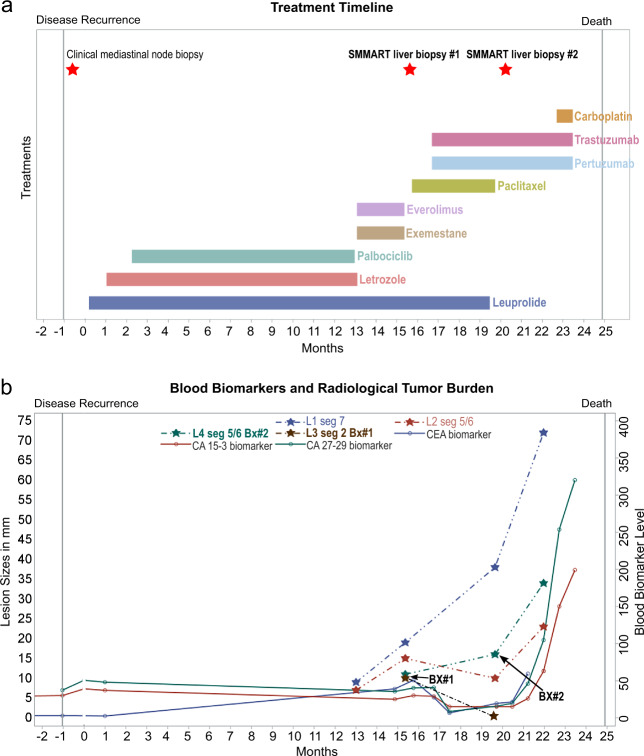
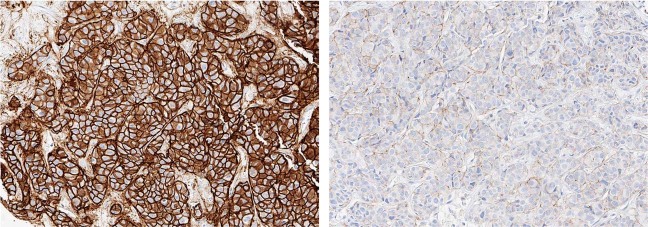
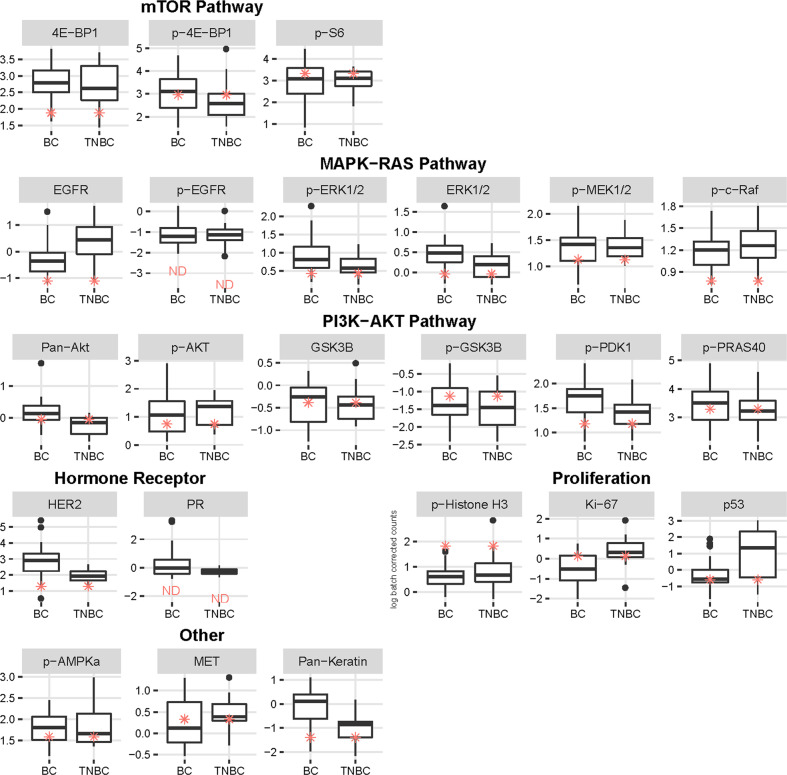
Molecular heterogeneity in metastatic breast cancer presents multiple clinical challenges in accurately characterizing and treating the disease. Current diagnostic approaches offer limited ability to assess heterogeneity that exists among multiple metastatic lesions throughout the treatment course. We developed a precision oncology platform that combines serial biopsies, multi-omic analysis, longitudinal patient monitoring, and molecular tumor boards, with the goal of improving cancer management through enhanced understanding of the entire cancer ecosystem within each patient. We describe this integrative approach using comprehensive analytics generated from serial-biopsied lesions in a metastatic breast cancer patient. The serial biopsies identified remarkable heterogeneity among metastatic lesions that presented clinically as discordance in receptor status and genomic alterations with mixed treatment response. Based on our study, we highlight clinical scenarios, such as rapid progression or mixed response, that indicate consideration for repeat biopsies to evaluate intermetastatic heterogeneity (IMH), with the objective of refining targeted therapy. We present a framework for understanding the clinical significance of heterogeneity in breast cancer between metastatic lesions utilizing multi-omic analyses of serial biopsies and its implication for effective personalized treatment.
转移性乳腺癌中的分子异质性在准确表征和治疗该疾病方面带来了多重临床挑战。当前的诊断方法在评估整个治疗过程中多个转移病灶之间存在的异质性方面能力有限。我们开发了一个精准肿瘤学平台,该平台结合了系列活检、多组学分析、患者纵向监测和分子肿瘤委员会,旨在通过增强对每位患者体内整个癌症生态系统的了解来改善癌症管理。我们使用从一名转移性乳腺癌患者的系列活检病灶中生成的综合分析来描述这种综合方法。系列活检发现转移病灶之间存在显著异质性,这些异质性在临床上表现为受体状态和基因组改变不一致以及混合治疗反应。基于我们的研究,我们强调了一些临床情况,如快速进展或混合反应,这些情况表明需要考虑重复活检以评估转移灶间异质性(IMH), 目的是优化靶向治疗。我们提出了一个框架,用于理解利用系列活检的多组学分析得出的乳腺癌转移病灶之间异质性的临床意义及其对有效个性化治疗的影响。