Knight Cancer Institute, Oregon Health & Science University, Portland, OR 97239, USA.
Department of Biomedical Engineering, Oregon Health & Science University, Portland, OR 97239, USA.
Cell Rep Med. 2022 Feb 15;3(2):100525. doi: 10.1016/j.xcrm.2022.100525.
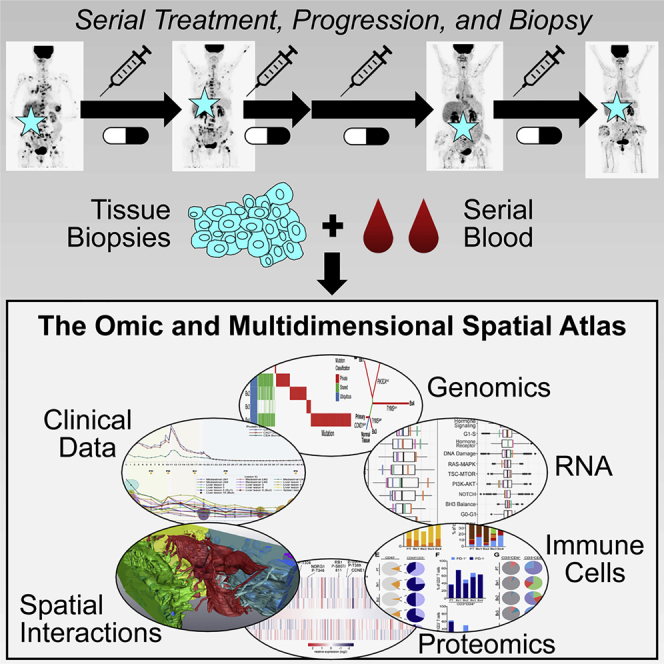
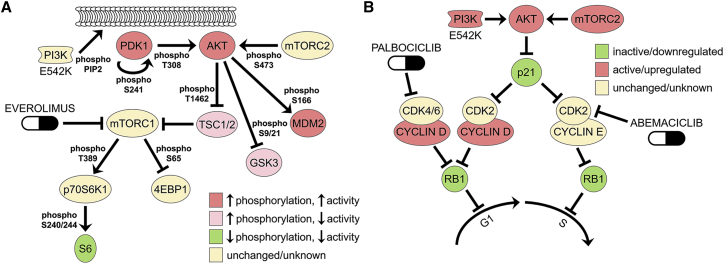
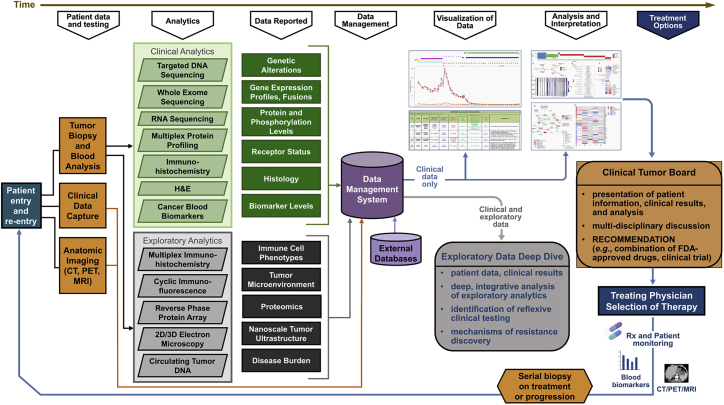
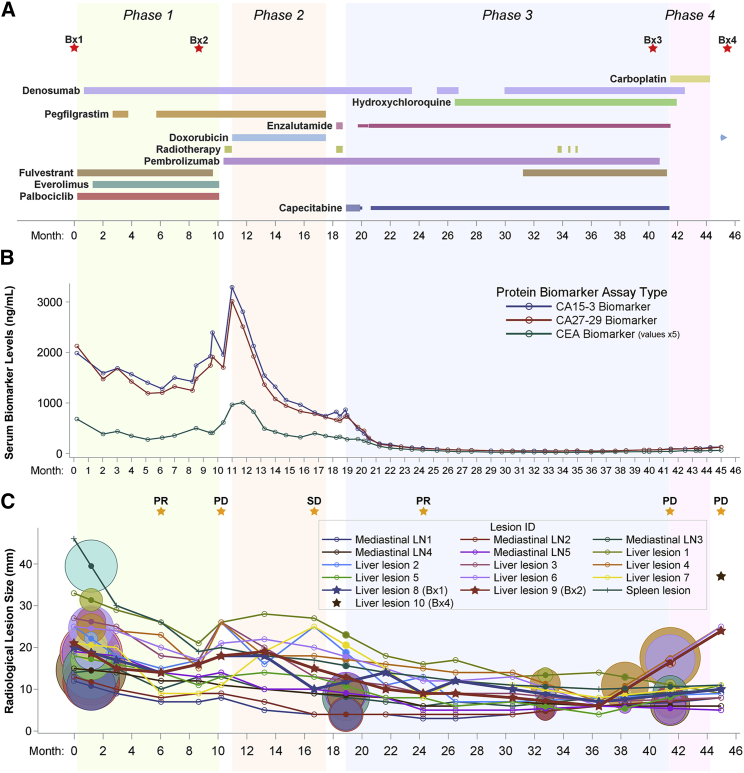
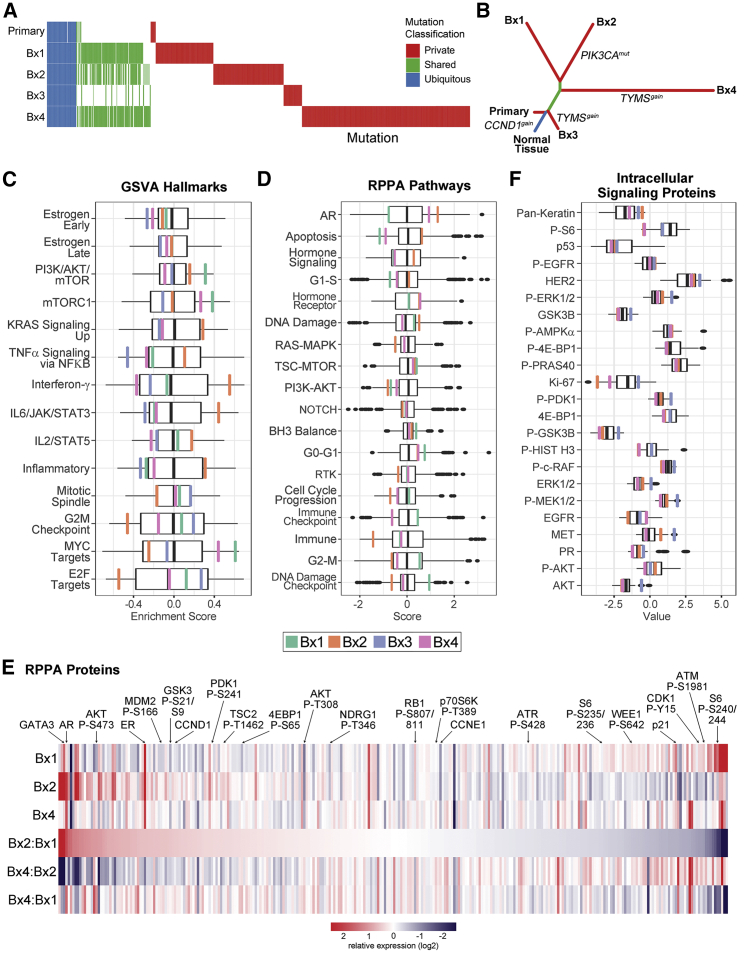
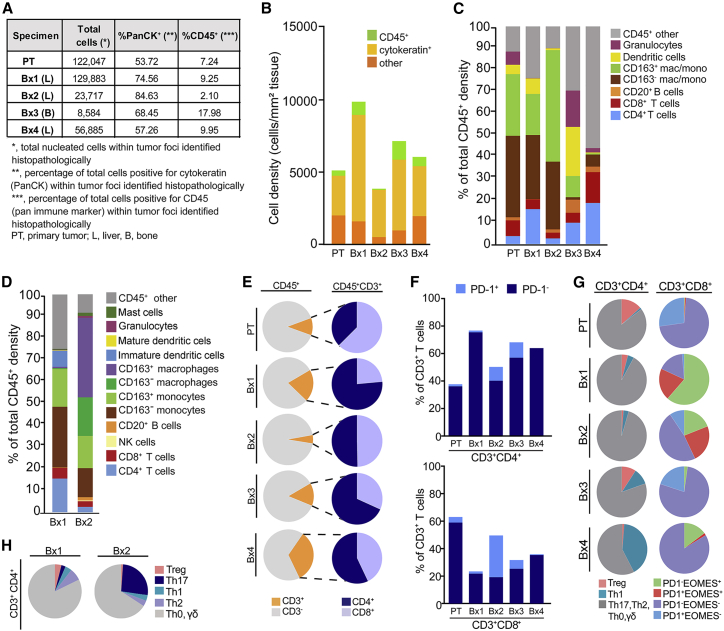
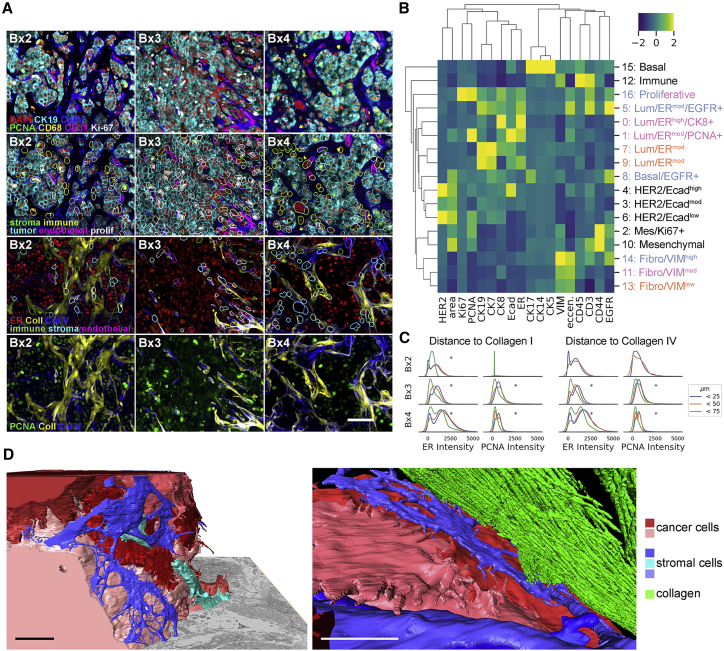
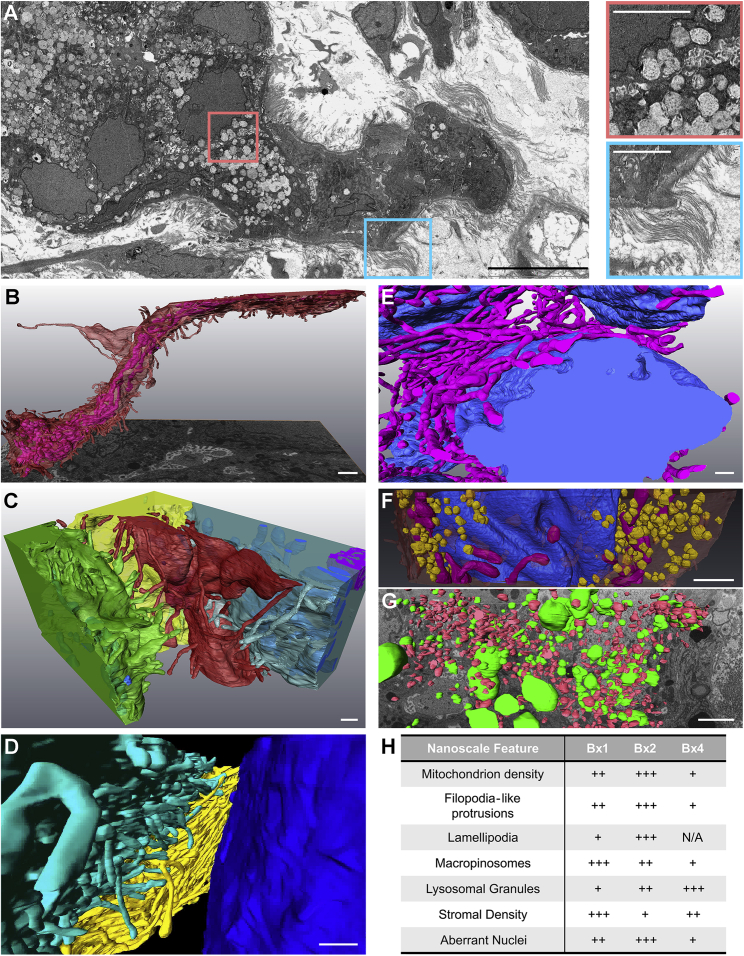
Mechanisms of therapeutic resistance and vulnerability evolve in metastatic cancers as tumor cells and extrinsic microenvironmental influences change during treatment. To support the development of methods for identifying these mechanisms in individual people, here we present an omic and multidimensional spatial (OMS) atlas generated from four serial biopsies of an individual with metastatic breast cancer during 3.5 years of therapy. This resource links detailed, longitudinal clinical metadata that includes treatment times and doses, anatomic imaging, and blood-based response measurements to clinical and exploratory analyses, which includes comprehensive DNA, RNA, and protein profiles; images of multiplexed immunostaining; and 2- and 3-dimensional scanning electron micrographs. These data report aspects of heterogeneity and evolution of the cancer genome, signaling pathways, immune microenvironment, cellular composition and organization, and ultrastructure. We present illustrative examples of how integrative analyses of these data reveal potential mechanisms of response and resistance and suggest novel therapeutic vulnerabilities.
在转移性癌症中,治疗过程中肿瘤细胞和外在微环境的变化会导致治疗抵抗和脆弱性的机制发生演变。为了支持开发在个体中识别这些机制的方法,我们在此展示了一个从一名转移性乳腺癌患者在 3.5 年治疗期间的四次连续活检中生成的组学和多维空间 (OMS) 图谱。该资源将详细的纵向临床元数据(包括治疗时间和剂量、解剖成像以及基于血液的反应测量值)与临床和探索性分析联系起来,其中包括全面的 DNA、RNA 和蛋白质谱;多重免疫染色的图像;以及 2D 和 3D 扫描电子显微镜照片。这些数据报告了癌症基因组、信号通路、免疫微环境、细胞组成和组织以及超微结构异质性和演变的各个方面。我们提供了一些示例,说明如何对这些数据进行综合分析,揭示潜在的反应和抵抗机制,并提出新的治疗弱点。