Department of Electrical and Electronic Engineering, Begum Rokeya University, Rangpur, Bangladesh.
Department of Biostatistics, Medpace, Inc., 5375 Medpace Way, Cincinnati, OH 45227, USA.
Contemp Clin Trials. 2021 May;104:106368. doi: 10.1016/j.cct.2021.106368. Epub 2021 Mar 26.
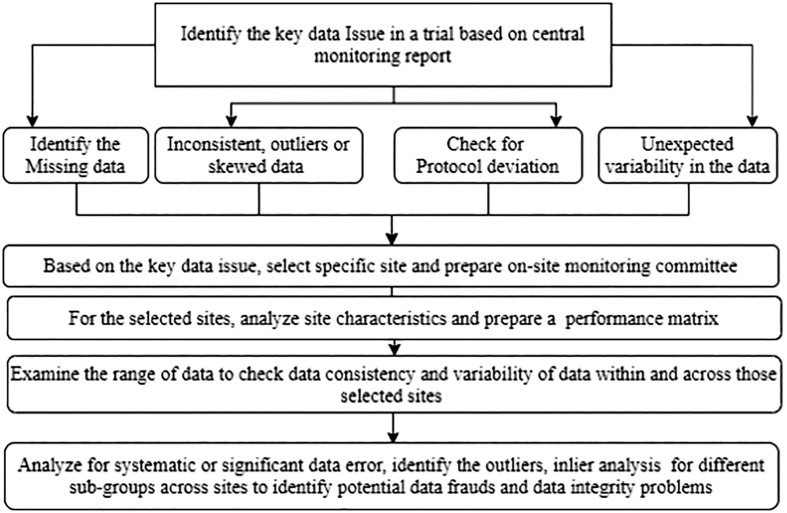
COVID-19 pandemic caused several alarming challenges for clinical trials. On-site source data verification (SDV) in the multicenter clinical trial became difficult due to travel ban and social distancing. For multicenter clinical trials, centralized data monitoring is an efficient and cost-effective method of data monitoring. Centralized data monitoring reduces the risk of COVID-19 infections and provides additional capabilities compared to on-site monitoring. The key steps for on-site monitoring include identifying key risk factors and thresholds for the risk factors, developing a monitoring plan, following up the risk factors, and providing a management plan to mitigate the risk.
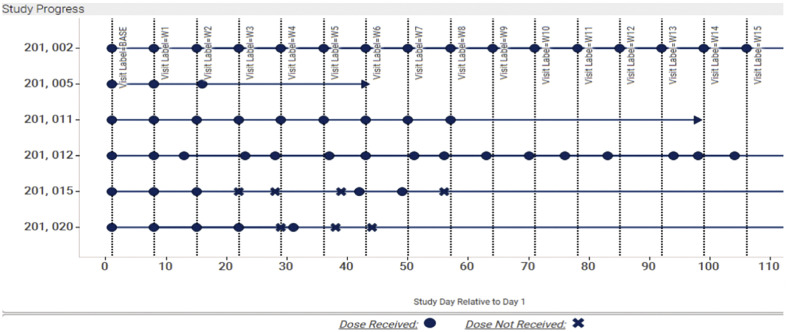
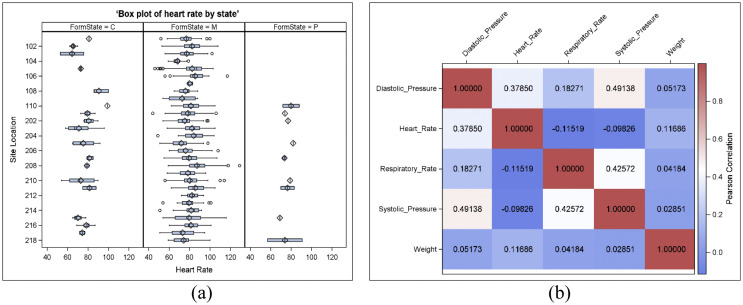
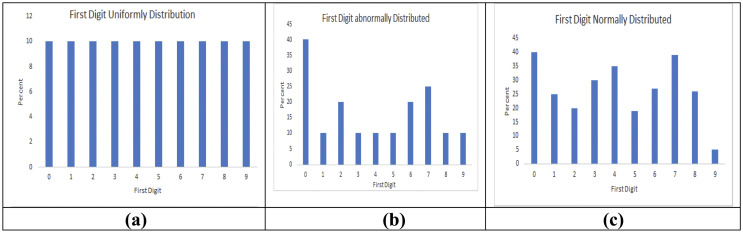
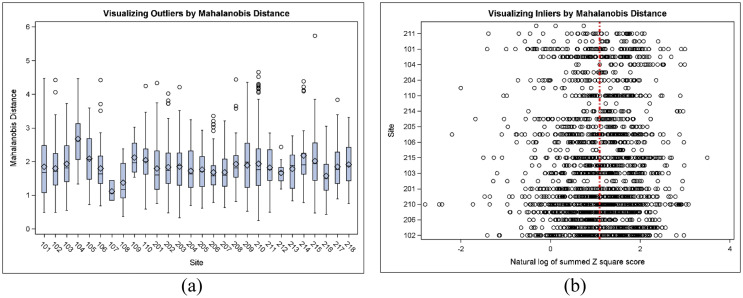
For analysis purposes, we simulated data similar to our clinical trial data. We classified the data monitoring process into two groups, such as the Supervised analysis process, to follow each patient remotely by creating a dashboard and an Unsupervised analysis process to identify data discrepancy, data error, or data fraud. We conducted several risk-based statistical analysis techniques to avoid on-site source data verification to reduce time and cost, followed up with each patient remotely to maintain social distancing, and created a centralized data monitoring dashboard to ensure patient safety and maintain the data quality.
Data monitoring in clinical trials is a mandatory process. A risk-based centralized data review process is cost-effective and helpful to ignore on-site data monitoring at the time of the pandemic. We summarized how different statistical methods could be implemented and explained in SAS to identify various data error or fabrication issues in multicenter clinical trials.
COVID-19 大流行给临床试验带来了一些令人震惊的挑战。由于旅行禁令和社交距离的限制,多中心临床试验中的现场源数据验证(SDV)变得困难。对于多中心临床试验,集中式数据监测是一种高效且具有成本效益的数据监测方法。与现场监测相比,集中式数据监测可降低 COVID-19 感染的风险并提供额外的功能。现场监测的关键步骤包括确定关键风险因素和风险因素的阈值,制定监测计划,跟踪风险因素,并提供管理计划以减轻风险。
出于分析目的,我们模拟了类似于我们临床试验数据的数据。我们将数据监测过程分为两组,例如监督分析过程,通过创建仪表板远程跟踪每个患者,以及非监督分析过程,以识别数据差异、数据错误或数据欺诈。我们进行了几种基于风险的统计分析技术,以避免现场源数据验证,从而节省时间和成本,远程跟踪每个患者以保持社交距离,并创建集中式数据监测仪表板,以确保患者安全并保持数据质量。
临床试验中的数据监测是一个强制性过程。基于风险的集中式数据审查过程具有成本效益,有助于在大流行期间忽略现场数据监测。我们总结了如何在 SAS 中实施和解释不同的统计方法,以识别多中心临床试验中的各种数据错误或捏造问题。