Jawhari Fatima Zahra, El Moussaoui Abdelfattah, Imtara Hamada, Mechchate Hamza, Es-Safi Imane, Bouhrim Mohamed, Kharchoufa Loubna, Miry Achraf, Bousta Dalila, Bari Amina
Laboratory of Biotechnology, Environment, Agri-Food, and Health LBEAS, Faculty of Sciences, University Sidi Mohamed Ben Abdellah USMBA Fez, Morocco.
Faculty of Arts and Sciences, Arab American University Palestine, P. O. Box 240, Jenin, Palestine.
Vet World. 2021 Feb;14(2):457-467. doi: 10.14202/vetworld.2021.457-467. Epub 2021 Feb 22.
(L.) has been used in traditional North African and Indian medicine for the treatment of several diseases such as cancer, rheumatism, epilepsy, diabetes, and Alzheimer's disease. Despite its medical benefits, few studies have examined its toxicity. The present study evaluated the acute toxicity of hydroethanolic extracts of different parts (roots, seeds, leaves, and capitula) of two varieties of (L.), namely, var. (L) and var. (Ball) Maire, in mice.
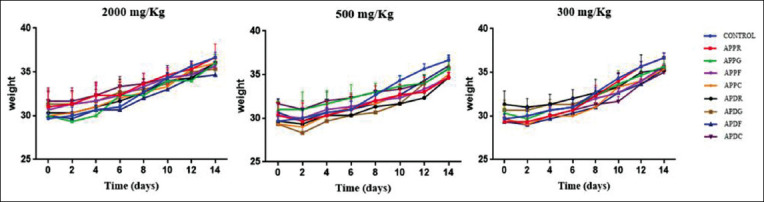
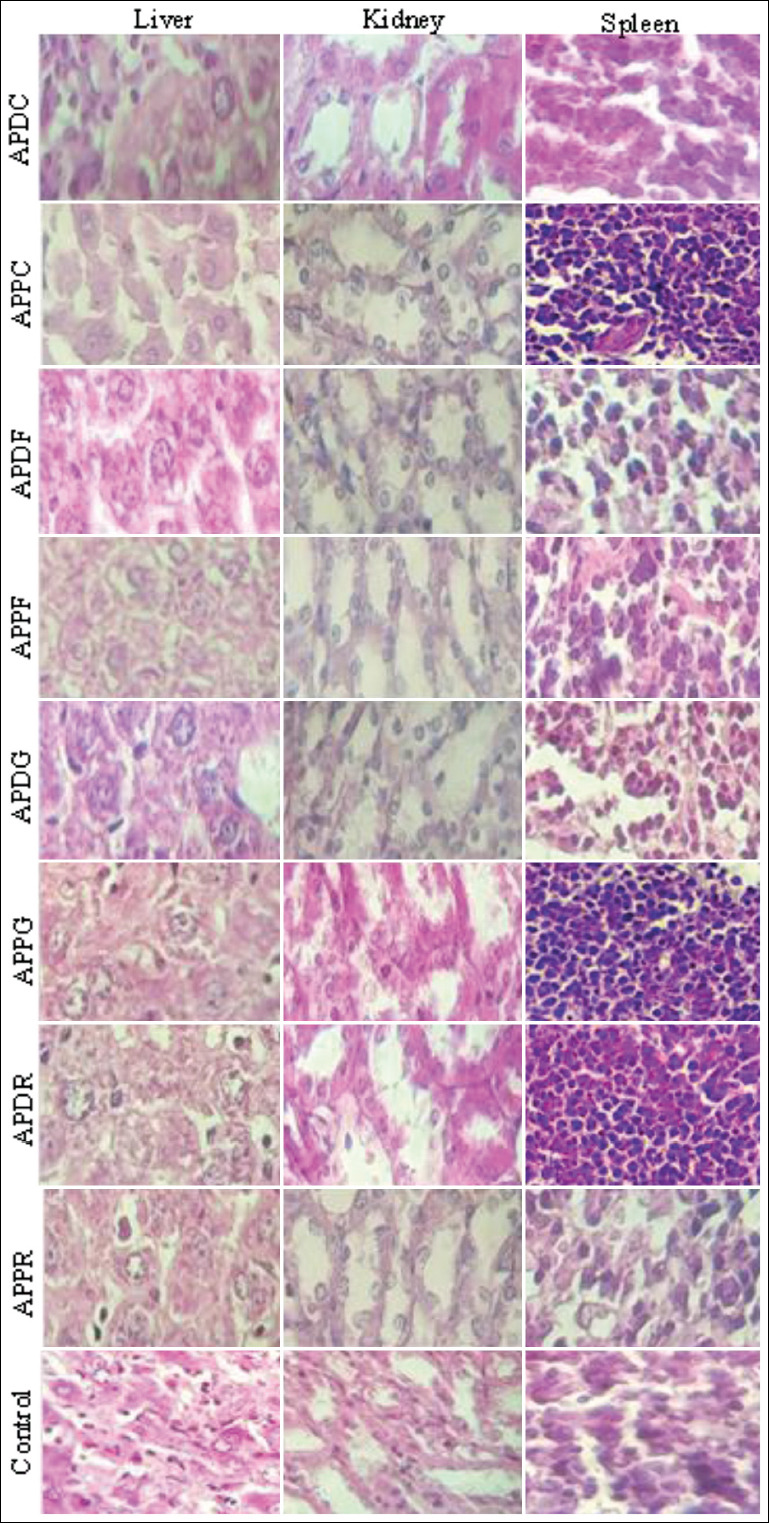
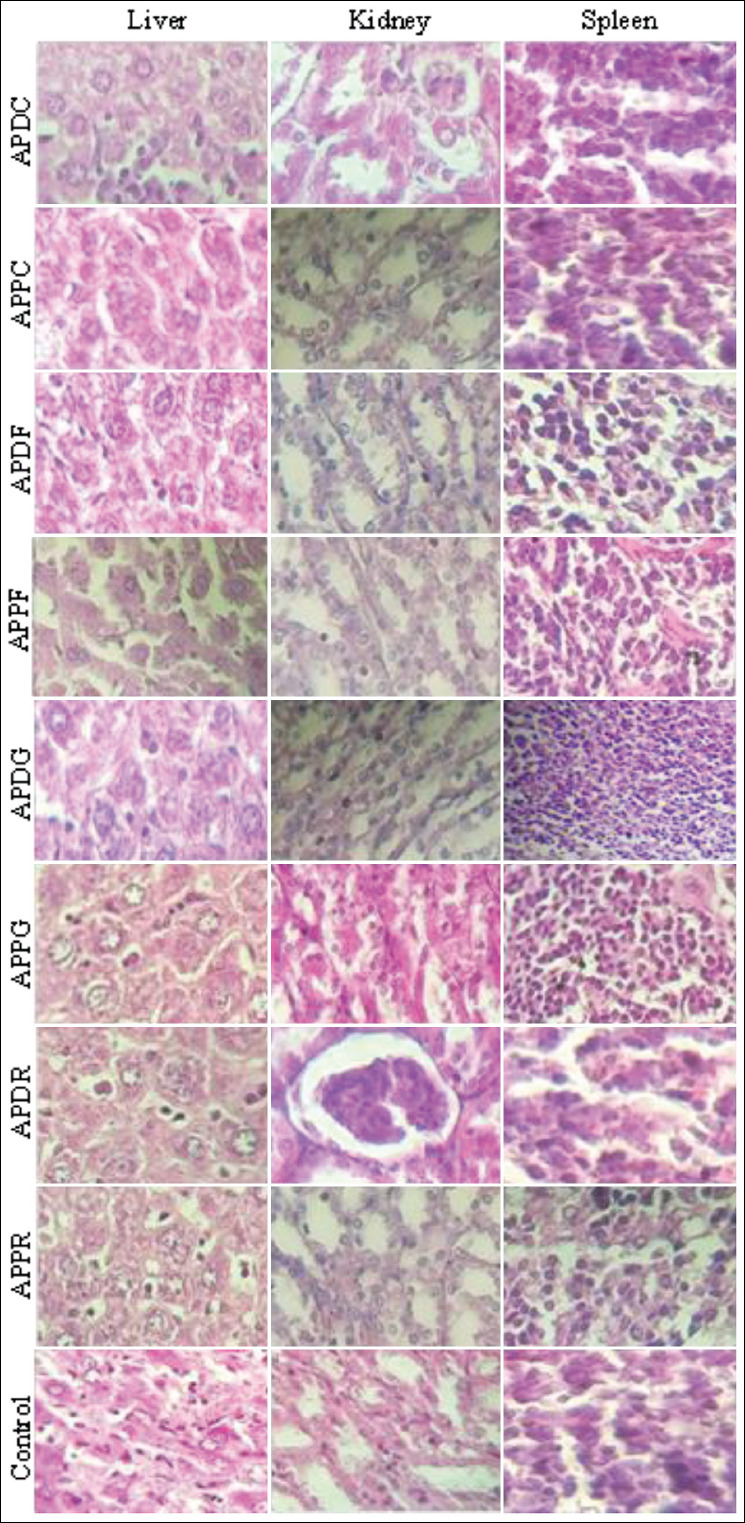
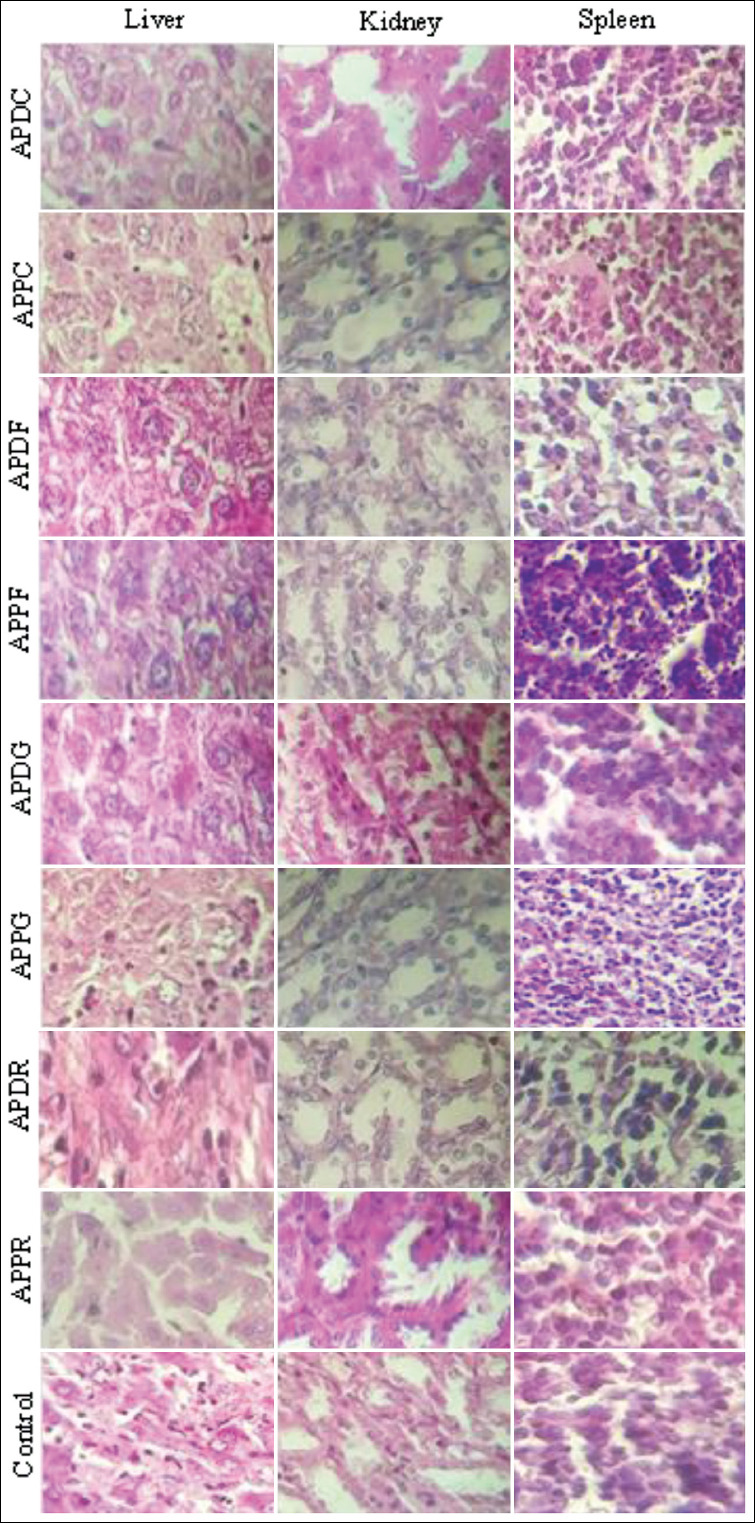
Acute toxicity was evaluated after the oral administration of different extracts at doses of 300, 500, and 2000 mg/kg. Mortality, body weight, general behavior, and adverse effects were observed daily for 14 days. At the end of the experiment, mice were sacrificed, and biochemical parameters and histopathology of the liver, kidneys, and spleen were analyzed.
The extracts of different parts of both plants induced no signs of toxicity or mortality during the observation period, excluding capitulum and seed extracts, which induced slight sedation at a dose of 2000 mg/kg. The LD of the extracts was estimated to exceed 2000 mg/kg. The administration of var. roots at a dose of 300 mg/kg resulted in significantly increased AST levels. However, the var. root extract induced significant increases in the levels of both transaminases (alanine aminotransferase [ALT] and aspartate aminotransferase [AST]). The remaining extracts of both plants at a dose of 500 mg/kg significantly increased AST levels. Moreover, all plant extracts excluding the var. capitulum extract at 2000 mg/kg provoked significant increases in AST levels, and var. roots provoked a significant increase of ALT levels. Meanwhile, mice treated with high doses of extracts (2000 mg/kg) displayed histopathological changes in the liver, kidneys, and spleen characterized by hepatic distress, inflammatory infiltration, focal tubular necrosis, vascular congestion, and lymphoid hyperplasia.
The results of the present study indicate that the hydroethanolic extracts of different parts of two varieties of (L.) were not toxic in mice at low concentrations, whereas some toxic effects were detected in mice treated at 2000 mg/kg.
(此处植物学名未给出中文,无法准确翻译)已被用于北非和印度传统医学,用于治疗多种疾病,如癌症、风湿病、癫痫、糖尿病和阿尔茨海默病。尽管其具有医学益处,但很少有研究考察其毒性。本研究评估了两种(此处植物学名未给出中文,无法准确翻译)品种不同部位(根、种子、叶和头状花序)的乙醇提取物对小鼠的急性毒性,这两个品种分别是(此处植物学名未给出中文,无法准确翻译)变种(此处植物学名未给出中文,无法准确翻译)(L)和(此处植物学名未给出中文,无法准确翻译)变种(此处植物学名未给出中文,无法准确翻译)(Ball)Maire。
以300、500和2000mg/kg的剂量口服不同提取物后评估急性毒性。连续14天每天观察死亡率、体重、一般行为和不良反应。实验结束时,处死小鼠,分析肝脏、肾脏和脾脏的生化参数及组织病理学。
在观察期内,两种植物不同部位的提取物均未引起毒性或死亡迹象,但头状花序和种子提取物在2000mg/kg剂量时引起轻微镇静。提取物的半数致死量估计超过2000mg/kg。以300mg/kg剂量给予(此处植物学名未给出中文,无法准确翻译)变种根提取物导致天冬氨酸氨基转移酶(AST)水平显著升高。然而,(此处植物学名未给出中文,无法准确翻译)变种根提取物使两种转氨酶(丙氨酸氨基转移酶[ALT]和天冬氨酸氨基转移酶[AST])水平均显著升高。两种植物的其余提取物在500mg/kg剂量时显著提高AST水平。此外,除2000mg/kg的(此处植物学名未给出中文,无法准确翻译)变种头状花序提取物外,所有植物提取物均使AST水平显著升高,(此处植物学名未给出中文,无法准确翻译)变种根提取物使ALT水平显著升高。同时,用高剂量提取物(2000mg/kg)处理的小鼠在肝脏、肾脏和脾脏出现组织病理学变化,特征为肝脏窘迫、炎性浸润、局灶性肾小管坏死、血管充血和淋巴样增生。
本研究结果表明,两种(此处植物学名未给出中文,无法准确翻译)品种不同部位的乙醇提取物在低浓度时对小鼠无毒,而在2000mg/kg处理的小鼠中检测到一些毒性作用。